
Features of growing Albion strawberries
Content
Description of the variety
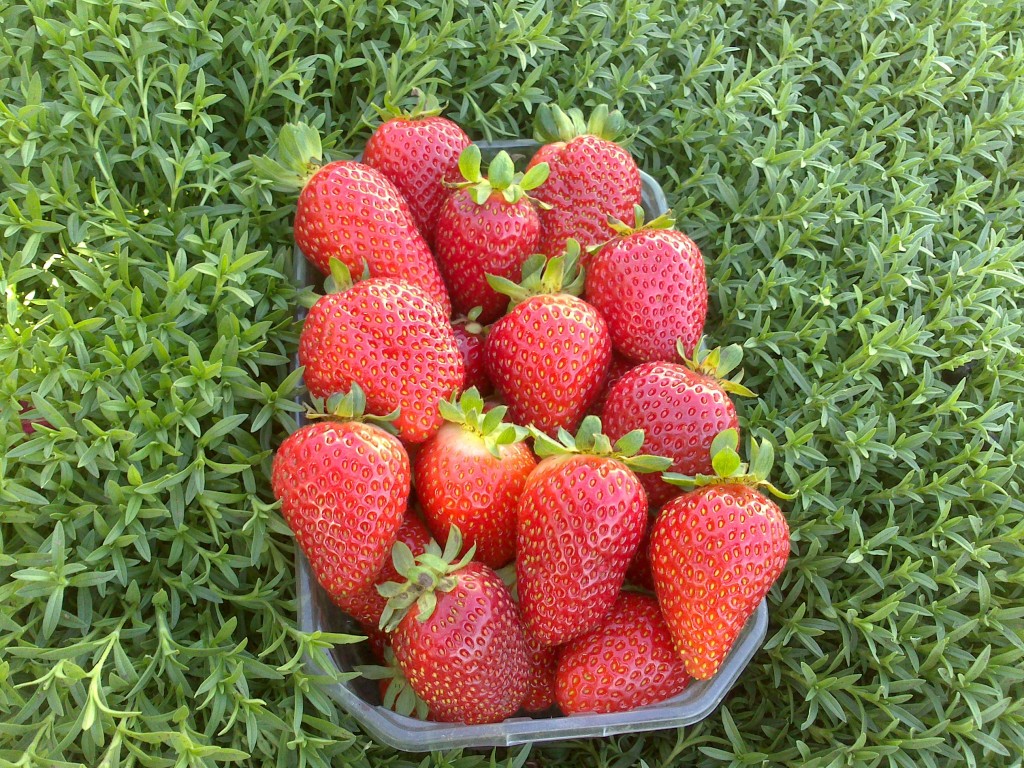
The Albion strawberry variety is another successful discovery by American breeders, developed and patented in 2006. For ten years now, this berry has remained one of the most popular and widely grown everbearing hybrids. Its high demand is due to its impressive yield and very attractive berries with excellent flavor.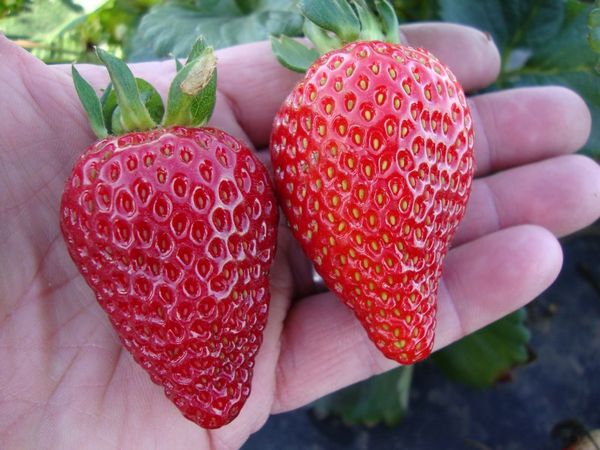
To obtain the Albion variety, two of the largest-fruited, early-ripening varieties, Honey and Clery, were used, from which the hybrid inherited its varietal characteristics:
- early and multiple fruiting in 4 waves from the end of May to mid-September;
- beautiful, even shape of the berries;
- juiciness and refreshing sweet taste;
- large fruits (large fruits reach a weight of 60-70 g);
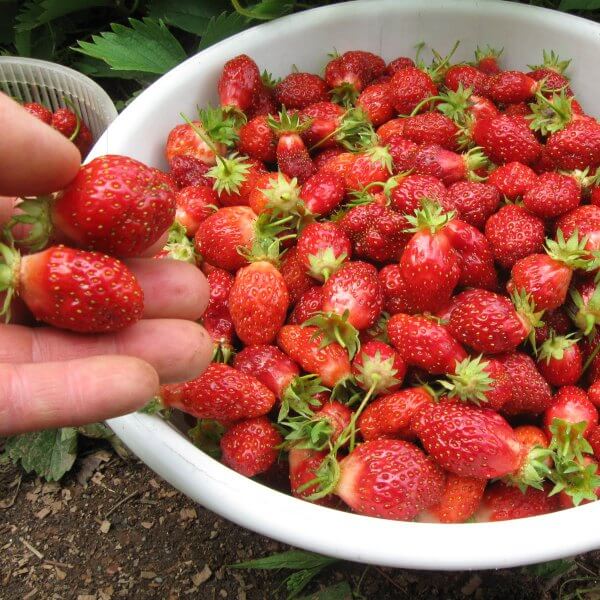
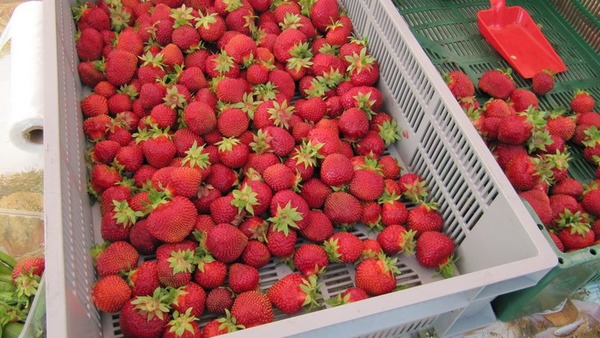
- high productivity (0.4-2 kg from 1 bush depending on conditions and care);
- resistance to drought and sudden changes in weather conditions;
- high immunity to diseases, particularly fungal ones.
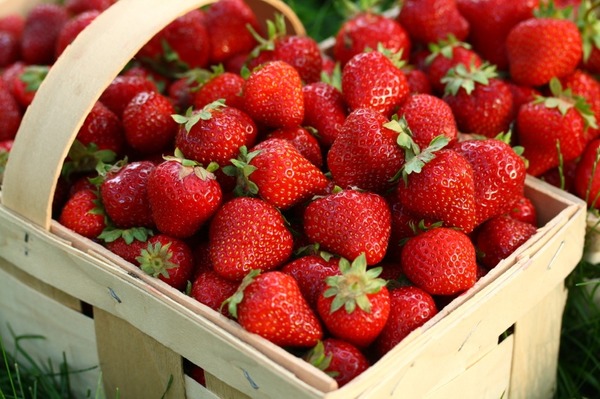
Strawberries begin bearing fruit fully the following year after planting. Like all everbearing varieties, they grow quite quickly. The bushes are lush, with tall shoots (up to 45 cm), so the leaves barely touch the ground. The leaves are massive, dark green on top with a slight oily sheen, while the undersides are a shade lighter and slightly pubescent. The strawberries are very fragrant and have an interesting coloring—dark red with a shiny skin on the surface and a light, white-pink interior.
Video "Description"
From this video you will learn a lot about the Albion strawberry variety.
Features of growing in open ground
Growing Albion strawberries outdoors is not difficult if you know the variety's agronomic characteristics and take them into account when planting:
- This strawberry is heat-loving, so only a well-lit area with plenty of sun is suitable for planting it;
- the area for growing strawberries should be level, well-drained, with deep groundwater;
- The most suitable soil for plants is light fertile loam, with a neutral or slightly acidic pH level;
- To increase soil fertility, it is recommended to use a fertilizer complex in the following proportion per 1 m²: superphosphate 70 g, potassium, nitrate and humus 30 g each;
- The productivity of a variety largely depends on the quality of the seedling material - good seedlings should have developed fibrous roots, and the root collar of the seedling should be no more than 6 mm in diameter;
- Since strawberry fruiting begins in the second year after planting, it is advisable to plant seedlings in the fall; when planted in the spring, the plants take root worse and this affects the subsequent yield;
- seedlings should be planted in slightly warmed soil to a depth of no more than two cm;
- Before planting, it is recommended to keep the seedlings in a cool place for 1-2 weeks so that the plants do not wilt during this time. The storage location should be chosen in the shade, and the roots should be trimmed by a couple of centimeters;
- The seedlings need to be planted in moist soil, and at the bottom of each hole, place fertilizer from a mixture of humus and ash (1 teaspoon each);
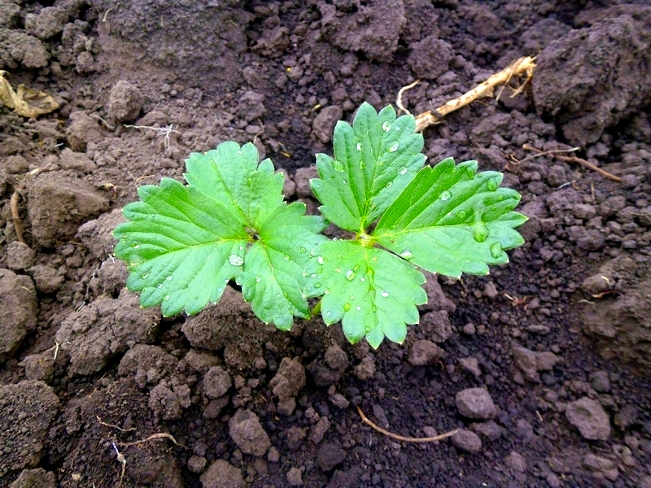
- Albion strawberries do not like crowding, so when planting, the bushes are placed at a distance of 30 cm between holes and 50-60 cm between rows;
- The variety is extremely resistant to external factors, so it does not require treatment against pests or diseases. To be on the safe side, you can carry out one treatment with Fitosporin as a preventative measure.
Growing on agrofibre
Agrofibre is most often used in industrial strawberry cultivation in open ground, but ordinary gardeners have recently begun to prefer this material.
Agrofibre (spunbond) is a very durable and lightweight black polypropylene film. Its use in strawberry beds significantly simplifies strawberry care: it eliminates the need for loosening and weeding, promotes faster soil warming, maintains moisture, and keeps the berries clean.
To create such a bed, you need to form cone-shaped ridges about 20-30 cm high in the area. In fields, this is done using specialized equipment, but in the garden, you'll have to shape the ridges by hand. A layer of mulch is laid on top of the soil, after which the bed is covered with agrofibre. It's important that the film is tightly taut and secured at the edges. Plants are planted through small (approximately 10 cm) slits in the film.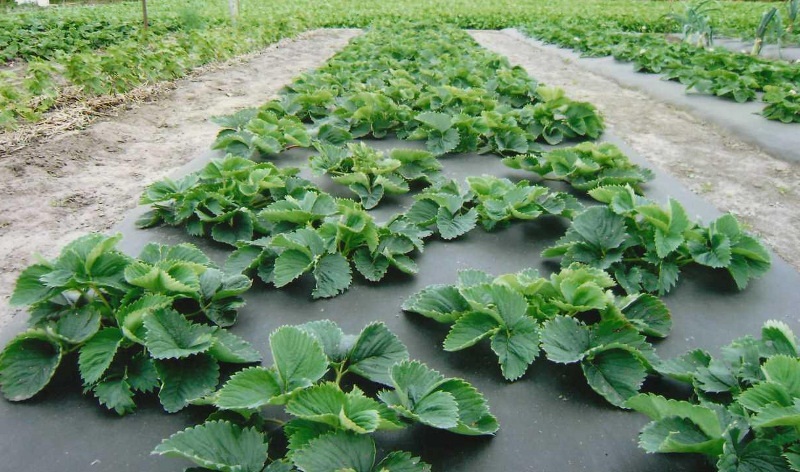
The seedlings should be well watered in the planting area. Further cultivation of strawberries is carried out using a moisture meter and a drip irrigation system. These devices allow for the regulation and even distribution of moisture. Once fruiting has ended and the tunnels have begun, the plant leaves are cut back, and the bed is covered with straw or other mulch. The agrofibre is not removed for the winter, as the material will last for several more years.
Growing indoors
Like any everbearing strawberry variety, the Albion strawberry can be grown indoors. Any container can be used for planting, as long as it has drainage holes and is sized to accommodate the seedlings—25-30 cm apart. If you're using a flowerpot, it should hold at least three liters—a container this size can accommodate one plant. The best time to plant seedlings in pots is March and early April.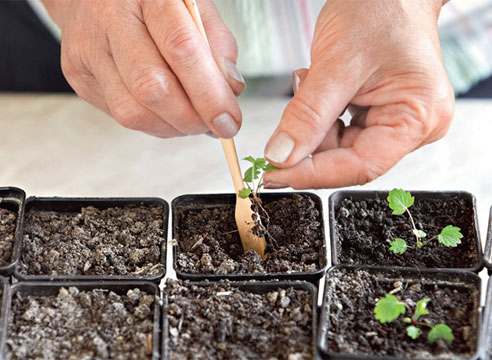
As already noted, this strawberry variety is easy to care for and can delight you with fresh berries from late May until the winter cold. However, indoor yields directly depend on proper care. All indoor plants require is regular watering and fertilizing. Watering should keep the soil slightly moist, but not wet. Fertilizer should be applied approximately once every 2-3 weeks, alternating between mineral and organic fertilizers.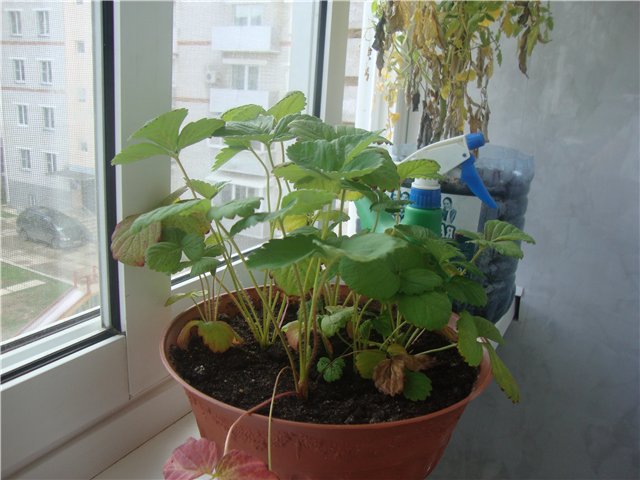
Hydroponics (without using soil) is a common practice at home. To do this, fill pots with a permeable and highly porous material, preferably coconut fiber. Fine gravel, expanded clay, or mineral wool can also be used. The method involves placing the plant's roots in a moistened substrate and feeding them exclusively on an aqueous solution containing mineral fertilizers. Hydroponics is an excellent option for growing strawberries in regions with hot climates and nutrient-poor soil.
Reproduction
There are several ways to propagate the Albion strawberry variety, but the most convenient and effective is, of course, using runners. In midsummer, when the rosettes have grown, they should be rooted (pinned) to the soil near the mother plant and rooted. Once they take root, which will happen very soon, the runners can be trimmed. Young seedlings in their first year usually produce flower stalks—a characteristic feature of all everbearing varieties. However, since fruiting is not recommended at this stage, all flowers should be removed as they appear. This will allow the bush to strengthen and produce a full harvest the following year.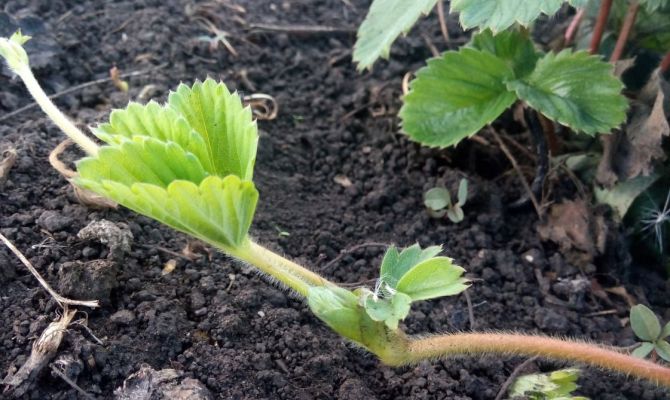
It should be noted that the Albion garden strawberry produces few runners, so if there are not enough seedlings, you can resort to dividing the bush or propagating by seed. To propagate by division, select mature (three or four years old), well-developed plants and divide them into several parts based on the number of rosettes. It's important that each new plant has a complete rosette and healthy, well-developed roots.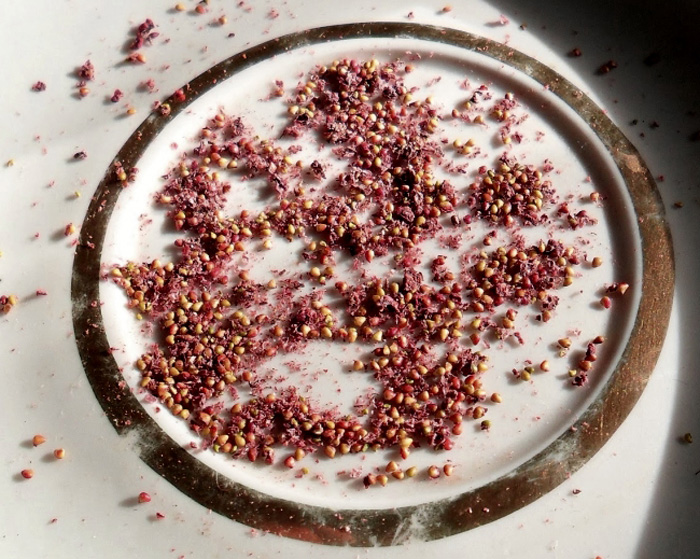
Another alternative method for propagating this variety is from seeds. To grow seedlings from seeds, select the largest, fully ripe berries, mash them, soak them in water, and separate the seeds. It is then recommended to soak the seeds in a growth stimulator for at least 24 hours, then sow them in a nutrient-rich substrate. With proper care, seedlings ready for transplanting will grow in a couple of months. Propagating strawberries this way is time-consuming and labor-intensive, but if successful, you'll get a large number of inexpensive and perfectly healthy seedlings.
Video "Leaving"
From the video you will learn how to care for strawberries.