
Strawberry variety "Alba": cultivation secrets
Content
Characteristic
Let's move on to the variety's description. This plant grows up to 35 cm tall. It has broad, numerous leaves, and their arrangement and flower stalks are convenient for harvesting. The runners develop quite well. The berries ripen around mid-May. This allows for an early harvest, and the flower stalks are rarely affected by spring frosts.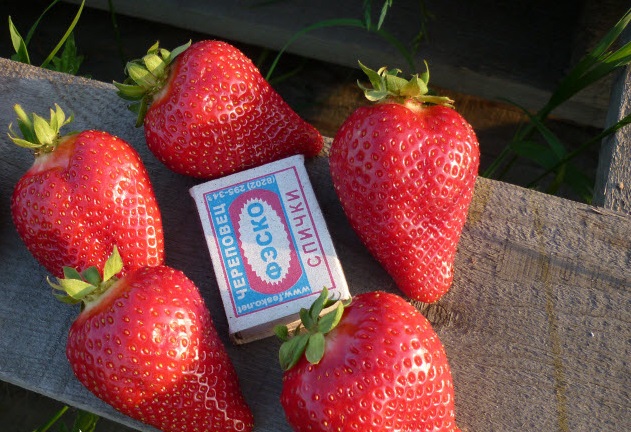
This garden crop can be grown both outdoors and in greenhouses. The Alba strawberry variety is highly frost- and drought-resistant. It has good immunity to most diseases. However, it can be damaged by aphids and weevils.
The berries are quite large and long, a rich red color, cone-shaped. Each berry can weigh approximately 30 grams. The berries have a sweet flavor, with a pleasant aroma and juicy flesh, with a slight tartness. Due to the impressive size of the berries, the yield of this variety can reach approximately 1.5 kg per bush. This equates to 2-3 kg per square meter. The harvest period is quite long, and it has excellent transportability. It is versatile in terms of use – the berries can be eaten fresh, frozen, canned, or used to make delicious jams and interesting desserts. These are, in brief, the characteristics of this relatively new variety of this beloved berry in our country.
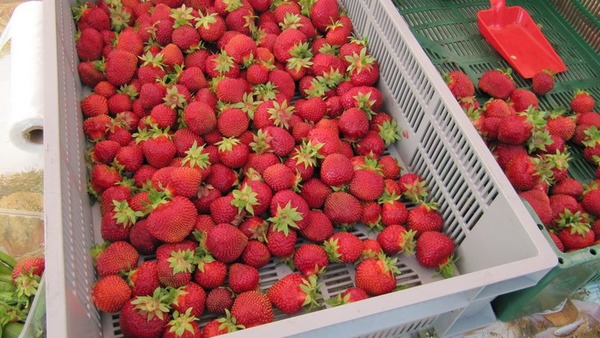
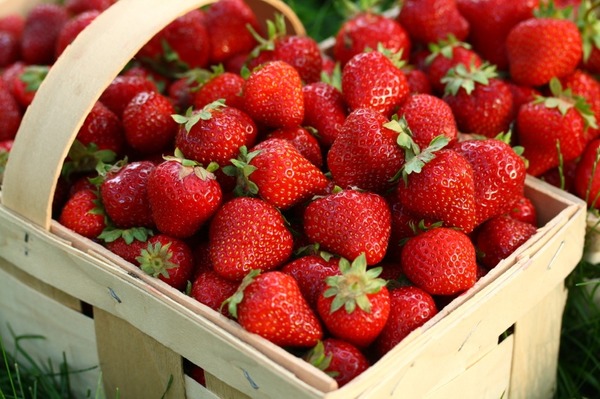
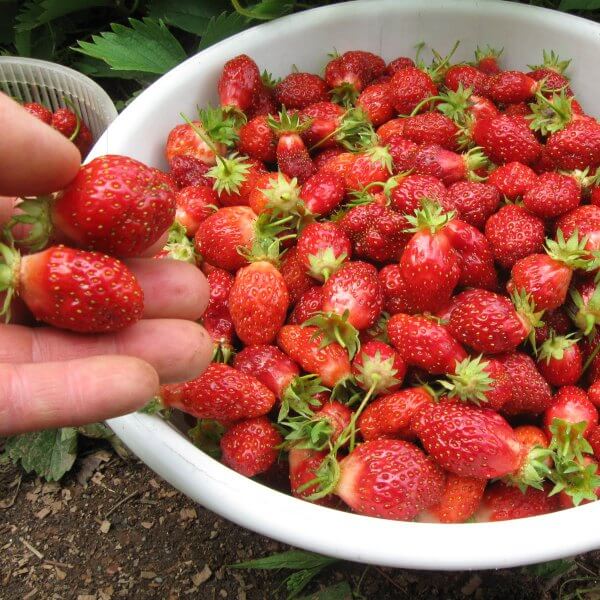
Video: "Description of the Alba Strawberry Variety"
From the video you will learn the characteristics of this strawberry variety.
Landing
In open ground, it is recommended to grow this crop under plastic. Before planting, the soil must be dug, loosened, and supplemented with organic matter and mineral fertilizers. Planting can be done from early spring to late fall. It's best to do this before frost sets in so the plants have time to establish and thrive. Planting in rows is recommended, with no more than 15-20 cm between plants. Between rows, 35-40 cm is recommended.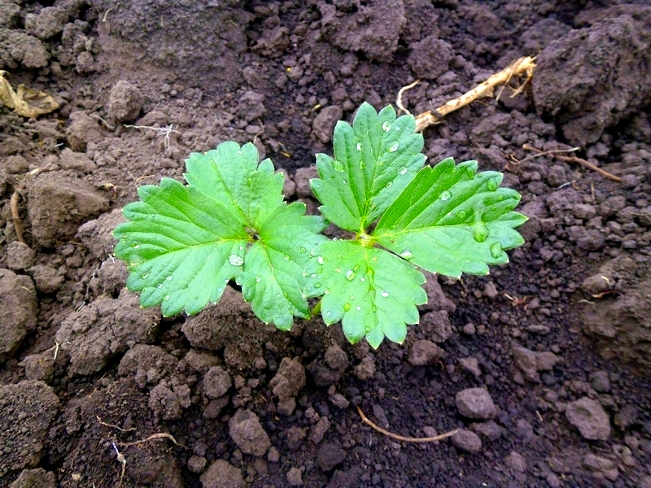
Planting this strawberry variety on non-woven fabric has proven effective. After marking the bed, create appropriately sized holes. Fertilize the seedlings, although this is optional. Water the plants thoroughly. When planting, ensure the runners are vertical. The soil should be level with the ground surface. Avoid burying the growing point. If you neglect this recommendation, the survival rate of the runners may be as low as 10-15%. Once planting is complete, water the plants again.
Care
Proper care for this type of strawberry includes timely watering, applying specific fertilizers, weeding, and loosening the soil. How often should you water? It's best to water as the soil dries out.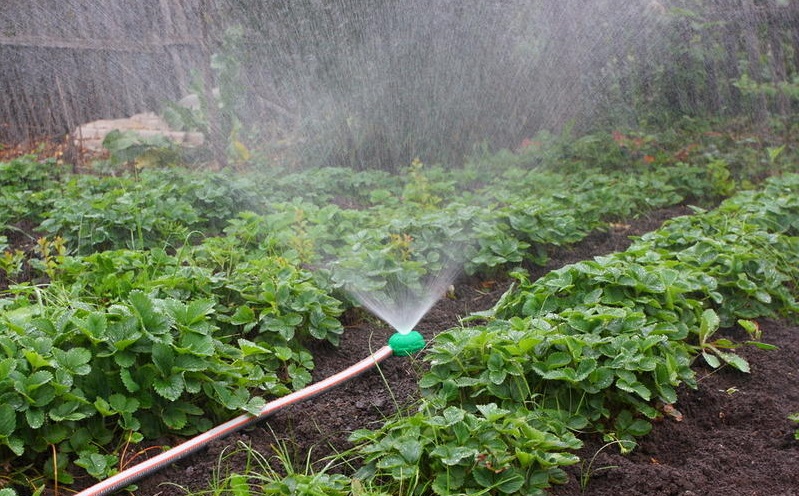
Alba strawberries respond equally poorly to both overwatering and dry soil. If watering is improper, the plant can become susceptible to fungal or infectious diseases. High-quality mulch, typically made from grass clippings, hay, or straw, will help maintain and maintain the required moisture level.
If you don't have suitable materials or non-woven fabric on hand, you should loosen the soil regularly. This will help break up the soil crust and ensure adequate oxygen supply to the shrubs' root system, which is essential for active growth and full development.
Top dressing
All experienced gardeners know the importance of fertilizers when growing crops on their own plots. Of course, you can get by without them. But to achieve high yields and beautiful, delicious berries, it's best to apply fertilizers according to all the rules. Experience shows that alternating organic and chemical fertilizers works well. In any case, the choice of organic or mineral supplements, as well as the possibility of using them alternately, remains at the gardener's discretion. Fertilizing is recommended in four stages. This is best done at planting, in the spring when the first leaves appear on the bushes, after fruit set, and in the fall, when preparing the crops for the upcoming winter.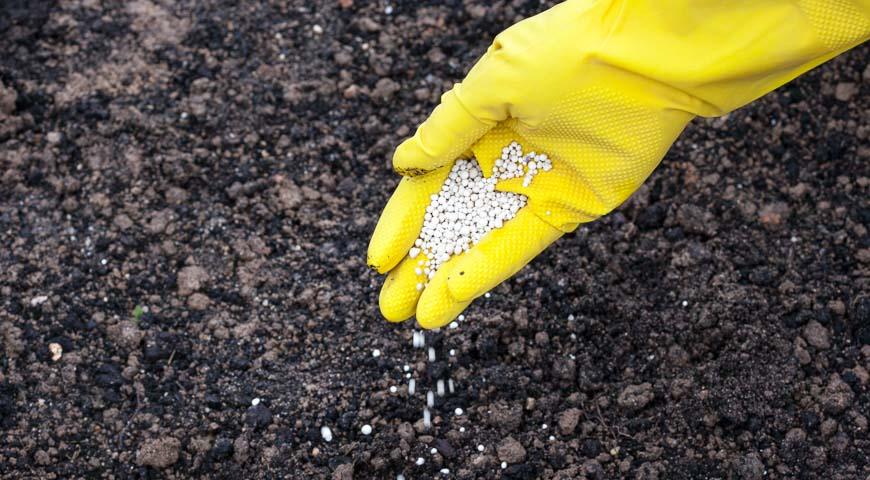
When planting, it's common to use several tried-and-true mixtures. One popular one is the following: Place one handful of compost, one tablespoon of superphosphate, and one-quarter cup of wood ash in the hole. You can also feed the future plants with a handful of compost, adding 15 grams of potassium salt and urea, and 30 grams of superphosphate.
In spring, add fertilizer containing sufficient nitrogen to the soil, which is essential for the bushes. It should be diluted in water. Water the roots. Carefully read the instructions before beginning. Avoid applying too much nitrogen to the soil. Otherwise, it can encourage foliage growth at the expense of the berries. Fertilize the plants again during flowering. This can also be done during fruit set. Ash and potassium nitrate are recommended. The last time to apply fertilizer is in late August or early September. At this time, it is recommended to purchase special gum fertilizers or high-quality complex fertilizers rich in minerals.
Video: Planting and Growing Strawberries
This video will show you how to properly plant and grow strawberries.