
Characteristics of yellow potato varieties with yellow flesh
Content
Varieties
Potato varieties with yellow flesh are very popular among gardeners. This color is due to the large amount of beta-carotene in the flesh. It also contains approximately 12–16% starch and vitamin C. As a result, the potatoes become soft and sweet after cooking. They are not at all bitter. Because of this, yellow-fleshed table potato varieties are the most commonly grown.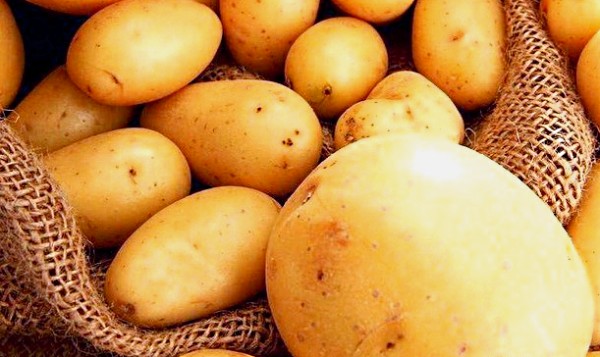
The tubers, with yellow flesh, can be oval or round in shape, with small eyes located on the surface of the skin.
These varieties are characterized by excellent cooking and excellent flavor. However, these characteristics may vary slightly depending on the variety.
Adretta
A popular potato variety with yellow flesh. Before this variety's arrival, all other yellow varieties were considered exclusively for fodder and therefore weren't used for cooking. However, Adretta sparked a true revolution, forever changing people's attitudes toward yellow potatoes.
This mid-season variety is characterized by early tuber formation. It was developed by German breeders. It is clearly intended for table use. It forms upright bushes with light green leaves.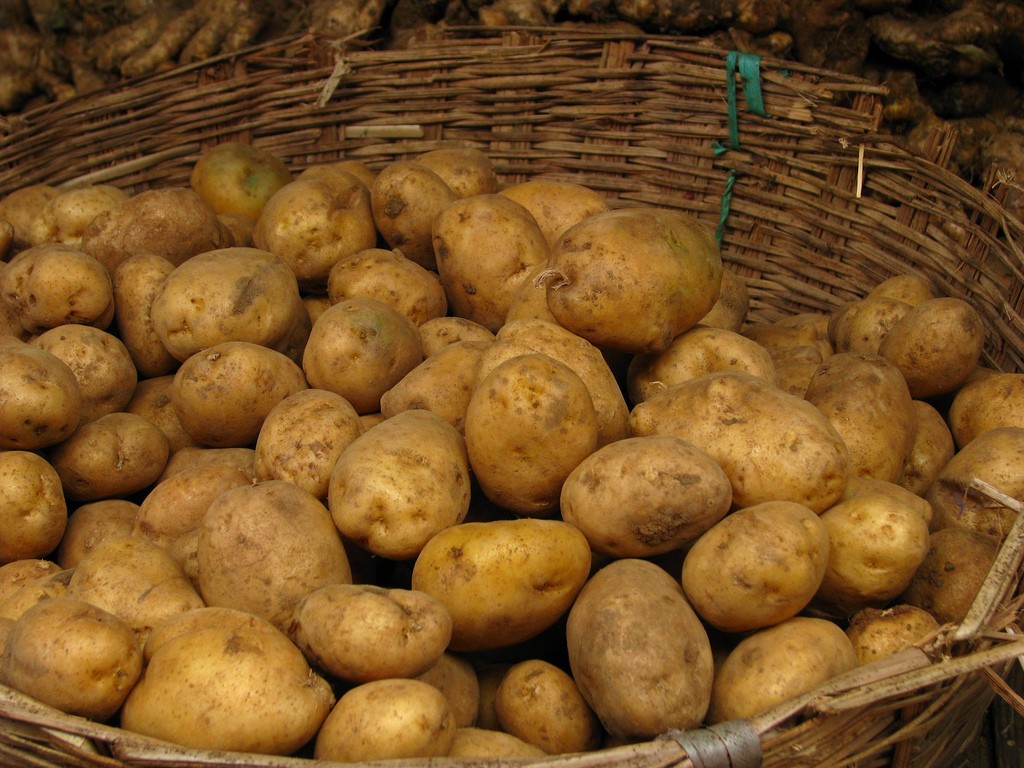
Adretta tubers are oval-shaped. They are covered with a brown rind with small eyes. The average tuber weight is approximately 100-150 grams. During the growing season, the pulp accumulates a large number of beneficial microelements, as well as B vitamins. Because of this, these roots are often used in folk medicine to prepare remedies for vascular and heart diseases.
Adretta tubers are most beneficial when boiled, especially in their skins. If the potatoes are frozen, their flavor will be sweeter. It's worth noting that the flesh of the tubers does not darken during processing or slicing.
Another characteristic of this variety is its good resistance to many diseases (especially late blight and viral pathogens). With proper care, the plants are rarely attacked by pests.
Anosta
Anosta is a Dutch, early-ripening variety that has thrived in the CIS. Harvest occurs approximately 55-65 days after the first shoots emerge. The growing season lasts approximately 80-90 days.
The tubers of this variety are perfectly rounded and light yellow in color. On average, one potato weighs approximately 70-140 grams. They contain approximately 1.3-1.9% protein, and their starch content ranges from 12.7-15.0%.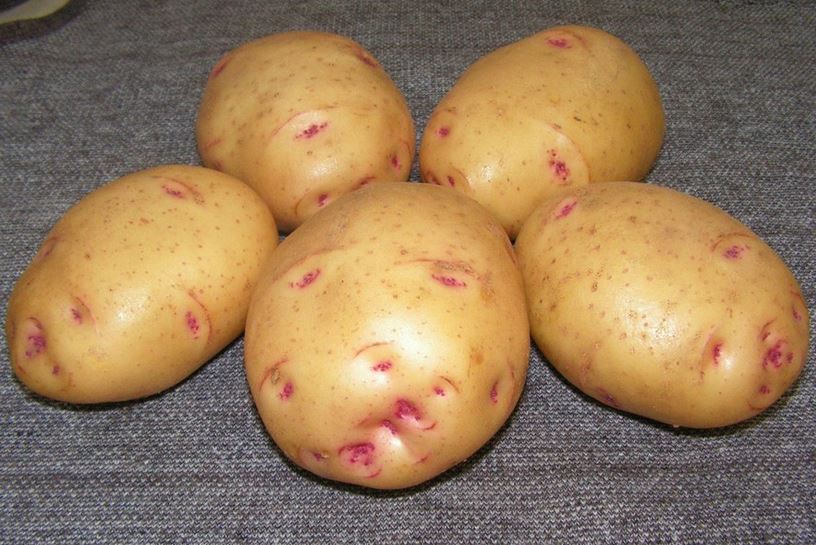
The flesh has a mild flavor. As a result, these roots are not recommended for side dishes due to their ambiguous taste. However, they are excellent for making chips. Despite this, this variety is intended for table use.
The yield is above average, and the tubers have excellent shelf life.
A clear drawback of this variety is the low resistance of the tops to late blight. However, the tubers have only moderate immunity to this disease. The bushes have good resistance to viral diseases, as well as common scab. Moreover, the plants are resistant to canker. Furthermore, potato plants are rarely attacked by nematodes.
Impala
Another early-ripening table potato variety is the yellow Impala potato. This variety is very popular in our country due to its high and consistent yield. With proper agricultural practices, one hectare can yield approximately 550-620 centners. Impala is often grown in the southern and central regions of the country.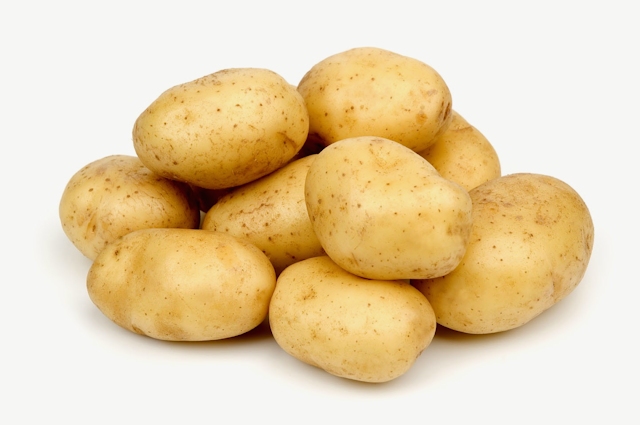
The yellow tubers are covered in a similarly colored skin, scattered with small eyes. On average, a single potato weighs about 90-150 grams.
Among the advantages of this variety, it is worth noting good storage of the harvest, as well as high plant resistance to the golden potato nematode and cancer.
Amorosa
Amorosa is an interesting yellow potato variety. It's a table variety characterized by mid-early harvesting. Amorosa boasts high yields, while its tubers have excellent marketability and delicious flavor.
This variety of potato is characterized by an elongated oval shape. The tubers are large, covered in red skin with yellow flesh underneath. It has a dry matter content of 19.5%.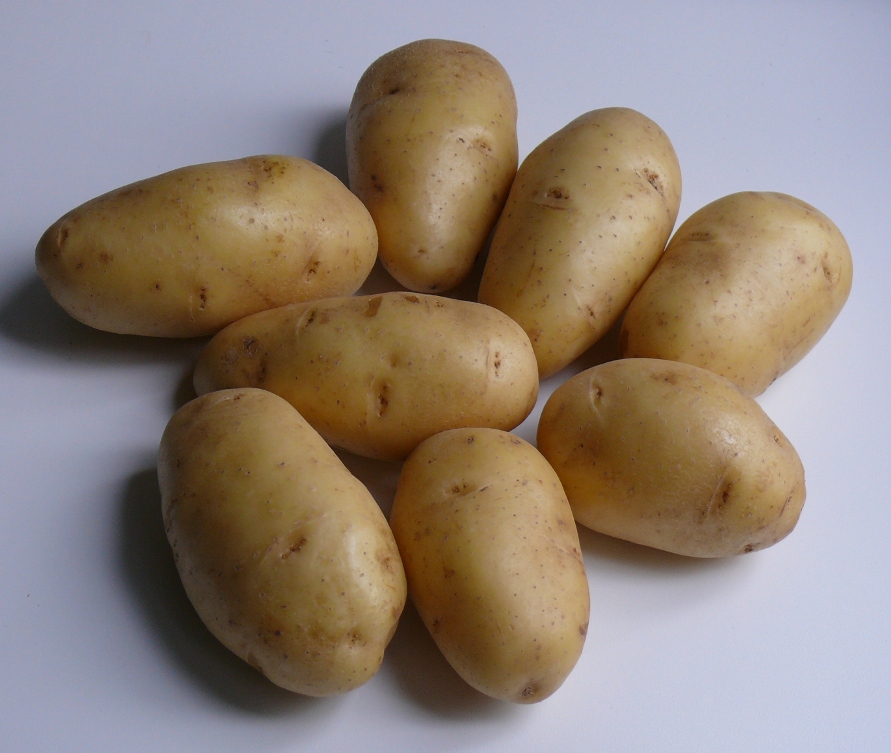
In terms of immunity, Amorosa is resistant to nematodes and leaf curl, as well as tuber blight. It also has moderate resistance to common scab. However, the foliage of the bushes has low immunity to late blight.
Marthon
Marfona, a potato variety often grown in our country's gardens, is a mid-early variety used for table purposes.
The harvest consists of uniform tubers that have excellent marketability. The eyes on the yellow skin are located at a medium depth. The potatoes are oval in shape and large. The flesh is light yellow, with a dry matter content of 18.7.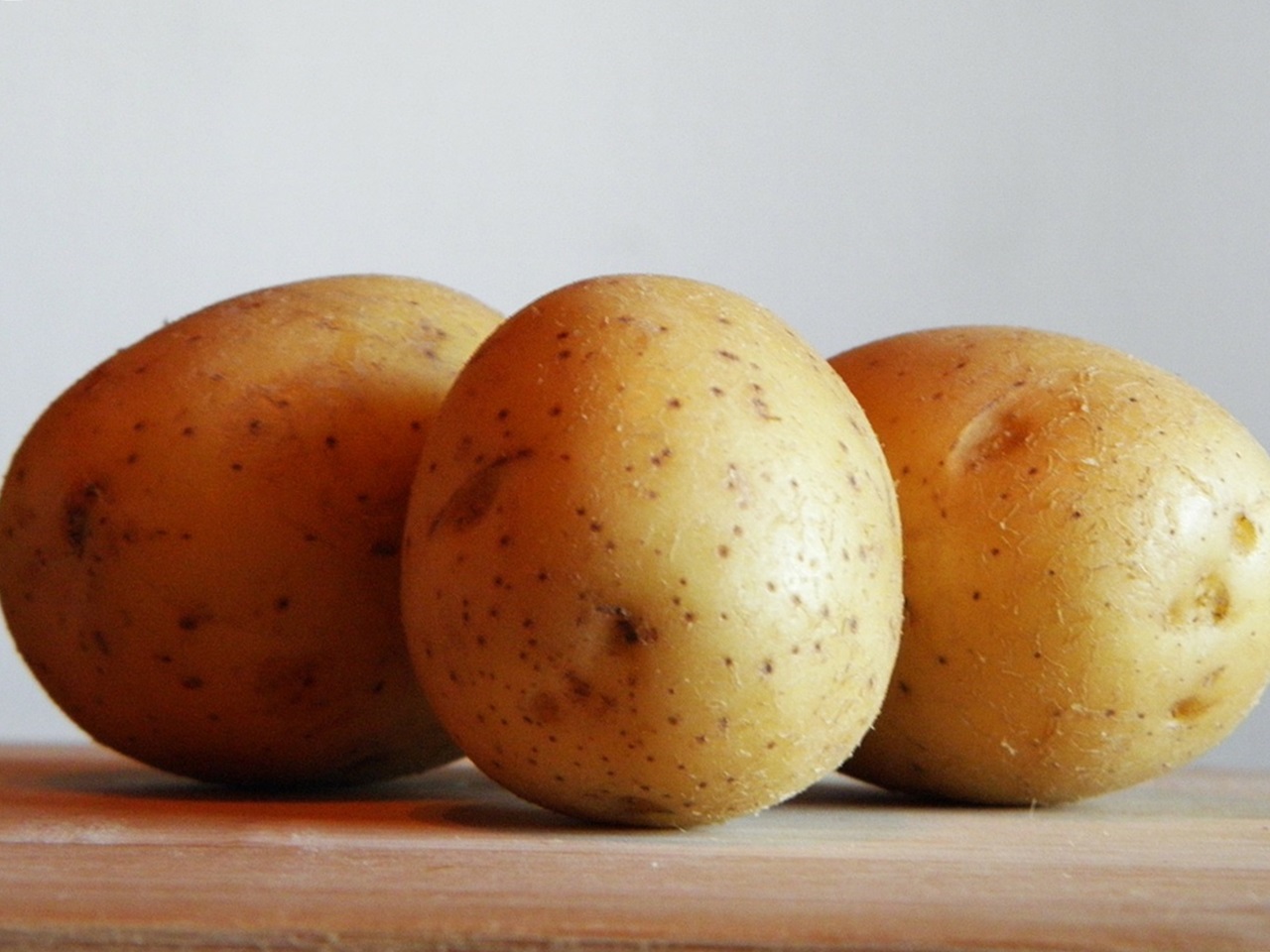
The advantages of Marfon include the following points:
- plants tolerate heat well;
- tubers are stored well;
- the bushes are highly resistant to various mechanical damages;
- the potatoes do not become overcooked during the cooking process;
- The plants have high resistance to late blight and viral diseases. However, immunity to leaf curl and common scab is moderate.
Among the disadvantages, it is worth highlighting the low resistance of bushes to potato nematode.
Odysseus
The yellow Odyssey potato is often grown in the Central Black Earth and Central Russian regions. The tubers are round-oval in shape, covered with a yellow skin, beneath which lies the yellow flesh. The yield per hectare is approximately 300 centners.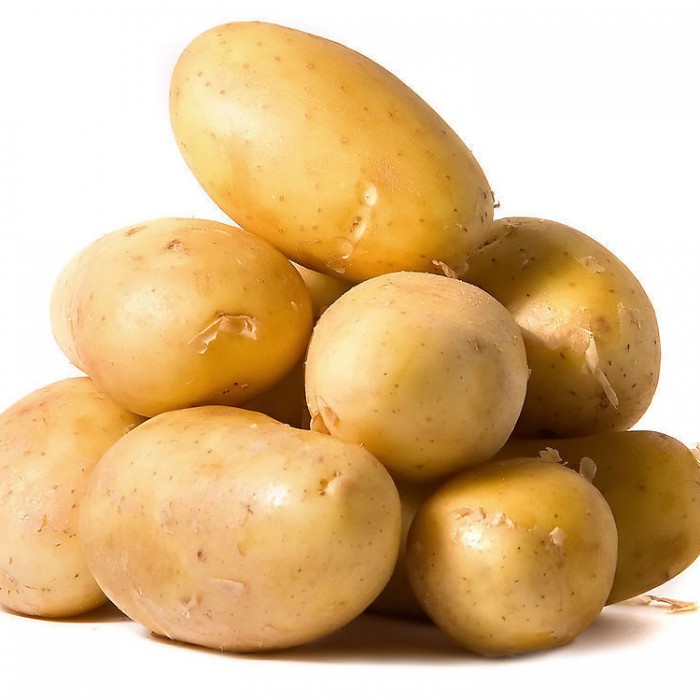
Yellow and yellow-fleshed potatoes are often chosen for French fries, mashed potatoes, and jacket potatoes. Odyssey potatoes are also widely used in soups and potato pancakes. This versatile culinary use is due to their excellent flavor and resistance to browning during processing.
Odyssey has comprehensive resistance to a wide variety of potato diseases.
Video: Choosing a Potato Variety
This video will show you how to choose the right potato variety.
Which one to choose?
Potato varieties have widely varying flavor characteristics, growing conditions, and care requirements. To select the right variety, consider the following parameters:
- growing conditions;
- disease resistance;
- productivity;
- Growing purpose. According to this criterion, potatoes are divided into the following varieties: table potatoes (containing up to 18% starch), industrial potatoes (containing over 16% starch), fodder potatoes (containing a lot of starch), and universal potatoes (containing 16-18% starch).
According to their intended purpose, table potato varieties are divided into the following categories:
- A – suitable for making okroshka and salads;
- B – tolerates frying and boiling well (does not boil over);
- C – cooks well. Suitable for serving whole;
- D – potatoes that cook very well. Suitable for mashed potatoes and baking.
-
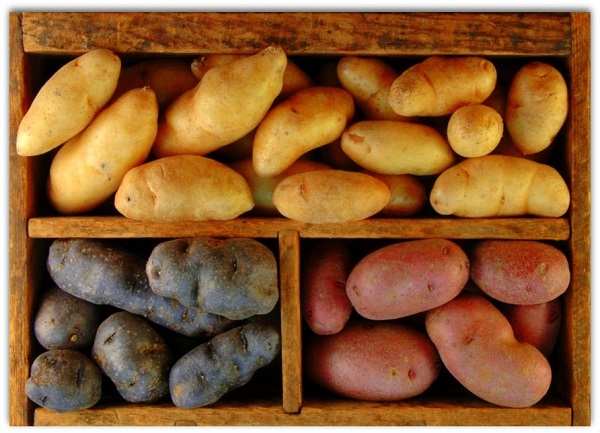
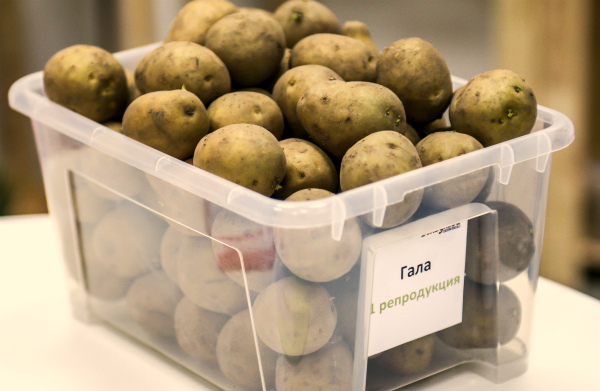
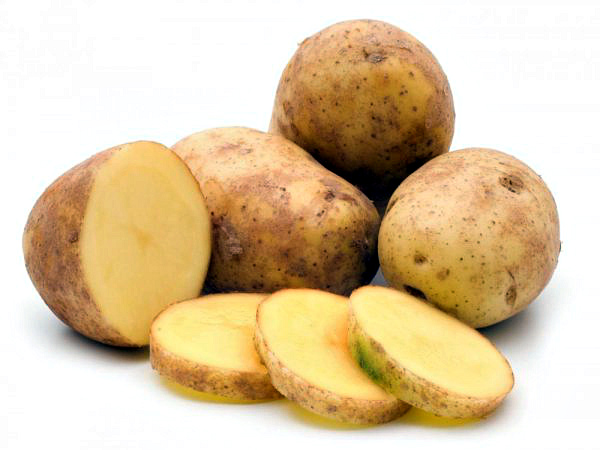
When choosing a yellow potato variety for growing, it's important to first evaluate its taste characteristics. After all, all these varieties are varietal.
To grow yellow potatoes in your garden, you need to follow the same farming techniques as other varieties. Yellow potatoes are especially suitable for preparing a variety of culinary delights.
Video "Secrets of Growing Potatoes"
This video will show you how to grow potatoes for a good yield.