
Potato varieties resistant to late blight: description and control measures
Content
Description of the disease
Late blight develops in plants due to infection by a fungal pathogen. This pest is particularly prevalent on nightshade plants. Tomatoes and potatoes are most often attacked by the fungus.
The bacteria trigger the development of intercellular mycelial growth in the leaves. As tissue dies, numerous dark spots appear on the leaf. In high humidity, these growths turn black and begin to rot.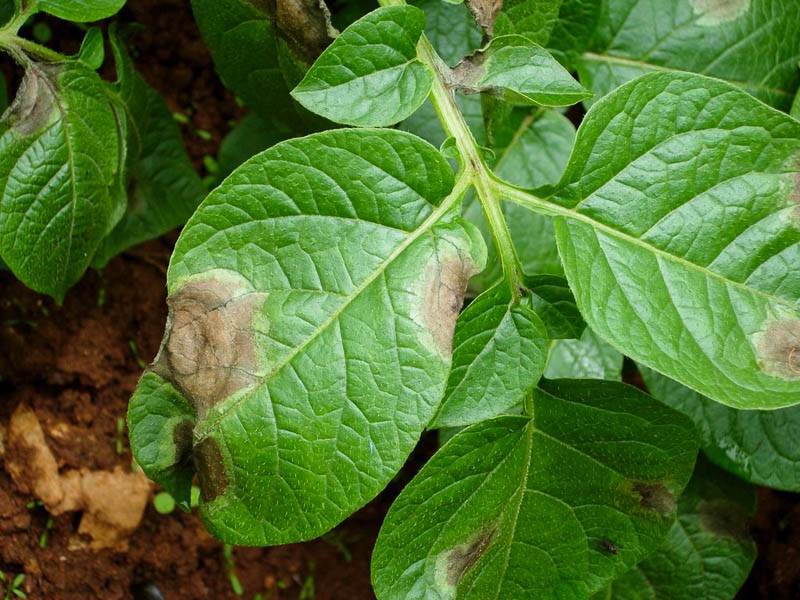
Over time, sporangiophores—specific growths—form on the mycelium. In high-humidity conditions, these growths cause a white coating to form around dark spots on the undersides of leaves. Zoosporangia form at the tips of the sporangiophores, which break away and are carried over considerable distances by wind and rain. When the sporangia fall into water droplets on the leaves of the root crop, they germinate into zoospores. The zoospores eventually penetrate the leaf tissue. Under favorable conditions, the period from infection to growth formation is only a few days.
In severe cases of infestation, the leaf dies completely, and the entire plant may die. Since the above-ground portion of the potato dies, the formation of tubers in the soil is out of the question.
Once in the soil, the sporangia attack the tubers. Severely infected fruits rot during storage, and in cases where the infection is light, it can persist until the next vegetable planting. The disease can be detected on the tubers by careful inspection. Typically, distinct grayish, hard spots form on the potato, which eventually turn brown. A cut beneath the spot reveals rusty, dead areas that extend into the potato like "tongues."
The pathogen can easily overwinter as sexual spores. During dormancy, these spores remain encased in thick-walled membranes. Zoospores can remain throughout the winter either in the soil or on plant debris and tomato seeds.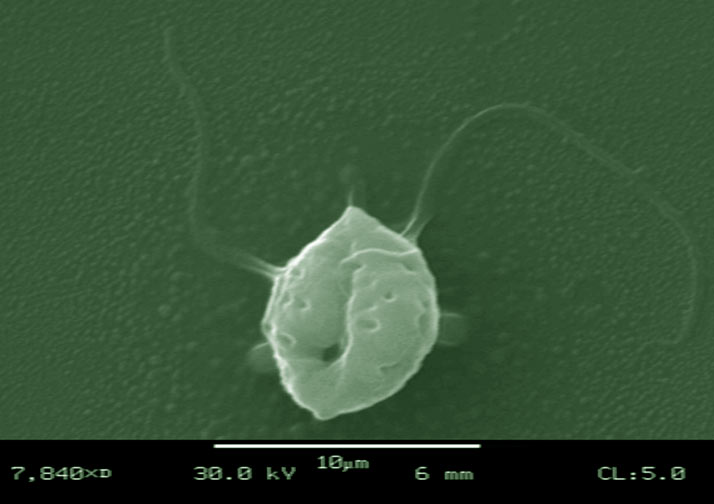
Late blight is the most dangerous, as it triggers the development of a number of other diseases. For example, unhealthy organs can become infected with soft rot and other fungal infections.
Video "Description"
From the video you will learn a description of the disease late blight.
Resistant varieties
One of the most commonly used disease prevention methods is choosing the right crop variety. Potato varieties resistant to late blight are widely available today. These include:
- Zarya is an early variety that is resistant to late blight, canker, and viral and bacterial diseases in addition to late blight. In July and August, the tubers contain large amounts of vitamin C.
- Skoroplodny is an early variety with small eyes. The tubers need to be sprouted before planting.
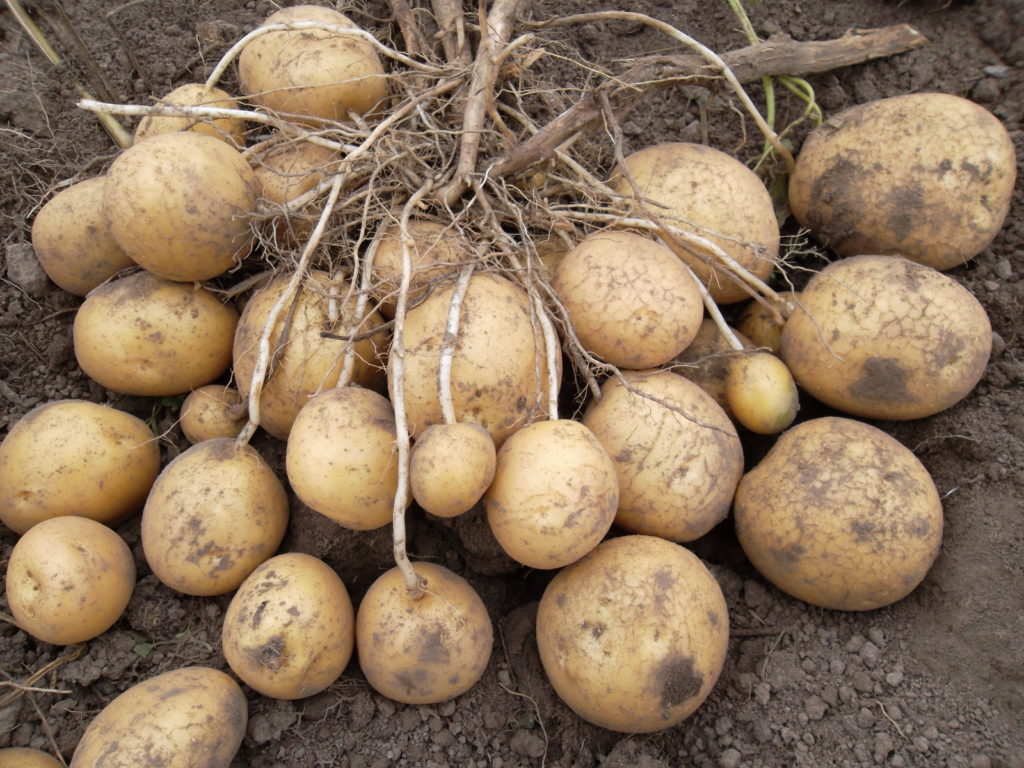
- Udacha is characterized by early ripening fruits and is intended for table use. Udacha tubers are large and resistant to many diseases. Cultivation of this variety is cost-effective. It tolerates both low temperatures and drought well.
- Reserve is a mid-early potato with small eyes. It has crumbly tubers and is resistant to drought and excessive moisture.
- Nevsky is a mid-early variety with beautiful tubers. Many prefer Nevsky for its excellent flavor and low waste. It also stores well.
- Golubizna is a potato variety characterized by medium ripening times. It is highly resistant to late blight. Cold temperatures do not pose a threat to this variety.
- Lugovskoy is a mid-season variety. The fruits are crisp. It stores well and requires regular tillage during cultivation.
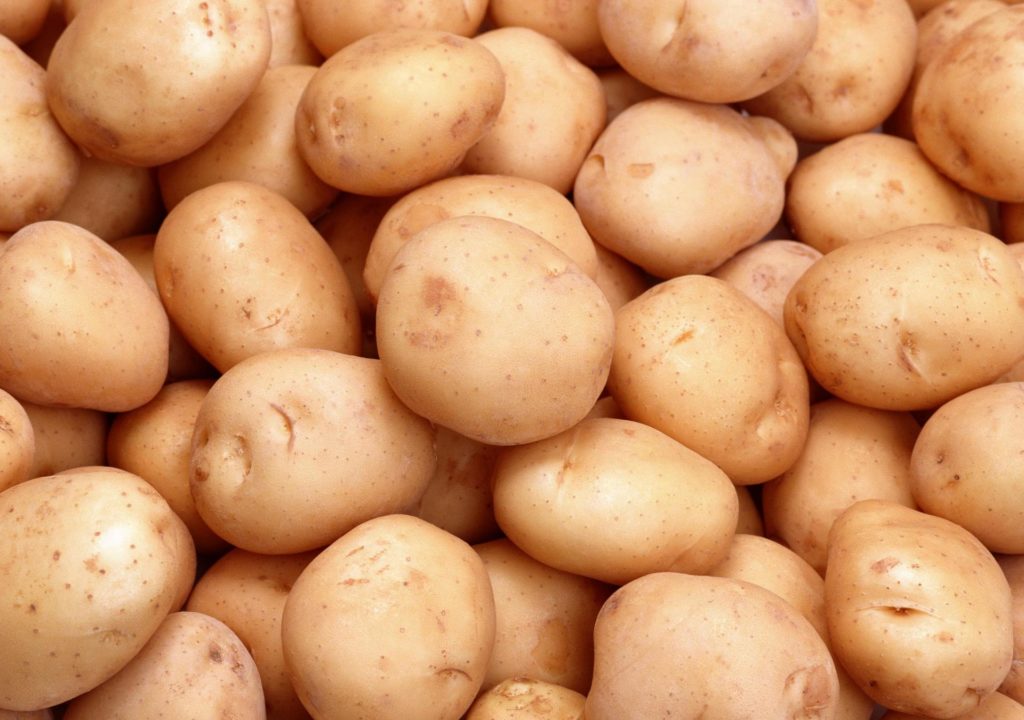
- Timo is an early, high-yielding variety. It is resistant to late blight, as it ripens before it appears.
- Nida is a mid-season variety. It is resistant to late blight and nematodes. However, it does not tolerate drought or excessive moisture.
Timing of infection
Usually, late blight actively attacks potatoes in mid-summer.
The first signs of the disease appear in susceptible varieties of the plant. Varieties such as Sineglazka and Chugunka provide a favorable breeding ground for bacteria, which then attack the entire planting.
Dutch varieties were actively cultivated several years ago. They proved susceptible to the disease, making it difficult to harvest a bountiful crop.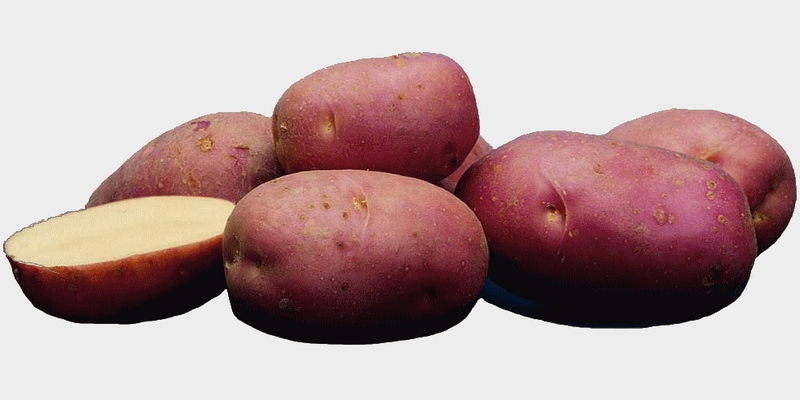
In varieties that are less susceptible to the disease, infection usually occurs, on average, half a month later. This delay in infection allows for preliminary spraying and the subsequent harvest to be saved. Thus, if a gardener observes the first signs of the disease in other varieties, they can implement timely preventative treatment for potatoes, which are susceptible to the disease in August rather than mid-summer.
Control measures
To prevent late blight, practice crop rotation. This means avoiding planting potatoes in a plot previously occupied by the same crop. If your plot doesn't allow for constant replanting, at least plant green manure (radishes, mustard, and legumes) after the early harvest. After harvesting the late tubers, replace them with winter rye.
Only healthy seed should be planted. Disease-resistant varieties are preferred. It's recommended to treat the seedlings with Maxim before planting.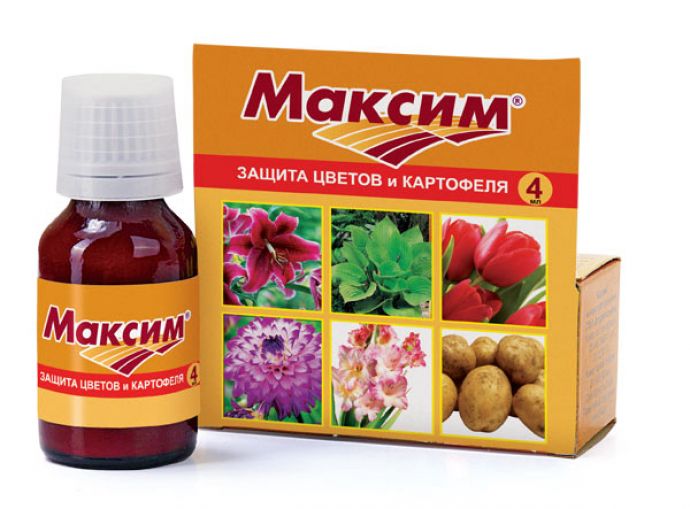
Avoid planting in low-lying areas or areas that are too shaded. Avoid overcrowding. To ensure adequate ventilation, constantly monitor for weeds and remove them. The less water retained on the leaves, the less likely it is to develop late blight.
For preventative purposes, it's advisable to spray plants before the first symptoms of the disease appear. Treatment immediately after spotting the infection is usually pointless. Therefore, the first step is to pay attention to the foliage. As soon as it begins to close, spray immediately.
Gardeners often spray once or twice. However, for susceptible varieties, double fungicide treatments won't help. This only buys time during a massive infestation. However, by spraying resistant varieties twice, disease infestation can be completely avoided.
To protect plants that aren't immune to the disease, they need to be treated with a fungicide four times. That's why it's important to choose potato varieties resistant to late blight when planting. This will save you time in the future.
It's easy to buy resistant tubers for planting in specialized stores or at seed sales points at the market.
It's worth noting that late blight spores remain viable in moist soil for several weeks. In the presence of moisture, they infect tubers during harvesting or storage. Therefore, it's best not to harvest potatoes during rainy weather. After digging, they must be dried immediately. Aeration should be performed over the next 10 days at temperatures between 10° and 200°C.
So, in order to protect your potato crops from late blight, it is easiest to choose disease-resistant varieties for planting.
Video "Varieties"
From the video you will learn about the varieties that are most resistant to the disease.