
Tuleyevsky Potato Variety: Description and Growing Features
Content
Description of the variety
The "Tuleevsky" potato variety was developed by breeders at the Kemerovo Research Institute of Agriculture and named in honor of the regional governor, hence its nickname, the Governor's Potato. It was added to the state register in 2006. This mid-early variety boasts remarkable resistance to adverse climatic conditions and the most common diseases. It is resistant not only to most pests but also to diseases such as potato wart, scab, rot, early blight, and late blight. However, it is susceptible to the golden nematode.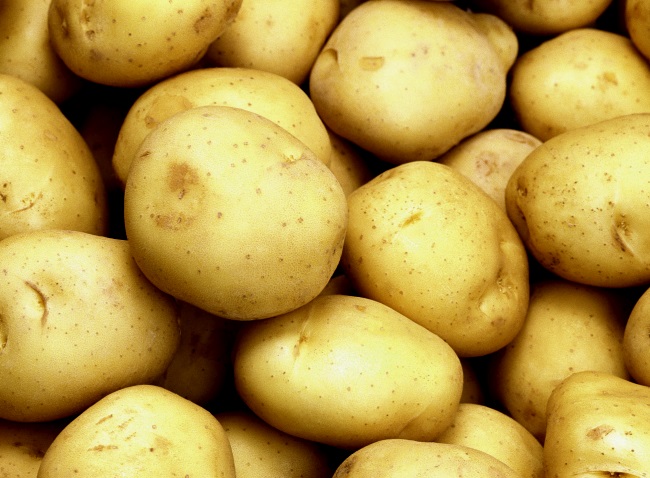
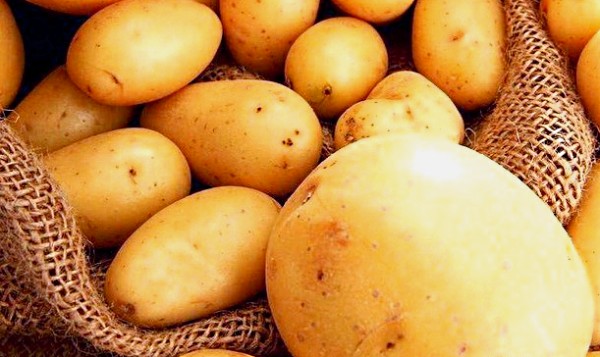
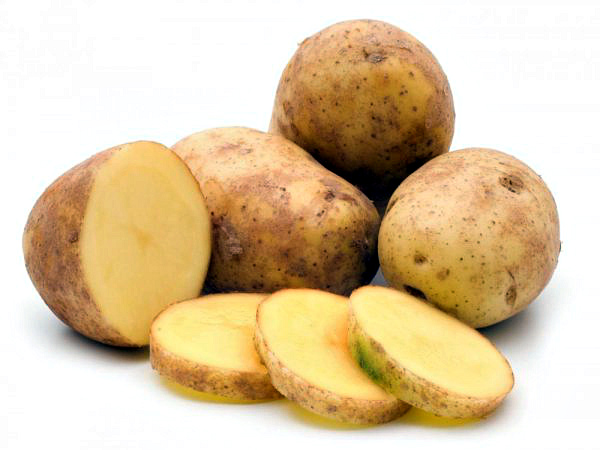
The bush grows compactly, 30–40 cm tall, with dark green foliage. The tubers are oval-shaped, smooth, with a rough, yellow skin, and creamy-yellow flesh. Small, sparse yellow eyes are visible on the surface. A single bush yields up to 7 kg of potatoes. The tubers are almost uniform in size, with small ones rarely being present. The average weight is 250–350 g, but can reach 500 g.
Video: Description of the Tuleevsky Variety
From the video you will learn about the features of this variety.
Economic characteristics
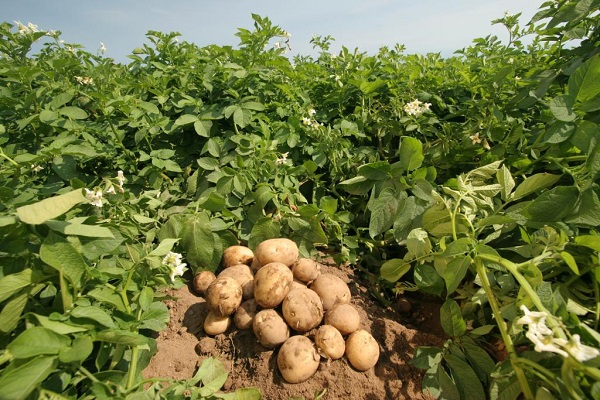
The Tuleevsky potato matures in 2-3 months, reaching marketable maturity 60 days after germination, but the tops wither later, around day 90. It has a high yield: up to 500 kg can be harvested from one hundred square meters, with each plant producing an average of 20 tubers of approximately the same size. The tubers are firm and elastic, have good shelf life, and are easily transported. The starch content is average at 16%, making them equally delicious fried, boiled, baked, or stewed. They hold their shape well, while remaining soft and tender, and exude a rich potato aroma when cooked.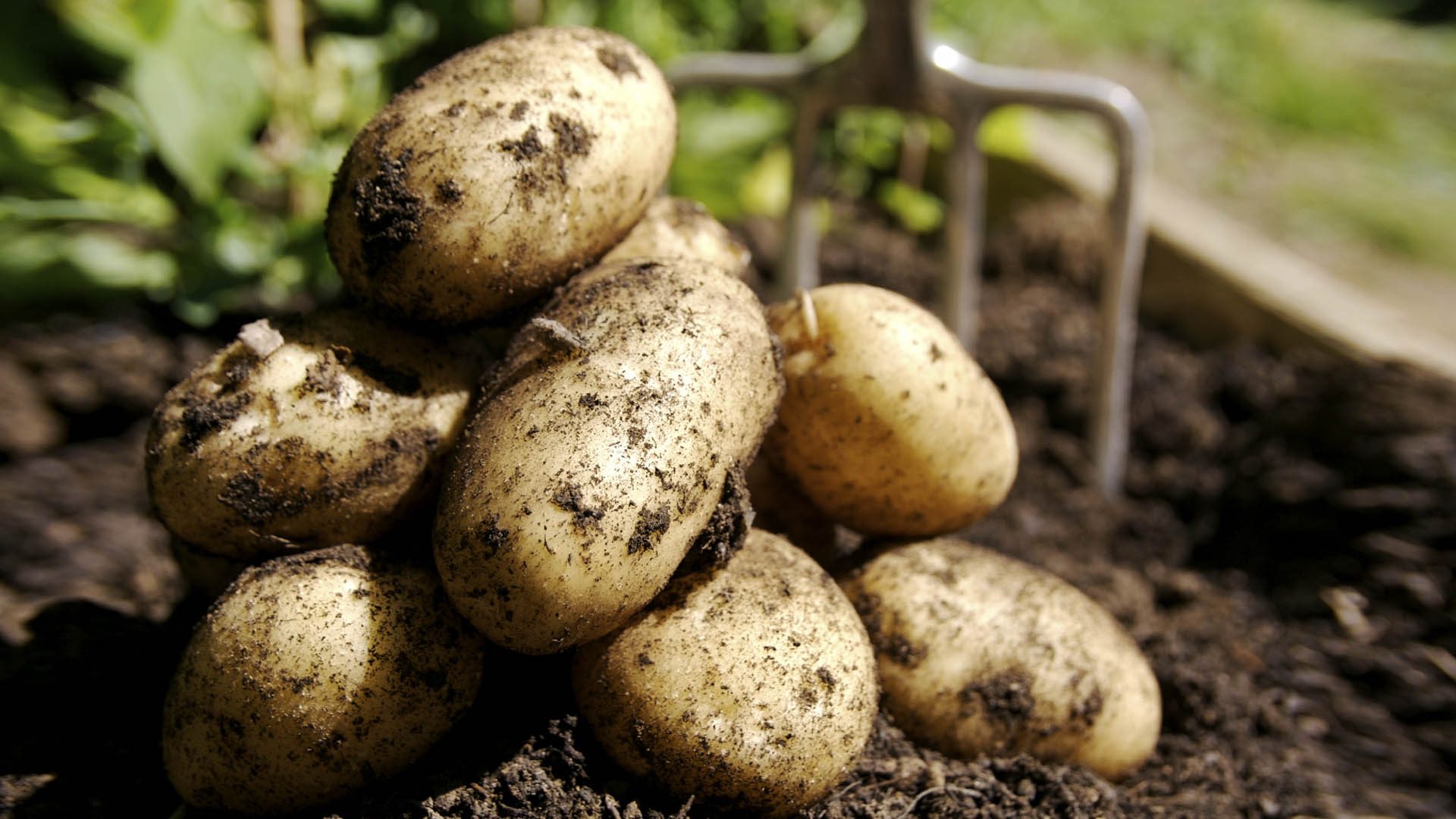
The tubers are shallow, making harvesting a pleasure. They are nearly uniform in size, with very few small ones. The aboveground portion of the plant is also not very tall or spreading, allowing for planting between bushes or trees in the garden when space is limited. They also grow well among currant or gooseberry bushes.
Advantages of the variety
The advantages of this variety include its surprising ease of cultivation – the potato grows well in any soil, requiring no fertilization or even watering. The growers specifically state that chemical fertilizers are unnecessary. If the soil is truly poor or infertile, you can add compost or water with a solution of chicken manure infusion.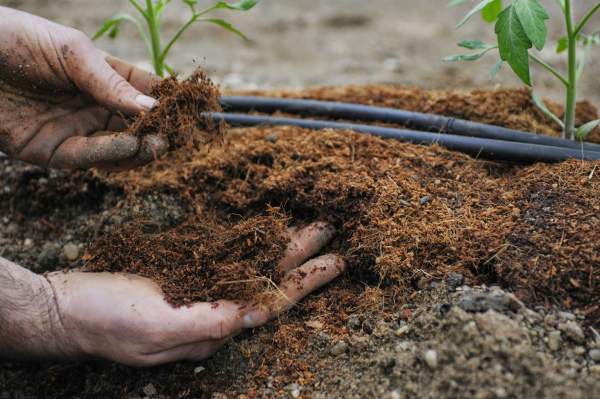
The Tuleevsky potato is undemanding to weather and climate conditions; it can survive significant temperature drops, prolonged drought, or prolonged rains.
This variety is very productive; with minimal cultivation, you can get large quantities of tubers that store and transport well. They are suitable for any dish and have an excellent taste.
Agricultural technology of the variety
Preparing your own seed begins immediately after harvesting, but you'll need to buy it in advance to allow time for preparation before planting. About a month before planting, spread the seed potatoes in a bright room, but avoid direct sunlight. A few days before planting, cut each tuber into several pieces, each with two or three eyes, and expose them to light until the skins become distinctly green.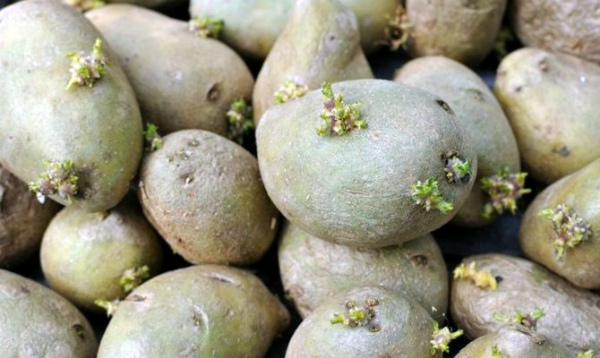
To protect the bushes from wireworms and Colorado potato beetles, sprouted tubers can be treated with special products such as "Prestige" or "Taboo." Before planting, growth stimulants can be applied; these don't just stimulate sprouts; they also strengthen the plant and boost its immune system. You can also use "Emistim" or "Epin-Extra."
In a bed dug twice (in the fall and spring), prepare rows of holes 15 cm deep, leaving 40-50 cm between holes and at least 70 cm between rows. Place rotted grass, compost, or simply thin branches at the bottom of each hole; this cushion will protect the newly developing plant from unexpected frosts. Dip each potato slice in wood ash and place it in the prepared spot, then cover the hole. The ash will repel pests and nourish the roots; the insulation left at the bottom of the hole also provides excellent nutrition.
Hilling should be done three times. The first time, when the shoots emerge above ground, simply cover them completely with soil. The second time, hill the bushes during flowering, doing this carefully to avoid damaging the plant. The third time, hilling is done when the bushes begin to bend toward the ground.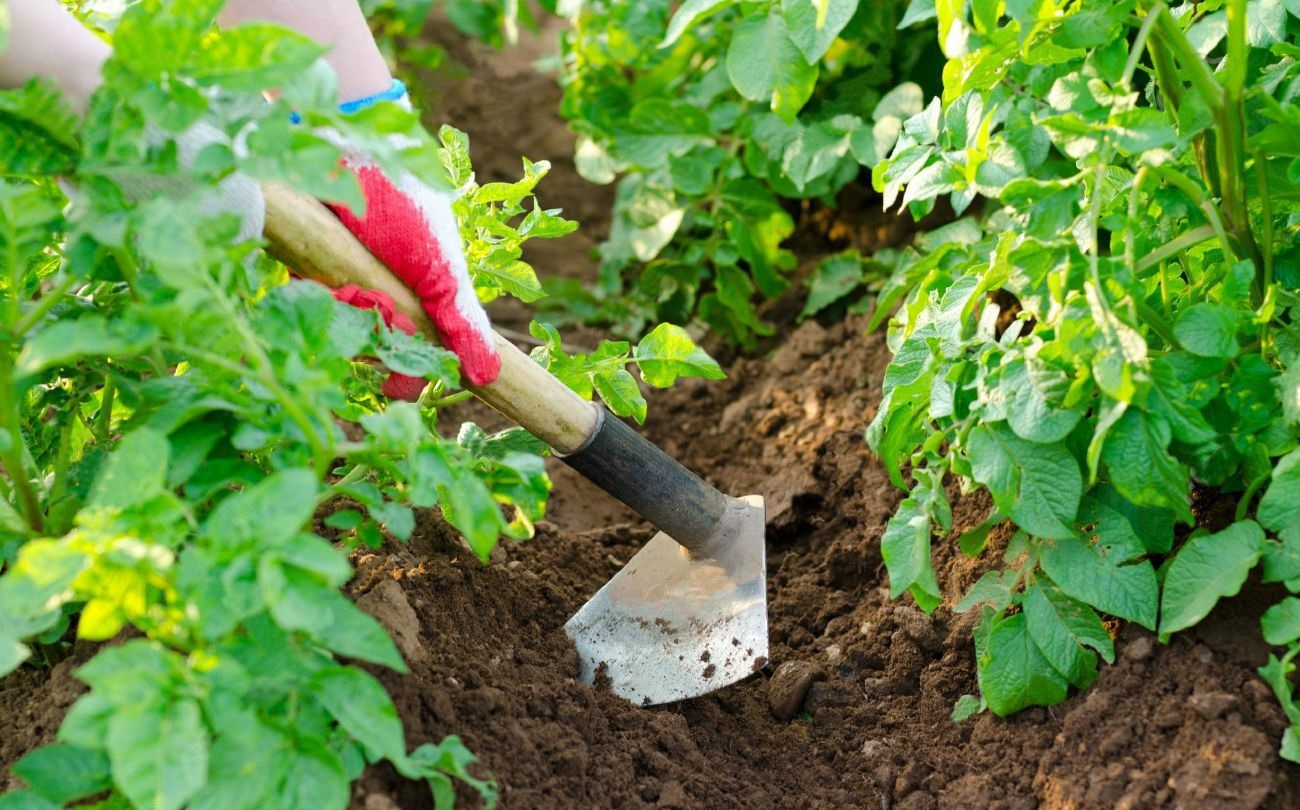
Potatoes shouldn't be fertilized with chemicals, but if the soil lacks boron, the tubers will grow with hollow cores, which will negatively impact their quality and prevent their long-term storage, though this is difficult to predict in advance. A nitrogen deficiency will be indicated by a yellowish pallor of wilted leaves. In this case, between the last two hillings, you can water the rows with a solution of bird droppings (or mullein) infusion; this will restore the bushes' dark green color and firmness.
The harvest is usually collected after the tops have lodged and withered; for the Governor's variety, this time occurs approximately 90–100 days after germination.
Storage
Potatoes intended for seed are left to dry in the light (avoiding direct sunlight) and then stored separately from other varieties and from the portion of the crop intended for consumption. They are stored at a temperature of 3 degrees Celsius and 95% humidity.
If you're concerned about temperature fluctuations or drops, it's worth insulating the potatoes. It's best to place something under the boxes to keep them off the floor. It's also a good idea to cover them with straw or a special covering material.
Video "Secrets of Growing Potatoes"
This video will show you how to grow potatoes to get an excellent harvest.