
Sineglazka Potato: Variety Characteristics, Cultivation, and Care
Content
Characteristic
The Sineglazka potato variety is mid-season. Its tubers begin to form relatively early. This vegetable variety is most often grown in private farms. It is rarely grown commercially.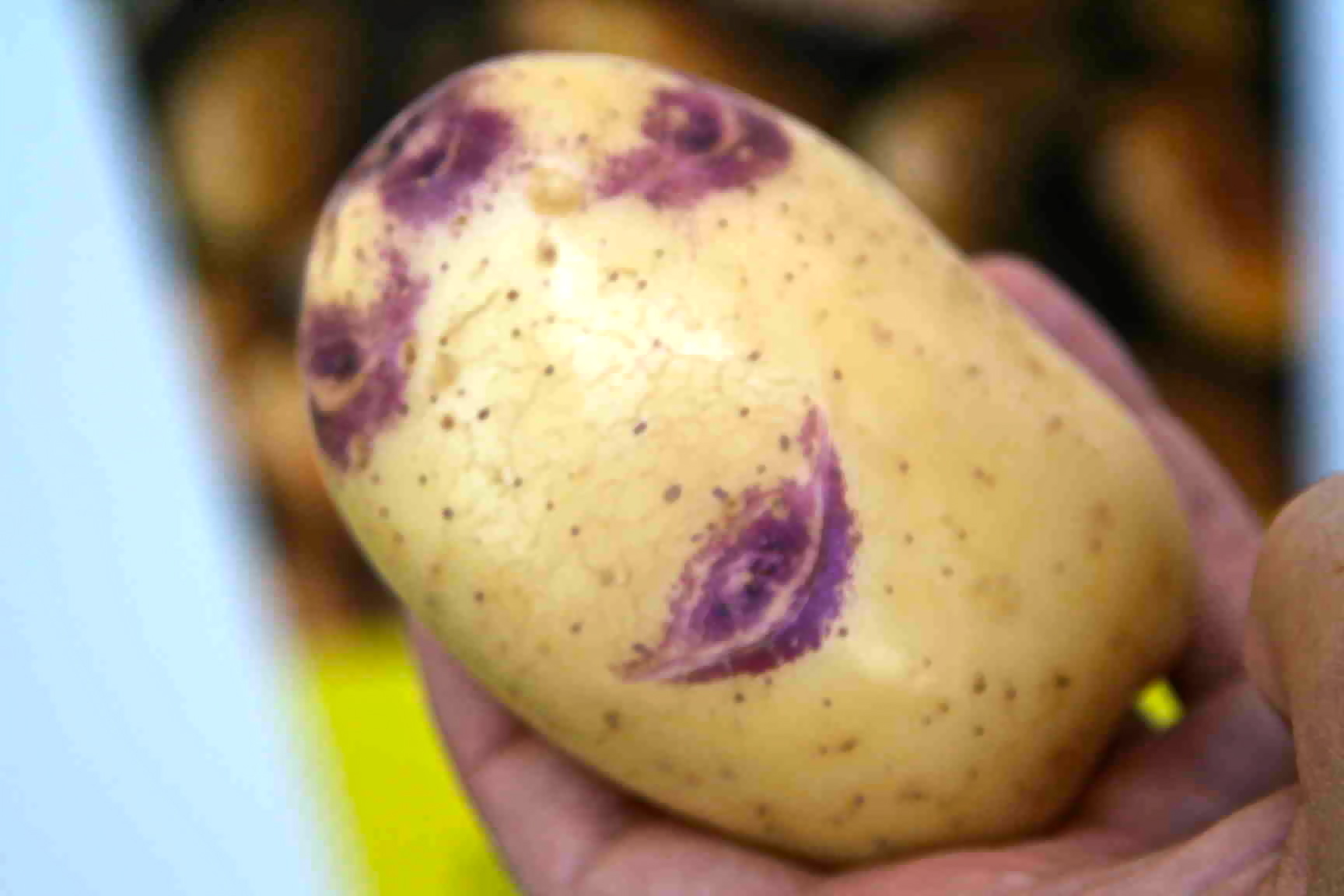
The variety description describes the tubers as large, weighing almost 200 grams each. The shape of the vegetable is oval, slightly flattened. The skin is pinkish-gray with a slight blue tint. The tuber has few eyes, all located on the surface of the fruit and blue in color. The flesh is white and low in starch. However, it is rich in protein, minerals, and B vitamins.
Video "Description"
From the video you will learn the description of the Sineglazka variety.
Breeding a variety
The Sineglazka variety is the end product of crossing a wild and a cultivated potato. This process was carried out in the late 1940s (after the war). This potato was "born" at the Institute of Starch Products of the Soviet Union. The first trials of growing the hybrid were conducted at an experimental station in Smolensk.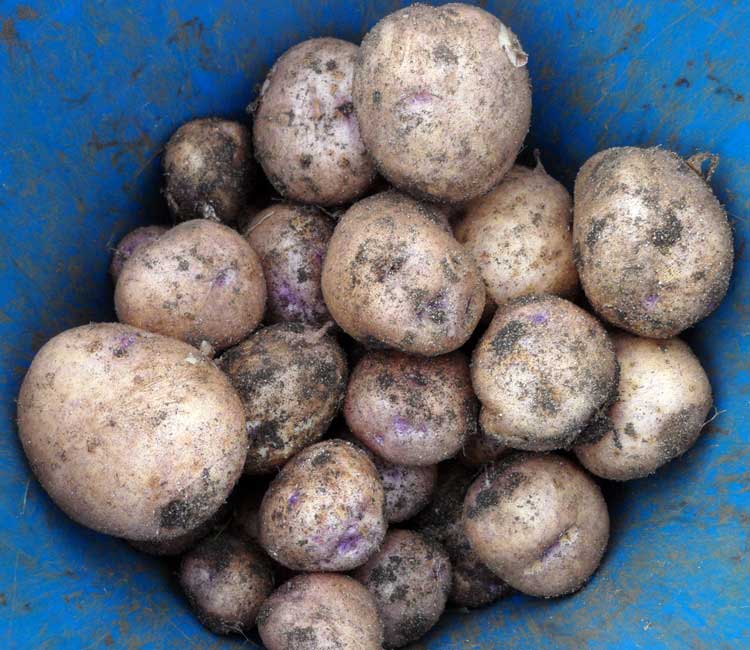
Testing revealed the tuber variety's high yield and ease of maintenance. Therefore, the breeders received permission to propagate and distribute their development. The first to cultivate the crop were Smolensk villagers, summer residents, and gardeners. Experienced gardeners liked the development, so the plant became widespread throughout the country.
Advantages and disadvantages
The characteristics of a potato variety allow us to determine its main “strengths” and “weaknesses”.
In particular, the disadvantages of the variety are:
- The variety was bred for individual cultivation. Hannibal was never used for industrial use. This is due to its poor shelf life. However, small harvests stored relatively well in gardeners' basements and cellars. Because no one is interested in large-scale cultivation of Sineglazka, no efforts have been made to improve the plant. Furthermore, this potato variety is currently not even listed in the register.
- It's practically impossible to find planting material for this variety anywhere these days. The only viable option is to buy tubers from gardeners who actively cultivate the vegetable.
Sineglazka has many advantages. The most important are:
- undemanding to fertilizers;
- High fertility, and therefore, high yields. By growing potatoes correctly, you can provide your family with vegetables for the entire winter;
- resistance to a number of diseases, including late blight.
Growing
Growing this vegetable is quite simple. To reap a bountiful harvest of this potato, its seeds require no pre-treatment or processing. High yields are guaranteed in any case. However, it is still advisable to pre-germinate the tubers in the light. Under these conditions, you can expect excellent results from growing the plant.
To germinate, remove seed potatoes from storage a month before planting. Next, place the potatoes in a dry room with windows. The best germination rates are achieved with diffused light.
It's not necessary to spread the seeds in a single layer. Before planting, it's advisable to sprinkle the seeds with wood ash. This substance contains many nutrients beneficial to the vegetable, including minerals.
Agronomists and experienced gardeners recommend fertilizing the plot intended for planting this variety with manure or compost in the fall. This procedure requires considerable effort and expense. Therefore, gardeners often take a different approach. They add compost or manure to the soil in the spring during planting, simply placing it in the holes. Large tubers are planted individually, and small ones in pairs or threes. This plant thrives on full sun, so dense plantings should be avoided.
Care
Caring for Hannibal is largely similar to caring for any other potato variety. The crop requires regular watering, loosening, and weeding. The variety responds well to hilling.
Avoid overwatering or allowing the soil to dry out. It's best to irrigate by sprinkling or by applying water into furrows. It's important to remember to water the vegetable immediately after the soil dries to a depth of 0.08 meters. A rich harvest will be impossible if the soil is dehydrated. Watering should be done in the evenings.
With proper moisture, you can reap a bountiful vegetable harvest. However, this yield can be significantly increased by fertilizing the tuber with dry poultry manure (0.05-0.08 kilograms per unit area) during hilling.
Harvesting
The first harvest of this variety can begin in mid-summer. At this time, the fruits are quite large. However, the fruits should not be fully dug up until late August.
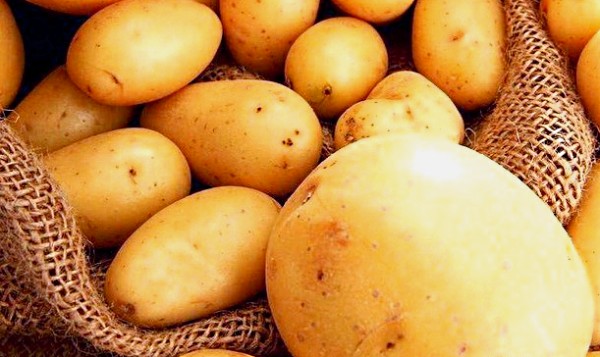
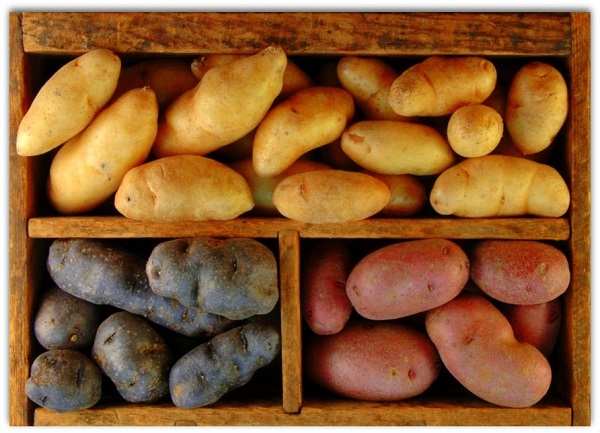
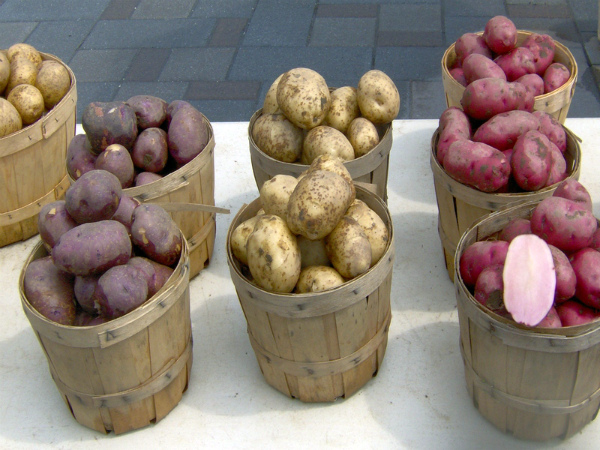
Before storing the harvest, it must be properly dried. To do this, lay the fruit out on film or fabric and spread them in 1-2 layers. The shelf life of blue-eyed potatoes leaves much to be desired, which is important to keep in mind when storing. The potatoes must be dried for several hours. After this, they must be sorted.
Seed plants should be stored very carefully, preferably in a cellar with excellent ventilation.
So, the Hannibal, or Sineglazka, potato variety has earned the well-deserved love of many gardeners. The only problem with growing it is acquiring the seed.
Video "Growing"
This video will show you how to properly and effectively grow the Sineglazka potato variety.