
The best red potato varieties for growing
Content
Historical background
Potatoes are currently one of the most common foods consumed in many countries around the world. In Russia, Ukraine, and Belarus, this vegetable is the most common on the dinner table.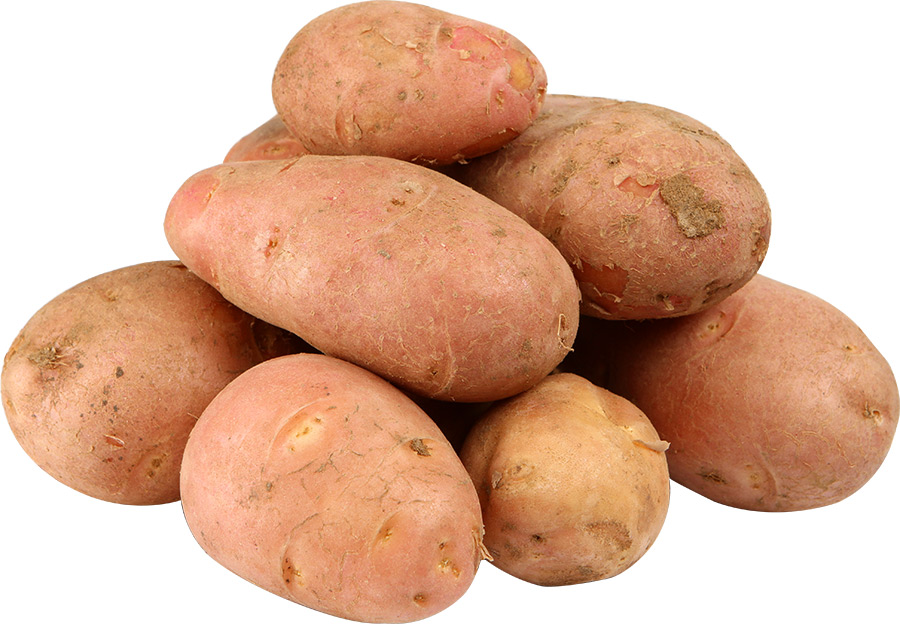
Potatoes were brought to Russia from Holland by Peter the Great. It was in the Netherlands that the emperor sampled many dishes that included this amazing vegetable. In our country and neighboring countries, potatoes quickly became a popular vegetable crop. They even became a worthy competitor to bread, the first and most important staple on the table. Our gardeners still grow them more often than other vegetables in their gardens and vegetable patches.
Video "Red Potato Varieties"
From the video you will learn about the varieties of red potatoes.
Ripening time
Before you begin growing potatoes, you need to determine the crop's ripening time. This is a choice you make yourself. However, it's important to understand that potatoes are currently available in more than three and a half varieties. Therefore, choosing the right one can be quite challenging.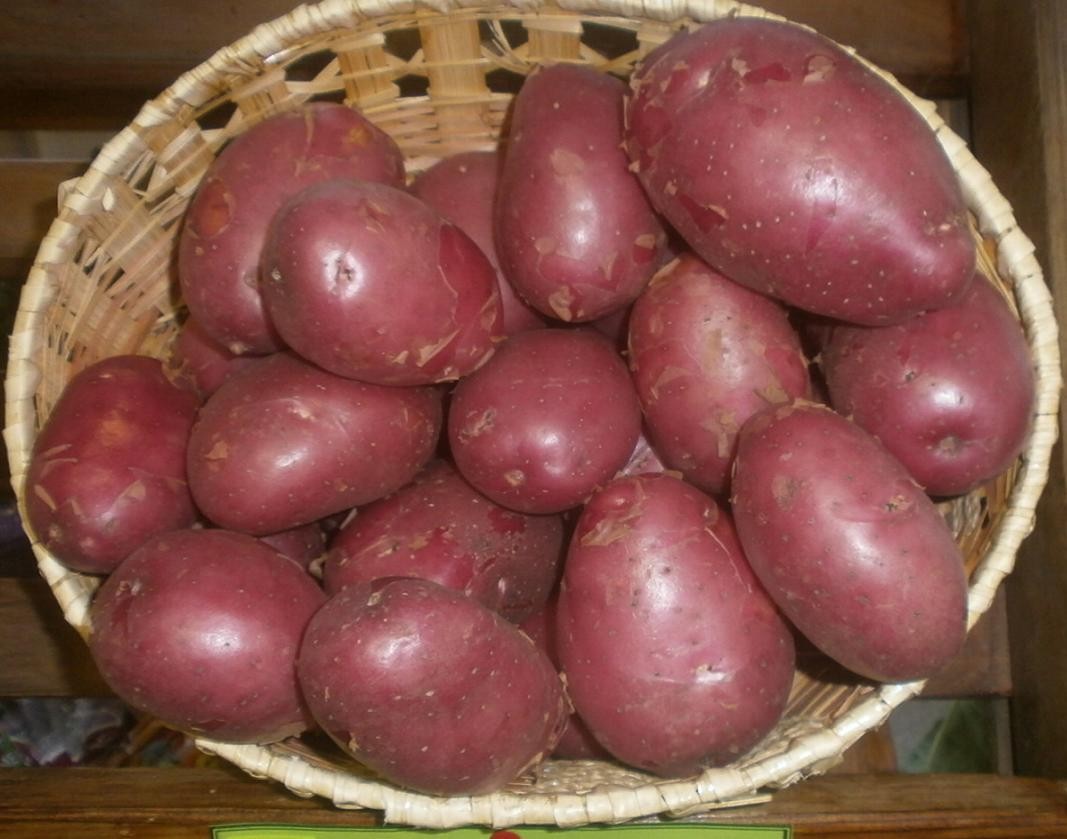
You can simplify your selection a bit by determining the required ripening time. Red potatoes have three harvesting periods:
- Early. After planting, the crop can be harvested in approximately 50-60 days. By this time, the root vegetables will have had time to fully mature;
- Medium (mid-early, mid-season, and mid-late). If mid-early varieties are chosen, the tubers ripen in approximately 65-80 days. If mid-season varieties are planted, the harvest will take approximately 80-95 days. Planting mid-late varieties will yield ripe potatoes only 95-110 days after planting.
- Late. These potato varieties will only produce a harvest in four months.
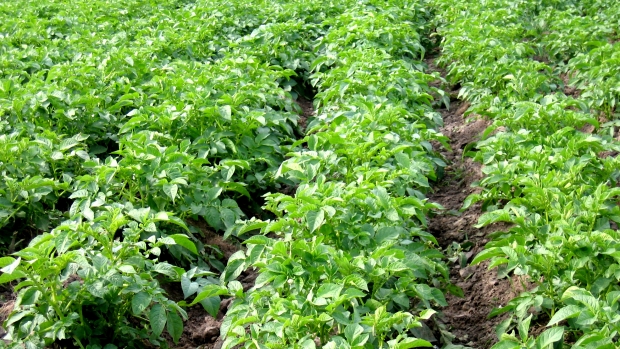
You can plant varieties with different root crop maturity times. This will allow you to harvest throughout almost the entire growing season. Early potatoes can be eaten, while late ones can be stored.
Selecting a variety
Each potato variety developed by breeders has its own distinct flavor characteristics, as well as a set of agricultural practices that allow for maximum yield per unit area.
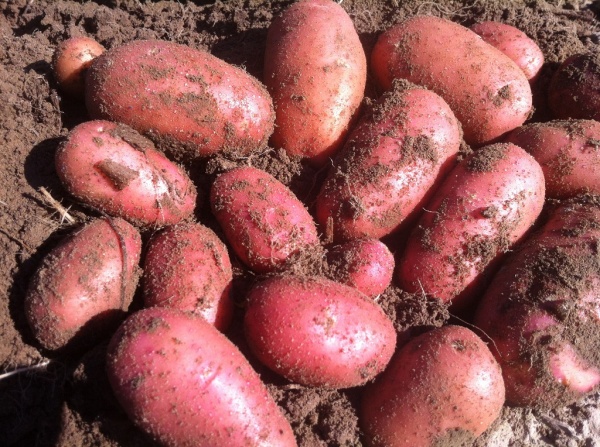
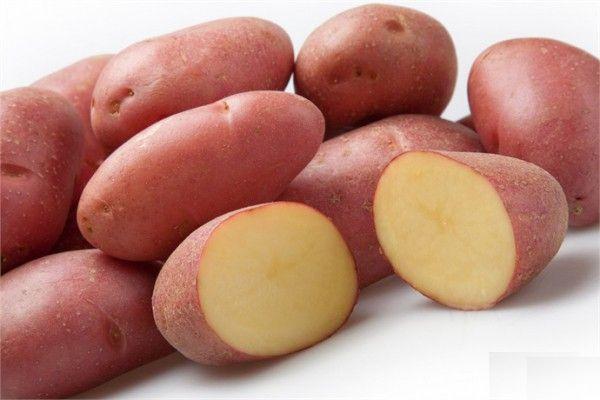
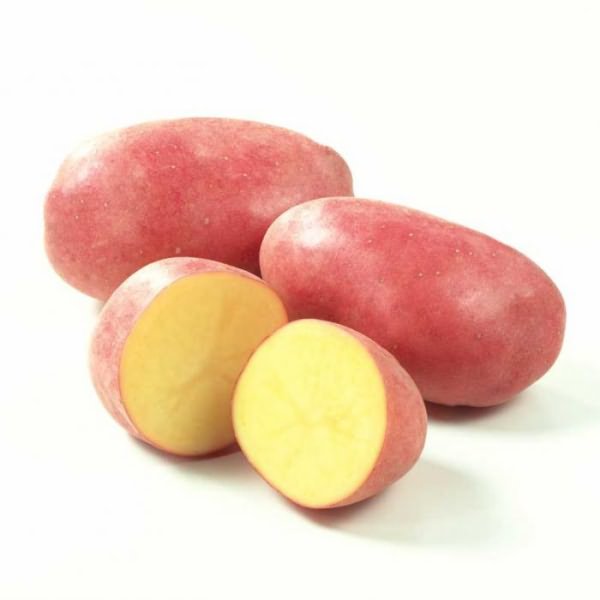
When choosing potato varieties, each gardener must determine for themselves what they need, based on the following parameters:
- Climatic growing conditions. The best varieties of this potato have been developed for each region of the country, adapted to specific climatic conditions. This is the most important selection parameter, fundamentally influencing plant growth, development, and fruiting.
- Flavor characteristics. This is the second most important selection parameter. It is known that late-ripening red potato varieties have a more pronounced flavor;
- The type of soil in which the seedlings will be planted. If the soil parameters do not meet the variety's requirements, the situation can be corrected by adding the necessary fertilizers;
- Susceptibility to diseases and pests. The more resistant a plant is to pathogens and parasites, the higher the quality of its harvest. Late-season potatoes are more susceptible to disease than early varieties;
- Yield. This is also a very important selection parameter. Late-ripening varieties typically have higher yields, while early-ripening varieties have lower yields.
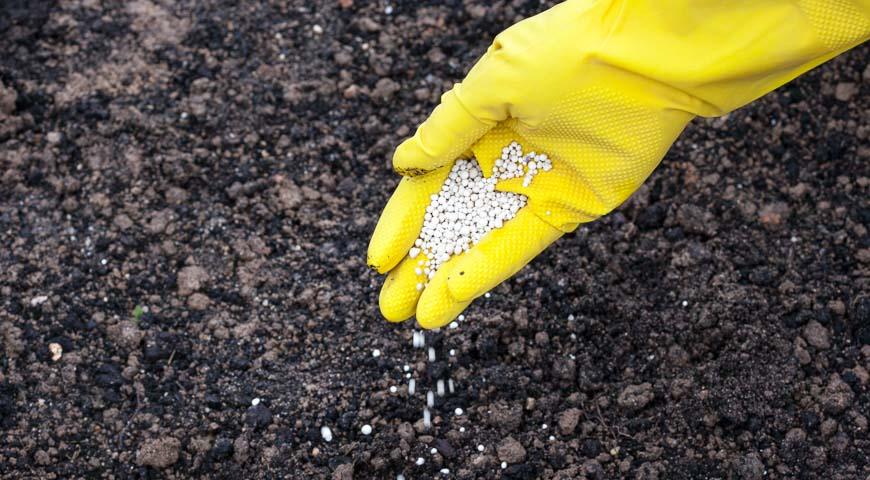
It's important to understand that each potato variety has its advantages and disadvantages. When choosing, weigh all the pros and cons of the variety you like. Keep in mind that specific potato varieties have very specific climatic requirements for growing. Failure to take this factor into account will result in a meager and tasteless harvest.
According to experts, the best varieties of red potatoes are the following two:
- Borodyansky Pink. Plants produce a harvest early. The tubers, dug from the ground, are round. Numerous small eyes appear on the surface of the roots. The skin is pink, while the flesh itself is yellow or cream-colored. The starch content is 14-19%. This prevents the tubers from becoming overcooked and crispy after cooking. The potatoes are large, weighing on average approximately 140 grams per tuber.
- Simply Red. This is a late-ripening variety. The roots are characterized by a red color, while the flesh is creamy. The starch content here also does not exceed 19%. This prevents the tubers from becoming overcooked when cooked. The potatoes are medium-sized and characterized by excellent flavor.
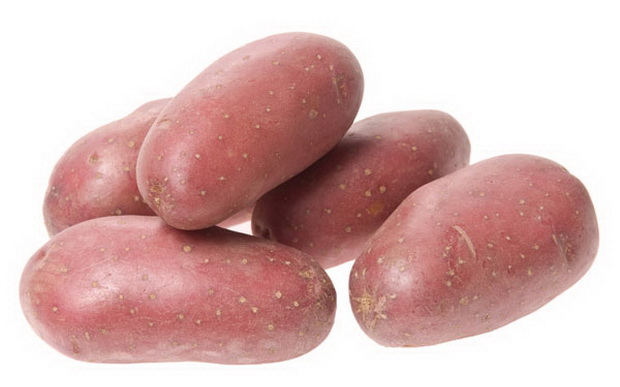
As you can see, each potato variety has its own specific characteristics. Therefore, before making a choice, it's important to familiarize yourself with the description of each variety you like. This will minimize growing costs and ensure a harvest that fully meets your taste preferences.
Storage
Potatoes are stored more often than other vegetables during the cold season. This is because they are considered a non-perishable crop. However, certain storage conditions must be met. Otherwise, the harvest may simply rot over the winter.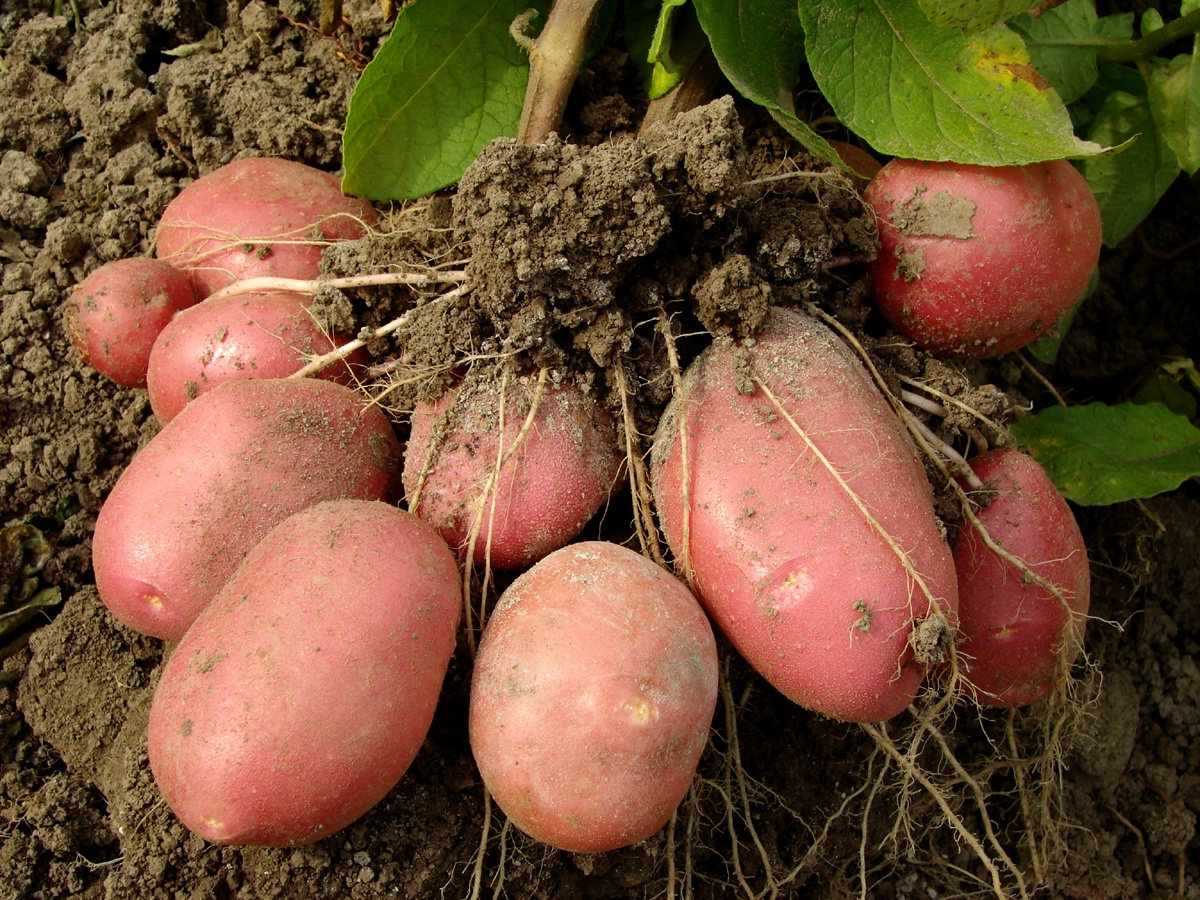
When storing potatoes, it is necessary to maintain two parameters at an optimal level:
- Humidity. If the room where vegetables are stored is too humid, the tubers will begin to rot. Humidity should be kept at approximately 80-90%;
- Temperature. If the temperature regime (high/low) is not properly managed, the tubers will also begin to spoil quickly.
Experts recommend storing several varieties of this crop at once. Therefore, it's essential to grow several varieties in your garden. It's best to store two or three varieties. This way, the roots are more likely to last until spring. Furthermore, different potato varieties are suitable for different culinary purposes. Therefore, before choosing a variety, it's important to familiarize yourself with its intended use.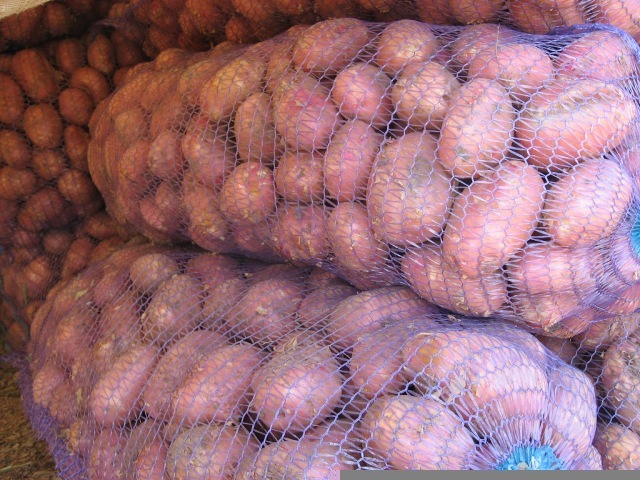
The key to long-term storage of red potatoes is proper harvesting. The tubers should be dug up within the timeframes specified for each variety.
When growing potatoes for storage, experts recommend following these tips:
- plant the planting material in nutritious, structured and moist soil;
- The soil should be free of pests (cockchafers, mole crickets, wireworms) and rodents. To get rid of parasites, you can sow mustard;
- You should not fertilize plantings with nitrogen fertilizers or fresh manure;
- Harvesting must be done on time. Otherwise, overripe tubers will develop a thick skin that will contain harmful chemicals.
- Root vegetables shouldn't be left in the ground for long after the tops die. Such plants begin to spoil very quickly, regardless of the indoor conditions.
The temperature at which the crop should be stored depends on the ripening period:
- for early ripening varieties this figure should be in the range of 1.4-4°C;
- For late- and mid-season varieties, the room temperature should be 5-6°C.
Experienced gardeners say that if the tubers have a sweet taste, they should be stored at a temperature of approximately 10°C. Storing them in these conditions for one week will restore their original flavor.
After the harvest has been collected from the fields and before storage, the potatoes are placed in a room where the temperature remains at 15-18°C. The vegetables should be stored in a layer no more than 0.4 m thick. Covering the tubers with a tarpaulin is recommended.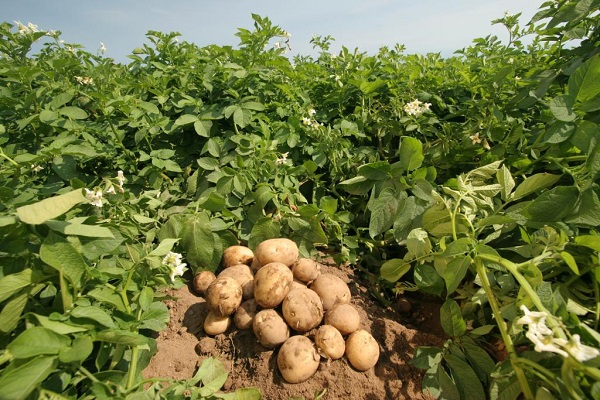
Before storing the harvest for long periods, it should be sorted. The following items should not be stored:
- cut, damaged or crushed;
- with obvious signs of decay;
- those that showed signs of the disease.
Remember that the presence of even one rotten vegetable puts the entire harvest prepared for the winter at risk.
Red potatoes should be stored in the same way as other varieties of this crop. The following storage locations are acceptable:
- in cellars;
- in the trenches;
- in piles.
Potato harvests are most often stored in cellars. The main requirements for this type of storage are a moisture-free environment and the ability to maintain an optimal temperature. Similar requirements apply to other storage options.
To create optimal storage conditions for tubers, a well-designed ventilation system should be installed in the cellar. It is also essential to disinfect the room before storing the vegetables to prevent pathogenic microflora from coming into contact with the harvest.
Red potatoes come in a wide variety, differing in both farming techniques and flavor. Careful variety selection is essential not only to ensure a tasty harvest but also long-term storage.
Video "Secrets of Growing Potatoes"
From this video you will learn how to grow potatoes correctly.