
Popular, tasty, and easy to grow – the Zhukovsky potato
Content
Description
This variety is inherently hardy and not accustomed to capriciousness. Breeders created it this way with vegetable growers in the central zone in mind. After all, there, in the central zone, the climate is, to put it mildly, moderate; summers don't spoil you with heat, and they fly by quickly, but you still want good potatoes.
"Zhukovsky" is an early potato variety. It ripens quickly, designed for the fact that it doesn't have a long, warm summer ahead for leisurely ripening. This isn't the south! In two months, it's ready to eat, so to speak: no sooner planted than it's time to dig up.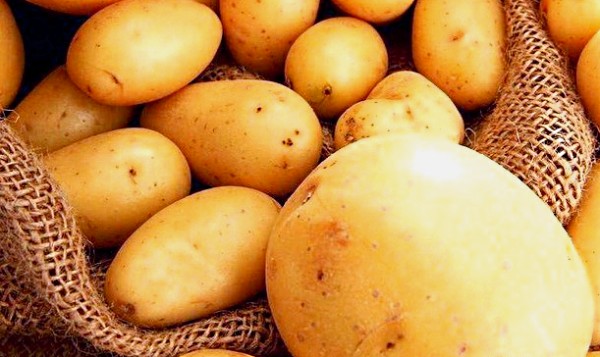
This variety has no special soil requirements and thrives in almost any type of soil. It is characterized by good health, disease resistance, and weather tolerance, tolerating both cold and drought.
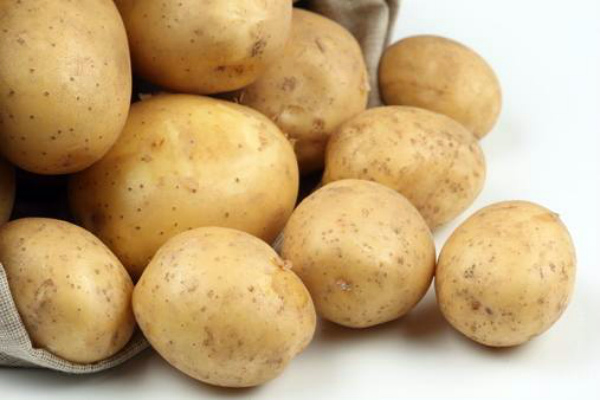
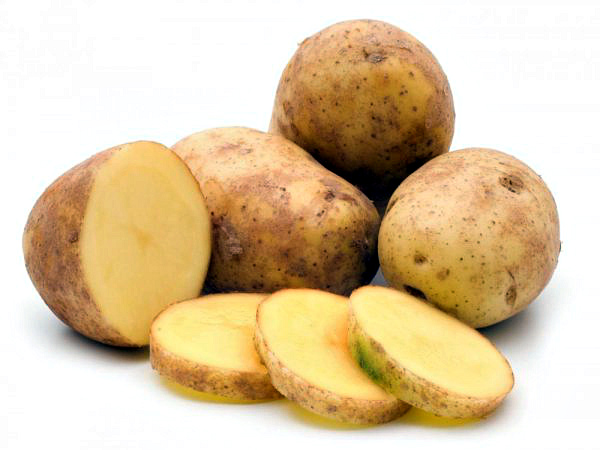
By growing the Zhukovsky variety, you'll get beautiful, large potatoes (up to 170 g per tuber). They're white inside, and the skin is pinkish, smooth, and so thin that there are almost no peels. They're unmatched in culinary uses. They're delicious and easy to cook—they don't overcook, making them perfect for soups, stews, and fries. Any home cook will appreciate that peeled and sliced potatoes don't darken.
What does this variety look like? The bush is medium-sized, moderately spreading. There are few, but well-branched stems. The leaves are large, the flowers are short-lived, and they don't produce fruit. The tubers are large, oval, with few eyes.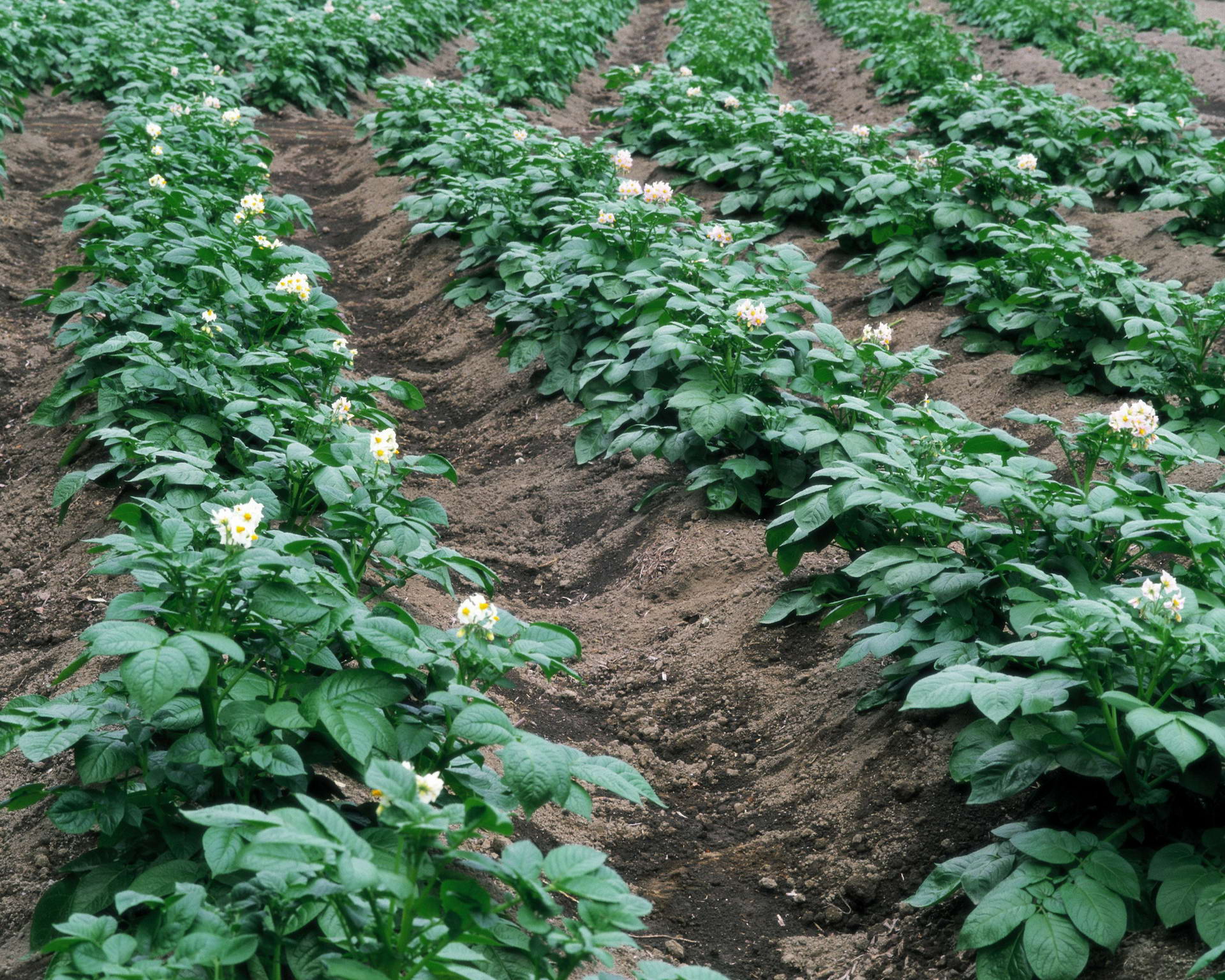
Without causing any special problems, this variety will yield up to 38 tons per hectare.
Video "Description"
This video describes the Zhukovsky potato variety.
Growing
A very attractive characteristic of the Zhukovsky variety is its ease of maintenance. It's an excellent choice for those who don't have much time to devote to gardening.
You can plant it as early as mid-April, and begin preparatory work even earlier. 'Zhukovsky' sprouts well, and about two weeks before the expected planting, it's time to start harvesting seed tubers. Select healthy, fairly large (80-100 g) potatoes. They need:
- arrange them in rows in boxes;
- create diffused light by covering with paper;
- moisten and turn over;
- disinfect with a solution of potassium permanganate;
- wait for sprouts to be approximately 1 cm long.

Experienced gardeners recommend: if you want to get a harvest even earlier than the breeders intended, soak the seed tubers in peat or sawdust for a week.
Before planting, to strengthen the “innate” resistance to pests, treat the tubers with an insecticide. It's recommended to plant 'Zhukovsky' potatoes at a medium depth. It's best to cover them until the threat of frost has passed.
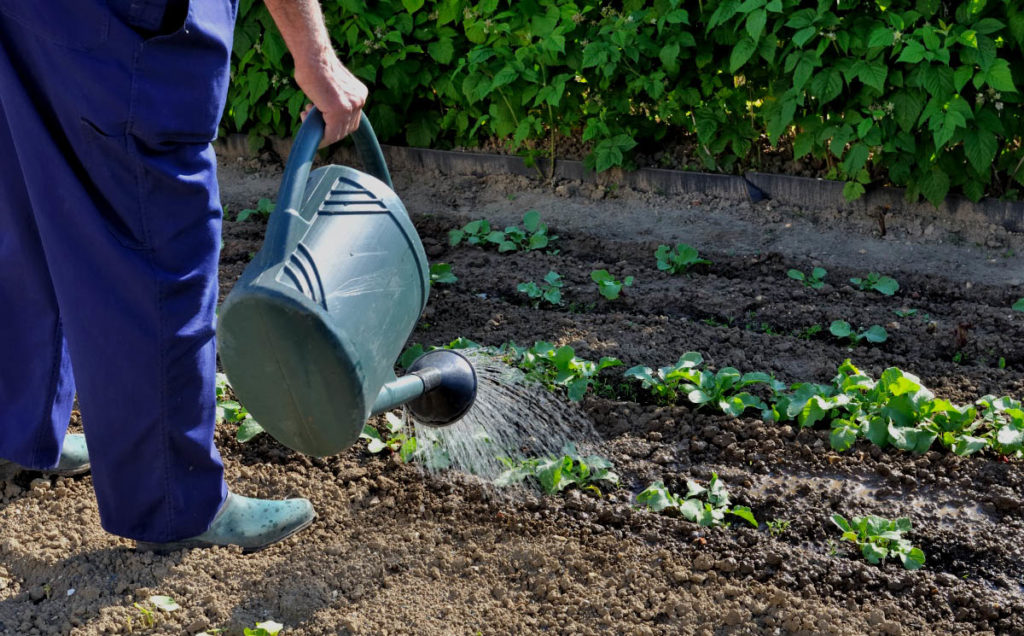
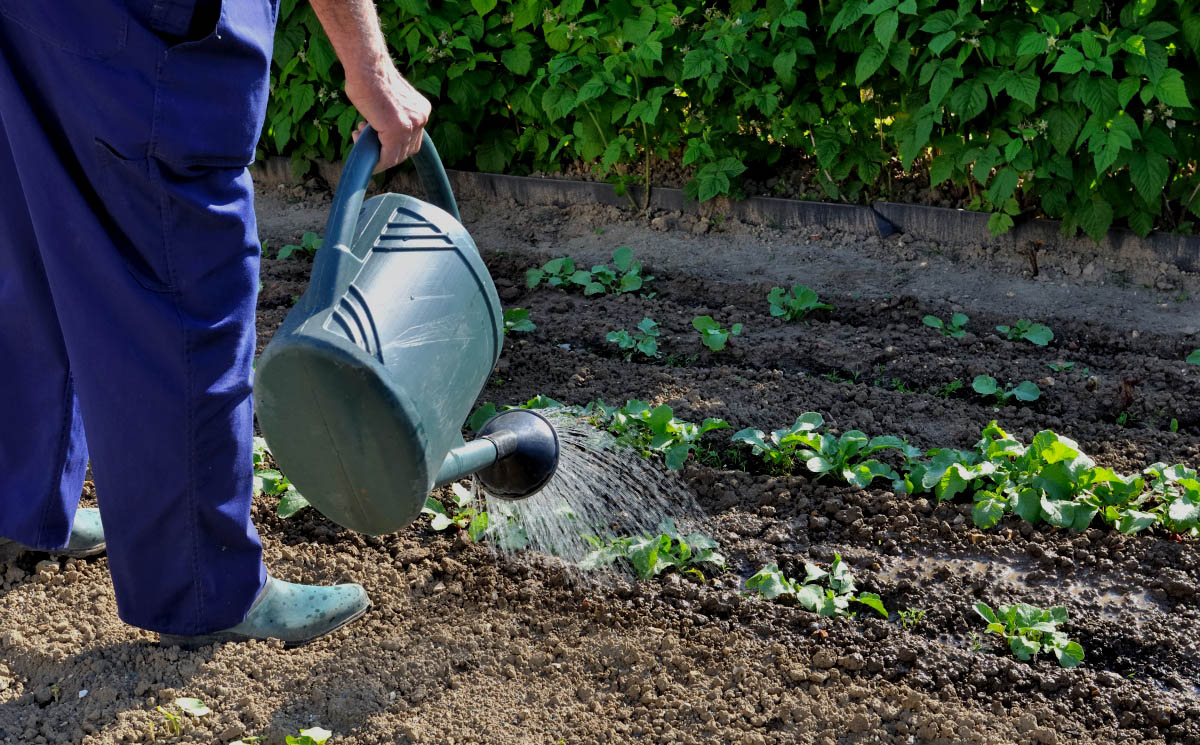
Standard measures are used: weeding and loosening the soil—this should be done before seedlings emerge. Watering should be moderate, 5 liters per meter of furrow on hotter days. Hilling should be done if the soil is dehydrated.
What's worth putting in the effort is protecting potatoes from insects. There are two main enemies, both well-known: the Colorado potato beetle and the mole cricket. Control methods are also traditional: collecting the beetle by hand or using chemicals. To avoid mole crickets, you need to loosen the soil frequently: this will get rid of the larvae and eggs. Many also recommend planting calendula at the edges of the garden bed, as mole crickets don't tolerate it.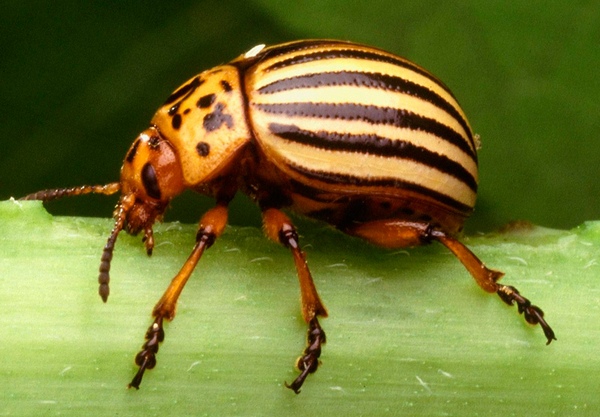
Experienced vegetable growers recommend trimming the tops about a week before harvesting. This simple measure will protect the potatoes from late blight.
Cleaning and storage
Harvest time begins on July 1st, and for seed tubers, on August 1st. During this period, you'll appreciate that the Zhukovsky potato variety's description also includes its exceptional resistance to mechanical damage.
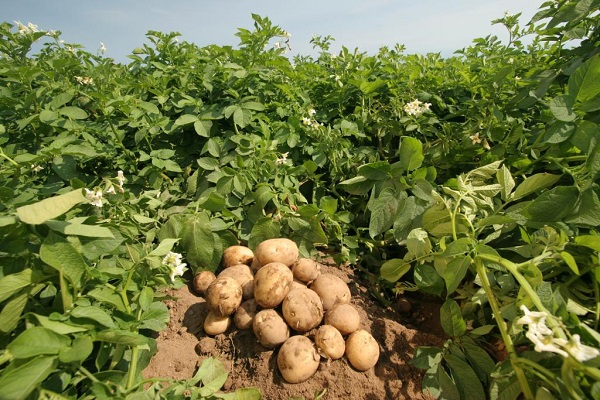
Yes, it's resistant to spades, so you'll get almost the entire harvest beautiful and intact. This is a major advantage that makes the Zhukovsky potato variety suitable for growing on an industrial scale: the roots suffer little during harvesting.
After harvesting, potatoes must be dried and sorted. Any questionable tubers, damaged or otherwise unhealthy-looking ones, are not suitable for storage. One suspect potato can ruin your entire supply.
Storage conditions are typical for potatoes: a dark, dry, ventilated area. Of course, it should be cool: the optimal temperature is 2-5 degrees Celsius. During storage, potatoes of this variety, like any other, need to be sorted.
Advantages and disadvantages
No matter how much you describe the Zhukovsky early potato, the description will always seem somewhat one-sided. Why? Because it's customary to give a fair warning: despite all the advantages, there are certain problematic qualities. In this case, it's very difficult to find anything that fits into the "Disadvantages" section.
But the merits are worthy of a long and satisfying discussion—it's no wonder this potato is planted and then enjoyed from the North Caucasus to the Far East. The Zhukovsky variety has earned its well-deserved popularity, as it:
- easily takes root in any soil;
- does not impose high demands during the growing process;
- can do without watering at all if there is precipitation;
- exceptionally resistant to diseases and pests;
- tolerates heat and cold;
- gives a high yield;
- tubers are resistant to mechanical damage during harvesting;
- Under the right conditions, the harvest will last until mid-spring.
Zhukovsky potatoes are delicious in any dish and in any form. Large, beautiful, snow-white potatoes will grace the table.
Video "Pests"
This video will show you how and which insects can harm potatoes.