
Nevsky Potato: Variety Characteristics and Growing Features
Content
Description of the variety
The Nevsky potato variety is another successful development of the Northwestern Research Institute of Agriculture. Developed in the mid-1970s, it was developed using two highly resilient and productive varieties: "Veselovskaya" and "Kandidat," from which the potato inherited its excellent characteristics. The variety is well adapted to various environmental factors and, in temperate climates, is capable of producing very high yields (400-600 kg/hectare).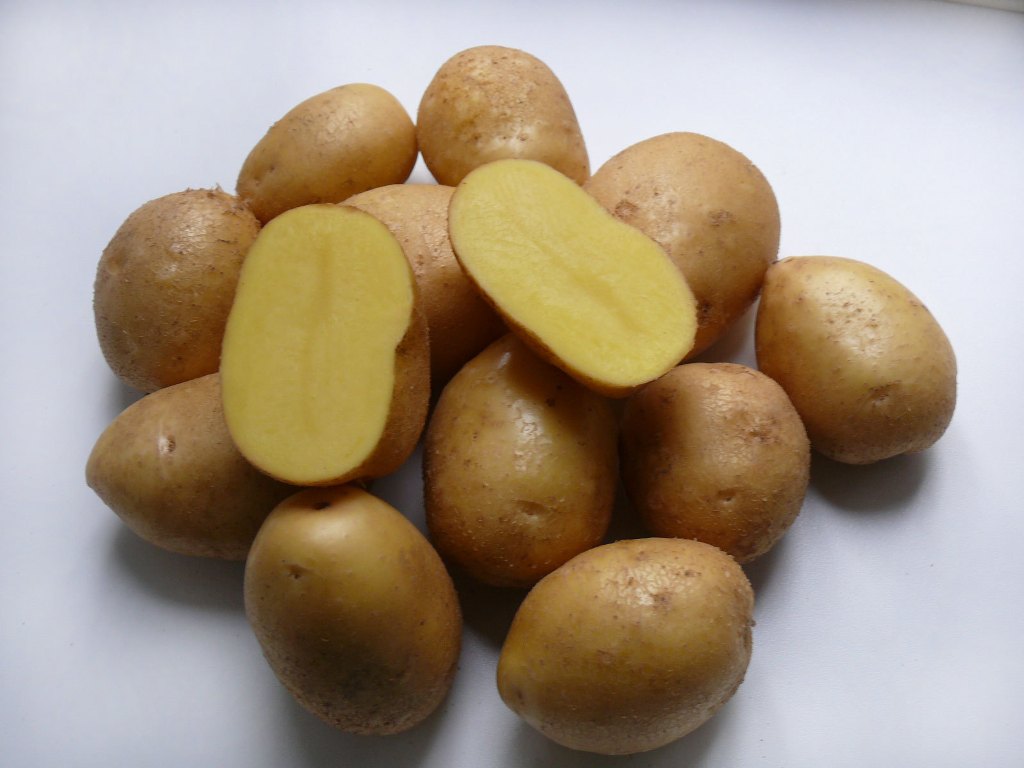
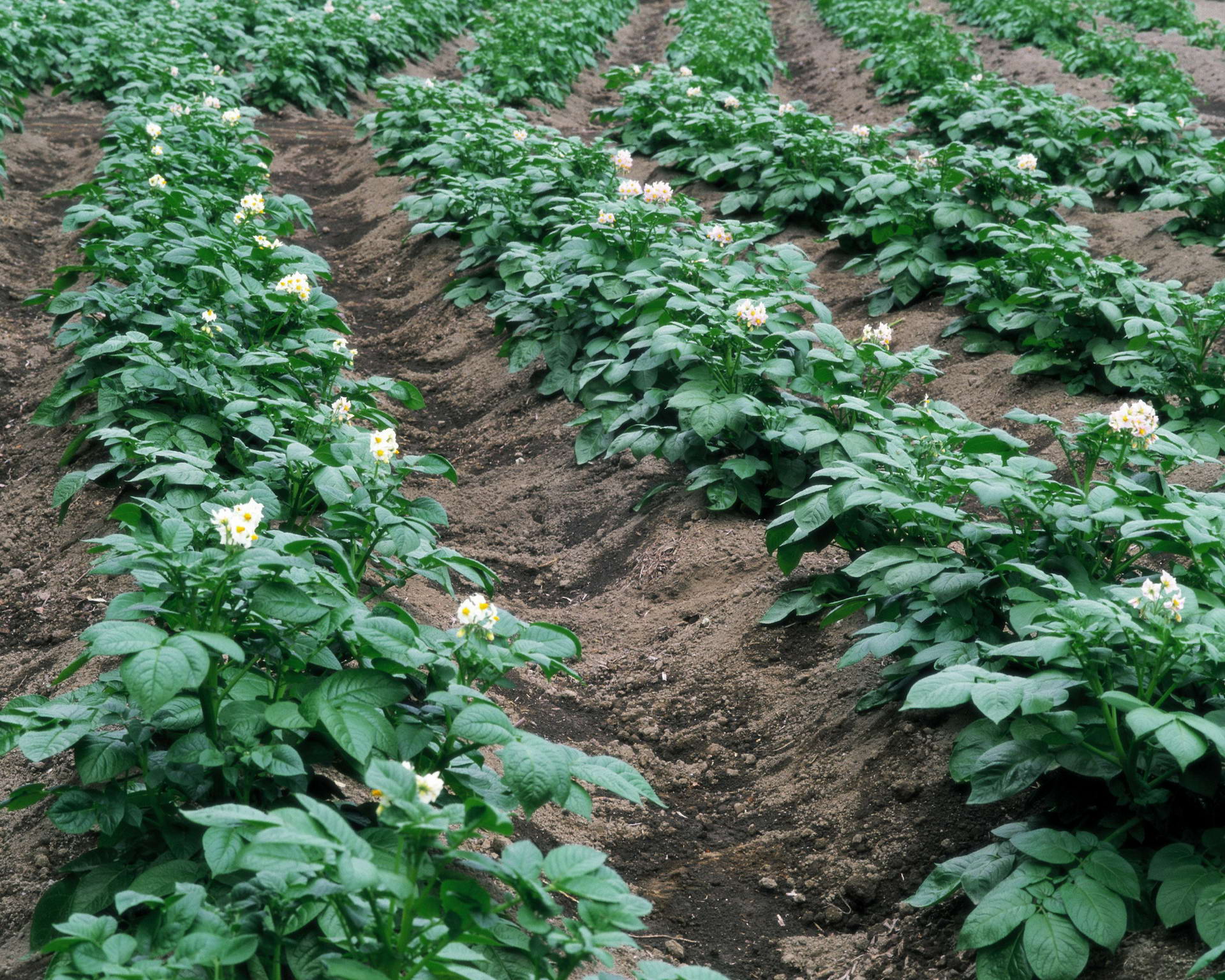
This potato variety ripens mid-late (approximately 90 days). The bushes are low (up to 60 cm), the stems are strong, well-foliated, and the tops are a rich light green. Blooms profusely, producing white flowers with orange pistils, gathered in racemes at the end of the stem. Each bush produces 10-15 large (up to 130 g) roots and very few small ones. On average, a single bush can yield up to 1.5 kg of potatoes.
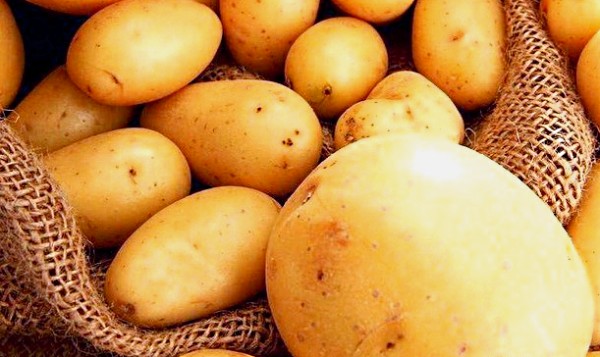
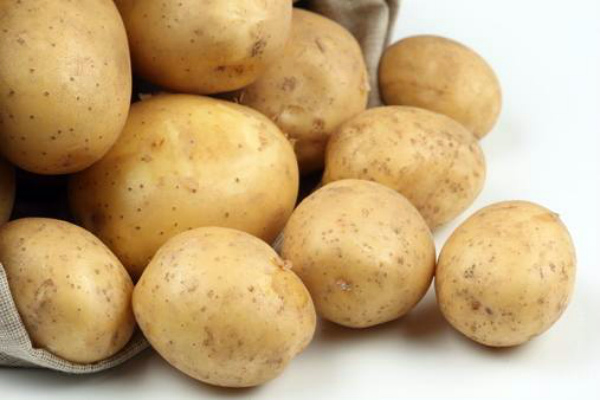
Nevskiy potato tubers are similar in appearance to Vineta or Karatop, which is why the varieties are often confused. They are similarly smooth, oval-oblong in shape, with a translucent yellowish skin and sparse, shallow eyes. However, Karatop has almost yellow flesh, while Nevskiy's is creamy white, very tasty, not watery, and moderately starchy (11-13% starch). The potatoes do not change color after cooking and do not darken when cut.
Its varietal characteristics are no less attractive.
Potatoes are highly resistant to fungal diseases, canker, and blackleg. They're even untouched by Colorado potato beetles if there's an alternative in the garden.
The only pest to which potatoes are not resistant is nematode, but it can be controlled with insecticides. 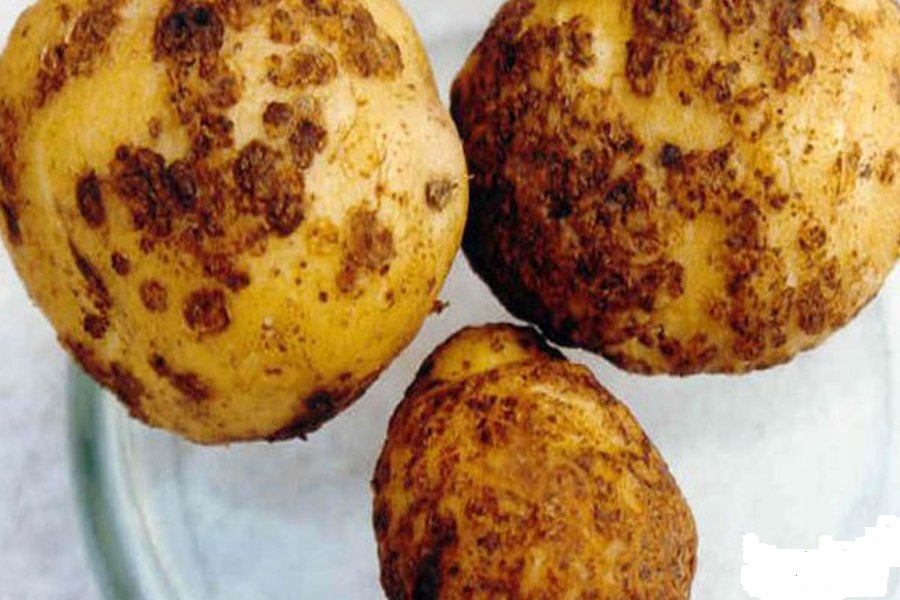 Plants respond well to drought and excess moisture—these factors do not affect yield—and are also resistant to mechanical damage.
Video "Description"
This video will tell you many interesting facts about the Nevsky potato variety.
Site selection and soil preparation
The Nevsky variety isn't particularly fussy about growing conditions, but that doesn't mean it can be planted anywhere. There are a number of conditions that directly affect yield:
- Like any vegetable crop, potatoes prefer sunny areas, so the bed should be located in the most open place, where there is no shade from trees or buildings;
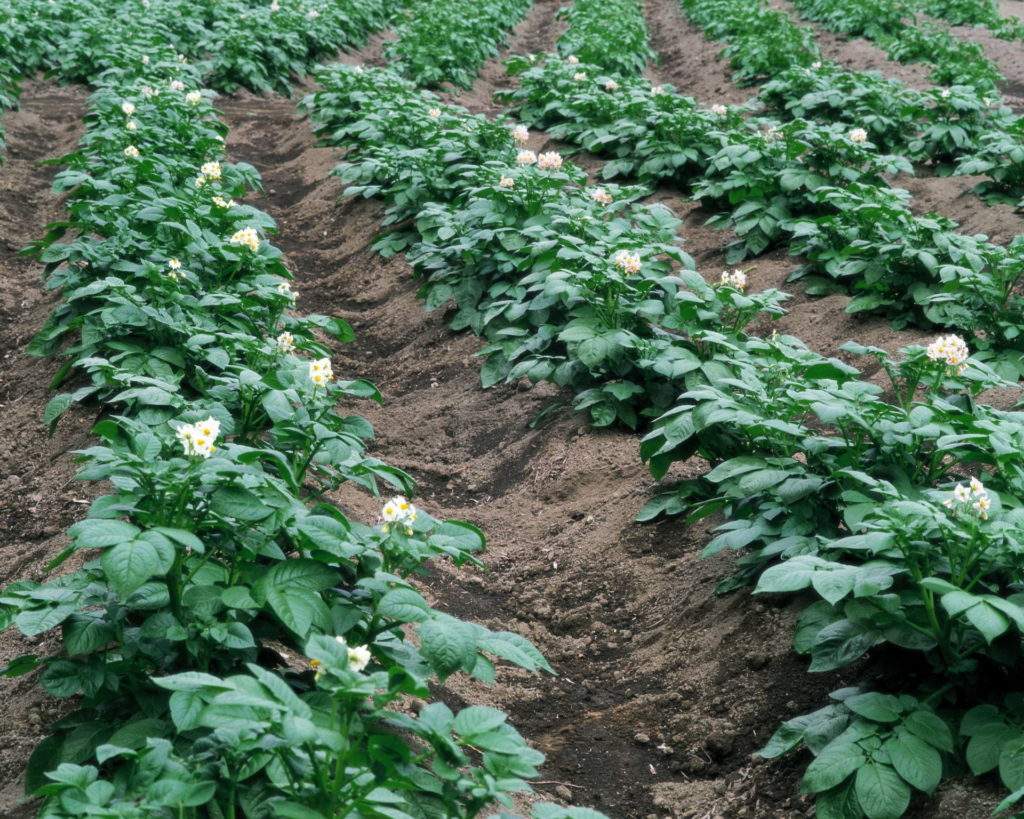
- Potatoes of this variety can also grow in heavy clay soil, but maximum yield is achieved only when grown on sandy loam and light loamy soils with a deep fertile arable layer;
- crop rotation is not essential for this variety – potatoes can grow in one place for 2-3 years, provided that organic fertilizers are applied annually;
- When changing the location of the beds, the influence of previous crops should be taken into account: the best predecessors for potatoes are legumes, corn, carrots, cabbage, greens, while the worst are sunflowers and all plants of the Solanaceae family;
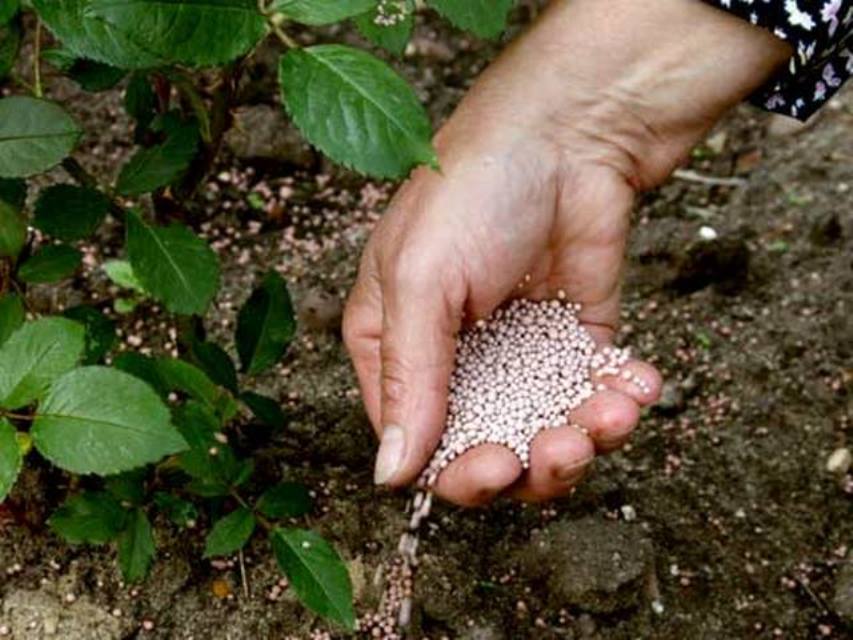
- You can plow the soil for planting potatoes in spring or autumn, and it is better to apply mineral fertilizers (potassium, phosphate) in autumn;
- Since Nevsky potatoes cannot be planted in cold soil, you can speed up the warming of the soil by removing snow from the area by hand in early spring;
- As soon as the soil thaws and warms up, it should be plowed and organic fertilizers should be added: humus, manure, compost, ash.
Preparing for landing
Nevsky potatoes keep well until spring, but as soon as spring arrives, the buds begin to sprout vigorously. This is a definite advantage for seed potatoes, as this type of planting material yields a higher yield. However, the roots of this variety have one peculiarity: they do not tolerate damage or sprout breakage well, so it's crucial to seize the moment and begin preparing the seed tubers for planting promptly. Preparation of the material is as follows:
- tubers weighing no more than 60-80 g are selected for planting;
- Before sprouting, seed potatoes are placed in a solution of potassium permanganate for 2-3 minutes - this measure will increase their resistance to possible pests and diseases;

- After disinfection, the tubers are laid out in a bright room (on the floor) and kept at a temperature of 15-18˚C for at least two weeks;
- Since potato sprouts are very fragile and break off easily, it is recommended to sprout them to a size of no more than 12 mm;
- The tubers should be planted whole - this variety, unlike others, is not recommended to be cut into pieces;
- To prevent the sprouts from growing further and to give them the opportunity to harden off, the planting material is placed back in a cool place after germination.
Potatoes should be planted carefully, taking care not to damage the shoots. Each tuber should be placed in the hole, not thrown.
Planting in the ground
Nevsky potatoes aren't particularly demanding when it comes to soil quality. All they need for normal development is warmth. Avoid planting seed tubers in cold soil; it's best to wait until early or mid-May, when the soil has warmed up sufficiently.
It is also not advisable to delay planting until the end of May, because in this case the root crops may not ripen until the beginning of autumn. Moreover, from the end of August the night temperature drops significantly, and this does not have the best effect on the quality of this potato variety.
As for planting, it should be noted that it is more convenient to do it together: one digs and fills the holes, and the other lays the tubers. 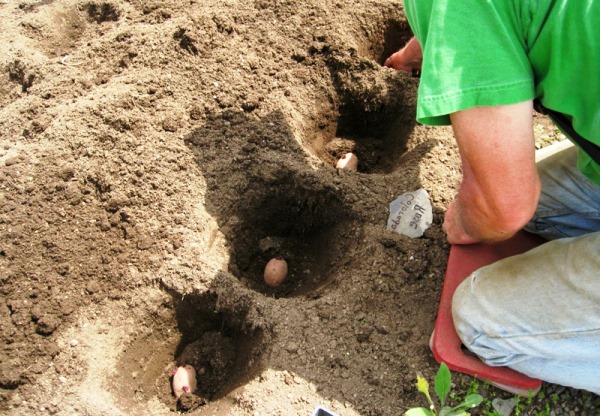 The landing process itself occurs as follows:
- First, you need to dig the first row of holes - the distance between holes is 30-40 cm, the depth is 15-20 cm;
- Place one sprouted tuber in each hole;
- then, using the same scheme, a second row of holes is dug at a distance of 50-60 cm from the first row, and the holes dug in the first row are filled with soil dug from the hole in the second row;
- if the soil is not fertile enough, you can put some fertilizer (humus, ash, eggshells, onion peels) at the bottom of each hole;
- After planting, the bed should be leveled, and if the soil is dry, watered well.
Care
Proper planting is only half the battle. To get a good harvest of delicious root vegetables, you need to put in a lot of effort, ensuring the potatoes receive proper and complete care. Proper care in this case involves the following steps:
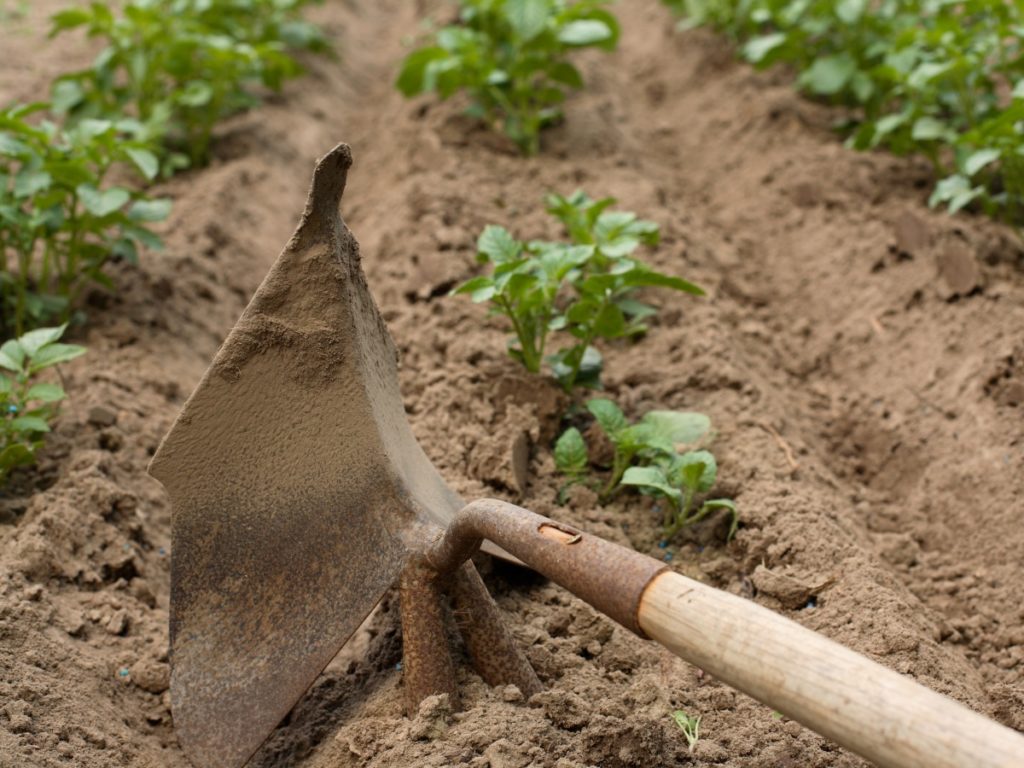
- Before the seedlings emerge, the soil should be very carefully loosened and weeded 2-3 times, as weeds can choke out the young shoots. Moreover, loosening improves the supply of oxygen to the roots;
- if there is no rain, the bed should be watered 2-3 times a week, potatoes especially need watering during flowering - for a small bed, it is advisable to use settled water;
- It is recommended to water potatoes in the morning or after sunset. When watering, it is advisable to use a sprayer, as a stream of water can damage the tops;
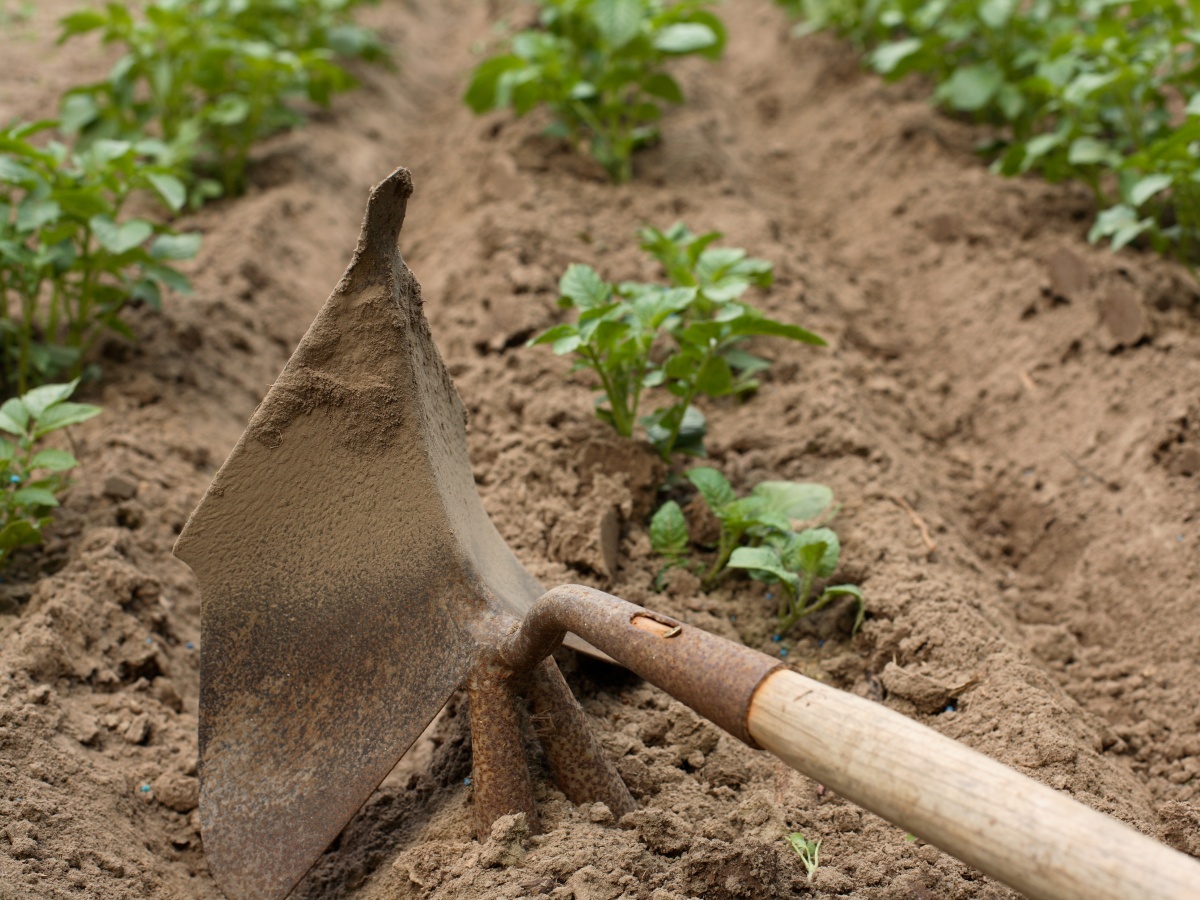
- As soon as the tops begin to close, the first cultivation (deep loosening) of the inter-rows is carried out - soil cultivation to a depth of 8-10 cm allows you to thoroughly clear the bed of weeds and improve the drainage properties of the soil;
- During the season, cultivation is carried out 2-4 more times depending on the weather and the number of weeds;
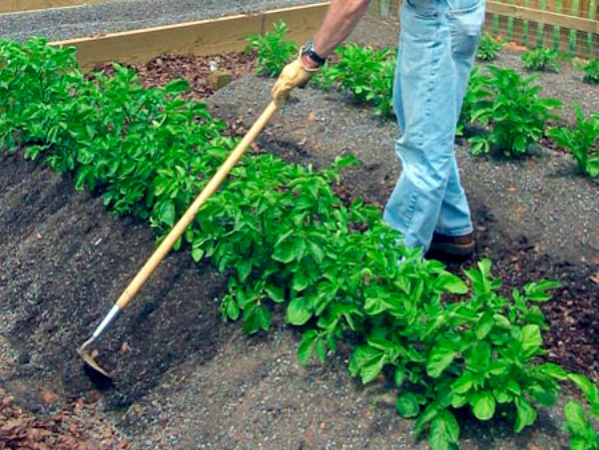
- when the plants reach a height of 10-15 cm, the bushes are hilled for the first time (the process involves sprinkling loosened soil on the stems in the form of mounds);
- the second hilling is carried out when the height reaches 25-30 cm - all weeds must be removed first;
- When pests (Colorado potato beetles) appear, the bushes are sprayed with insecticides - the number of treatments depends on the activity of the insects, as a rule, it is necessary to spray 2-4 times;
- Potatoes of this variety rarely get sick, and organic fertilizers (humus, ash) added when plowing the area help to increase the plant’s immunity.
Harvesting
The Nevsky potato variety, described above, reaches full technical maturity 80-90 days after germination, but young potatoes can be enjoyed as early as mid-July. A sign that the new potatoes are ready for consumption is the lodging of the tops—this usually occurs immediately after flowering. During this period, the entire potato plant should not be dug up, as the roots have only just begun to ripen. New potatoes should be removed from the soil by hand to avoid damaging the root system and tearing off the small ovaries.
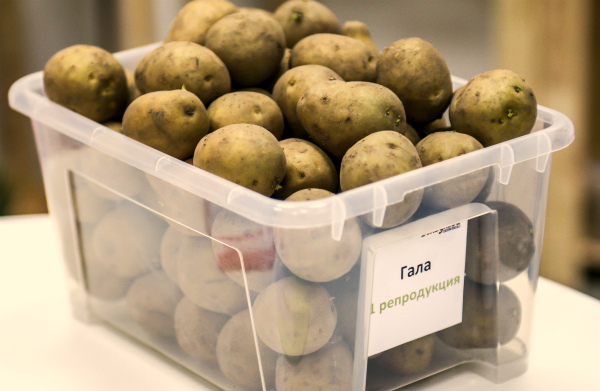
The final harvest takes place at the end of summer (the last ten days of August). The drying of the tops indicates that the roots are fully ripe. Two weeks before digging up the roots, remove the dry tops, along with any weeds, from the garden bed. Harvesting should be done quickly, as potatoes dislike cold temperatures, especially cold soil. It's best to dig up the crop in dry, sunny weather; this will allow the roots to dry more quickly and store better. Potatoes dug up in rainy weather, on the other hand, are prone to rapid rotting. After drying, the potatoes are stored in a cool place (cellar). Nevsky potatoes store very well and for a long time—95% of the roots retain their original marketable appearance until early spring.
Video "Secrets of Growing"
From the video you will learn many secrets on how to grow a good potato crop.