
Description of the Dutch potato variety "Impala"
Content
Biological characteristics of the variety
The Impala potato variety is considered an ultra-early variety in terms of maturity. The roots reach full technical maturity 65-75 days after germination, but the first harvest can be harvested as early as 45 days later for early consumption and sale. This short growing cycle allows for two crops to be grown in a single season, a common practice in southern regions. The Impala variety is extremely resistant to disease and cold, ensuring a consistently high yield, regardless of weather and climate conditions. According to vegetable growers, in a good year, each bush can yield 15-20 fairly large tubers, which translates to a commercial yield of 30-50 tons per hectare.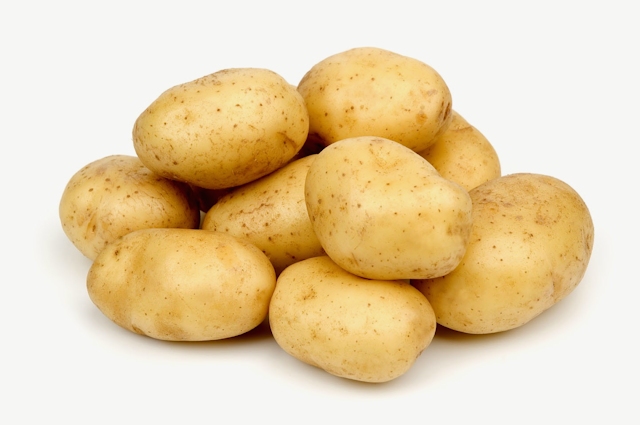
The Impala potato variety is an upright, well-branched bush consisting of 4-6 shoots. The plants are vigorous (reaching 70-75 cm in height) and densely foliated. The leaves are bright green, small, and slightly wavy along the edges. Blooms profusely, producing snow-white flowers with orange centers, borne in clusters of 6-10. Each bush typically produces 6-10 tubers per rootstock, but in good, fertile soil, the yield per bush can be significantly higher (up to 20).
Video "Description"
From the video you will learn a lot of interesting things about this potato variety.
Characteristics of tubers
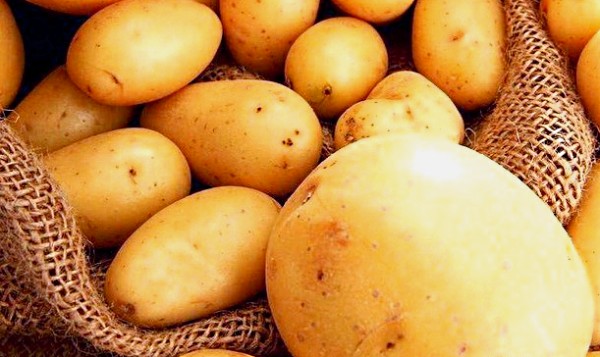
Impala potato roots are large (80-160 g) and have an oval, even shape. The tubers have few, small, and closely spaced eyes, giving them a smooth, even appearance. The skin is thin, light, and almost translucent. The flesh is creamy or light yellow, has excellent flavor, and does not change color after cooking. An important feature of this variety, noted by gardeners, is its unique commercial quality: the tubers transport well, and 98% of them keep their original appearance until spring.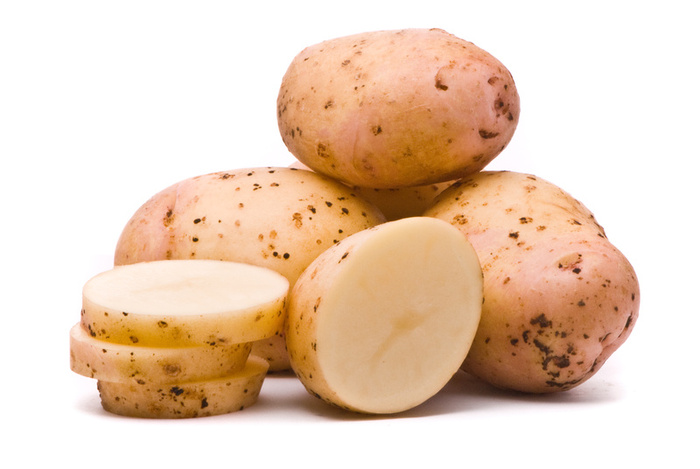
But the variety's true value lies in its taste. On a five-point scale, this potato earns a well-deserved 4.9 points. This high rating is due to its perfectly balanced composition of vitamins, minerals, proteins, organic acids, and other beneficial substances. The root potato's pulp contains an average of 17% dry matter and 10-14% starch, which is considered low for potatoes. Thanks to its low starch content, the tubers become soft and crumbly after processing, but do not overcook, only cracking slightly. Impala potatoes are ideal for any dish, especially soups and mashed potatoes.
Requirements for planting material
It's worth noting that the Dutch Impala variety was added to the State Register of Breeding Achievements back in the mid-1990s, so the requirements for planting material for this potato are quite stringent. For commercial cultivation, seed tubers are selected in accordance with GOST standards. However, for home gardening, such high standards are, of course, not necessary.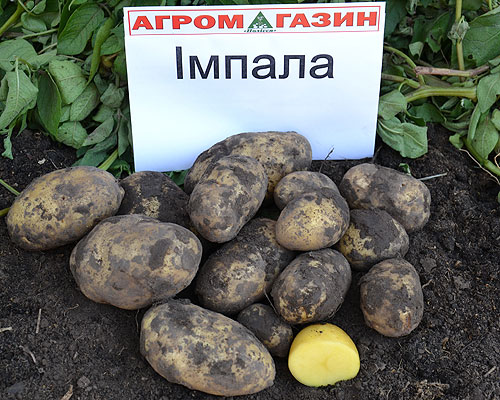
According to breeders, Impala potato seedlings do not require pre-sprouting. The tubers develop beautifully in the soil, and rot is virtually 100% eliminated. However, this variety does have one peculiarity: it takes a long time and is slow to germinate. Therefore, if you want an early harvest, it's best to warm up and germinate the seedlings beforehand. To do this, keep them in boxes in daylight for 25-30 days, initially at a temperature of 18-25°C, then lower the temperature to 12-15°C.
Growing potato seedlings in pots for an extremely early harvest is an interesting option. Potatoes take at least a month to germinate, so to plant seedlings outdoors in April, the tubers should be planted in pots in mid-March.
Growing potato seedlings is no different from growing other vegetable crops: place the pot in a warm place, cover with plastic wrap, maintain humidity, and remove the cover when the sprouts appear. Once the soil has warmed sufficiently, transplant the seedlings, soil and all, into the ground.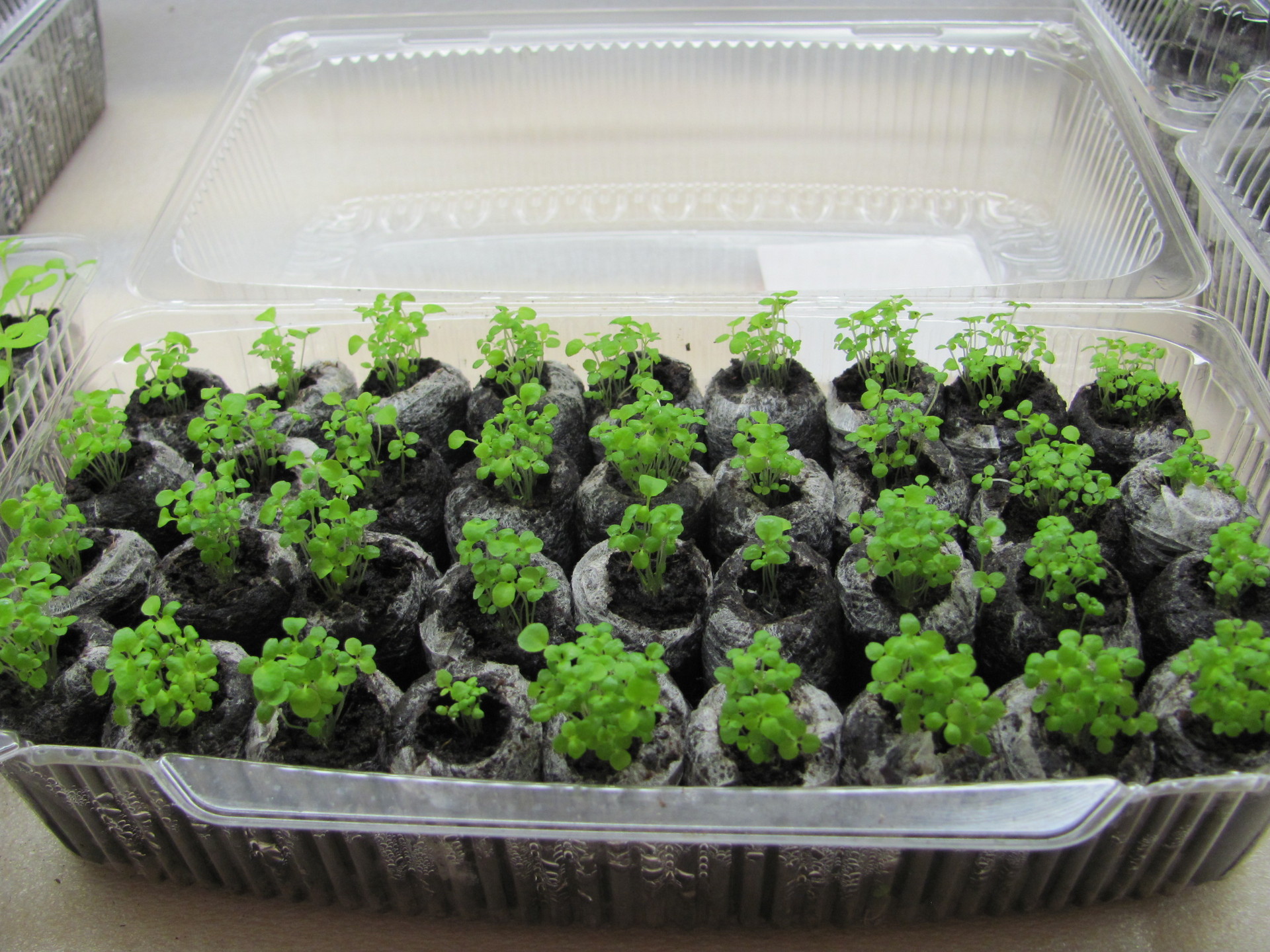
Whatever planting method you choose, there are several general recommendations for preparing planting material that should be followed:
- tubers are planted in open ground no earlier than mid-April - in the conditions of the middle zone, the timing may shift to the end of April or the first ten days of May;
- Only healthy and undamaged tubers of medium size, with a large number of eyes, are suitable for planting - the more eyes, the more luxuriant the bush will be and the higher the yield;
- Before planting, it is advisable to treat the tubers with disinfectant solutions (potassium permanganate, boric acid) - soak them in the solution for 30-40 minutes, then lightly sprinkle with wood ash;
- The sprouts that have grown should be handled with great care, as accidentally breaking them off will slow down the growth of the bush, which will affect the yield.
Features of growing the variety
In general, cultivating the Impala potato is not difficult; however, there are certain factors that, without taking them into account, will make it difficult to grow and harvest a good crop:
- maintaining crop rotation – it is not recommended to plant potatoes of this variety two years in a row in the same place, as well as after nightshade crops (peppers, tomatoes, eggplants);
- Ideal predecessors for the Impala variety are perennial grasses, winter cereals and legumes - this should be taken into account when changing the location of the garden bed;
- The tubers should be planted in well-warmed, loose and moist soil - there is no need to rush with planting, but it is advisable to do it while the soil is still moist after winter;
- for this potato, it is recommended to plant in ridges about 10 cm high, the distance between bushes should be 25-30 cm, and between rows - up to 50 cm;
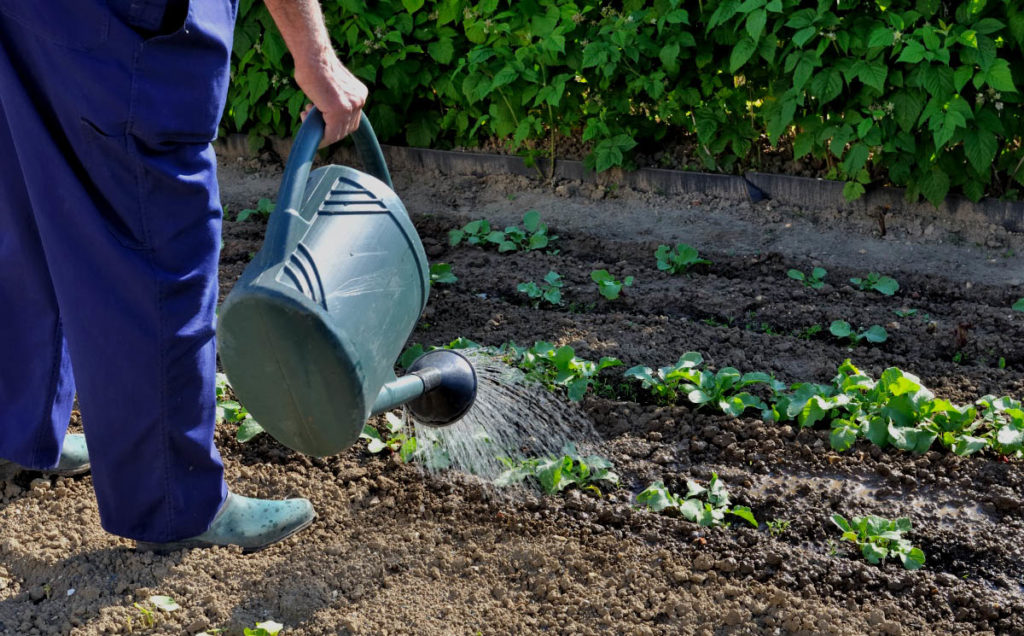
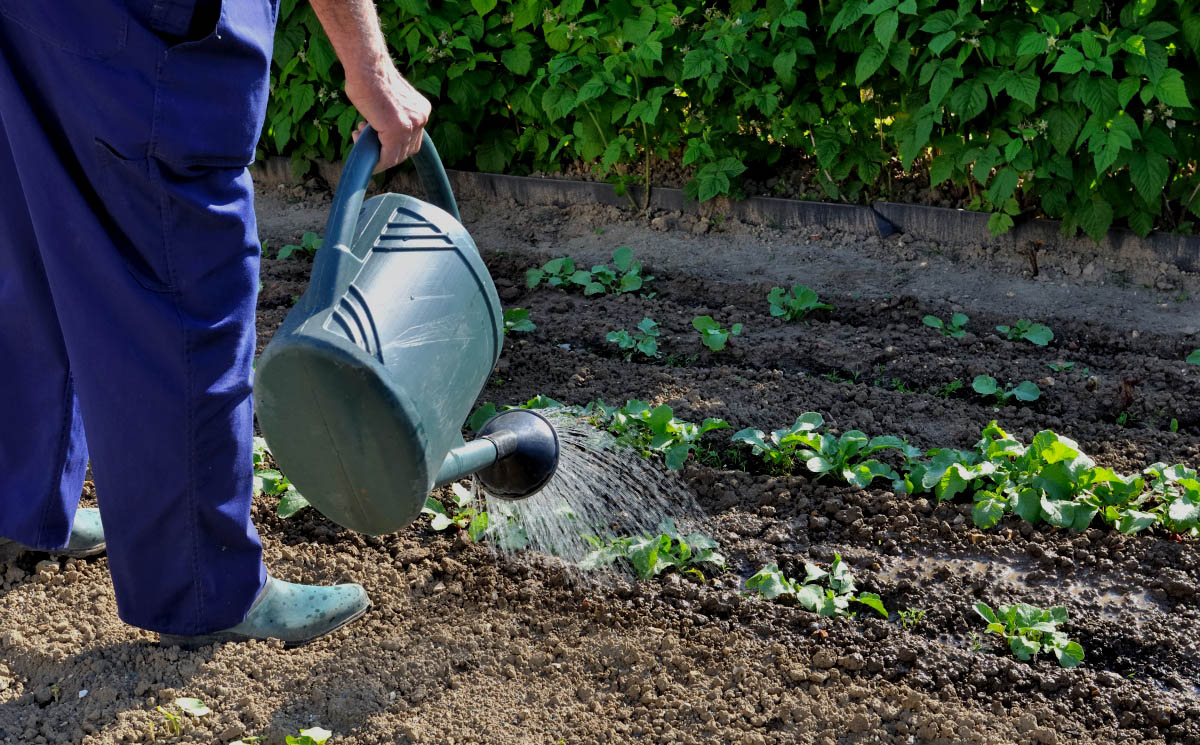
- potatoes of this variety are capable of forming roots even in dry soil, however, for a good harvest in the absence of precipitation, it is necessary to periodically irrigate the beds - in hot summers, at least 3 heavy waterings are recommended (40 l of water/1 m²), moistening the soil to a depth of 30-40 cm;
- when the plants reach a height of 15-20 cm, the bushes should be hilled up - later, if the ridge is washed away, hilling up is carried out again;
- From time to time, the soil between the rows needs to be loosened and weeds removed;
- If necessary, the bushes are treated against pests.
Potatoes thrive on organic fertilizers. Well-rotted manure can be applied in the fall or early spring before plowing – this will improve the soil structure and increase its fertility.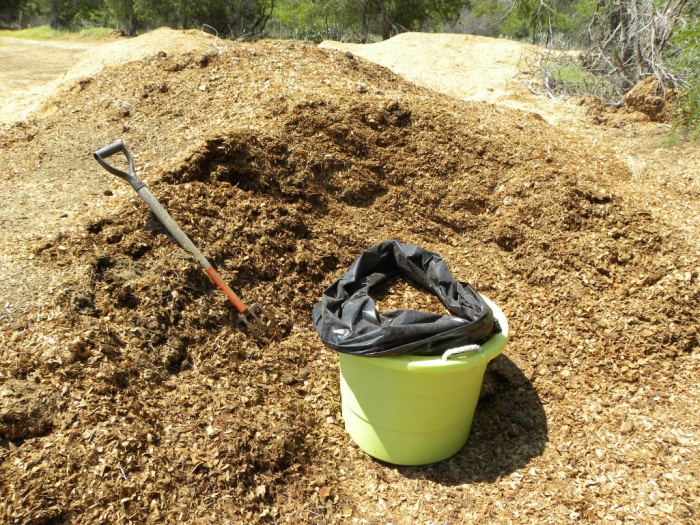
Mineral fertilizers, especially nitrogen fertilizers, must be carefully dosed, as too much nitrogen will immediately affect the taste of root vegetables. Phosphorus-potassium mixtures are applied only in the fall. Potatoes are generally not fertilized during the growing season.
Technology for increasing crop yields
For many gardeners and farmers, the Impala variety has long been a guarantee of consistently high yields and maximum preservation of marketable potatoes. But how did they achieve this result, given that the variety was developed by foreign breeders and was not originally intended for cultivation in our country? Many years of successful cultivation have allowed us to identify certain factors and characteristics that influence the crop's productivity and overall yield.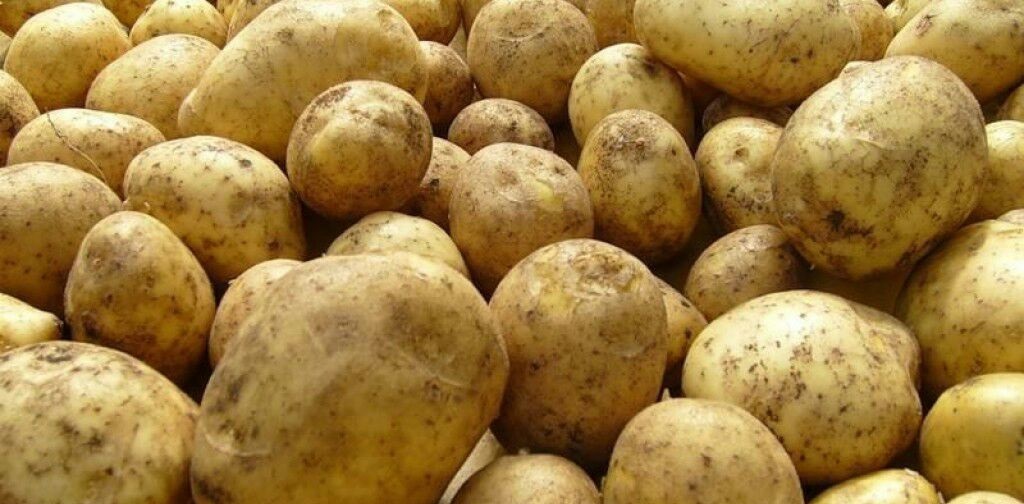
First and foremost, it's the quality of the soil. To achieve a high yield, fertile soil enriched with organic matter (humus) is essential, regardless of soil type. The soil should be loose and deeply plowed. It's important to ensure that the top layer is always permeable, so loosening the soil after each rain and watering is essential.
The next key to high yields is temperature. It has been observed that potatoes germinate faster in southern climates, where the optimal temperature for root development is 18-25°C. The same effect is observed when growing the crop from seedlings in greenhouses or indoors. However, for abundant flowering and uniform root development, a lower temperature of 17-20°C is required.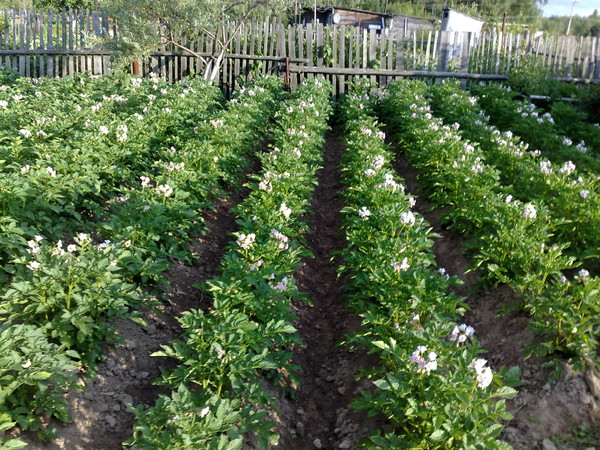
Another factor affecting potato yield is precipitation. For the Impala variety, 250-300 mm of precipitation is considered optimal throughout the growing season. This isn't much, but given the variety's early maturity, it's sufficient to keep the soil slightly moist at all times. If the summer is hot and precipitation doesn't reach this level, moderate and even soil moisture should be ensured.
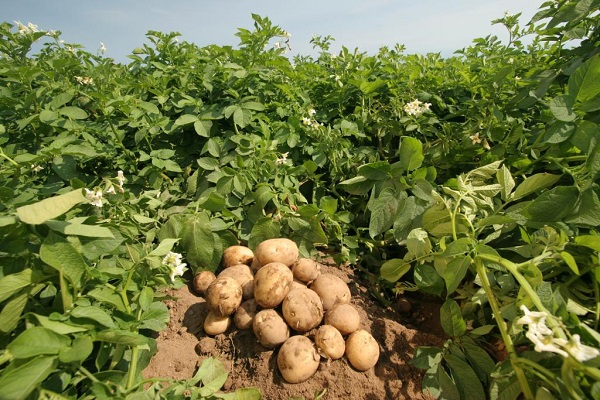
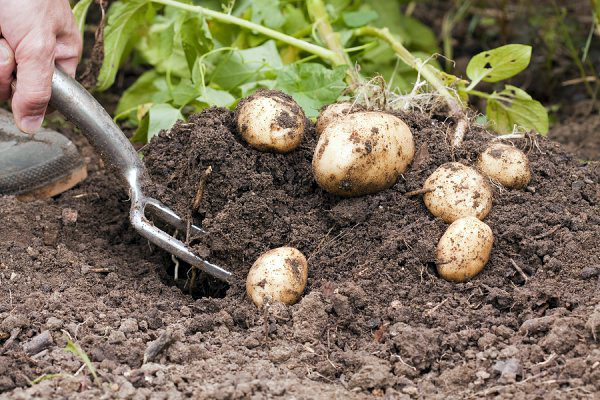
Since this variety allows for two harvests in a single season, it's a good idea to learn how to do it technically. It's simple: dig up the bush on a cloudy day, remove the large tubers, leaving the smaller ones behind, and replant the bush, thoroughly watering the hole. New tubers usually form within a month, and the small ones grow to large sizes. Doubling the bush can increase yields by almost half.
Video "Growing"
From the video you will learn how to grow potatoes.