
Bellarosa Potato - Variety Description
Content
Characteristics of the variety
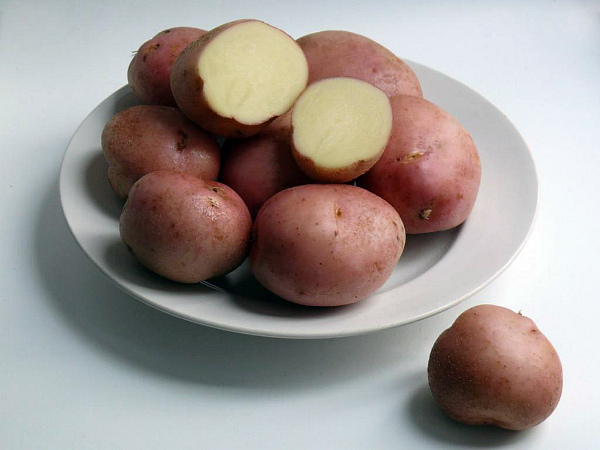
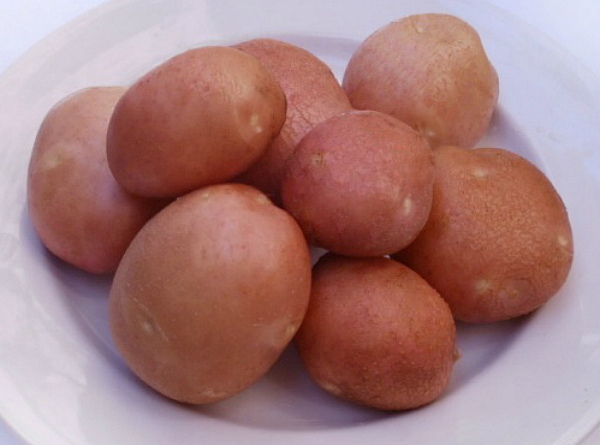
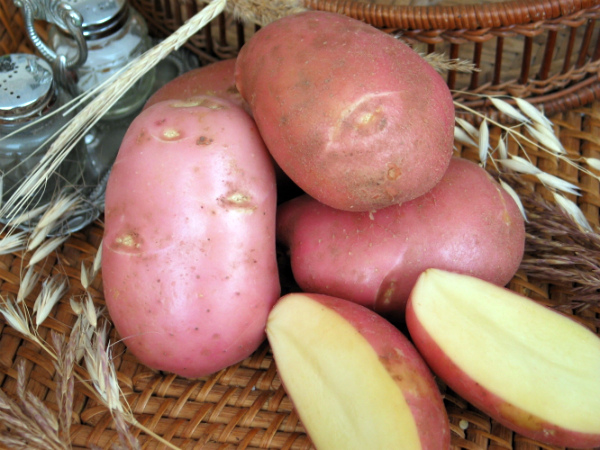
The tubers of this potato variety are round and regular in shape, with a thick, rough skin of a pink or reddish hue. The flesh is firm, yellowish, and has a good, slightly sweet flavor. The tubers have eyes, but they are small and shallow. Each plant produces an average of about ten tubers, each potato weighing approximately 200g.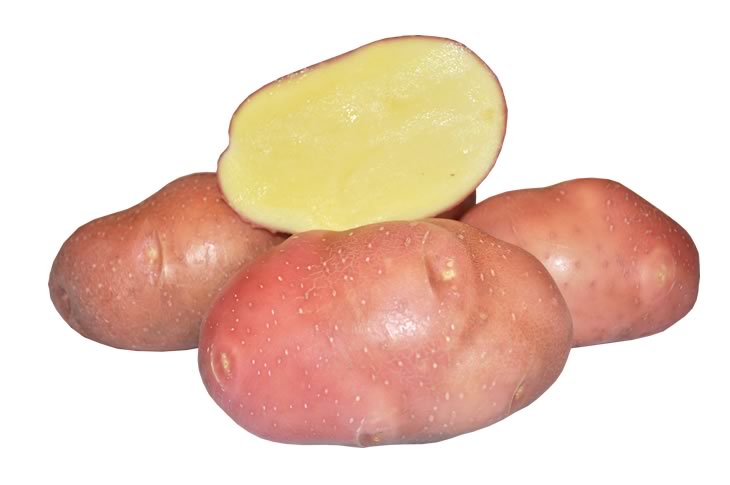
The Bellarosa variety is distinguished by its early maturity – the ripening period takes only 65 days, and partial digging of the bushes is possible as early as the 45th day after planting.
In some regions of our country, the crop can produce two harvests in one season, especially in the southern regions.
Many gardeners note the uniquely high yield of this potato—the variety easily yields around 25 tons per hectare of planting, and under favorable conditions and proper care, the yield can reach 40 tons of fruit per hectare of soil.
It is noteworthy that the overwhelming majority of harvested tubers – more than 90% – have a good marketable appearance.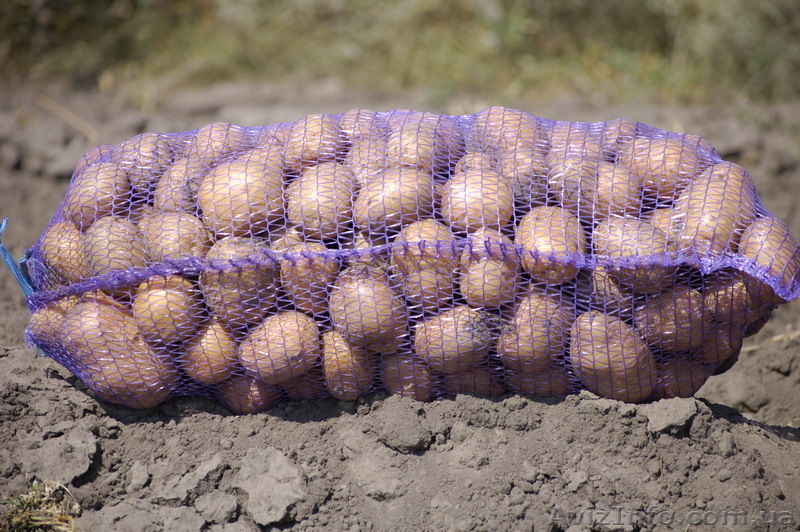
Another important characteristic of this variety is its drought tolerance: it can be grown in areas where adequate, timely irrigation is unavailable. The only limitation is avoiding planting tubers in clay soil, as it negatively impacts the tubers' size and flavor. Despite being an early variety, this variety has good shelf life.
Video "Appearance of the Variety"
After watching this video, you will clearly become familiar with this potato variety.
Soil preparation
Like any vegetable crop, the Bellarosa potato variety prefers to have its soil loosened twice: first in the fall, with a generous addition of humus or compost (at a rate of 5 kg per square meter of soil). The second time, the soil should be dug again in the spring, with a generous application of fertilizer: this will not only promote better growth but also enhance resistance to diseases and pests. However, be careful not to over-fertilize, as this can lead to root rot.
To avoid soil depletion, do not plant potatoes twice in the same area, and do not plant Bellarosa after nightshade crops.
Landing
Considering that each potato bush will produce at least ten large root vegetables, they need to be planted at a sufficient distance from each other: the distance between bushes within a single row cannot be less than 40 cm, and between the rows themselves, at least 90 cm must be maintained. 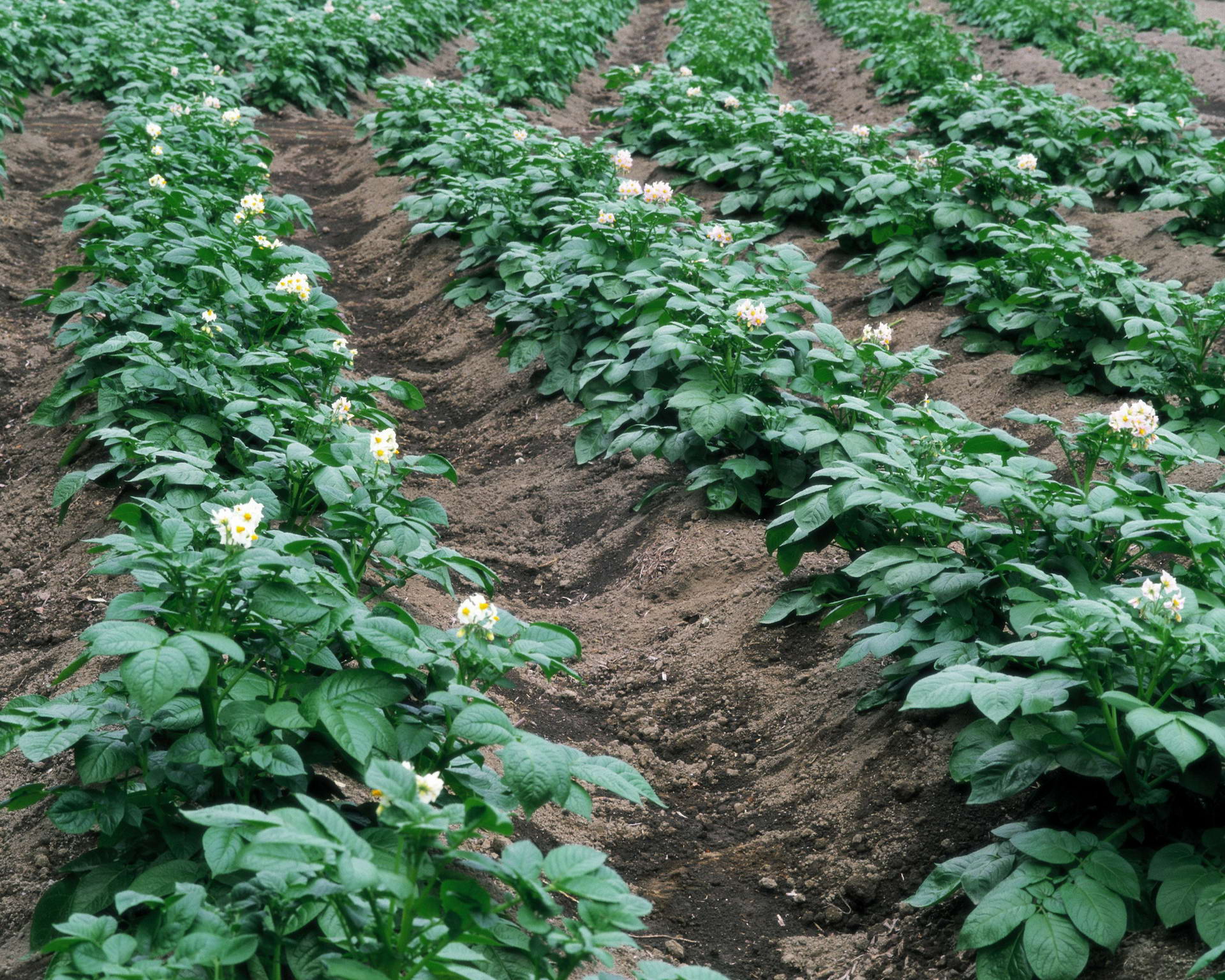 There is no need to water the plants after planting; this may only be necessary in the driest regions; in the central zone, Bellarosa has enough natural moisture from the soil.
Care Features
Like any potato, Bellarosa, as the variety description suggests, requires regular weeding and thorough soil loosening. This effectively removes weeds and allows the roots to receive more air. During one growth cycle, loosening should be done three times, the first time immediately after emergence.
To ensure a bountiful harvest, carefully select a planting site: choose a sunny location, as insufficient light can cause the tubers to shrink.
When planning your harvest, be sure to remove the tops (the above-ground portion of the plants) about a week in advance. This will increase the flow of juices to the tubers, effectively improving flavor and ensuring longer storage. Harvested potatoes should be placed in boxes and left to dry for a week. After this, the roots are sorted and stored.
Diseases and pests
Thanks to the efforts of breeders, the Bellarosa variety is highly resistant to most diseases, and the tubers are also resistant to mechanical damage. However, even the damage that does occur is quickly healed by the skin during the growing process.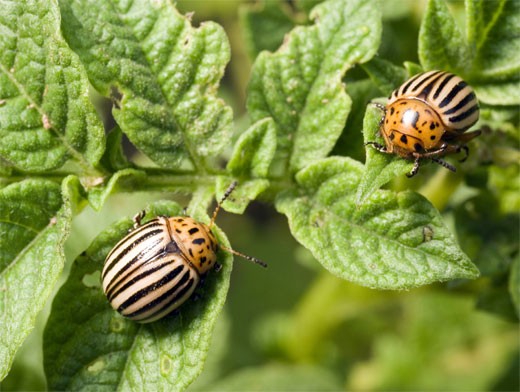
The situation with pests is different: the Colorado potato beetle, a scourge of many vegetable crops, is particularly fond of Bellarosa. If the insects are few in number, it's best to collect them mechanically, but when widespread infestation occurs, specialized agricultural products can be used.
Growing this variety, as you can see, is not associated with great difficulties, and the result will exceed all your expectations.
Video "Diseases and Pests"
This video will teach you how to combat potato diseases and pests.