
Universal early-ripening potato variety Gala
Description
Gala is an early-ripening hybrid developed by German breeders in the early 21st century. In 2008, it was added to the state register and is recommended for cultivation in the central and northern regions.
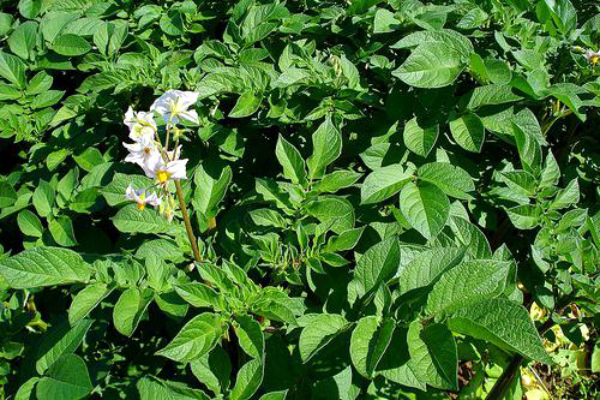
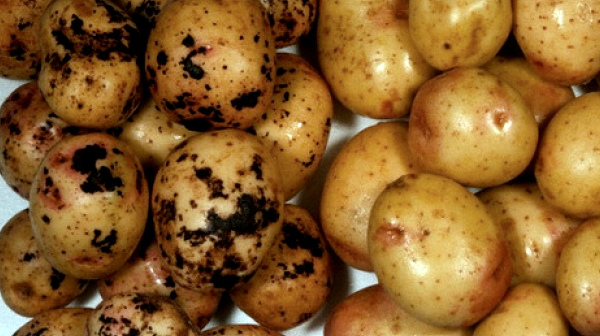
According to the variety description, this is an upright annual plant with a fleshy, sturdy stem and large, bright green, broad leaves with wavy edges. The healthy, spreading bush is medium in height and requires ample space to grow freely. The inflorescences are white with medium-sized corollas. The smooth, oval tubers, weighing up to 120 grams, have virtually no eyes, making them easy to peel and a welcome feature for many home cooks. The potatoes are covered with a medium-thick, yellow skin. The flesh is yellow, low in starch (13%) and high in carotene, making this variety popular in dietary nutrition.
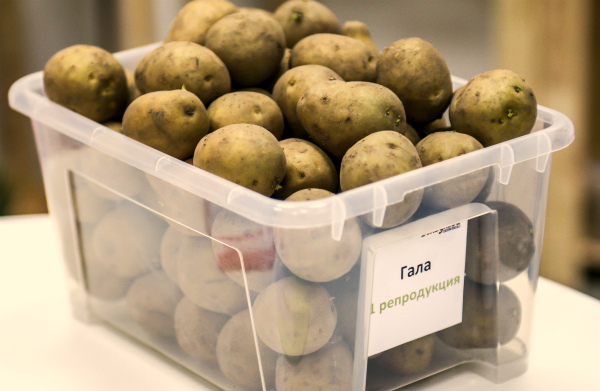
Characteristics
When choosing a particular variety of root crop, the following characteristics are taken into account:
- productivity;
- unpretentiousness in cultivation and care;
- universality of cultivation regardless of region;
- plasticity to temperature changes and climatic features;
- resistance to pests and diseases;
- long shelf life;
- pleasant taste.
The Gala potato variety fits all of these descriptions.
The root crop is renowned for its high yield – one bush can produce 10 to 25 medium-sized tubers, depending on weather conditions. This variety reaches consumer maturity 70–80 days after planting. Other important characteristics include resistance to damage, making it suitable for mechanical harvesting and long-distance transportation.
This is a table potato with a tasting score of 9 out of 10. According to chefs, the tubers do not fall apart when boiled or baked whole, do not darken, and do not change their fiber structure.
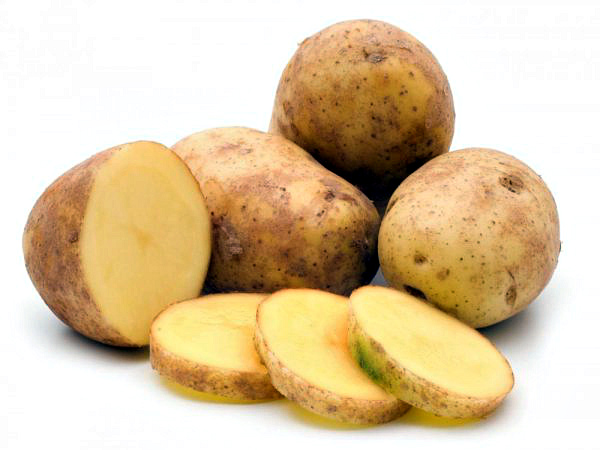
As for the nutritional value of potatoes, the characteristics of the variety are impressive:
- protein 3–3.5%;
- vitamin C – about 12 mg per 100 g of product;
- potassium – 500 mg per 100 g of weight.
It is recommended for the elderly, those with metabolic disorders, and those with cardiovascular diseases. In terms of energy value, 100 grams of potatoes contain 800–900 kcal.
The variety is resistant to two types of nematodes, has a highly marketable appearance, and a good shelf life. For this purpose, it is recommended to remove all the tops 10-12 days before harvest, which will preserve up to 90% of the tubers firm and juicy until spring.
Care Features
For planting, select small tubers and warm them in the sun for several days. This will help identify infected seedlings. To protect against fungal infections and wireworm damage, tubers can be treated with Maxim, Tabu, or Bunker solutions, following the instructions on the labels.
The planting dates are determined by:
- temperature and soil conditions;
- amount of precipitation;
- weather conditions.
The optimal time is mid-May.
Plant in a level, well-ventilated, sunny area with a low water table. Gala will not thrive in low-lying or marshy areas.
The distance between the holes should be no more than 75 cm, and the depth of the furrow should not exceed 15 cm. Young shoots are first covered with soil to promote the development of a strong root system. After planting, up to 2 liters of water are poured under each seedling.
The breeders' description states that this variety prefers moderate, even watering. Avoid allowing the soil to become waterlogged, as this will cause the plant to become diseased. During periods of extreme heat, drip irrigation is convenient, providing 1–1.5 liters of water per plant.
This is a drought-resistant plant, but severe overheating can lead to the proliferation of viruses that cause the tops to curl.
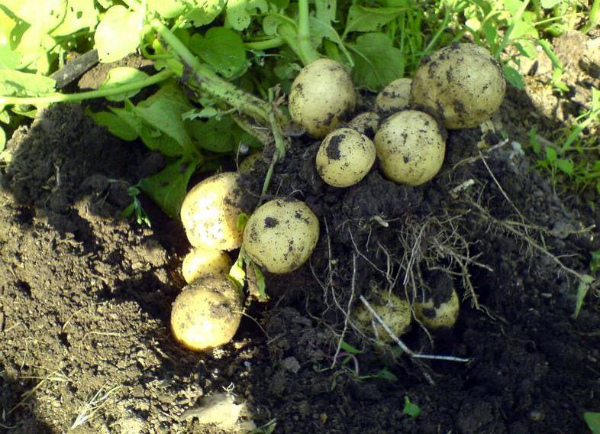
The first hilling is done when the plant reaches 7–10 cm in height. According to many gardeners, this procedure is highly beneficial:
- allows you to clear the ground of weeds;
- protects young shoots from frost in northern regions;
- maintains the necessary moisture;
- improves soil permeability and increases oxygen levels;
- enhances the growth of lateral shoots;
- increases crop yields.
The second hilling is carried out after a thorough watering. If the air temperature does not drop below 300⁰ C, the surface layer is loosened and weeds are removed.
Gala can grow in any soil, developing especially well in light sandy or sandy loam soil, fertilized during the second hilling period.
When it comes to fertilizing, it's best to stick to this schedule:
- in autumn the soil is covered with rotted manure (5–7 kg), superphosphate (30 g) and potassium sulfate (15 g);
- In the spring, just before planting, add 0.5 buckets of peat or compost, 20 g each of nitrophoska, potassium sulfate and ammonium nitrate to each square meter of land;
- During the growing season, pour half a bucket of an aqueous solution of chicken manure or fresh cow dung in a ratio of 1:10 per 1 square meter.
It's recommended to treat acidic soil with lime in late autumn. To do this, incorporate dolomite flour or chalk into the soil to a depth of 35 cm at a rate of 500–700 g of powder per square meter. Experienced farmers recommend repeating this procedure every five years. If the soil is too dense and heavy, it's best to dig it over in the fall and add crushed rock or pebbles for drainage.
The seedlings are distinguished by their uniform germination, which significantly facilitates further agricultural activities.
The Gala variety is susceptible to black scab and late blight, which can be controlled through timely prevention and treatment with special preparations such as Maxim, Quadris, or Baktofit, strictly following the instructions on the packaging.
Given the early ripening period, in the southern and central regions it is possible to harvest two or even three crops per season, making this variety one of the most popular among gardeners.
To prevent the development of gray mold, tubers in industrial storage are pre-treated with Maxim or Baktofit. As the description suggests, the dug-up root vegetable should be soaked in the prepared solution for 10-15 minutes.
Video: "Review of the Best Potato Varieties"
This video will introduce you to the best potato varieties, including the popular Gala variety.