
Technology of growing potatoes from seeds
Content
What are the advantages?
Potatoes can be propagated in several ways: by dividing tubers, by seeds, by rooting cuttings, and by planting sprouts. The latter two methods are the most common.
Seed potatoes are primarily the result of selective breeding, which has allowed scientists to improve certain characteristics of the vegetable. This has resulted in improved tolerance of the root crop to variable weather conditions, yield, and resistance to various diseases and fungi.
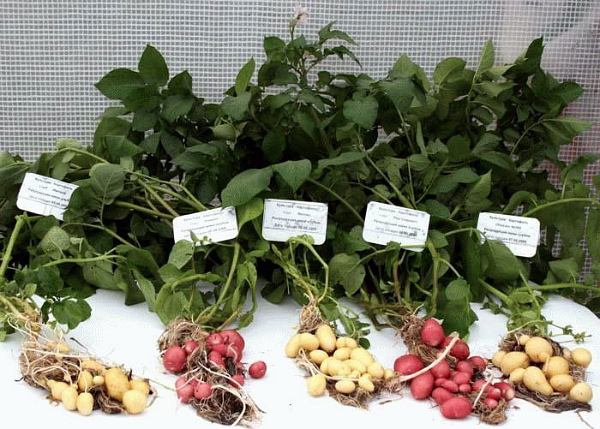
Unlike seed potato varieties, the cost of the plant seeds themselves is significantly lower. Since a certain portion of the harvest must be saved for planting the following year when growing tubers, this has a definite impact on the profitability of this method.
Of course, the traditional method is very simple, but it's important to remember that specific storage conditions for root vegetables will be necessary throughout the winter. The planting material must be protected from moisture, rodents, insects, or fungal growth. It will also be necessary to periodically sort the potatoes, regardless of variety, as the tubers constantly sprout, drawing essential micronutrients from the fruit.
Seed potatoes not only save money but are also much easier to store. The packaging protects the seeds from moisture and harmful microorganisms, ensuring they remain in good condition until planting. Potato seeds have a longer shelf life and take up less space (no special storage conditions, such as a cellar or basement, are required).
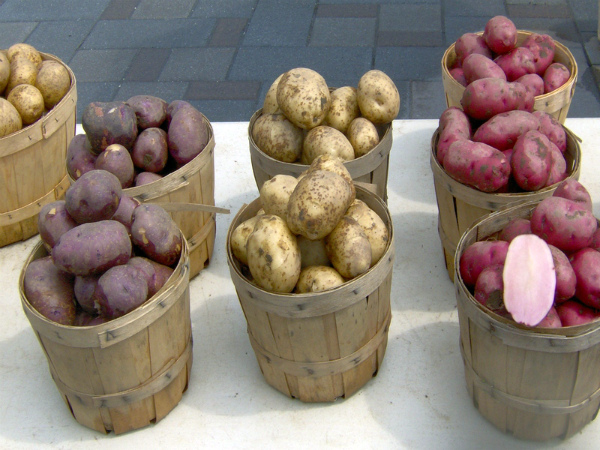
From the very beginning of planting, seed potatoes have been free from any diseases, as selection has contributed to increased resistance to late blight and other unfavorable factors.
It's also worth noting that the yield increases significantly when growing vegetables using this method. After each season, you'll have the opportunity to select the most suitable tubers for planting. Since individual plants can vary in tuber and foliage size and disease resistance, you can select the best specimens for planting next year. It's also important to consider the characteristics of individual varieties, as they can vary significantly.
Step-by-step growing instructions
Seed potatoes require a special approach when growing. Before planting, it will be necessary to obtain seedlings, which the gardener will then place in the soil. This can be done at home, without going to the site.
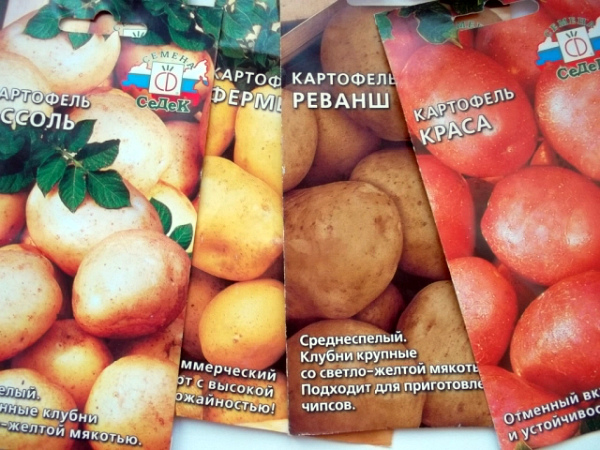
First, you need to choose the right variety of potato.
Early varieties include Ilona, Empress, Triumph, Velina, Farmer, Ausonia, and Velina. Farmer is the most productive of these. This variety does not require pricking out (removing part of the root to stimulate branching). Mid-season varieties include Deva, Revanche, Ballada, and Krasa.
Once the gardener has determined the potato variety that he will grow on his plot, he needs to begin preparing the seedlings.
If gardeners have the opportunity to collect the seeds themselves, they should do so in the summer, when the potato bushes begin to bear berries. The berries are greenish-white. This way, they can collect seed from the previous harvest and continue growing potatoes at home, preparing them for the next season. The berries are placed in cheesecloth bags and then hung to ripen in a warm, dry place. When the berries become soft and lighter in color, they should be carefully crushed and the seeds poured into a container. They should then be thoroughly washed and dried again. It's important to remember that this seed doesn't have a high germination rate, so a large quantity will be needed.
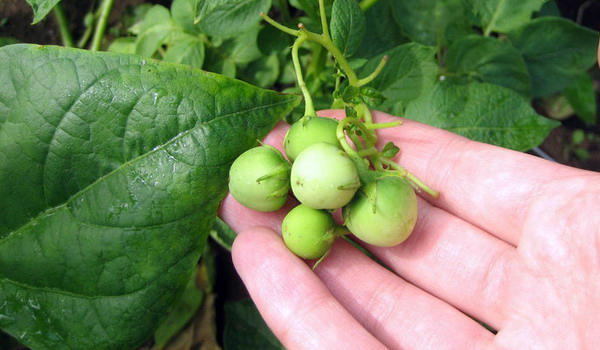
After the berries have ripened, it is advisable to use the seeds within two years, as they may not take root at a later time.
Potato seeds germinate quite slowly, so the procedure will need to be carried out well in advance. The most important thing is to get the first sprouts; after that, no special care is required.
First, you'll need to soak the seeds in water. Two days is enough. You can also harden the seeds. To do this, move the container periodically over the course of 10 days—leave it indoors during the day and refrigerate it overnight (but avoid keeping it below freezing).
Germination should be carried out at an average temperature of 40 degrees Celsius. For this purpose, you can create a small greenhouse to maintain a stable air temperature. The best time for this is late March or early April.
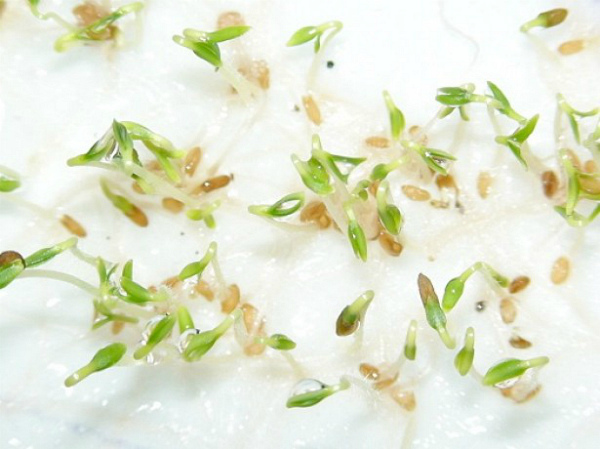
After the seeds have sprouted, wait a while before planting them in the ground. You'll need to plant the seeds in a special soil mix. To do this, mix one part black soil with four parts crushed peat. The vegetable seeds should be arranged in rows, spaced 10 centimeters apart, and 5 centimeters apart within each row. Then, you can sprinkle the seedlings with clean sand (no more than half a finger's depth) and lightly compact it.
The first stage has its own difficulty – a weak and vulnerable root system.
The next step is to tightly wrap each seedling box with plastic wrap or cover it with glass and place it in a warm place. If done correctly, the first shoots will appear in 10-12 days. Once the leaves appear, you can transplant the plants into special peat pots, which are available in stores. This procedure should be carried out with extreme caution, as the first shoots are very delicate and finicky. The soil should be kept moist, so water it as it dries out. Once the root system has strengthened and developed, ammonium nitrate can be added to the soil.
Before planting the potato cuttings in open ground, you'll need to maintain their stable growth and avoid sudden changes in the environment. When the time is right, plant the plants in the ground.
Video: How to Grow Potatoes from Seeds
In this video, an expert answers pressing questions: why grow potatoes from seed, how to sow properly, how to grow potato seedlings, and more.
Planting in the ground
Seed potatoes are planted after the last frost, depending on the variety. The optimal time is May. Before planting, the soil must be prepared. Since the potato root system develops rather slowly, loose, soft soil is essential.
First, you need to dig holes. Each hole should be about 10 centimeters deep. Add 400–500 grams of compost, then add half a liter of water. Place the seedling in the soil so that the stem and leaves remain above the soil.
If the weather forecast predicts a turn for the worse, you can cover the entire seedling bed with plastic. In dry weather and hot sun, water the potatoes about every two days. Gardeners can also use the soil's dryness as a guide.
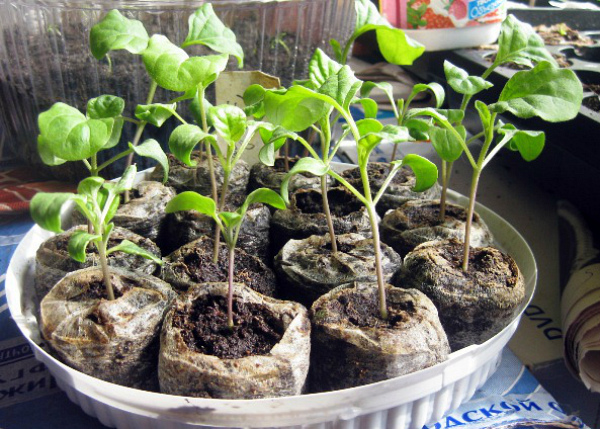
When growing seedlings in open ground, it's important to regularly hill each plant in the beds, weed, and loosen the soil to improve oxygen and water flow. Depending on the variety of seeds grown, harvesting occurs at a specific time. On average, the vegetables ripen within three months. Watering and fertilizing the soil regularly throughout this period are sufficient to improve the soil's properties.
If you want to use potatoes from the current harvest for future planting, it's best to collect the best tubers. This will allow you to grow disease-free vegetables next season that will be similar to the potatoes harvested last year. Subsequent propagation of potatoes can be done using these tubers.
Care
Growing seed potatoes usually requires careful plant care. To ensure good planting material next year, favorable growing conditions must be provided.
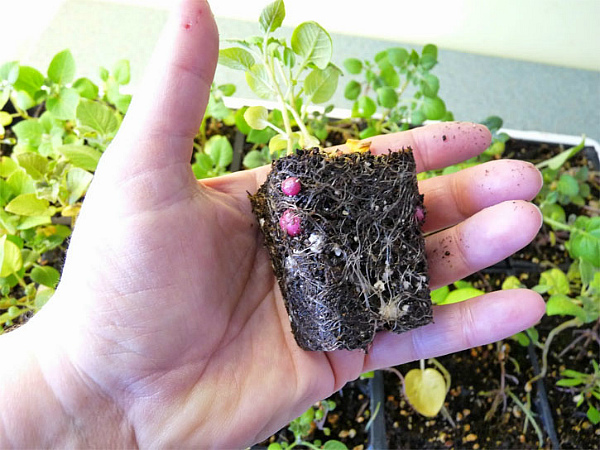
After planting the plant in open ground, you need to pay attention to the local weather conditions.
Many experienced gardeners recommend keeping plants under cover until they adapt to the new location and surrounding temperatures.
If seedlings are planted too early, sudden frosts can not only reduce the seasonal harvest, but also expose the crop to disease and cause changes.
It's important to water the plants regularly to ensure the root system doesn't become dehydrated. During seasonal rains, you can go without watering for a while, depending on the amount of rainfall. If the vegetable is grown in a greenhouse, moisture can't naturally reach the soil. Therefore, watering should be done more frequently, but sparingly.
Once the bushes have grown, you can hill them up to prevent them from collapsing under the weight of their foliage. Hilling can be done every 3-4 weeks.
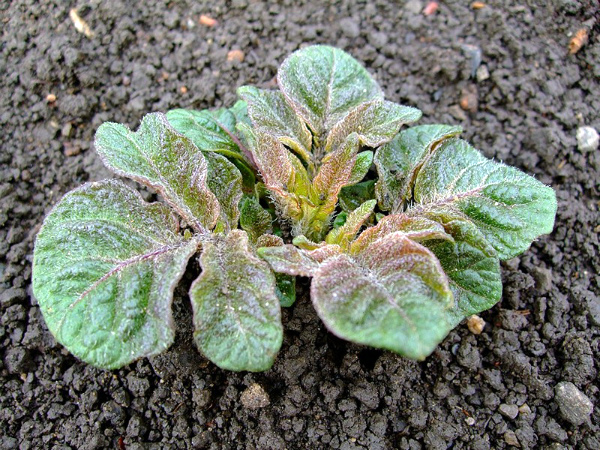
After flowering, Colorado potato beetles often appear and begin devouring the foliage. This causes the plant to become diseased. This requires the use of specialized pest control products. Chemical sprays can be used, as can attracting birds and insects that feed on Colorado potato beetles. At home, gardeners can also prepare their own pest control products. Commonly used remedies include a soap solution with added ammonia or wood ash.
If you notice unusual spots or yellowing appearing in certain areas of your shrub, you should remove them. This could indicate a disease. It's crucial to identify the underlying cause and spray the plants with a specialized chemical to eliminate it.
When growing potatoes, fertilizing requires special attention. Fertilizers should be applied to the soil before planting, preparing the soil, but special additives can also be added to the soil during the potato's ripening period. When water hits these nutrients, the liquid will draw nutrients into the soil and then be absorbed by the root system.
Video: "Potato Seedlings: Picking and Transplanting"
See what it looks like to transplant potato seedlings sprouted from seeds and transplant them into disposable cups.