
Technology of growing potatoes from seeds
Content
How to preserve a variety
Experienced gardeners know that any potato variety gradually deteriorates: its flavor deteriorates, and its yield declines. This happens because potatoes are planted year after year within the same variety, meaning there's no renewal of the seed.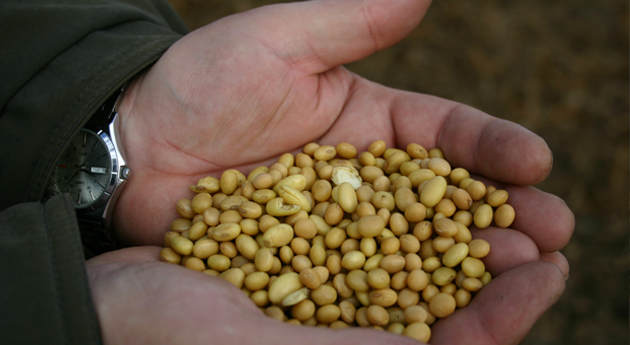
The easiest way out of this situation is to purchase varietal planting material. However, this is quite expensive, and there's no guarantee that the tubers purchased will truly be elite, and not simply selected from a common harvest. Alternatively, you can learn how to grow potatoes from seed so you can produce your own seedlings without incurring significant costs. Potatoes contain seeds that, fortunately, don't show signs of degeneration and don't carry hereditary information about plant diseases.
You can collect the seeds yourself in your own garden beds, or you can purchase prepared, processed seeds in specialized agricultural stores.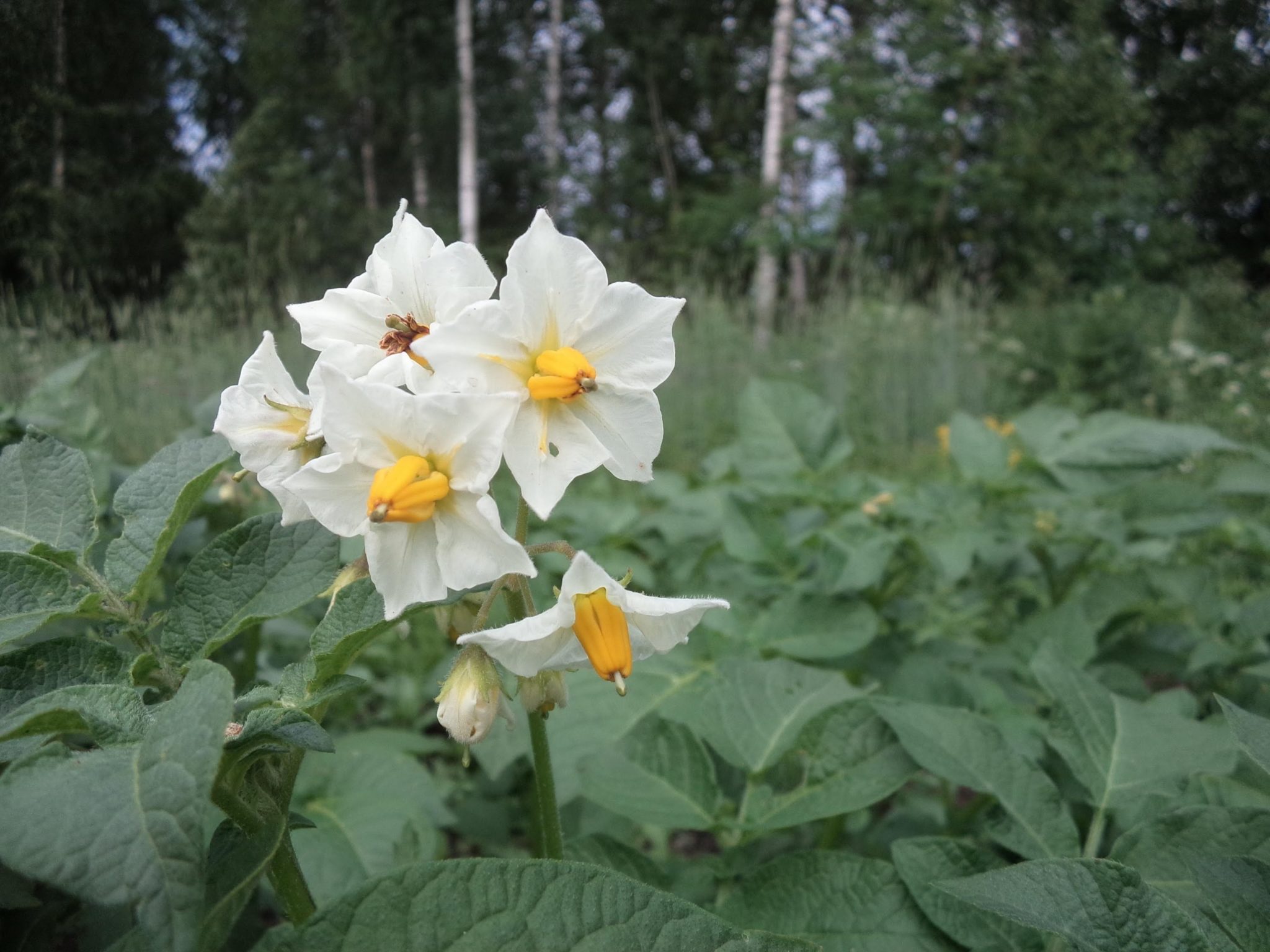
The latter option is the most acceptable, since the resulting potato seedlings will be strong and resistant to negative environmental influences.
Video: Growing from Seeds
This video will show you how to grow root vegetables from seeds.
Features of agricultural technology
Potatoes grown from seeds at home are distinguished by the fact that the resulting plants will not be of the same species. However, each package (if you purchased seeds) will state that you will receive a complete population, and the plants will have a different set of phytogens. So, you can choose the ones that best suit your needs in terms of qualities and growing conditions. In other words, when growing potatoes from seeds, you act as an individual breeder.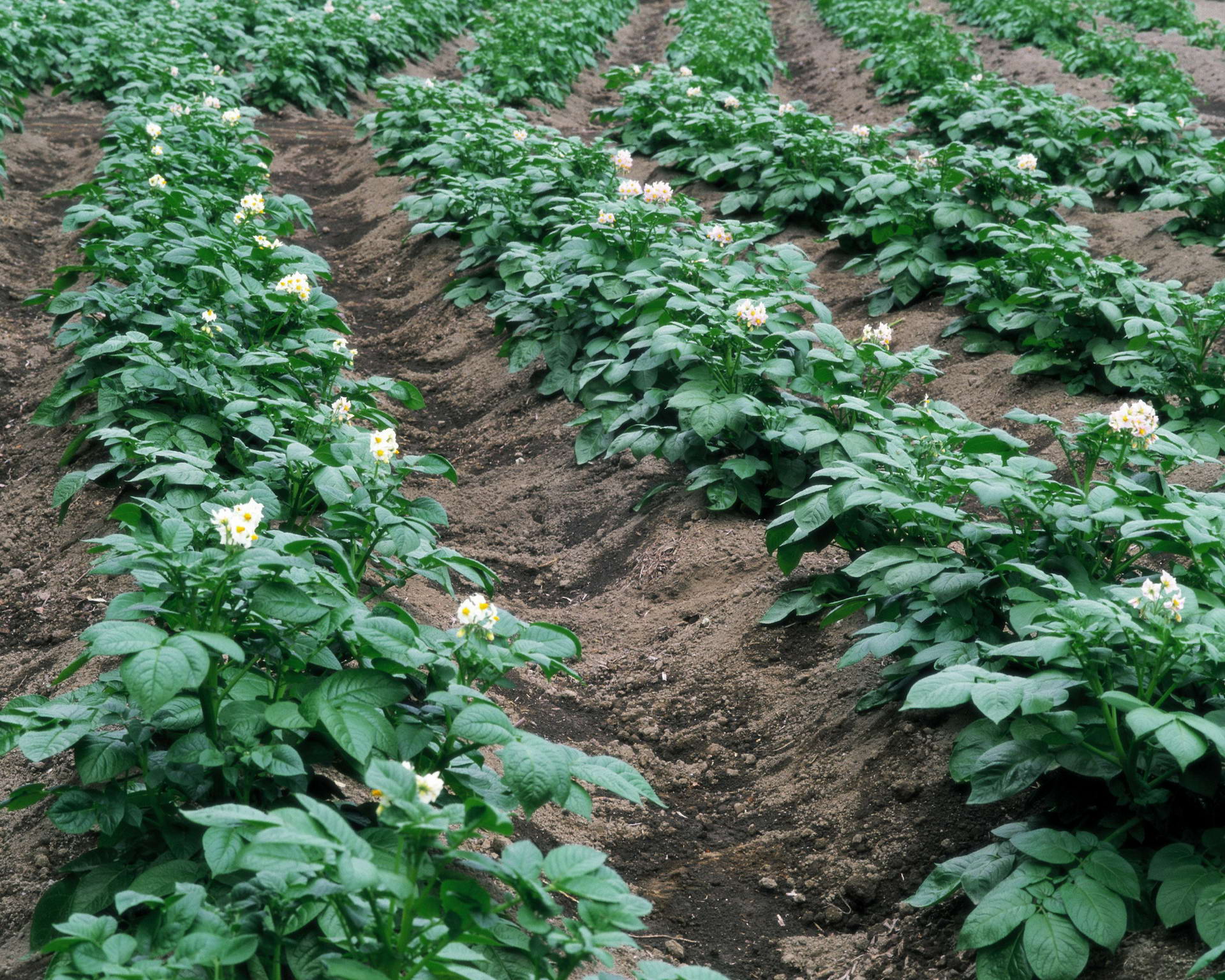
Methods of growing from seeds
Experienced farmers use two main methods for growing potatoes from seed: sowing seedlings and direct seeding. Direct sowing of seeds in the ground produces small root crops suitable only for planting the following season. This method seems simpler, as it requires no additional manipulation of the seedlings, but it's important to remember that seeds have a low germination rate, so the development process can be lengthy.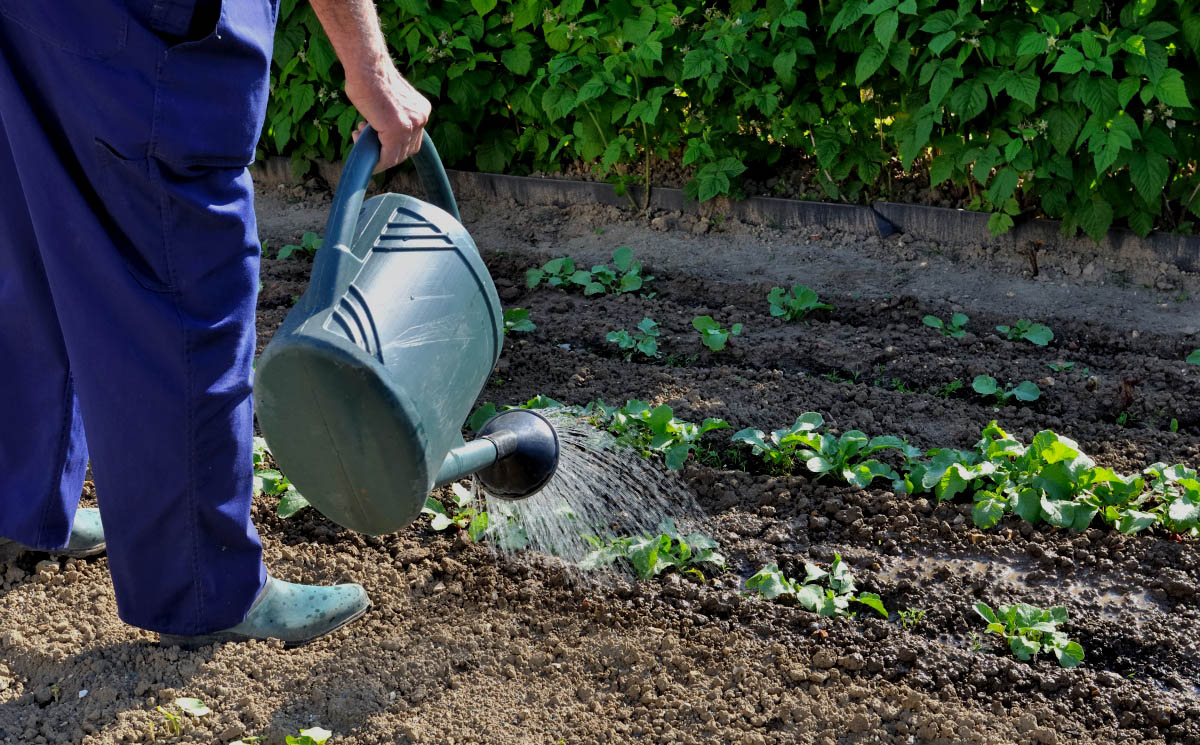
If you're planning to grow seedlings, the process will be very similar to growing tomato seedlings, but there are a few differences:
- Potato seedlings are very fragile, so transplant or pick them out with extreme caution;
- For normal development of potato seedlings, looser soil and a longer period are needed;
- young shoots are very demanding in terms of lighting conditions; in many cases, additional lighting may be necessary;
- Potato seedlings are extremely sensitive to diseases.
Preparing and planting seeds
Potato seeds can't simply be sown in the ground; they need to be germinated first. This should be done as early as March, by placing the seeds in clean water for several days. It's not necessary to completely submerge them; just provide a moist environment.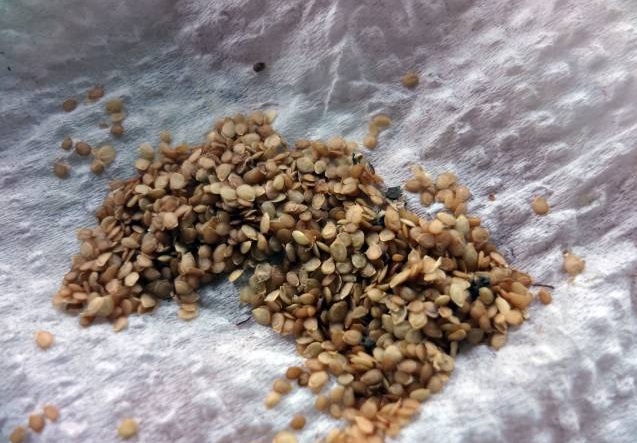
A damp cotton cloth, which should be moistened regularly, is best for this purpose. It's also important to maintain proper temperature control—germinating seeds should be kept in a warm place, ideally near a central heating radiator.
To influence the efficiency of seed germination, it would be a good idea to treat it with some kind of growth stimulator.
Another point that has a positive effect on future plants is hardening the seeds (to do this, simply place the bowl in the refrigerator for a certain period of time, and then return it to a warm place).
Transplanting and growing seedlings
As soon as your seeds sprout, sow them. A special tray at least 10 cm deep, filled with loose, nutritious soil mixture, is suitable for this. Carefully and gently place the sprouted seeds on the soil surface, leaving about 5 cm between them and 10 cm between rows. Then, lightly cover the seeds with soil and mist with water from a spray bottle. In principle, all initial watering should be done exclusively with a spray bottle, otherwise you risk washing away weak and unrooted seeds. The surface of the tray should be kept slightly moist at all times, but avoid overwatering. Until the seedlings appear, it's best to cover the container with plastic or glass and leave it in a warm, well-lit place. The first sprouts will appear no earlier than 10 days later.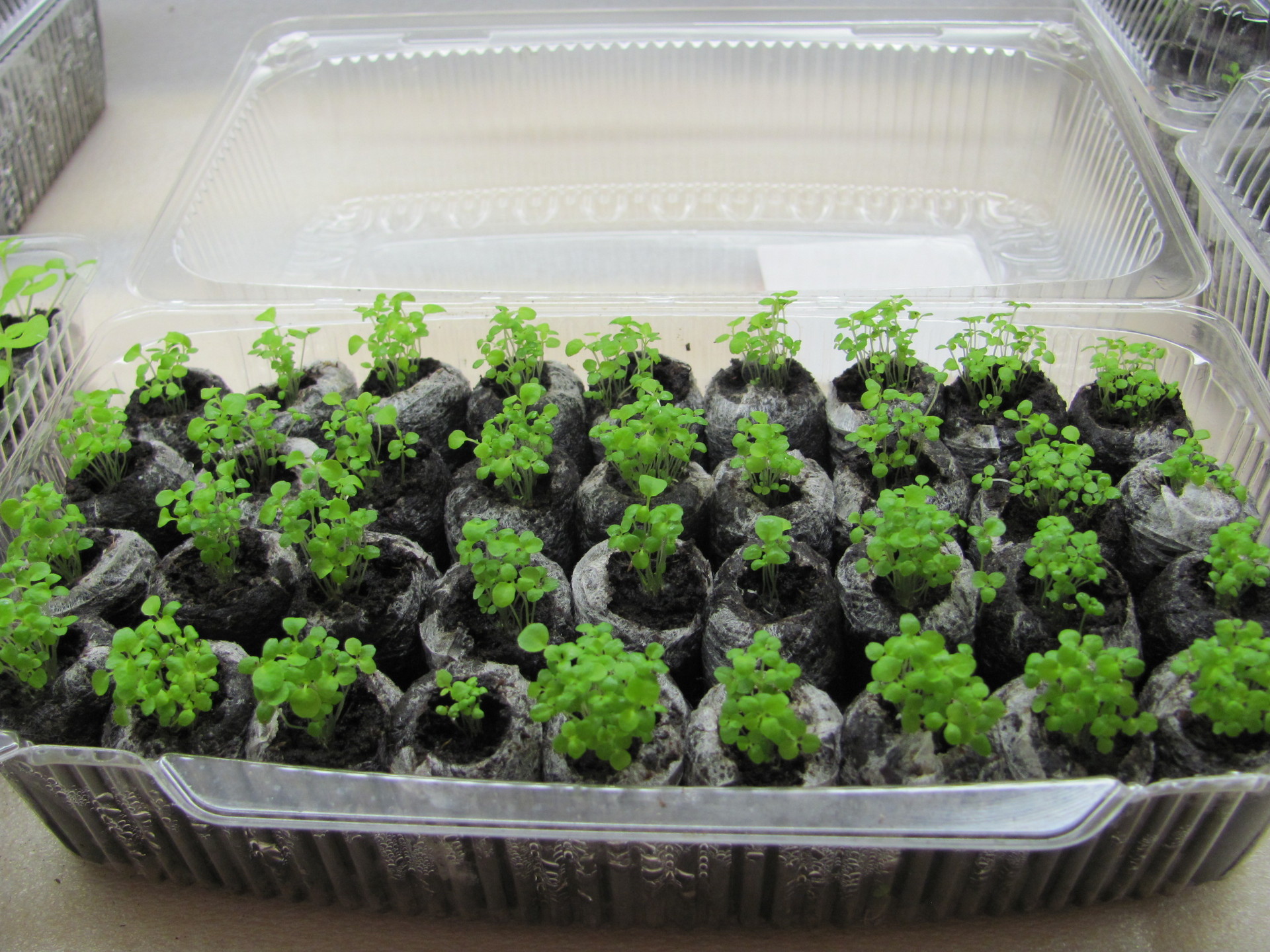
Once the seedlings have grown and formed a couple of true leaves, you can begin transplanting them into peat pots, making sure to provide a drainage hole. Be sure to rotate the seedlings regularly to prevent them from stretching or bending toward the light source.
While the seedlings are developing, they need to be fed. Use organic fertilizer at least once a month. Periodic hardening-off treatments are also helpful: occasionally leave the seedlings in the box overnight on a glassed-in balcony. Before planting outdoors, you can leave the potato plants there for a week.
Planting in open ground
Once the last threat of frost has passed, you can begin planting potatoes in open beds. This should be done in the third ten days of May, when the weather has warmed up sufficiently. Don't forget to prepare the soil by thoroughly digging and loosening it, and adding organic fertilizer to the holes. Plant the potatoes in shallow (about 10 cm) holes, thoroughly moistened beforehand. Firm the plants down so that only the top three leaves remain above the surface. It's best to provide additional protection for the bed by creating a small greenhouse. This will help the young plants establish good roots and become strong. Remove the cover once the seedlings begin to actively develop and become fully established. Further care consists of regular watering, loosening the soil, and removing weeds. However, you should also monitor for possible insect attacks.
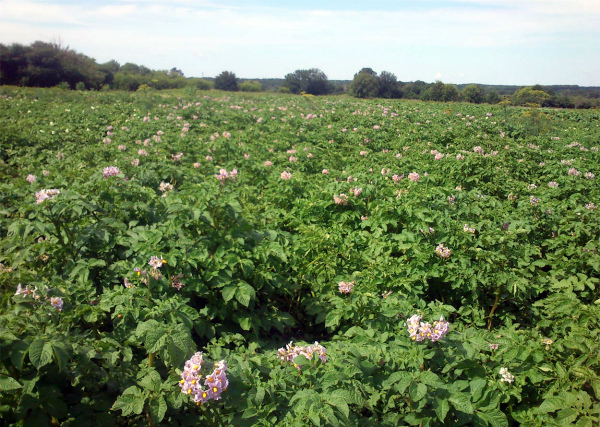
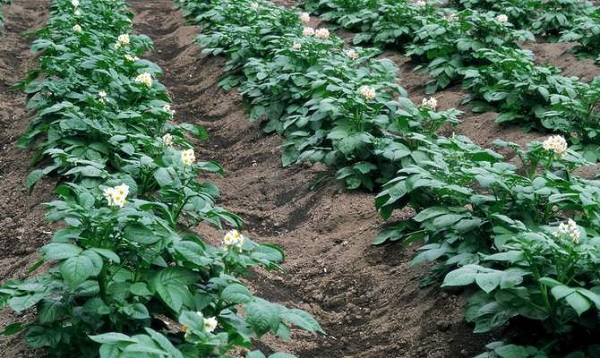
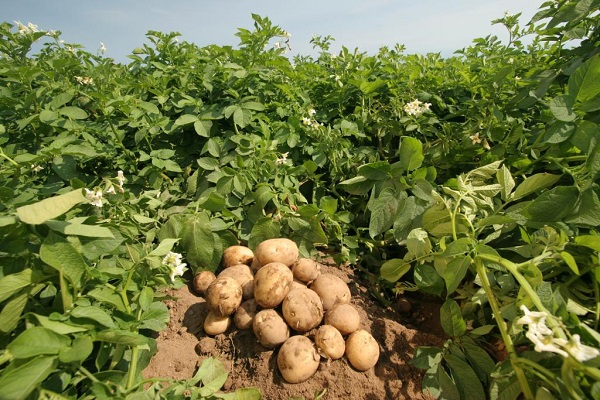
Now you know how to grow potatoes from seed. As you can see, it's not at all difficult, although it can be a bit of a hassle. But the results are worth the effort, as you'll get a unique variety with the perfect combination of qualities and properties for your needs. So, don't be afraid of the challenges, and onward to a great harvest! You'll see, you're sure to succeed, and your neighbors will even organize a whole tour just to admire your potatoes!
Video: Planting in Open Ground
This video will show you how to properly plant seeds in open ground.