
All about growing and caring for potatoes in open ground
Content
Landing
Potatoes are almost always planted outdoors, as the root crop is buried in the ground and doesn't require careful temperature and other conditions for proper growth. Furthermore, building greenhouses is too expensive and time-consuming.
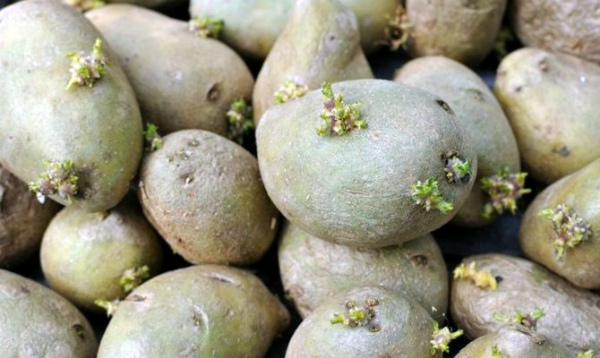
Potatoes are planted once a year. It's crucial to plant at the right time to ensure consistent growth. You'll also need to prepare the soil where the tubers will be placed.
This vegetable is primarily planted using tubers. Seeds are typically used for breeding experiments with new varieties, which saves money.
Deadlines
Planting potatoes in open ground is usually carried out between April and May. The weather should be warm for the soil to warm up by this point. The optimal soil temperature is 10–12 degrees Celsius at a depth of about 10 centimeters.
In the temperate zone, the time for planting could be determined by the appearance of the trees. For example, when a birch tree's leaves became the size of a small coin, it signaled the right time to plant root vegetables.
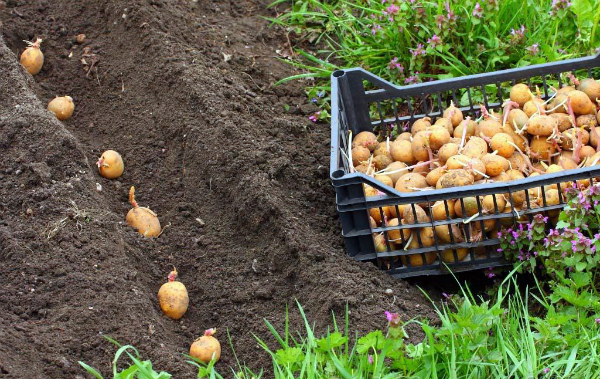
Technology
Typically, farmers or gardeners select part of the potato harvested in the fall for spring planting.
It's preferable to select tubers with an average weight of up to 100 grams. It's also important to check the roots for diseases and signs of fungus. This will affect the storage of the prepared potatoes, as well as the yield next year. Small potatoes are not suitable for planting. After selecting the potatoes, it's advisable to expose them to sunlight for a while to allow the tubers to turn green. This will extend the shelf life of the prepared potatoes and even prevent spoilage by rodents or insects.
During the winter and early spring, you'll need to periodically sort through the root vegetables for harvesting, as they will gradually begin to sprout. Once a month is sufficient. Remove the sprouts from each fruit to prevent them from absorbing nutrients the future plant will need when it emerges.
Before planting potatoes in open ground, they should be treated.
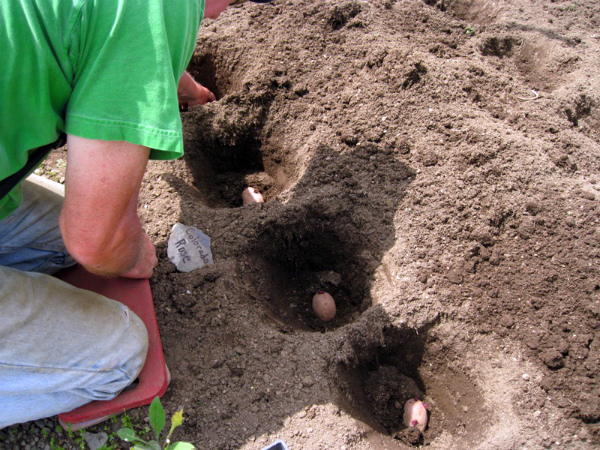
Soil condition greatly affects crop yield. To improve soil fertility, first of all, you need to till the soil and loosen it evenly. The deeper you dig the soil, the better. The optimal depth is 20-25 centimeters. The tubers should be placed in individual holes up to 10 centimeters deep. This will ensure free flow of oxygen and water to the roots. After digging the holes, you can add wood ash to the soil (a small handful per hole is sufficient). This natural fertilizer enriches the soil with essential micronutrients for plant growth.
After preparing the soil, you can place the tubers in the holes. The distance between them should also be maintained. The holes should be spaced at least 20 centimeters apart to ensure that the growing potatoes don't interfere with neighboring root crops and don't draw too much nutrients from the soil. Leave about half a meter between rows of seedlings to ensure uninterrupted sunlight access to each plant.
After planting is complete, care will be required to preserve and improve the properties of the future harvest.
Video: Planting Potatoes
An experienced farmer answers the most pressing questions related to growing potatoes.
Care
Increasing the yield of potatoes planted in open ground requires additional effort and care. Care is crucial when growing this vegetable, especially given the frequent diseases that plague crops in farms. If the farmer does everything correctly and at the right time, they will certainly be rewarded.
When growing potatoes, you will need to periodically water the soil if the soil is too dry, hill up the bushes, fertilize the soil, and, if necessary, treat the plants with chemicals to protect them from insects and fungi.
Watering
Watering is the most important point when growing potatoes.It's crucial that the soil receives sufficient water. However, it's important not to overdo it, as some of the harvest could simply be lost due to tubers rotting in the soil.
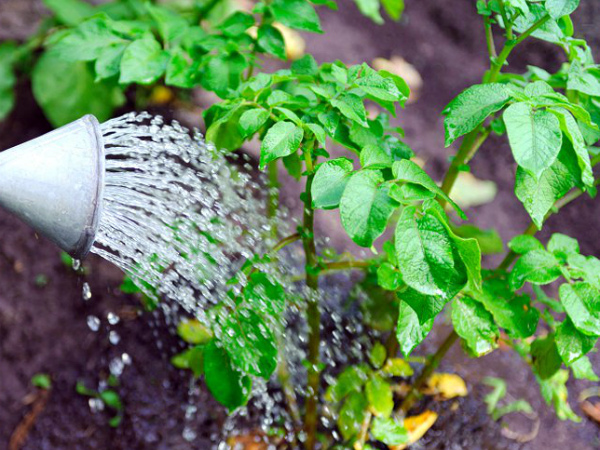
Plants should be watered when the shoots begin to emerge from the soil surface. As they grow and the weather changes, you'll need to increase the amount of water. The hot months of June and July will require the most water.
It's crucial to pay attention to the weather. If the air is dry and the sun is constantly drying out the soil, you'll need to water more frequently, but you can reduce the amount.
A good indicator of moisture levels for gardeners is the lower leaves of a plant. If they start to dry out, the soil needs watering.
With this type of care for the crop, you can count on stable plant growth.
Hilling
Hilling is an additional measure to improve yield. Soil is piled up against the bush's stem, creating a mound. This prevents the bush from falling apart and also promotes the development of stolons, which produce the main crop.
Hilling should be done at least twice per season. The first stage should be done when the bush reaches a height of about 15 centimeters, and the second stage should be done three weeks before flowering. This is best done when the soil is moist, one day after watering or rain.
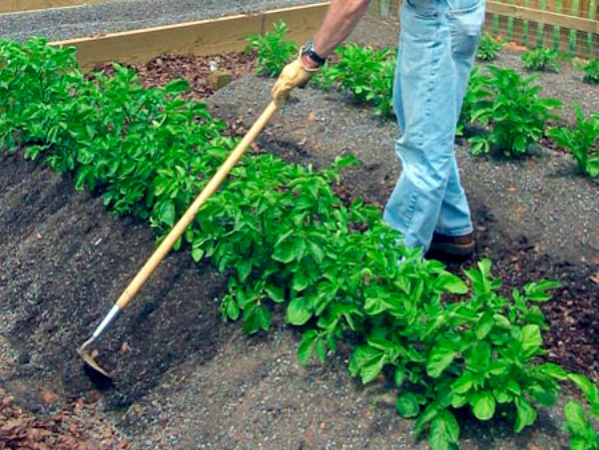
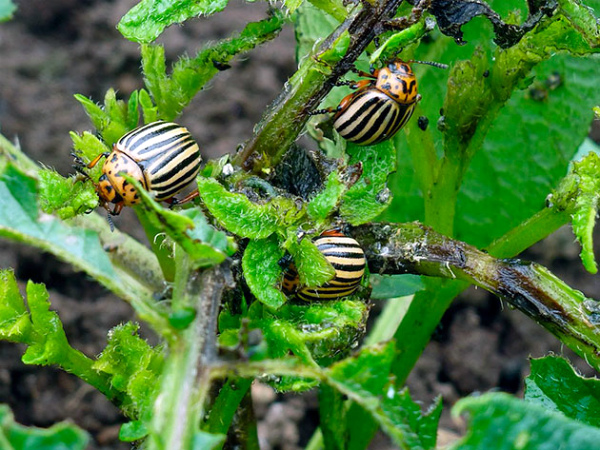
Hilling also serves another important function. Ridges of soil significantly prevent insects from climbing up the stems and onto the potato foliage. Colorado potato beetles feed on foliage and lay their eggs there, and hilling helps reduce their population on the plants.
Top dressing
The first fertilizer is usually applied to the open ground before planting potatoes. However, it's also worth noting that most fertilizers that effectively enrich the soil with essential nutrients and elements are applied after harvest. Once the potatoes are harvested, the soil should be tilled and prepared for the following year by applying appropriate fertilizers. On average, 5 to 10 kg of fertilizer is required per square meter of soil (depending on its origin).
Organic fertilizers are best. Peat, composted food and plant waste, animal manure, and bird droppings are all good choices. Chemical fertilizers, such as nitrogen, potassium, and phosphorus, can also be used to improve soil properties. These are more concentrated than organic fertilizers, so adding them in small amounts is sufficient. 25–30 grams per square meter of soil is sufficient.
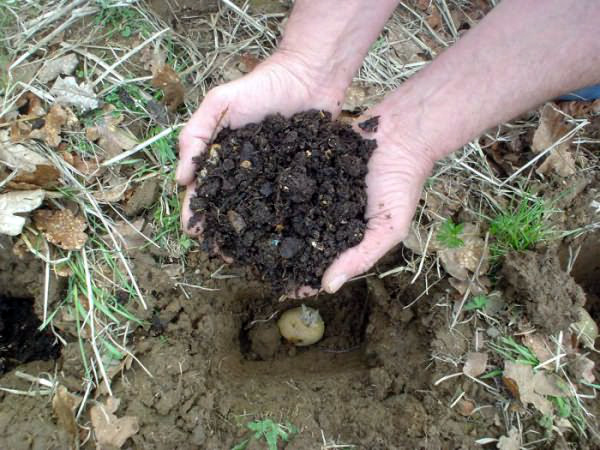
Typically, fertilizing with concentrated components is done after harvesting, and plant fertilizers are applied before planting potatoes in open ground. Further addition of additional components is not required, as their high concentration may affect the quality of the crop.
Processing
In addition to hilling, to combat the Colorado potato beetle population, it is necessary to treat the bushes with special substances.
Ash is a common folk remedy for beetles. It's scattered on the soil around potato plants. Calendula is also planted alongside the potato plants. Legumes (such as beans) can be planted around the perimeter of the plot.
You can use chemical components, spraying them on the foliage even before the first insects appear.
Treatment may require the use of special substances or sprays if the potatoes are affected by diseases or fungi. Most commonly, late blight, phoma, rhizoctonia, scab, and other diseases are observed, which can be noticed by discoloration of the foliage or stem. These diseases disrupt the vascular system of the stems and roots, which impairs the plant's proper nutrition. As a result, seedlings become thinner and foliage wilts, affecting the quality of the harvest. It is crucial to provide proper plant care at the first sign of disease.
Keep in mind that scab can damage tubers already underground, which is manifested by the appearance of characteristic ulcers on the root crops.
To prevent the above-mentioned diseases, special chemical solutions can be applied to the soil or sprayed onto the surface of plants. If it rains after spraying, the procedure should be repeated.
Without care, yields will decline significantly. New varieties grown in other countries with different climates require special attention.
Experienced gardeners usually already know what problems they encounter when growing potatoes and what to do about them.
Cleaning
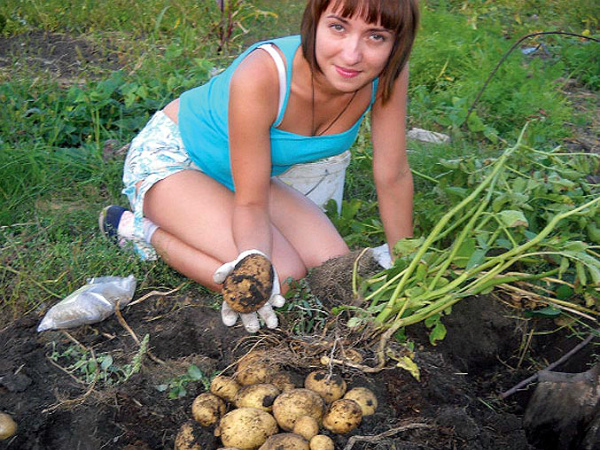
A sign that potatoes are ripe and ready to be dug up is yellowing tops and their gradual drying out without any signs of disease. On average, potato roots take about 85–90 days to mature.
You shouldn't wait too long, as if ripe potatoes are left in the open ground for a long time, they will begin to lose weight and will have poorer storage properties.
If a gardener has doubts about whether the tubers are ripe, they can dig up a couple of plants to check. This question is often asked by farmers who are interested in growing new potato varieties.
With proper care, a farmer will reap a very good harvest. The yield will depend on the vegetable variety, the planting area, and weather conditions.
Video: How to Get a Bucket of Potatoes from a Bush
You might be interested to watch this recording of a natural farming seminar. Its topic is relevant: what agricultural techniques to use to get a good potato harvest.