
What is the potato yield per hectare of land?
Content
Factors affecting crop yield
The volume of harvested potatoes per hectare will depend on a whole range of conditions and factors:
- how high-quality was the planting material used;
- were the tubers properly prepared for planting?
- were the technological requirements for planting potatoes followed;
- in what region, or under what weather conditions the cultivation is carried out;
- What is the quality of the soil, how often is it watered?
- how fertile the chosen area is;
- was the planting standard observed;
- how effective were preventive measures to combat diseases and pests.
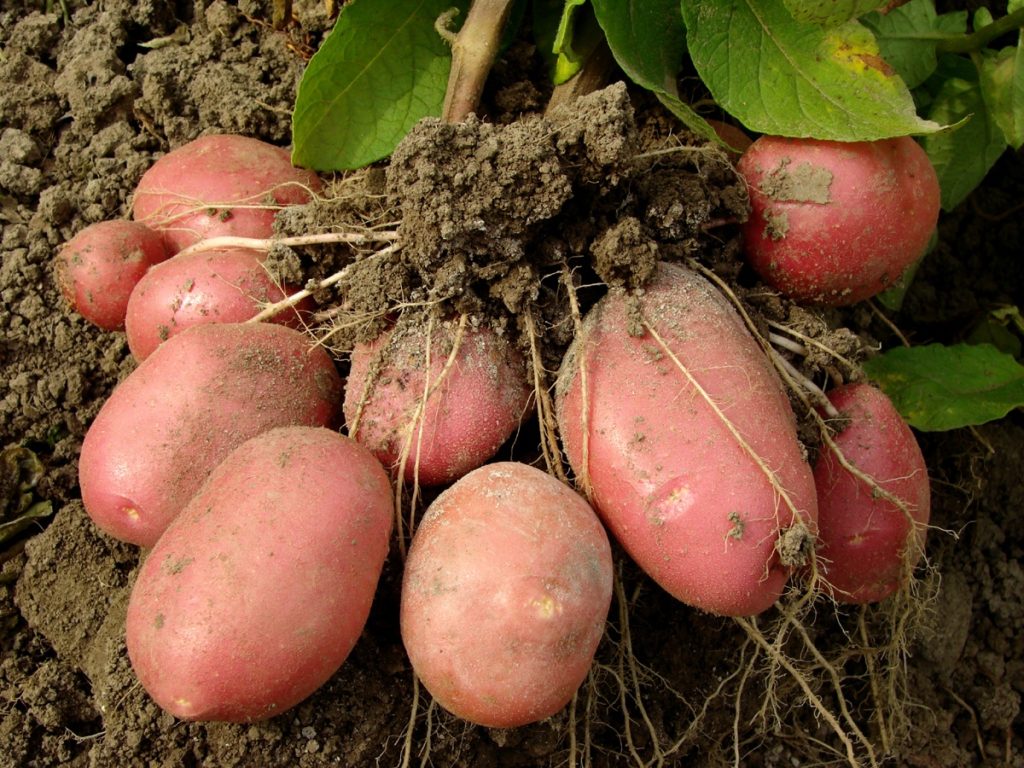
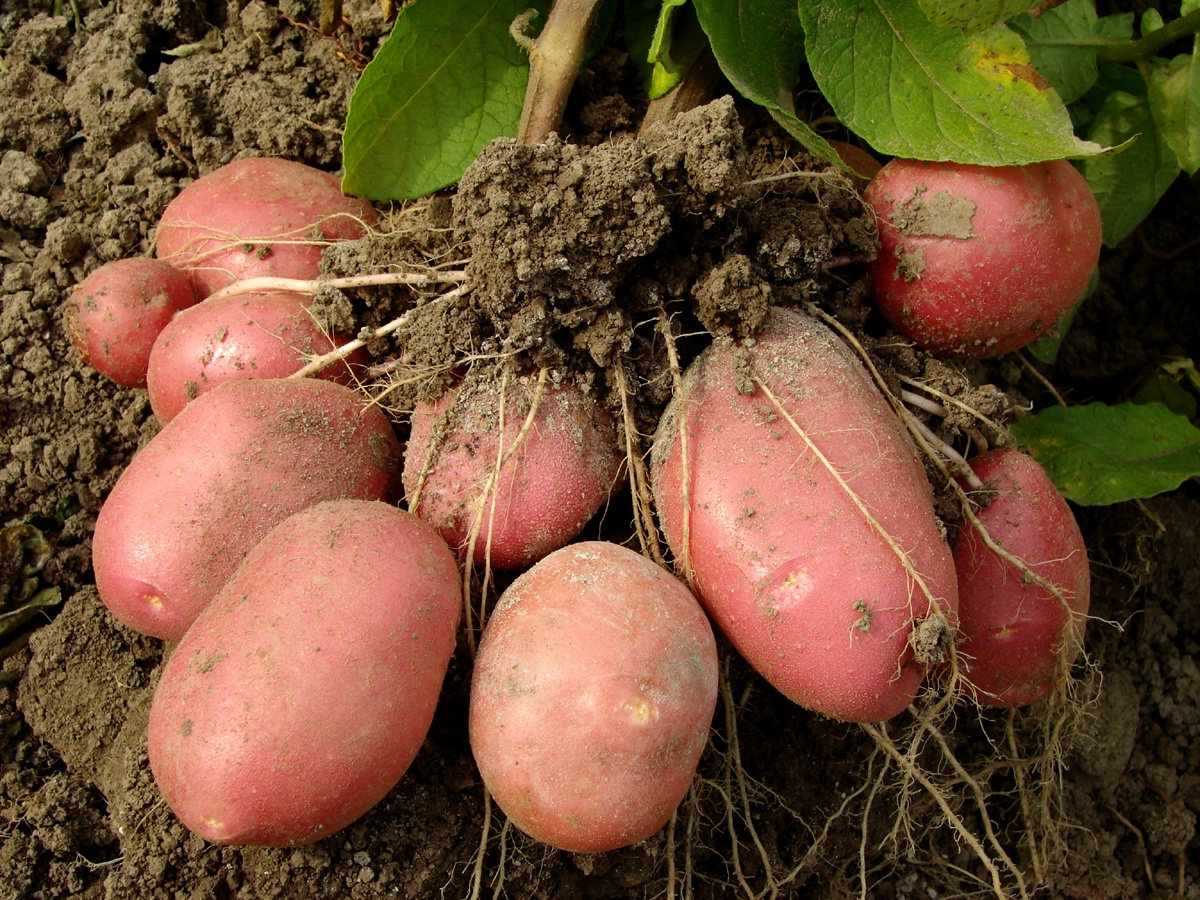
Of course, don't forget about the frequency of planting: don't plant potatoes in the same area year after year—rotating plots is a must, and following it can delay the crop's decline.
Video: "How to Get a Good Harvest"
From this video you will learn how to get an excellent root crop harvest.
How to increase crop yields
To achieve the desired yield per hectare, several conditions must be met. Careful selection of the variety is essential: it must be suitable for your region's conditions and tested for yield. Even the most high-yielding variety, if not drought-tolerant, will not produce the expected results if planted in the southern steppe regions of our country. 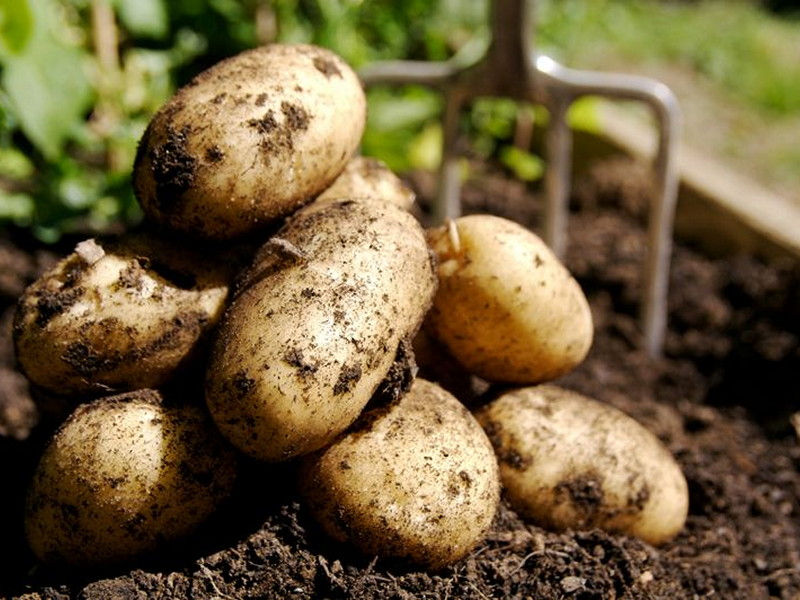 Another important point: don't plant potatoes in the same spot for several years in a row, as this can quickly lead to the variety degenerating. Either change the planting location or replace the planting material.
As is well known, potatoes prefer loose soil that allows air and water to pass through freely, so if you plant them in a clay area, you shouldn't expect any decent returns. The best soil for this crop is sandy loam soil, generously fertilized with organic fertilizers and providing good oxygen circulation.
But the most important point, which could go without saying, is, of course, high-quality soil fertilization. 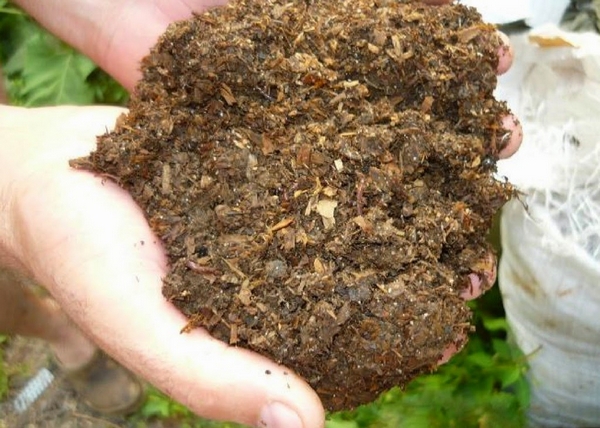 Fertilizing can be done with either organic (bird droppings, humus or compost) or mineral fertilizers.
Technological methods for increasing crop yields
Only by taking a comprehensive approach and adhering to all the essential steps of crop care—weeding, hilling, regular watering, and pest control—can you count on a bountiful and high-quality harvest. But there are also a few tricks that can significantly increase the yield of root crops:
- Gülich's method: involves dividing the garden plot into equal squares, each one meter on a side. Add a generous amount of compost to each plot and plant one large potato tuber. As soon as the first sprouts appear, add soil to the center of the plant (so that the shoots grow at an angle). Repeat the process until several tiers are formed. With adequate watering, one such plant can yield approximately 15 kg of root vegetables.
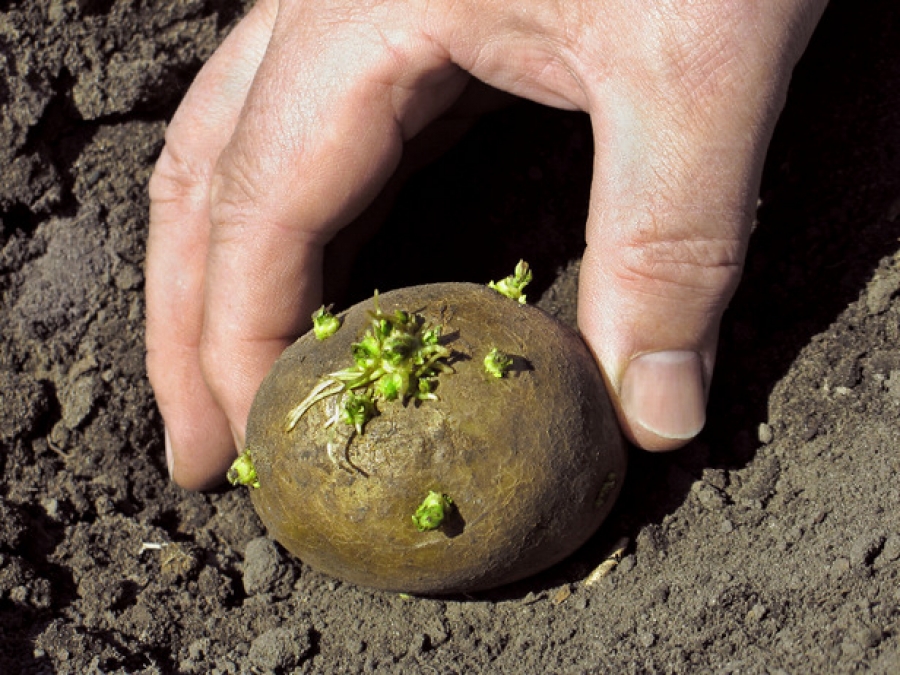
- The Mittlider method involves planting tubers in rows 0.5 meters apart, with about 1 meter between rows. A mound of earth is created around the beds to help retain moisture. Potatoes planted this way do not require hilling, only regular watering and fertilizing. This method can increase crop yields to 50 tons per hectare, while significantly reducing the area allocated to potato cultivation. Furthermore, these beds require little maintenance: as mentioned earlier, there is no need to hill the potatoes;
-
- A popular and quite effective Dutch technology: the first method, which allows for increasing the yield of tubers from a single plant to two kilograms. It involves carefully calibrating the planting material—the selected potatoes should be approximately 5 cm in diameter—and treating them with special preparations. The tubers prepared in this way are planted in mounded rows (approximately 0.25 m high), leaving at least 65 cm between rows. During the growing season, the beds should be watered (at least three times), and the soil should be regularly loosened to facilitate air circulation to the roots. About 10 days before the planned potato harvest, be sure to trim off all the tops—this will help the tubers reach their maximum size, as the plant's vital energy will no longer be expended on maintaining and developing green mass.
There's another, extremely simple, even "old-fashioned" method, thanks to which the average yield of absolutely any potato per hectare will noticeably increase: all you need to do is simply walk through the potato beds and remove all flower stalks during the period of bud formation. 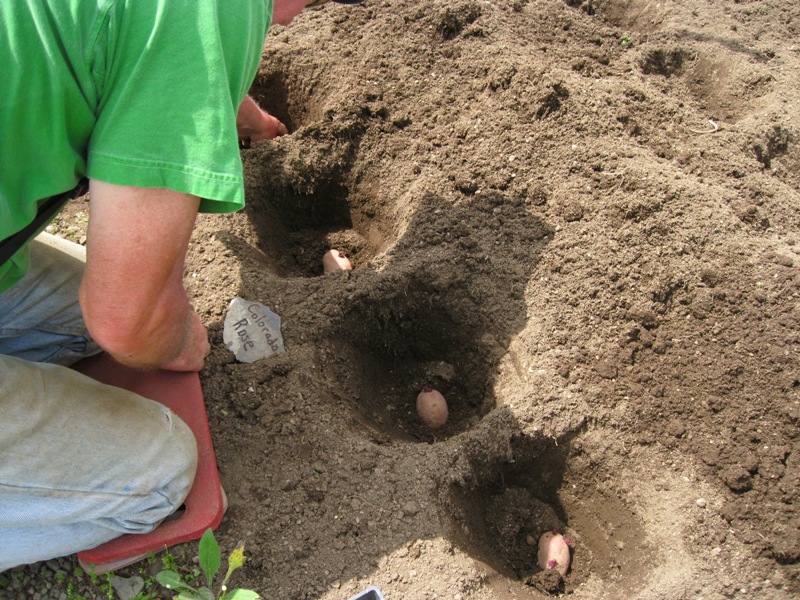 Thanks to this, of course, plants will spend more of their vital energy on developing the root system, rather than on flowering.
It turns out there are quite a few ways to increase your potato yield. Be sure to try each of the suggested options, and you're sure to find the one that works best for you.
Any vegetable, and potatoes are no exception, is very sensitive not only to proper agricultural practices but also to the farmer's mood. Potatoes are grateful and generous, rewarding the gardener with a bountiful harvest. Garden with care and passion, and your harvest will be beyond praise!
Video "Secrets of a Good Harvest"
From the video you will learn how to improve your harvest.