
Choosing the best fertilizer for potatoes
Content
Autumn field preparation
Typically, when allocating a new plot for potato cultivation, a gardener achieves the highest yields in the first two to three years. And the longer the plot remains unused, the more abundant the harvest and the larger the root crops. This is because virgin soil is rich in nutrients essential for potatoes. However, since potatoes consume a lot of nutrients, including from the soil, the soil begins to deplete within just two years, affecting the yield. The situation becomes especially critical in the fall, when after the potato harvest, the plot becomes depleted and unsuitable for growing vegetables.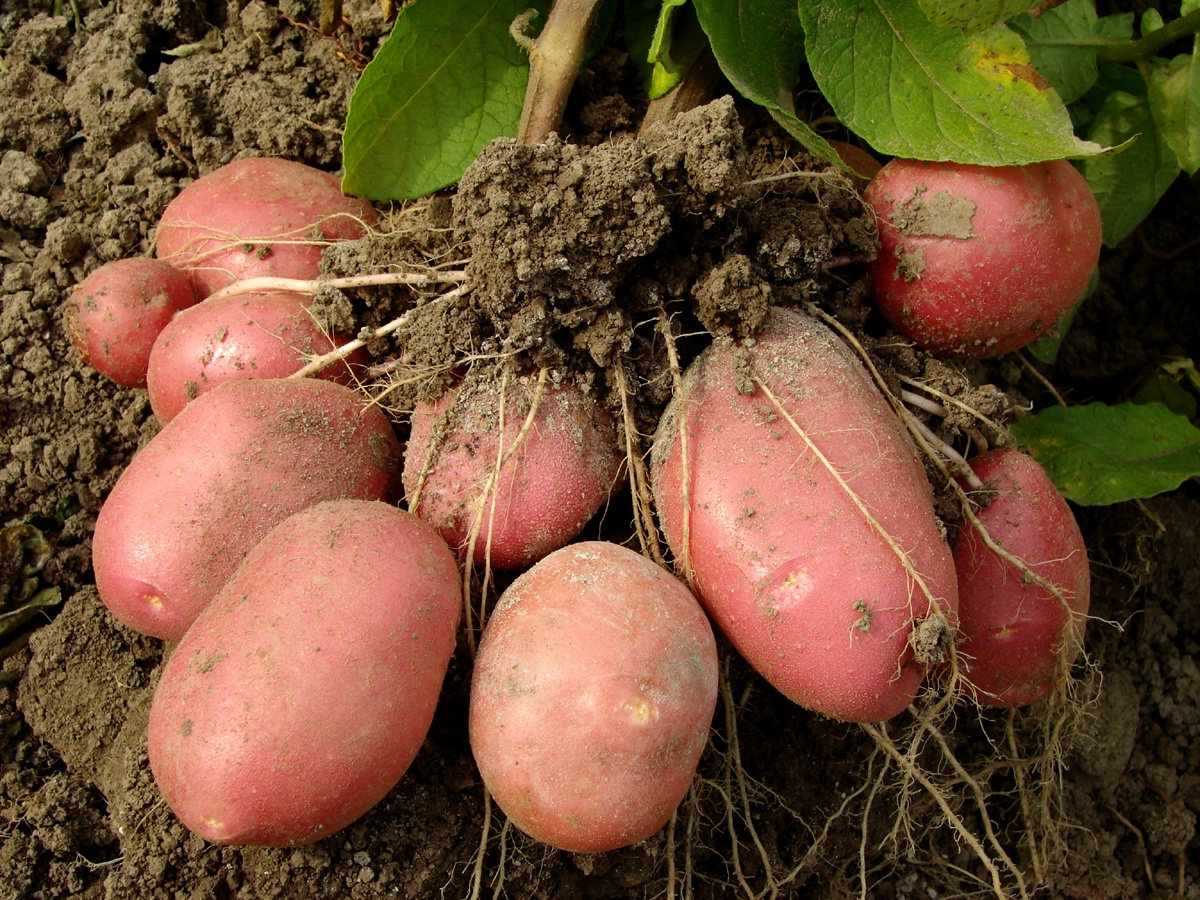
For reference, one potato plant consumes approximately 20 g of phosphorus, 50 g of nitrogen, and 100 g of potassium during its growing season. However, these fertilizers need to be applied in much larger quantities, as some are consumed by weeds, while some dissolves and remains in the soil. So, how much fertilizer should be applied per meter of planting area to ensure a good harvest? Potatoes thrive on complex fertilizers that combine various nutrients, so fertilizers are often combined, often with organic and mineral mixtures.
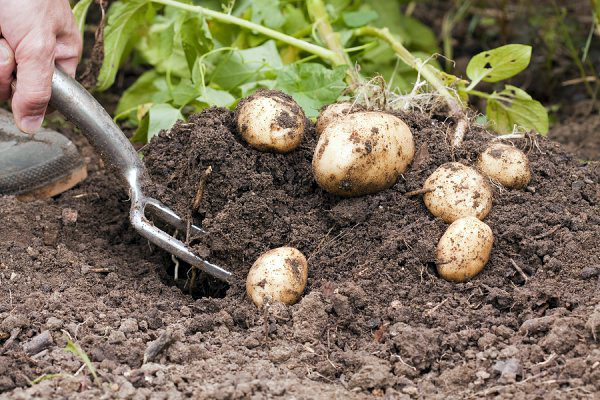
In autumn, it is recommended to add combined fertilizers to the soil in the following amounts:
- humus or fresh manure (it will rot by spring) – 5-6 buckets/1 m² of soil;
- superphosphate – 30 g/1 m² (it takes a very long time to dissolve in the soil, so it is applied only in the fall);
- phosphorus and potassium – 15 g/1 m² (preferably applied together).
You can also choose just one: organic or agrochemicals. Organic fertilizer is considered the best, even ideal, fertilizer for potatoes, as it not only provides nutrition for the crop but also improves the soil by enriching it with humus. As organic matter decomposes, the amount of carbon dioxide in the topsoil increases significantly, resulting in particularly large and high-quality tubers. With such fertilizers, even heavy and saline soils can achieve good yields.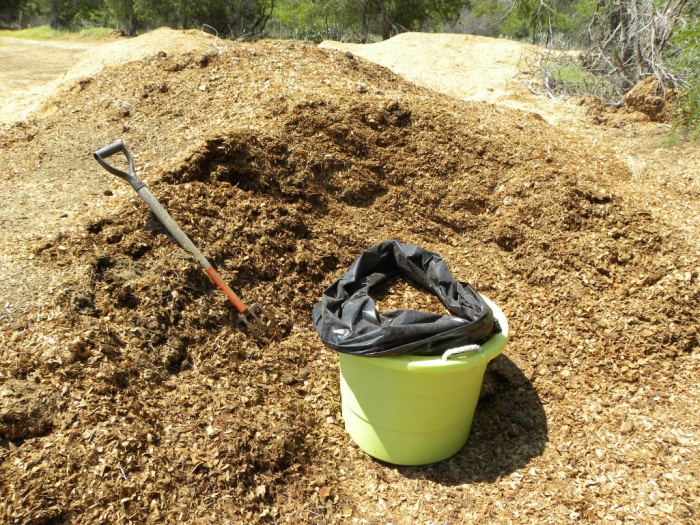
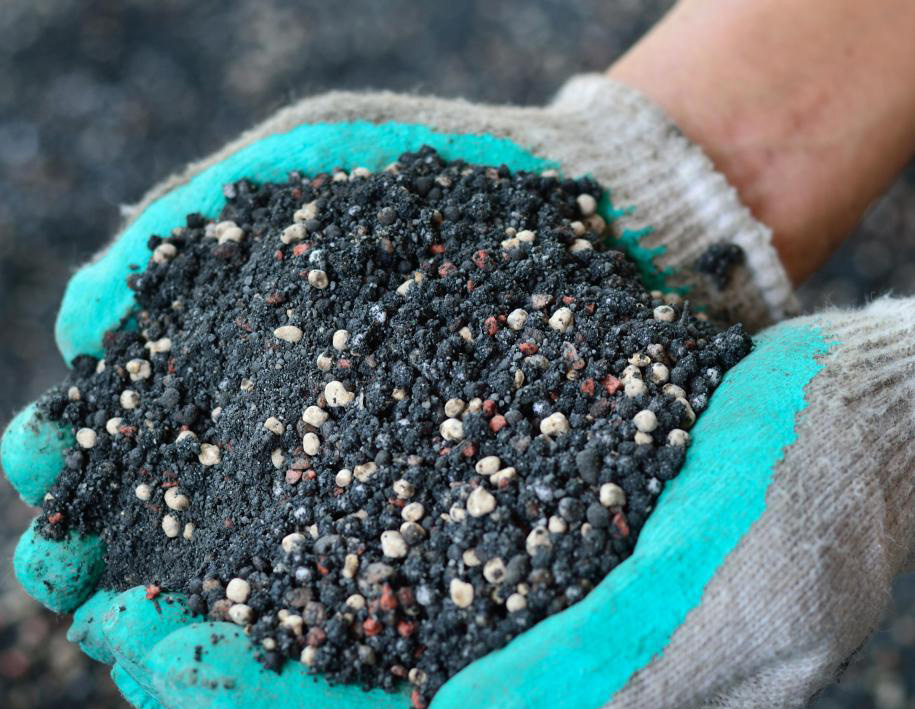
However, there are cases when the use of exclusively mineral fertilizers is required, while organic fertilizers, on the contrary, are not recommended. Agrochemicals are used on soils infested with pathogenic microflora or pests. Humus or other organic matter in such areas only worsens the situation, as they provide a favorable environment for these pests. In this case, it is recommended to apply complex mixtures in the fall, such as double superphosphate or nitroammophoska. Potassium sulfate is suitable as a potassium fertilizer. However, specialized complex fertilizers can also be used, such as Kemira Potato – a balanced mineral fertilizer containing all the necessary and essential nutrients for potatoes.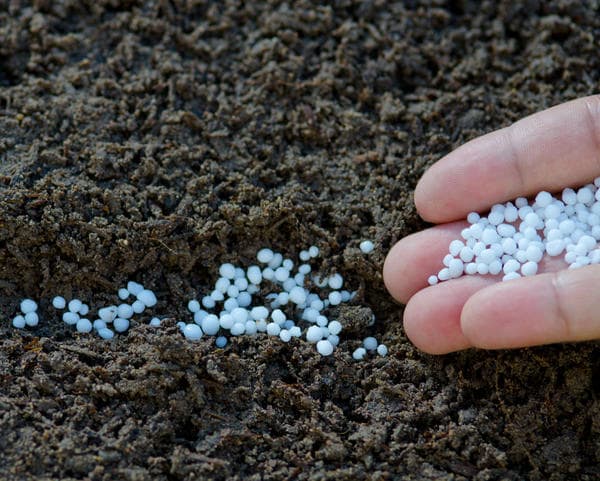
A great way to enrich the soil in the fall is to sow green manure immediately after the potato harvest. Of course, not all plants can be sown before winter. For example, lupine seeds won't even have time to germinate before the cold weather sets in. White mustard, however, is just the thing. It only needs three weeks to develop green mass, after which it will lie down and rot safely under the snow. In the fall, while the soil is still soft, it's a great time to do some preparatory digging, and if the soil in your area has become acidic, now's the time to restore its balance. To reduce acidity, ash, dolomite flour, or slaked lime can be added to the soil. The approximate application rate is 200 g/1 m².
Video "Mineral Fertilizer"
This video will show you how to fertilize potatoes with mineral fertilizers.
Spring fertilizing
It's worth remembering that all fertilizers should be applied to moist, not wet, soil. Furthermore, potatoes do not tolerate excessive moisture or stagnant meltwater. Therefore, the primary task in the spring is to ensure drainage and remove excess moisture. Only then can fertilizers be applied. The most important nutrient for plants at the beginning of the growing season is nitrogen. It is found in large quantities in manure and complex mineral mixtures. However, the highest yields are achieved by combining both types of fertilizers.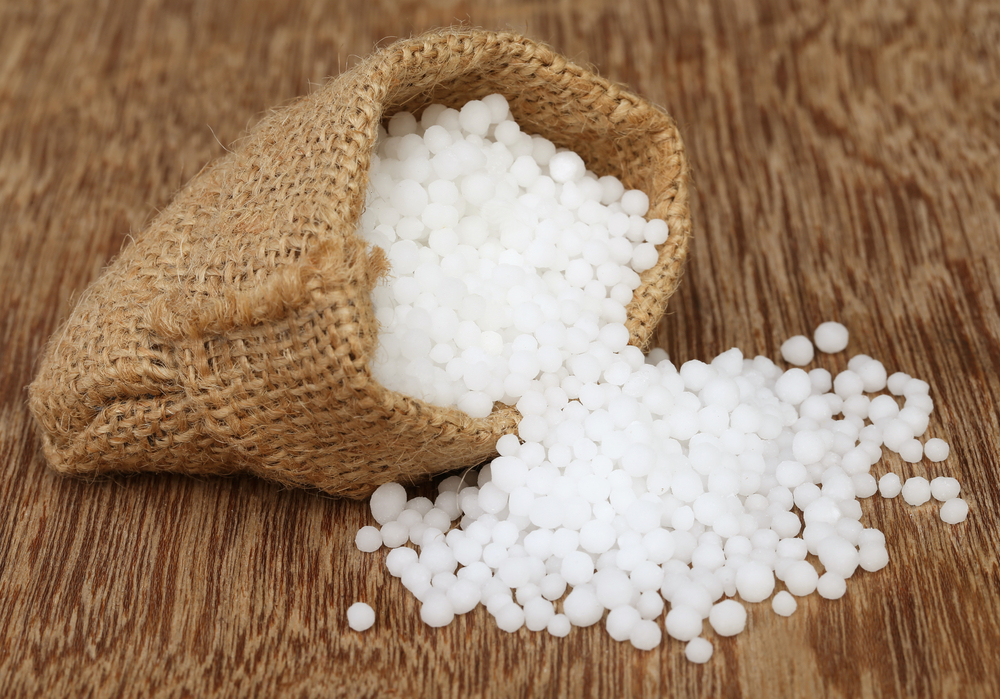
There are many options for combining them, of which the following are most commonly used:
- 3 tablespoons of nitrophoska, 1 glass of ash, 1 bucket of humus/1 m²;
- 20 g potassium sulfate, 20 g ammonium nitrate/1 m² - applied during or after plowing;
- high-moor peat or compost 1 bucket, 25 g nitrophoska/1 m²;
- 1 bucket of humus, 20 g of saltpeter, 20 g of potassium sulfate, 40 g of superphosphate and 400 g of dolomite flour - mix everything, add after plowing.
When using mineral fertilizers in combination with organic fertilizers, keep in mind that complex mixtures dissolve and are absorbed much faster. Therefore, it's best to use only agrochemicals for early potato varieties, while organic or combined fertilizers are recommended for late varieties. If organic fertilizers are unavailable, mineral mixtures alone can be used, but in larger quantities.
Fertilizing at planting
Applying fertilizer to each individual plant directly during planting is considered more economical than scattering it across the plot, and targeted application is more beneficial. Potato fertilizer is applied directly to the planting hole before the seed tuber is placed. The frequently asked question of which fertilizer is best for potatoes during planting is that both organic and agrochemical fertilizers can be used. If organic fertilizer is chosen, compost and ash are considered the best. These materials are added to the hole at a rate of 0.5 liters of compost and a handful of ash. Alternatively, you can use only one of these fertilizers.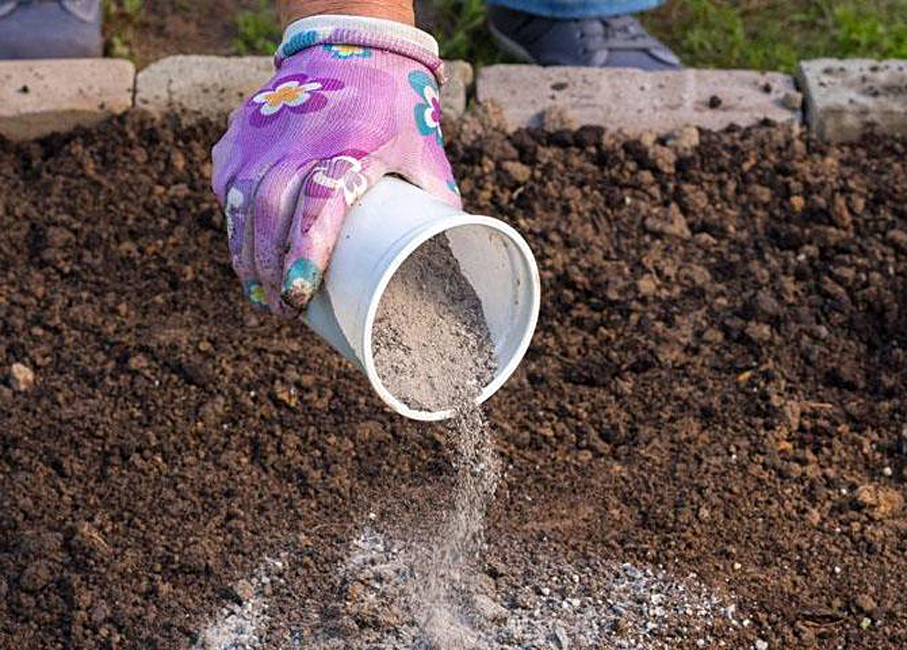
Mineral mixtures are used in significantly smaller quantities and should be applied strictly according to the instructions. Nitrophoska is added at a rate of 1 tablespoon per hole.
Kemira complex fertilizer is applied at a rate of 15-20 g and should be mixed into the soil before planting. Vegetable growers also often treat tubers with nutrient solutions of manganese (potassium permanganate), copper, or boric acid before planting. All of these agents kill harmful bacteria, promote rapid germination, accelerate flowering, and significantly increase yields.
Root feeding
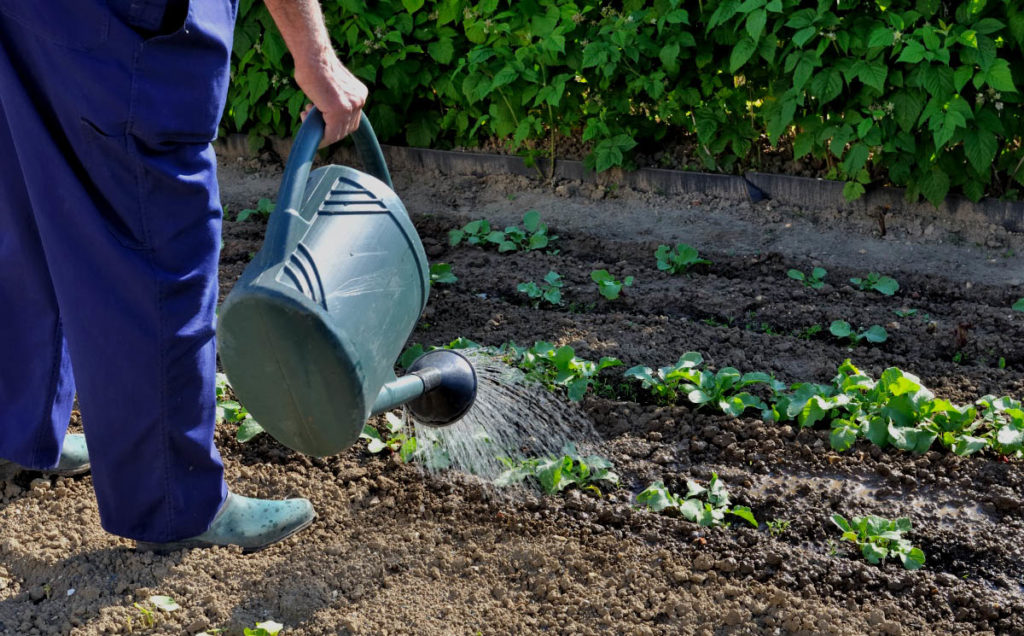
This method of fertilizing potatoes is considered the most effective, as it delivers nutrients quickly and directly to the roots, or more precisely, the root crops. Root fertilization is typically applied during each loosening operation before hilling. It is applied by watering the plants, but the soil should be thoroughly moistened afterwards. The following liquid fertilizers are used for potatoes:
- mullein - components in the amount of 1 liter of fresh manure/10 liters of water are mixed, left to ferment, and then used for watering the row spacing;
- Bird droppings are diluted with water in a ratio of 1:10 and are considered to be a rather aggressive agent, so they are applied only to the furrows between rows;
- green herbal infusions (prepared from any weeds or grass) - fresh herbs are cut, soaked in warm water, after fermentation, diluted half with water and used for watering;
- urea 1 tbsp/10 l of water, the product is used for watering under the roots at the rate of 0.5 l/each bush (used before hilling);
- Mineral fertilizers – saltpeter, as well as any other mixtures are diluted in a proportion of 20-25 g/10 l of water.
Root feeding is most beneficial during the active growing season of potatoes—late May and early June. At other times, feeding is recommended if growth slows or plants appear weak. Root feeding is very effective, but it shouldn't be limited to just that, as the entire plant needs nutrients, not just the roots.
Foliar feeding
After hilling the bushes, it's time for foliar feeding. Spraying nutrient solutions onto the leaves delivers nutrients to the above-ground portions of the plants, thereby improving the condition of the foliage and extending the growing season.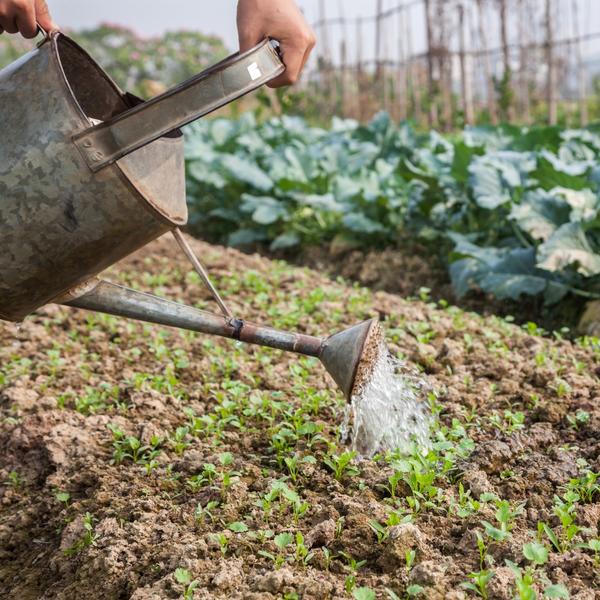
For foliar application, it is recommended to use the following solutions:
- Urea-based. Add 100 g of urea, 5 g of boric acid, and 150 g of potassium monophosphate to 5 liters of water and mix thoroughly. Zinc, manganese, and copper can be added to the solution, 1 g of each. The first treatment is carried out approximately two weeks after the first shoots emerge, and subsequent treatments are carried out at two-week intervals until flowering.
- Ready-to-use humate mixtures. These solutions are very economical to use and can be applied as soon as plants develop four true leaves. They are diluted according to the instructions: typically 2 g per 10 liters of water, with an application rate of 3 liters per 100 square meters. For potato treatment, use "Humate +7"—the number in the name indicates the amount of microelements present in the formulation.
- Phosphorus mixtures. Phosphorus foliar applications are applied one month before harvest to improve tuber quality. Any phosphorus mixture can be used to prepare the solution, for example, superphosphate at a rate of 100 g/10 l of water.
- Herbal or nettle infusion. This fertilizer contains all the essential elements: nitrogen, iron, potassium, and calcium, in the most readily available and easily absorbed form. To prepare the infusion, soak nettles or other grass in water, keep warm until fermentation is complete, then strain, dilute with water, and apply to potato plants every 10 days.
It's important to remember that all foliar feeding should be done in the evening, as some products can cause leaf burn when applied in the sun. Another advantage of evening application is that the solution dries more slowly, allowing the nutrients to better penetrate the stems. Remember, the key to fertilizing is not overdoing it, so you'll enjoy a healthy harvest.
Video: When to Fertilize
This video will tell you when it's best to fertilize potatoes.