
When to Start Harvesting Potatoes: Tips from the Pros
Content
How to recognize the ripening period
Every year, the range of new potato varieties expands with improved and earlier hybrids. While at the end of the last century, every gardener knew exactly what variety they had and when it was time to harvest it, today, every self-respecting vegetable grower experiments with both the variety itself and with farming techniques, so each potato has its own harvesting period.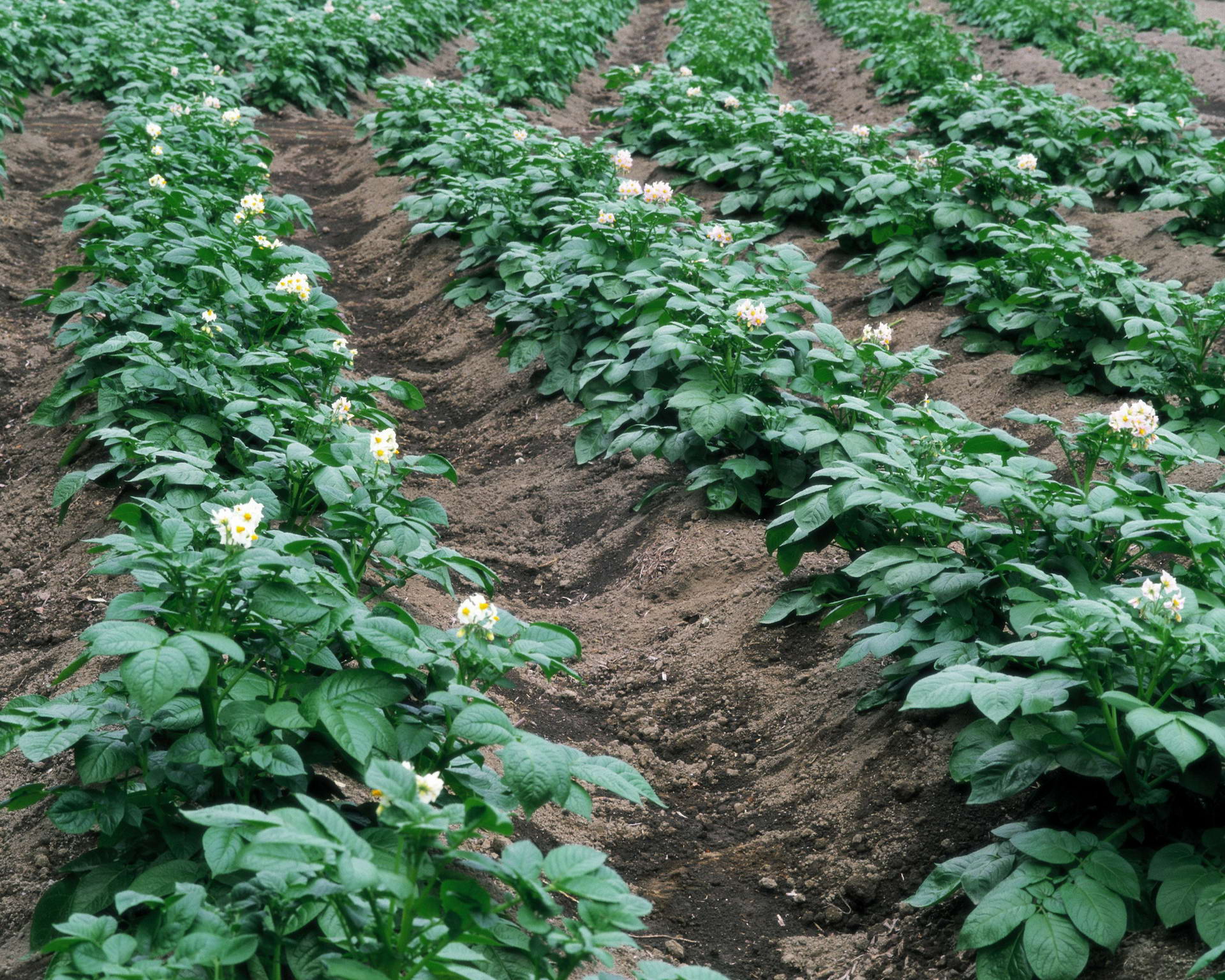
Typically, the ripening period corresponds to the variety description: 70 days for early varieties and 90-100 days for late varieties from germination. However, this period does not always coincide with the physiological ripening of the root crops for a number of reasons:
- climatic features of the region;
- changes in weather conditions during the growing season;
- the quality and characteristics of the soil of a particular region;
- non-compliance with agricultural practices.
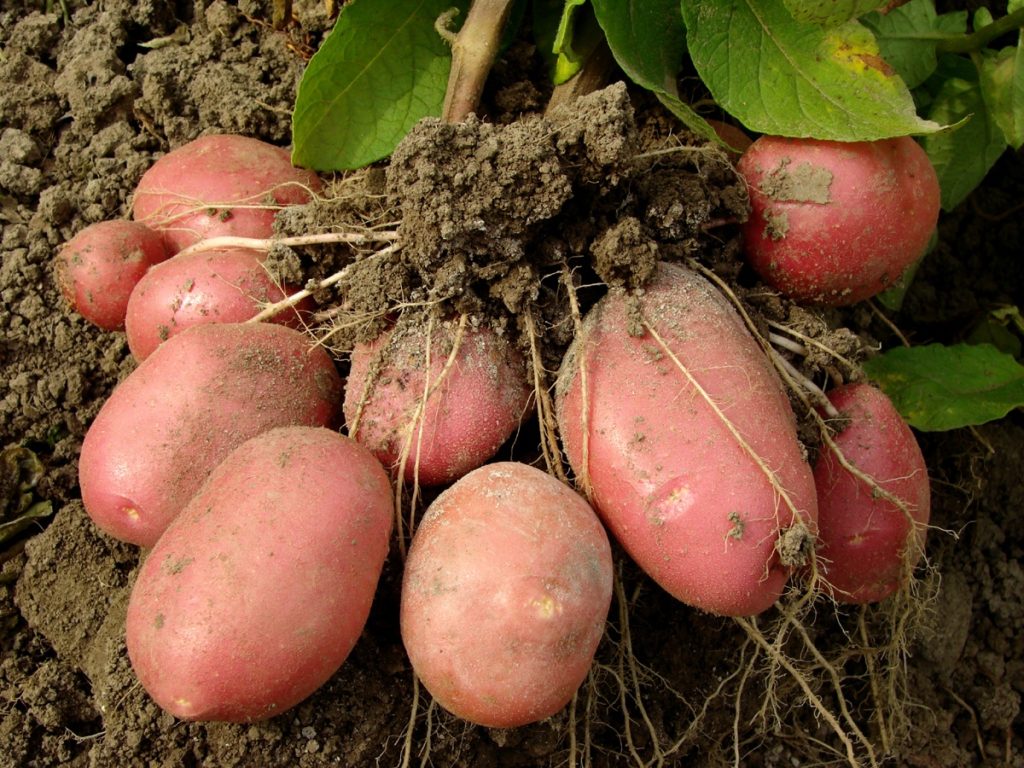
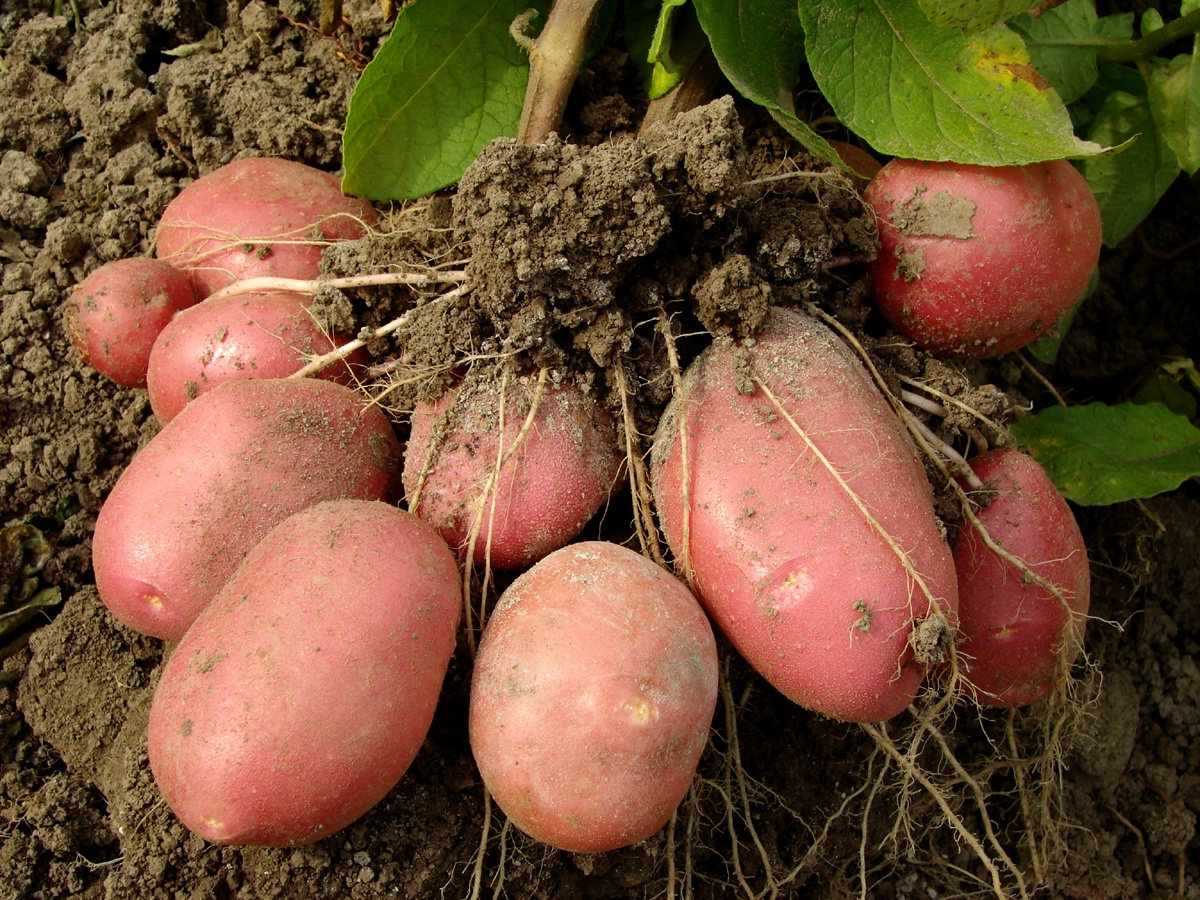
All these factors have a significant impact on potato development and maturation, so there are no exact harvest times—they vary by region. In most temperate climates, potato harvesting begins in mid-August and ends in early September. In some regions, harvesting is delayed and doesn't begin until September. One thing is certain: harvesting must be completed before the autumn cold sets in, with its accompanying rains and frosts. It's important to complete the harvest before soil temperatures drop to 6°-8°C, as potato tubers are quite delicate and spoil quickly in low temperatures.
Video "How to clean properly"
This video will teach you how to properly harvest and store potatoes.
How to determine the start time of harvesting
Since potato varieties' ripening times can differ from actual ripening times for various reasons, experienced gardeners prefer to rely on the plants' appearance. Everyone knows that new potatoes for summer consumption can be dug up while their tops are still green, just as the plants begin to bloom. Such root vegetables have very thin and delicate skins, making them unsuitable for storage. For long-term storage, potatoes should develop a firm, slightly rough skin that doesn't peel off the tuber like new potatoes, but can only be cut with a knife.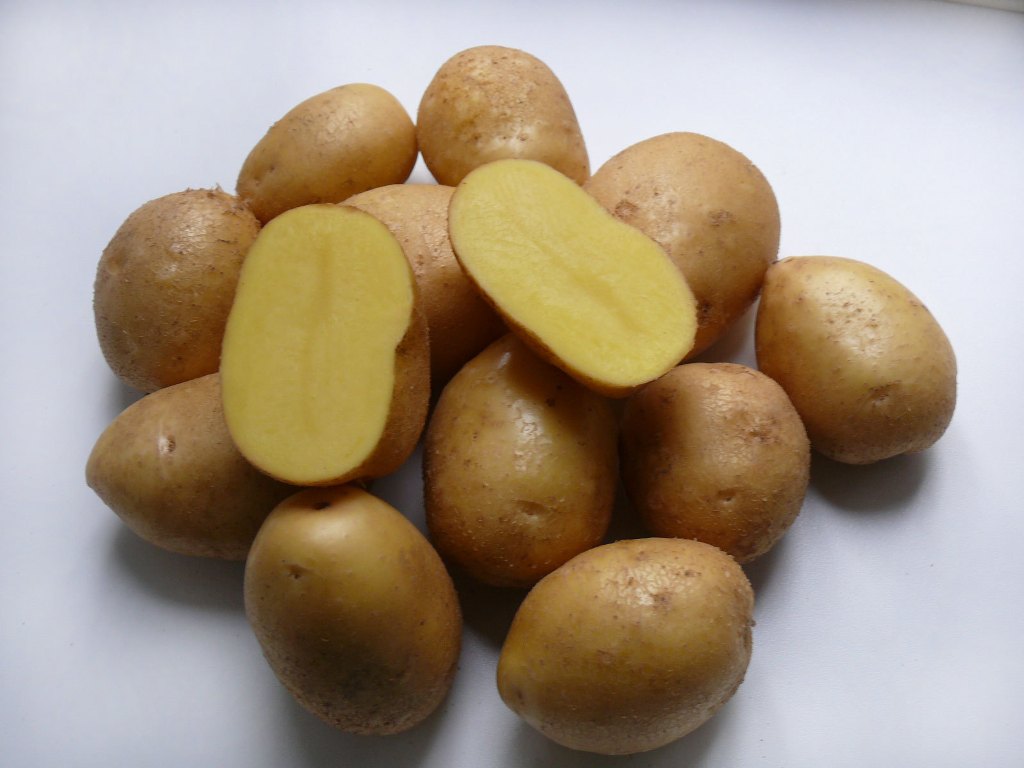
You can tell that the skin has reached this thickness by several external signs of the plant. Most vegetable growers begin digging potatoes when the tops have fallen and dried out. Under normal conditions, this is the main sign that the crop has reached its full physiological maturity. However, tops can also wilt due to dry or excessively hot weather, or an excess of moisture or nutrients. If the weather hasn't always been favorable during the season, relying on the condition of the tops isn't helpful.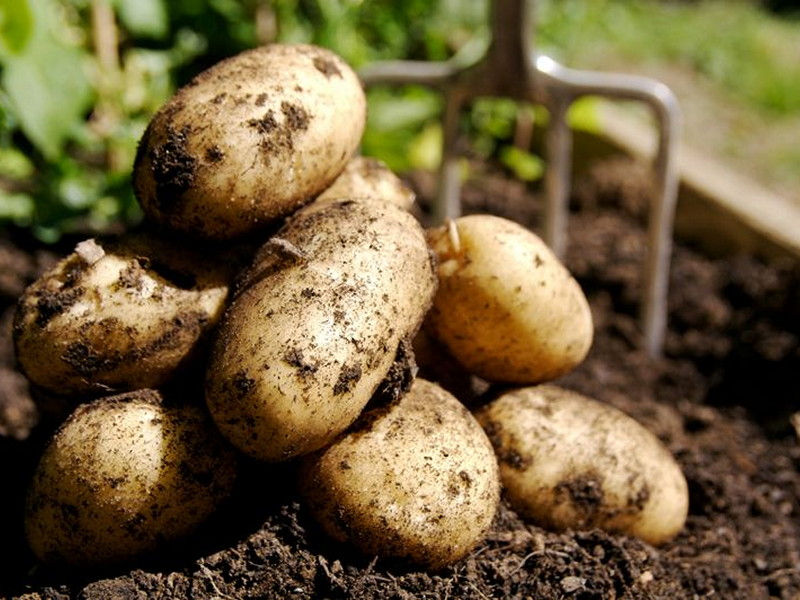
It's important to know that the most intensive growth of tubers occurs four weeks before full maturity. A sign that the tubers have begun to ripen is the gradual browning of the leaf blades. Counting one month from this point, you can begin digging up the potatoes. If you're unsure whether you're digging up your potatoes on time, dig up one plant and inspect it. Mature tubers should be torn from the roots or very easily, and the skin should be firm.
Preparatory activities before harvesting
Potatoes are one of those vegetable crops that can't be harvested without prior preparation. This is because grass and weeds grow in abundance throughout the season, and no matter how regularly you tend to your garden, the weeds grow even more vigorously. Potato tops also significantly complicate the harvesting process. Therefore, before you begin harvesting, it's essential to prepare the plot. However, there are some subtleties to consider.
Approximately 10 days before harvesting, mow down (cut off) all the tops and weeds; this will speed up the ripening of the root crops. It is recommended to treat plant debris with a magnesium chlorate solution; this will inhibit further growth and ultimately kill them.
Experienced gardeners recommend cutting back tops and weeds to a height of 10 cm. This approach has a positive effect on the ripening and quality of the tubers. Firstly, nutrients from the remaining above-ground portions are transferred to the tubers, allowing them to ripen faster. Secondly, the low vegetation cover protects the soil from drying out and the roots from overheating in hot weather.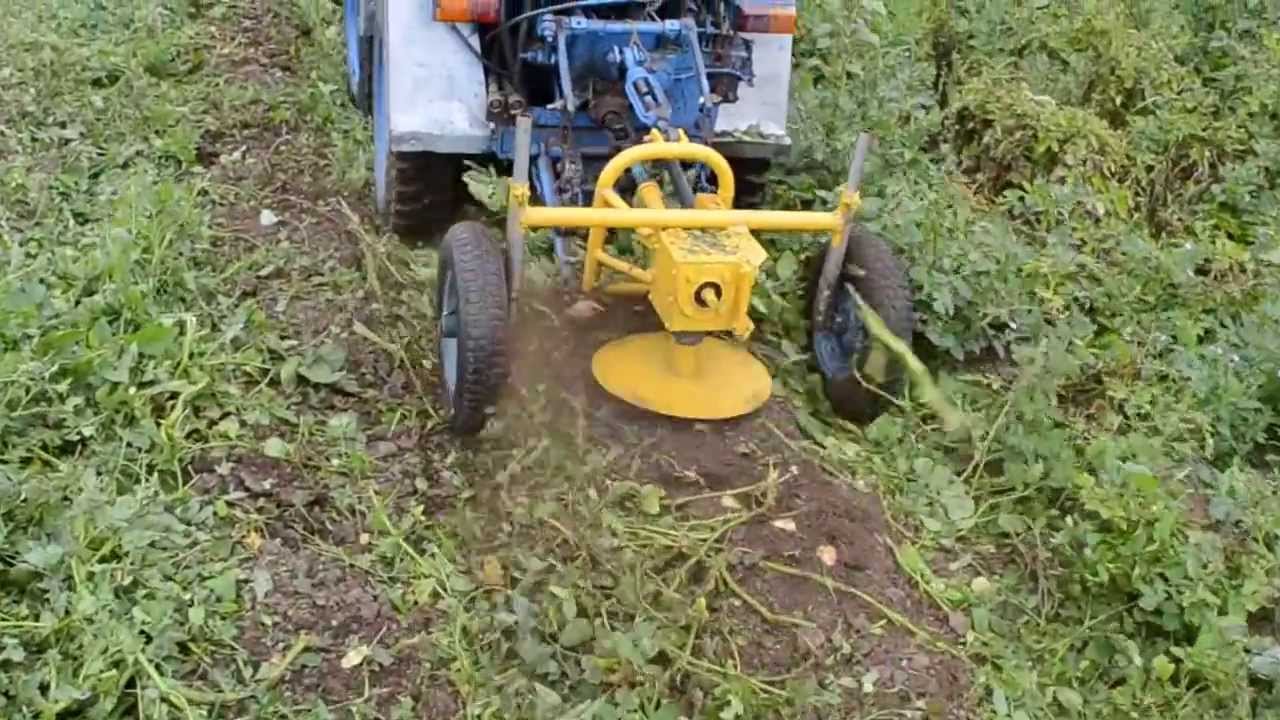
Removing the tops is also necessary when harvesting potatoes mechanically, as this creates more favorable conditions for agricultural harvesting machines. When harvesting potatoes mechanically, it is also recommended to lightly loosen the soil surface to make the work easier for the equipment. This is especially true for heavy, compacted soils.
Choose a fine, sunny day for harvesting. In dry, sunny weather, dug-up roots dry faster and are easier to remove. If you have a large plot and digging potatoes will take several days, keep an eye on the weather forecast, as sudden rain can interrupt the harvest for a long time. It's best to dig up all the potatoes at once rather than wait too long.
Before storing, it's recommended to soak the tubers in bags or loosely packed for 7-10 days. This will allow the potato skins to firm up, and any diseases or damage to become apparent. After this time, you can sort the best-quality vegetables for storage.
The use of mechanized equipment in harvesting
Manual potato harvesting is hard and unpleasant work, requiring considerable physical effort. It's great if the potato plot is small and you have helpers, but what if you need to dig up several acres in two weekends? Many gardeners on large plots use compact agricultural equipment for potato harvesting: potato diggers, walk-behind tractors, and mini-harvesters. While this equipment doesn't eliminate human intervention, it significantly simplifies the process, reduces time costs, and increases productivity.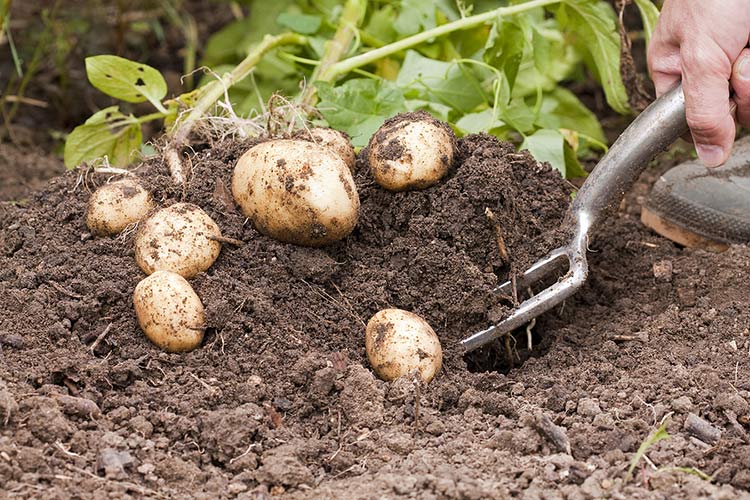
To ensure successful mechanized potato digging, it is necessary to properly configure the equipment, taking into account the following points:
- the digging depth, if the depth is less, then during harvesting many tubers will remain in the ground, since the machine will not be able to grab them, and if the depth is too great, then the digger will sift out tons of excess soil;
- The size of the root crops: large root crops are often damaged during mechanical digging, as they are not sifted by the machine. Therefore, if you want to obtain undamaged tubers, give preference to varieties with medium-sized tubers, or do not overfeed the beds with fertilizers;
- Row arrangement: If you know in the spring that you will be digging potatoes mechanically, plant the tubers immediately at a sufficient distance so that the machine wheels do not go into adjacent rows and spoil the harvest.
If potatoes are planted very densely, dig the roots every other row. This will allow you to guide the equipment over the already-plowed soil when digging the remaining row. It's also important that the rows in the bed are even, as the machine digs the tubers in the direction it's directed.
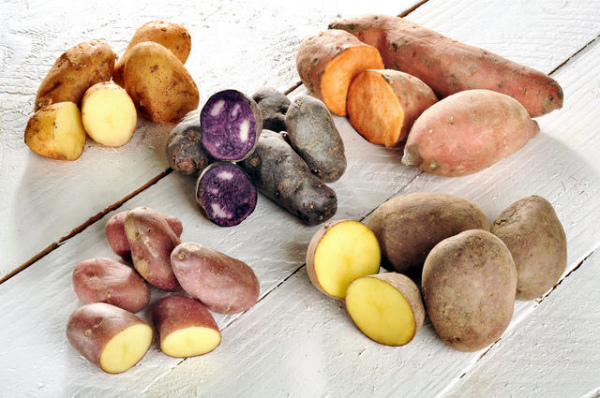
In farm fields where potato areas are very large, harvesting combines are used for digging. This is large-scale equipment, the advantage of which is the speed of the process and the volume of output. However, combine harvesters also have disadvantages, including a high rate of root crop damage and high contamination of the harvested crop with soil, rocks, and other debris.
Video: When to Start Cleaning
This video will tell you when to start harvesting potatoes.