
Planting potatoes in July: late varieties, cultivation features
Content
Is it possible to plant?
This is precisely the case when the sayings "nothing is impossible" and "it's never too late" apply. Getting a late or repeat potato harvest is indeed possible, but it will require a little effort.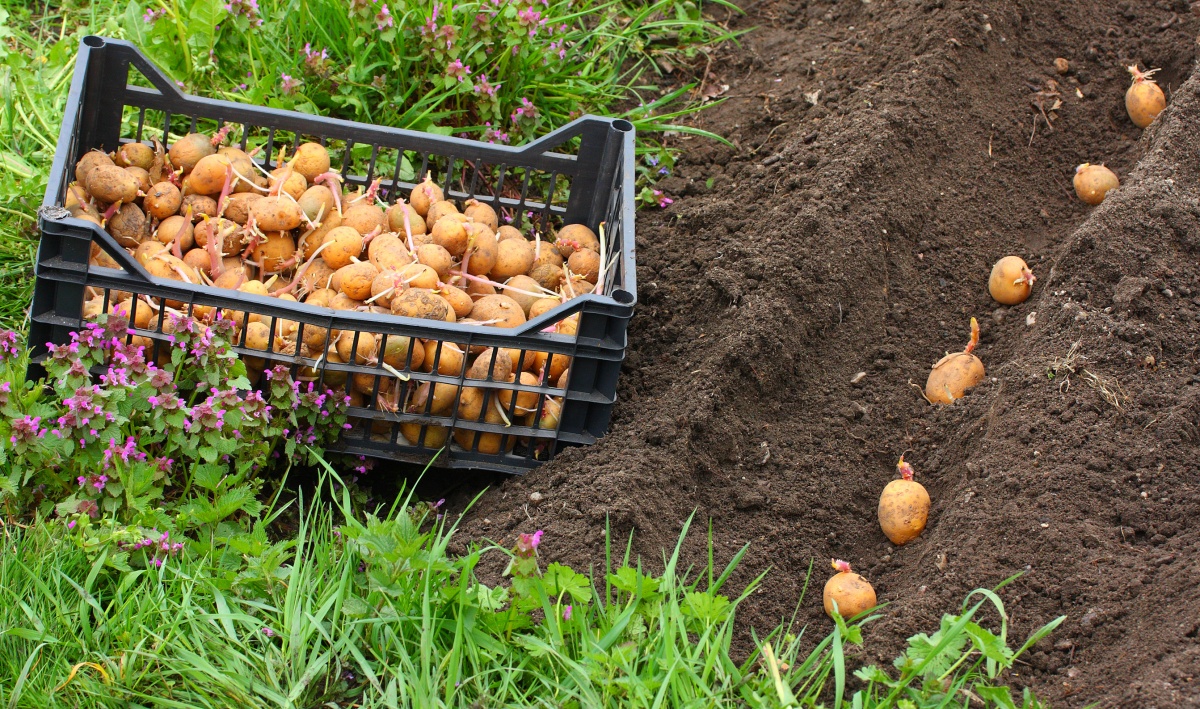
Late second planting of potatoes is widely practiced in southern regions, but it can also be successful in the moderate climate of the central zone, provided a number of conditions are met:
- choosing the right variety:
- ensuring timely watering;
- favorable weather conditions;
- use of alternative agricultural practices.
Potatoes planted in July are guaranteed to ripen and form many root crops if weather conditions are favorable. Ideally, the summer should be mild and with occasional rain. In this case, the gardener won't need to do any special work; nature will take care of everything. However, in most cases, the height of the summer season is extremely hot, and for normal tuber development, plants need protection from overheating.
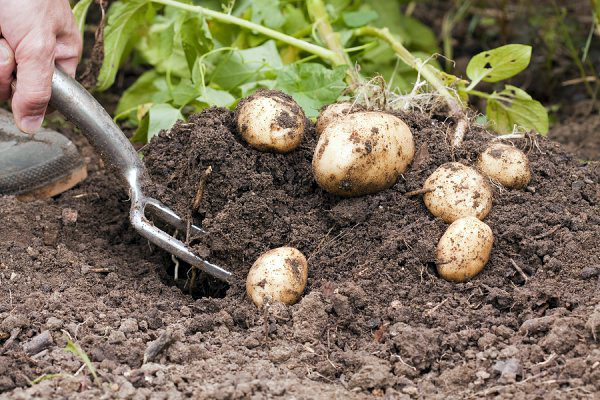
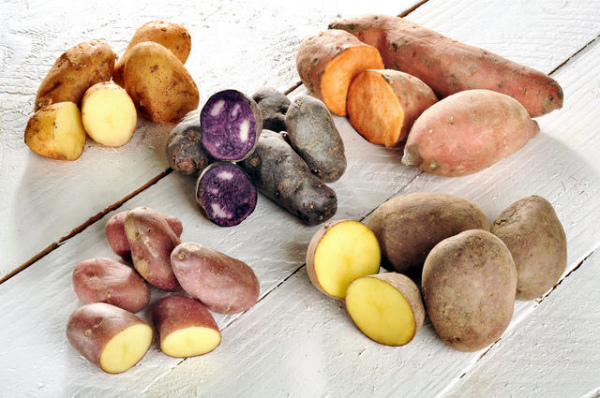
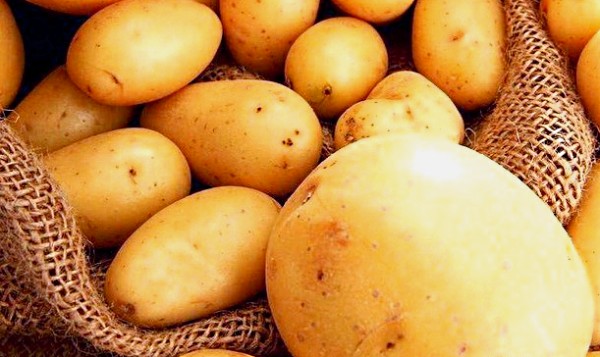
If your region's climate is unstable, it's best to plant early varieties. Most modern potato varieties are early-ripening, maturing in 45-75 days. Since the tubers can develop down to temperatures as low as 8°C (46°F), which typically corresponds to mid- to late October, you'll definitely have time to harvest before frost. Even if for some reason the roots aren't fully ripe by this time, they can be used for food throughout the fall, and the new potatoes will be a pleasant reminder of the past summer.
Video "Landing"
From this video you will learn how to plant potatoes in July.
Selecting a variety
The success of such a late planting will largely depend on the potato variety chosen. It's important to understand that potato maturation should be limited to 90-100 days, so only early and mid-season varieties should be chosen—late varieties simply won't have time to ripen. The regional climate should also be considered. If winter arrives early and unexpectedly, it's best to choose an early variety adapted to the local conditions (zoned). In mild southern climates with late and warm winters, a mid-season variety can be planted.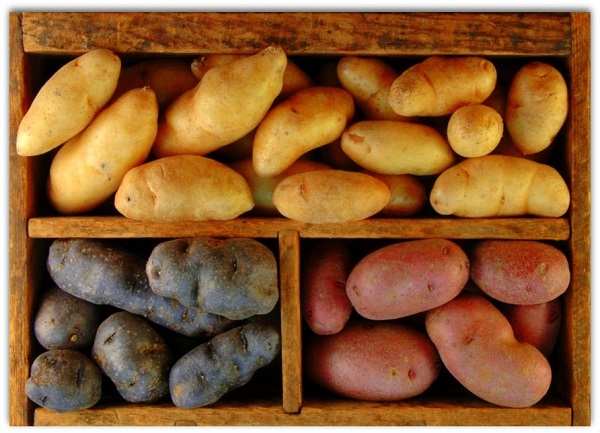
Typically, seed potatoes are ready for planting by July without sprouting. Simply place them in moist, warm soil, and the sprouts will begin to actively develop. However, if your potatoes are perfectly preserved and you can visually assess that the tuber is still dormant, you should sprout them: a few weeks before planting, move the seedlings to a warm, bright location. Use only healthy, undamaged tubers; otherwise, you'll have to contend with diseases.
Benefits of planting
Despite all the difficulties of growing potatoes in the second half of summer, this planting method has many advantages:
- First of all, it saves planting space - by July, areas after early vegetables, some varieties of onions, and salad greens are freed up, which makes it possible to plant potatoes in an already prepared and fertilized area;
- By postponing the potato planting date to June or early July, there is a chance to “cheat” the most insidious pest of this crop – the Colorado potato beetle, since its peak activity is observed in the first half of summer;
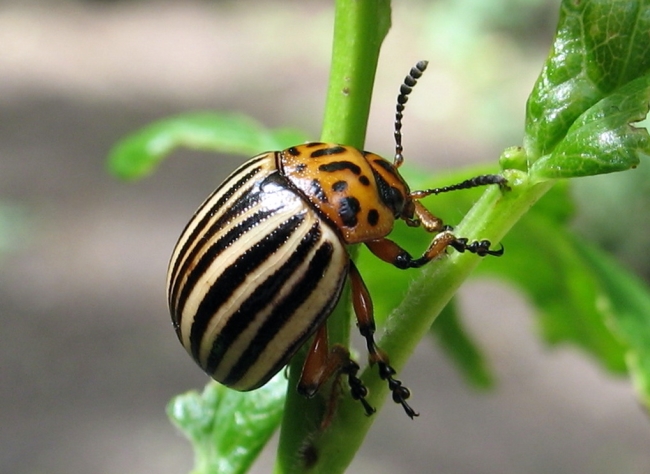
- even if the beetle remains active, it will prefer the neighboring potato, where the tops are more developed and formed;
- In July, the activity of other pests and parasitic organisms (fungi) also declines - many gardeners note that late potatoes remain green for a long time and are not affected by late blight;
- Late planting is an excellent way to protect young potato sprouts from May night frosts, because in July the soil is already completely warmed up, which means the shoots appear sooner;
- Tuber development in warmed soil occurs more intensively, so the crop will take less time to ripen than with spring planting;
- Late root vegetables are stored better and longer - in the spring, when the tubers usually begin to sprout, your potatoes will still be in excellent condition;
- Even if you don’t have time to care for the potatoes and the tubers don’t grow very large, you will get excellent seed material for future planting;
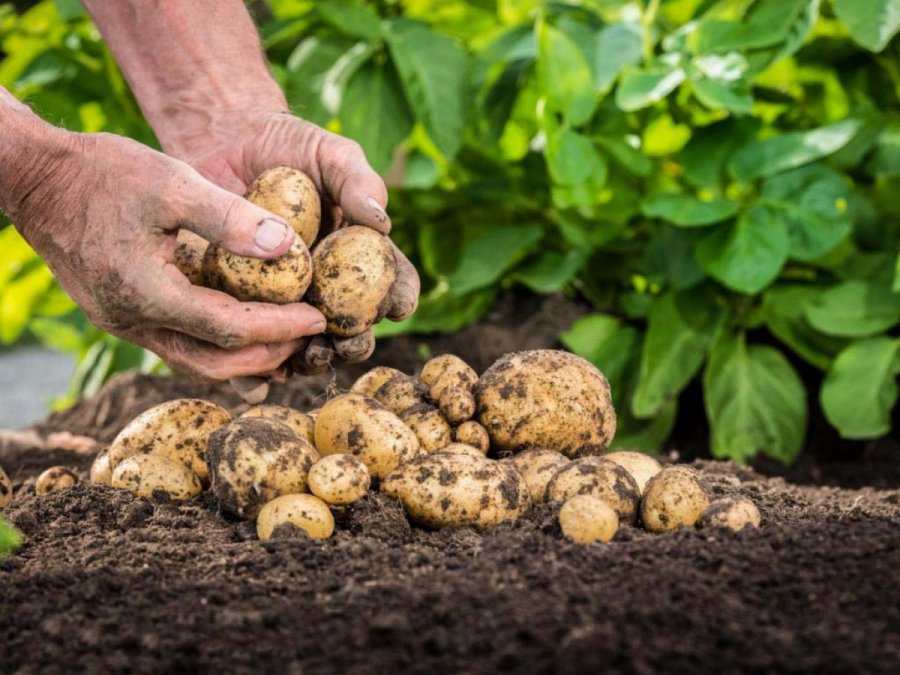
- and finally, digging up potatoes in the fall, when it's cool and comfortable outside, is much more pleasant than in the hot summer.
Growing conditions
Planting potatoes in July, with proper care, can yield a higher yield than traditional spring planting. This is understandable—the soil is already fully warmed by July, allowing the tubers to develop more quickly and efficiently. However, during this period, there's always the risk of abnormal heat, which can ruin all your efforts. It's well known that potatoes don't thrive at soil temperatures of 25°C, and at 28-30°C, the tubers "freeze" and stop developing.
You might say I need to water the bed more often. Watering is necessary, but never in hot weather, otherwise you can "burn" the seedlings. Furthermore, moisture and heat promote disease. The only solution is mulching the beds. This procedure is truly a lifesaver for potatoes, allowing for fairly high yields. Any organic material can be used as mulch: sawdust, straw, dry hay, or dried moss.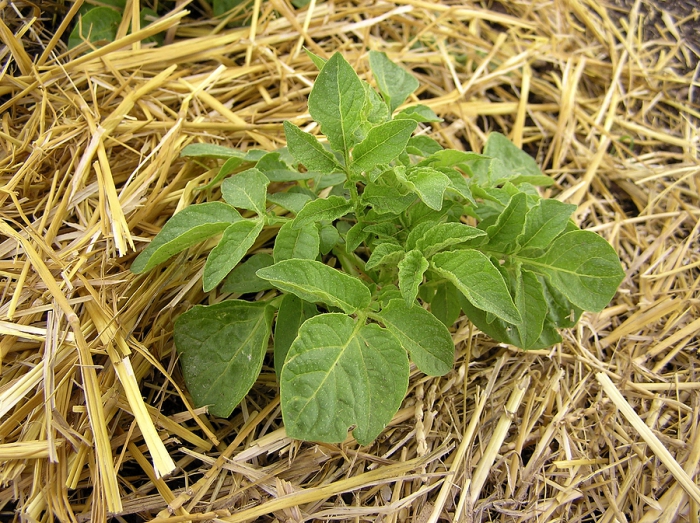
When choosing mulch, consider the potential negative impact of each material. For example, if you use hay, it should be young grass, free of seeds and weeds, otherwise weeds will inevitably seed themselves in the potato fields. In organic farming, sphagnum moss is often used – it's a moisture-absorbing, porous material that retains moisture well, allows air to pass through, and, with its bactericidal properties, prevents the development of pathogens in the soil.
The mulch layer should be deep (at least 10 cm) to perform its primary functions: retaining moisture and shading the soil from the scorching sun, thereby preventing overheating. Mulching a garden bed also has many advantages for the gardener: it eliminates the need for weeding, loosening the soil, and hilling up potato plants.
It is still necessary to water such a bed, but only in the evening or in cloudy weather, and not often - as the soil dries out.
Weed control
Some gardeners worry that by mid-summer, weeds can appear in abundance, threatening to choke young potato sprouts. This can happen if the soil has recently been fertilized with organic matter—weeds, as well as crops, thrive in humus. However, if you're planting root vegetables in the summer after another crop in a plot already fertilized in the spring, there's no need to worry.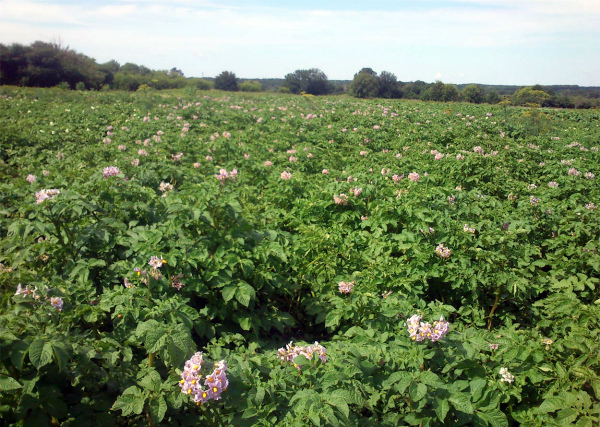
In July, weed growth is reduced due to the heat and drought. Furthermore, in midsummer, the seeds have not yet matured, so self-seeding of weeds is also eliminated. This allows for significantly less frequent weeding than is required for spring planting. Gardeners who have planted potatoes in July report that they only had to weed the bed a few times from sowing to harvest, and even then, they combined this procedure with hilling.
Video "Varieties"
From the video you will learn about potato varieties.