
Features and methods of planting potatoes
Content
When to plant
Planting potatoes in the garden usually doesn't present any particular problems. Often, people don't even bother – the planting season begins in mid-April and ends in mid-May. This isn't always the case. It's recommended to calculate potato planting times not by precise dates, but by observing the weather. Our ancestors weren't as adept at research and developing new varieties as we are. They always relied on weather conditions and general indicators to determine the readiness of the soil for planting.
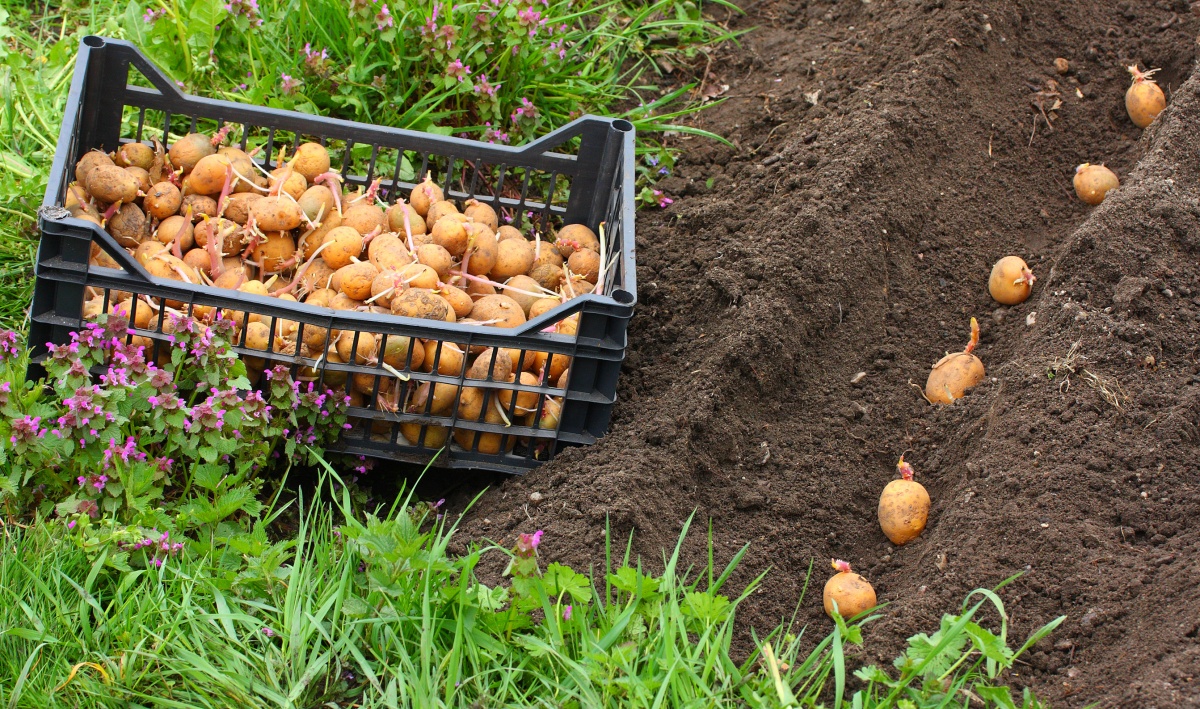
People have always based their decision on the onset of spring. If warm days arrive early, then potatoes can be planted early. The usual time is early May. That's when the soil warms up enough to immediately stimulate germination. The optimal soil temperature at the required planting depth is 6-10 degrees Celsius. It's not always possible to measure it, and it's not necessary. It's enough to observe the trees' vitality, as their roots quickly respond to the onset of warmth in the soil.
Early April is a relatively early time. Potatoes are frost-resistant and can produce new shoots even after the first ones die. However, all the plant's energy will be spent on survival, which will delay the full development of the crop. Late May or summer potato planting is already late, so care and maintenance are more important in these cases. With good seed, a bountiful harvest is possible, but it's not worth the risk. The best time to plant potatoes in greenhouses is early February.
Soil preparation
Successful potato cultivation in the garden requires two seasons of soil care: in the fall after harvesting and in the spring before planting. Soil preparation involves two aspects: oxygenating the soil through tillage and other agricultural practices, and applying organic and mineral fertilizers.
The location where you plant potatoes is also quite important. It should be in direct sunlight. Shade will negatively impact the harvest. It's also important to ensure there's no strong wind.
In plowed virgin soil, potatoes sprout quickly in the first year and produce a good harvest even without additional effort. However, continued use of the same field requires careful management and the addition of nutrients that enhance the plant's nutrition. To effectively cultivate the field, corn, cabbage, cucumbers, and root vegetables are added after a few years.
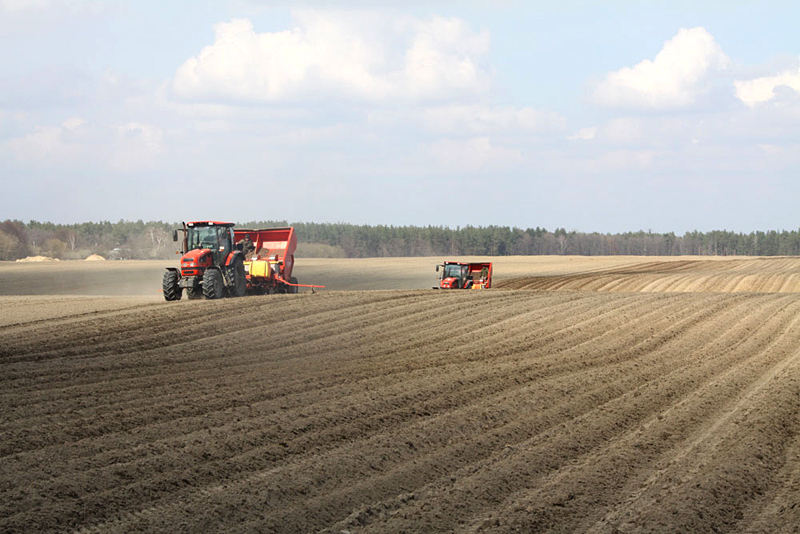
Potatoes prefer a specific soil type that produces the most desirable results. To bring the soil up to the required standard, you can follow these tips for care:
- Amend loamy or clayey soil with humus or peat. Use one bucket per square meter.
- For sandy loam and sandy soil, a bucket of clay soil per square meter of area is ideal.
- For peat soil, use a bucket of compost, river sand and clay for a similar area.
- For the specified area, use the following mineral fertilizers: 1 tablespoon of powdered superphosphate, 1 teaspoon of potassium sulfate, 1 cup of wood ash. Option 2: 1 cup of wood ash and 2 tablespoons of nitrophoska.
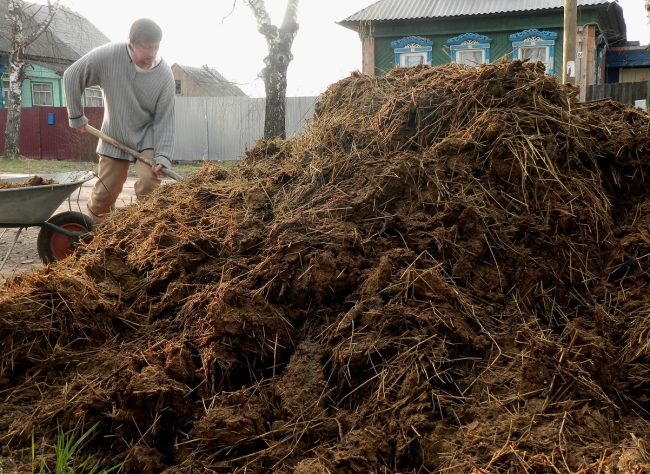
It's important to use fertilizer judiciously—applying fresh compost before planting can have the opposite effect. Such potatoes sprout and are immediately susceptible to late blight and other diseases, resulting in a tasteless and watery harvest.
Video: Preparing the Soil for Planting Potatoes
The author demonstrates his technology for preparing soil for planting potatoes.
Selecting a variety
The quality and properties of a variety are key to a bountiful harvest. While this isn't as pronounced in small home gardens, for farmers growing commercial potatoes, choosing a variety is a crucial step. Each variety is evaluated based on several characteristics:
- productivity;
- ripening periods;
- taste qualities;
- the ability to “lay down” and not lose its properties over the winter;
- degeneracy or lack thereof.
These are the main factors that determine the variety selection. Both domestic and imported seed potatoes are available on the market. The most popular potato variety for planting is Dutch. This country leads the world in potato breeding and abundant harvests. The Dutch climate allows for the development of varieties that thrive in temperate latitudes. The opposite is true in southern regions and countries. There, potatoes quickly degenerate, making the seed completely unsuitable for subsequent planting.
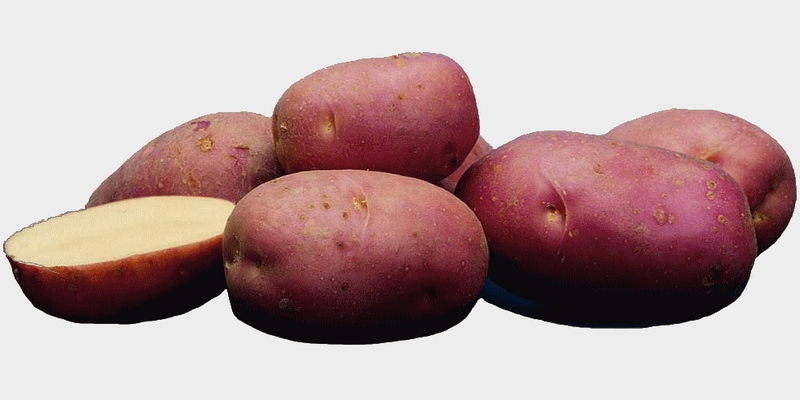
But you need to be careful with Dutch potatoes – they are only capable of producing a good harvest for 3 years, just like most varieties from this country. After these years, it's worth choosing a different variety or judiciously combining them as much as is convenient. Experienced gardeners know that relying on a single variety is too risky, so they often purchase several at once and, through practical experience, determine the best one for given climate and geographic conditions. The most popular varieties and brief information about them:
- Scarlet, Holland. Red tubers and yellow flesh. Produces good yields, is tasty, doesn't overcook, and has a long shelf life. Suitable for growing in the south.
- Luck. Mid-season maturity. Appetizing appearance – beige tubers, white when cut. Flexible for growing in various latitudes. A bush can yield up to 20 tubers.
- Rocco, Holland. Ripening time is approximately 30 days, and it has excellent taste and aesthetic qualities. It consists of 15-30% starch. It is ideal for making potato chips and other fast food products.
- Tuleyevsky. Valued for its large tubers, this table variety contains 13-16% starch. It is susceptible to golden nematode.
- Zhukovsky. Ripening in 60-65 days, it boasts excellent characteristics. It has excellent flavor, long shelf life, and produces a high yield. It's easy to care for and undemanding of soil and weather conditions, making it ideal for northern latitudes.
- Adretta, Germany. A distinctive feature is the yellowish flesh, which is widely used in the culinary industry. The variety is mid-early and resistant to pests and diseases.
This is not a complete list of the most popular varieties. The main recommendations when choosing: study the properties and characteristics of the variety, use more than one variety, and periodically purchase new tubers.
Planting material
Most rural residents and summer cottage owners plant potatoes using the traditional method, which doesn't require any special care for the planting material. These potatoes grow and produce a meager harvest, yielding only enough for consumption and subsequent sowing.
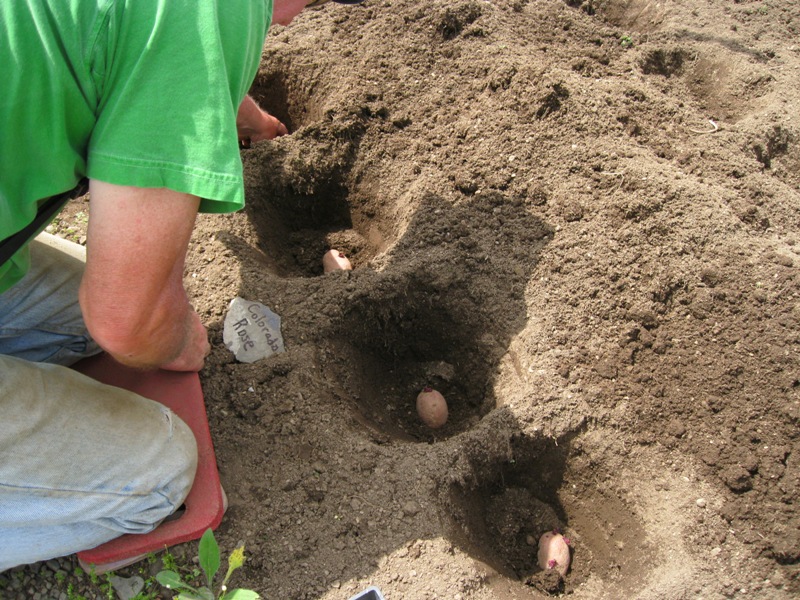
Hobby gardeners who grow plants for sale approach this problem from a completely different angle. They prepare the tubers, sprout them, and only then plant them in the ground.
To ensure potatoes quickly mature and form into a full-fledged plant, the tubers need to be germinated. This entire process begins with the awakening of the so-called "eyes." Tactile stimulation methods:
- Use toothpicks, inserting them shallowly into the potatoes, 15 in total;
- Make a shallow cut (3 mm) across the entire area in a circle, without touching the places where the stems will grow.
- String the potatoes onto a nylon thread or fishing line and hang them in the consecrated place.
Light, temperature, and the right amount of moisture are also used to awaken dormant buds. Potatoes turn green when exposed to sunlight. These root vegetables are strictly prohibited for consumption, but they are excellent for planting. The substance synthesized under sun exposure has a beneficial effect on repelling pests and promoting additional plant growth.
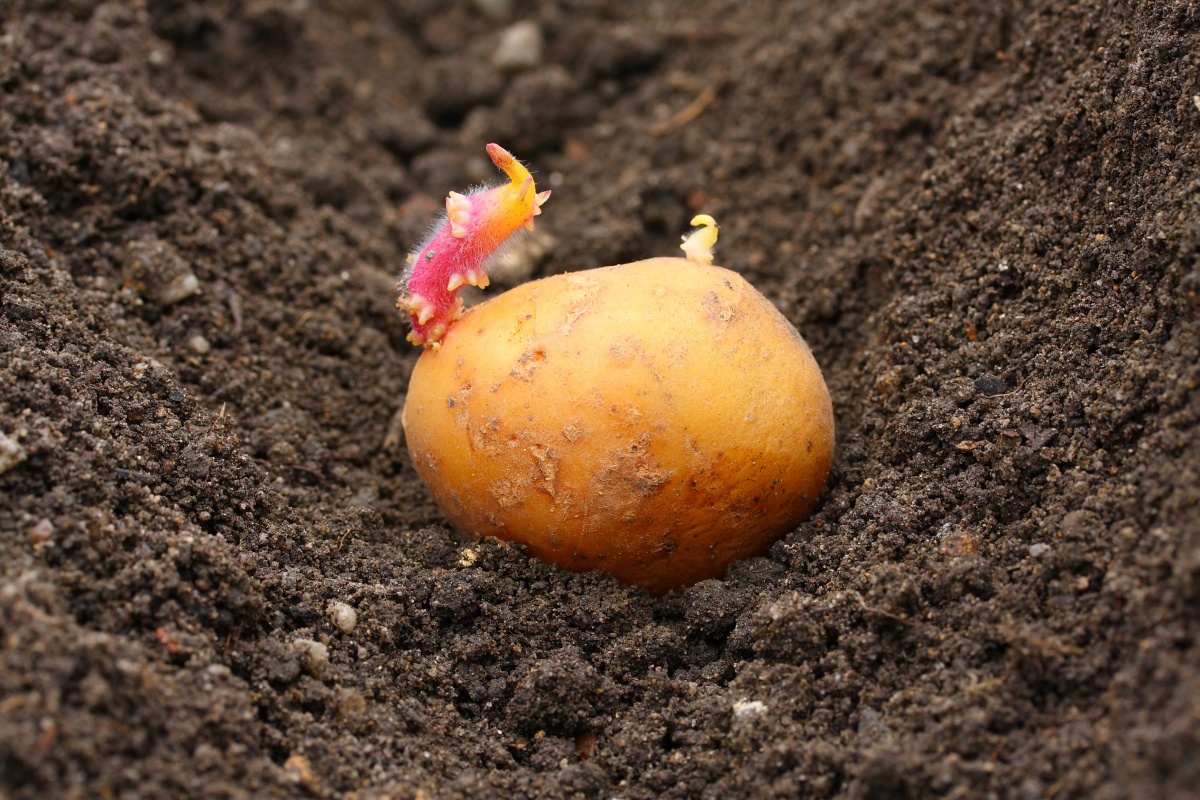
If your seeds have been kept in a cool place all winter, they should be gradually moved into a warm room a few days before planting. It's best to increase the temperature in stages, otherwise the plant may become stressed. This warming will awaken dormant buds and produce the necessary stems. Another interesting method is wet germination. This requires the use of special boxes and peat moss.
Landing
Planting can be done in a variety of ways; it's difficult to count how many there are. Some gardeners who grow potatoes year after year are accustomed to one method. The most common is the "shovel planting." This involves digging holes and planting the tubers. This method is suitable for ordinary, moderately acidic soil, but may not be effective in other soil conditions. Sometimes the plant doesn't even sprout. Vegetable growers also use other methods, some of which are conventional and some of which are not.
Comb
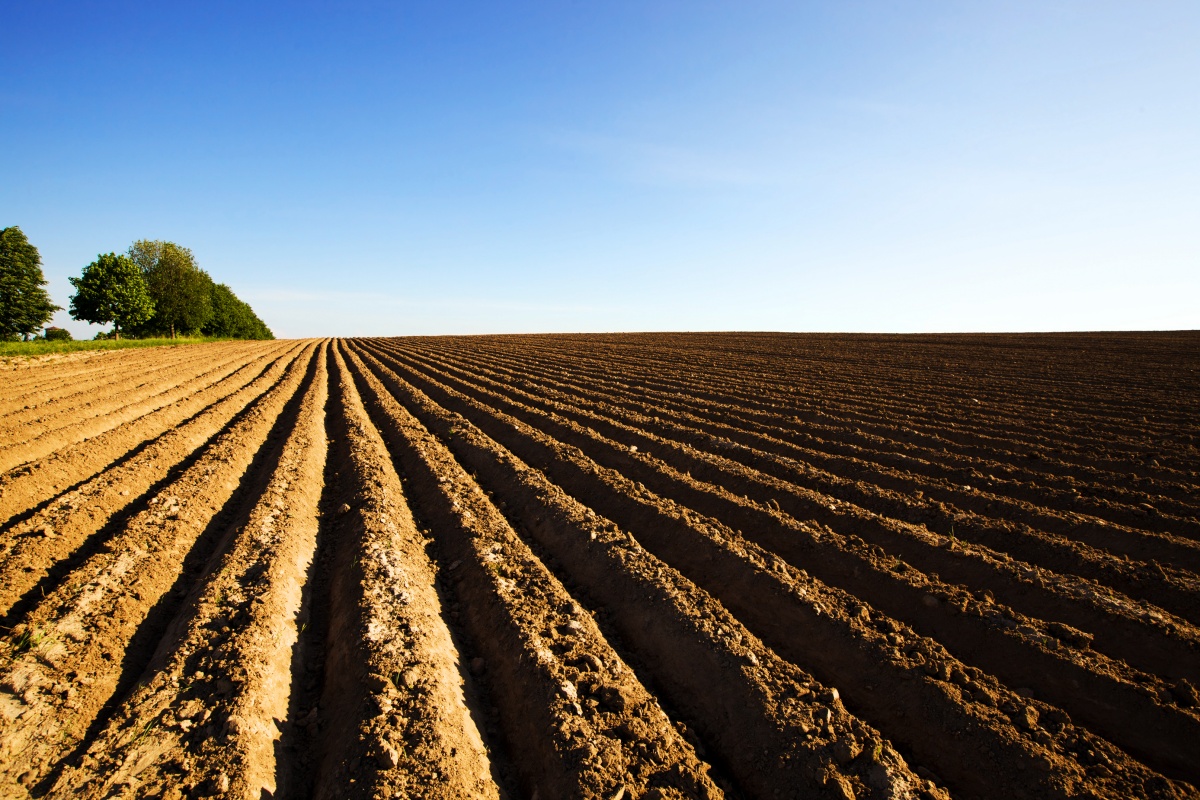
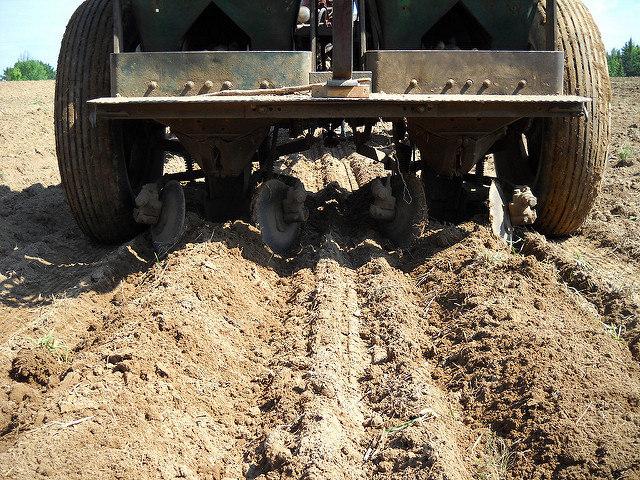
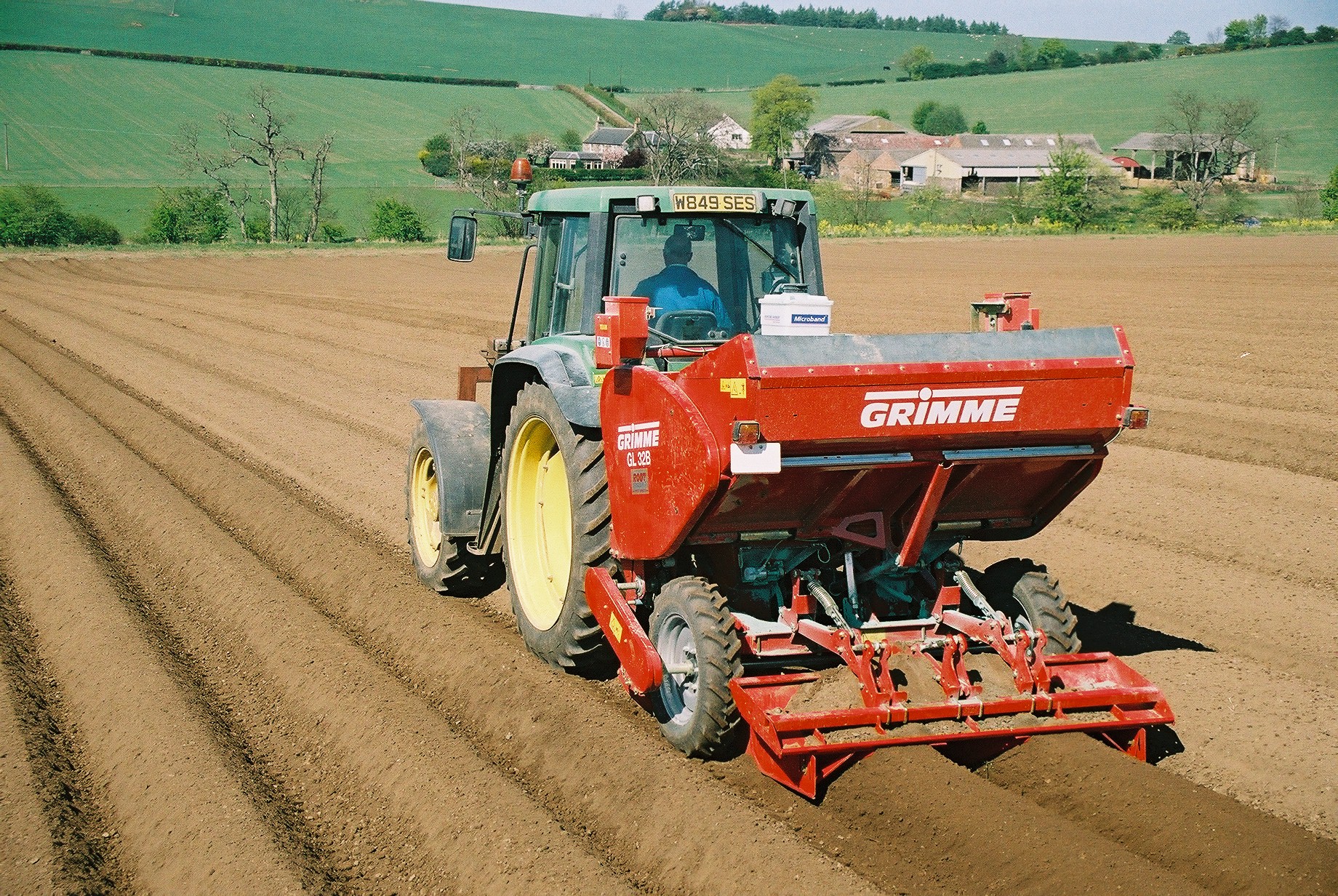
This method is suitable for clay and loamy soils. It involves planting tubers in ridges created by raising them 70 cm apart between rows. This method ensures good soil aeration, as the planting depth is only 6 cm. The soil warms up quickly, allowing for an earlier start to agricultural work. Raised-ridge planting provides freedom for the root system, thereby increasing yields. In terms of planting with machinery, this is the most optimal option.
In the trench
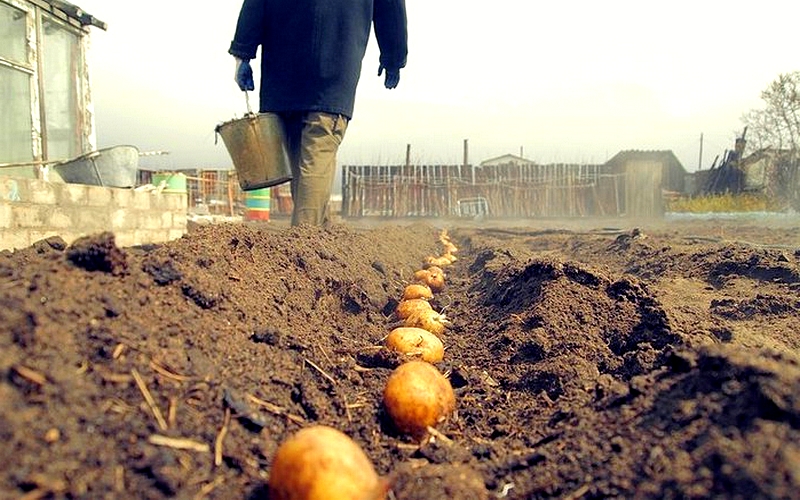
This method is the opposite of the one described above. It's used in soils with low moisture levels. To do this, dig trenches into which the potatoes are placed. If you decide to use this method with heavy soil, be careful – there's a risk that the plants will die from lack of oxygen.
Unusual ways
Planting potatoes in unconventional ways can be a bit of a shock to someone who respects tradition. But it often happens that you really want to grow potatoes, but don't have enough space. In such cases, people come up with innovations. And if they prove effective, they talk about it and share their experiences.
Hay
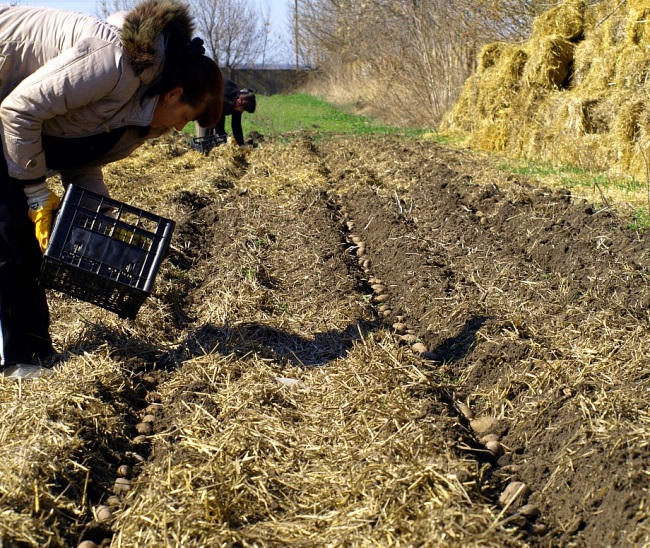
The most common method. Potatoes are placed on the soil, lightly covered with soil, and covered with hay. The potatoes sprout and grow—straw is added in several stages. Harvesting is easy, and the yield is impressive.
Film
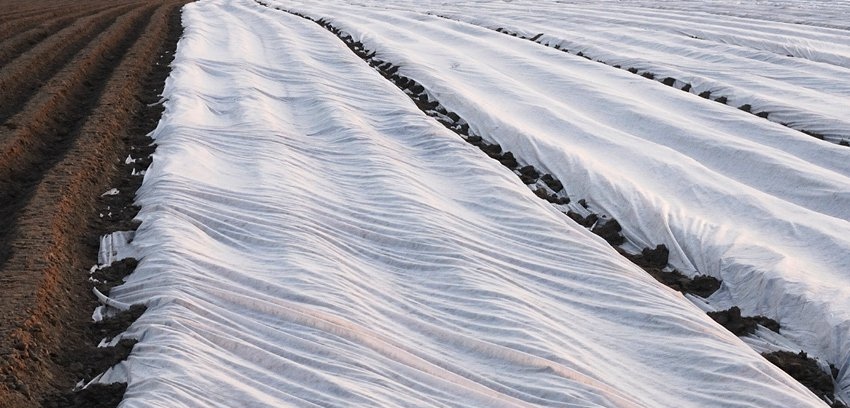
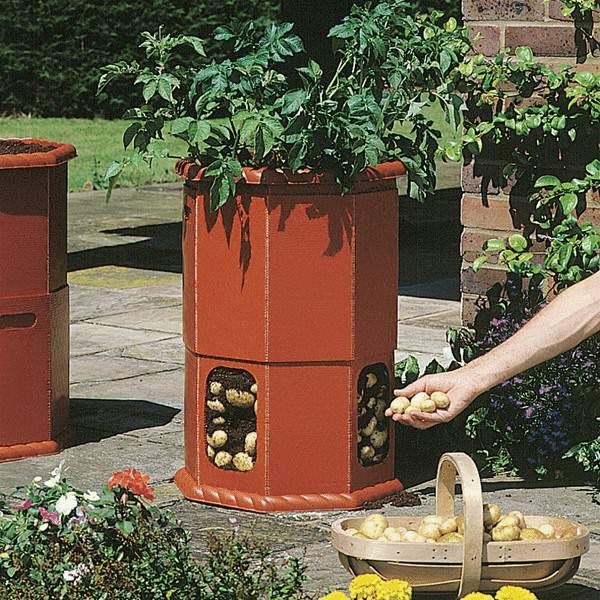
The soil is covered with plastic film, and holes are made for planting. This method is the least labor-intensive—no maintenance, such as hilling and weeding, is required. Experimentalists grow potatoes in boxes, bags, barrels, and even mounds. The main common thread between these methods is light soil with a high level of beneficial organic matter, which is added as the plant grows.
Video: "Planting Potatoes in Norway"
High-quality footage of potato planting in Norway.