
Features of watering potatoes in open ground
Content
Do potatoes need to be watered?
Potatoes are planted in the spring, when the soil still has plenty of moisture. During this initial phase, the root system grows and develops rapidly, while the aboveground part is less so, so moisture evaporation from the leaves is minimal.
Moreover, the main source of water at this stage is the mother tuber.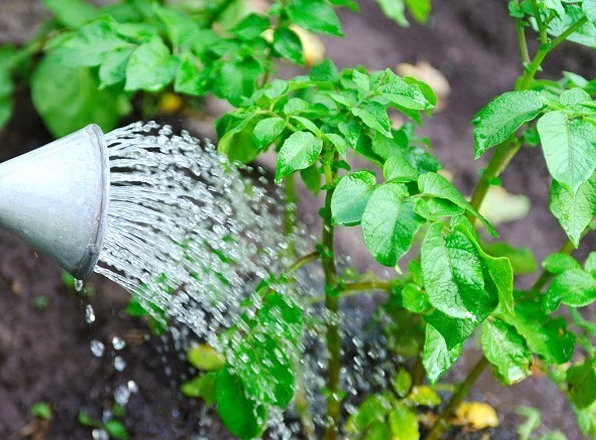
In the second phase, which occurs during the period of budding and the beginning of flowering, the potato stolons develop intensively and tubers are formed, the above-ground part of the bush is formed, which means the evaporating surface of the leaves is very large.
During this time, moisture is critical for potatoes. It's best if the end of spring and beginning of summer are rainy, as the precipitation during this period should be at least 300 mm.
Small reserves of moisture are still contained in the planting tuber, but what will happen if the beginning of summer turns out to be rapidly hot, with rare short-term rains?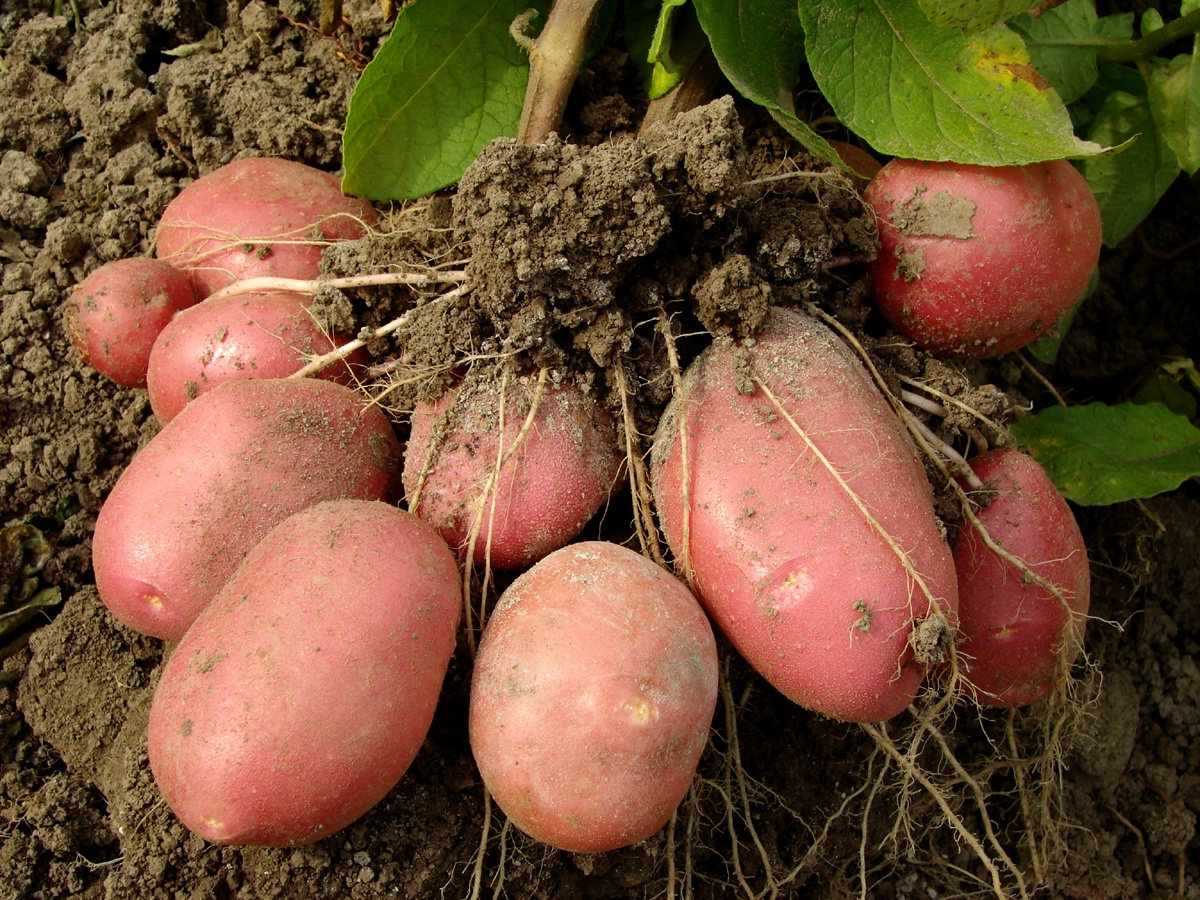
The bush, conserving its vital resources, will devote all its energy to growing and maintaining green mass, skimping on tuber formation. As a result, the harvest will be low due to the small number of potatoes. The subsequent period is characterized by the tubers gaining mass. Since potato tubers are 75% water, they will require moisture from outside to grow, although in smaller quantities than in the previous period. Therefore, the answer to the question of whether potatoes need to be watered is that if you don't plan to increase your yield by increasing the area planted, then watering is essential.
This is confirmed by the statement of the potato growing guru A.G. Lorkh: “...precipitation or watering in June - early July determines the number of tubers that set, and precipitation in the second half of July - August determines the weight of the tubers.”
Video: How to Ensure Good Watering
This video will show you how to water potatoes properly without harming them.
All methods of watering
We've established the inevitable need to water potato crops to achieve consistently high results. Now we need to figure out how to water potatoes in your specific situation.
Let's divide these methods into two categories: manual and mechanized watering of potatoes.
Manually
In small areas, and also if you have to collect rainwater, use imported water, or carry it from a nearby reservoir for watering, you will need a watering can or bucket.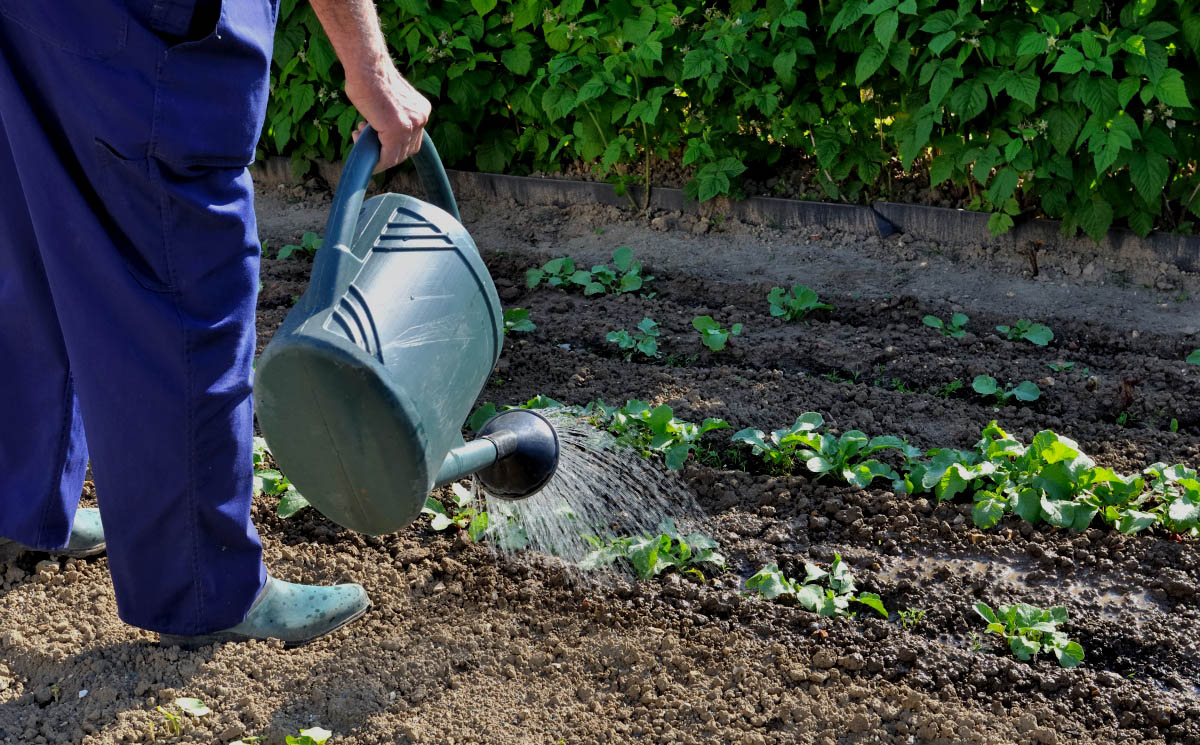
Water is poured into the center of the bush in small portions, waiting until it is completely absorbed. The minimum required amount is 3 liters per bush.
The advantage of this method, along with its low cost, is the ability to control the moisture supply to each bush. The soil around the bush remains loose and the leaves dry. The disadvantage is the high labor intensity.
If you have a well with a pump or a centralized water supply, water the potatoes with a hose. To do this, water one row at a time, then the next, and then return to the first.
The disadvantage of this method is the need to constantly carry an inconvenient, bulky hose with dirt stuck to it, and be careful not to break the fragile plant stems while moving it.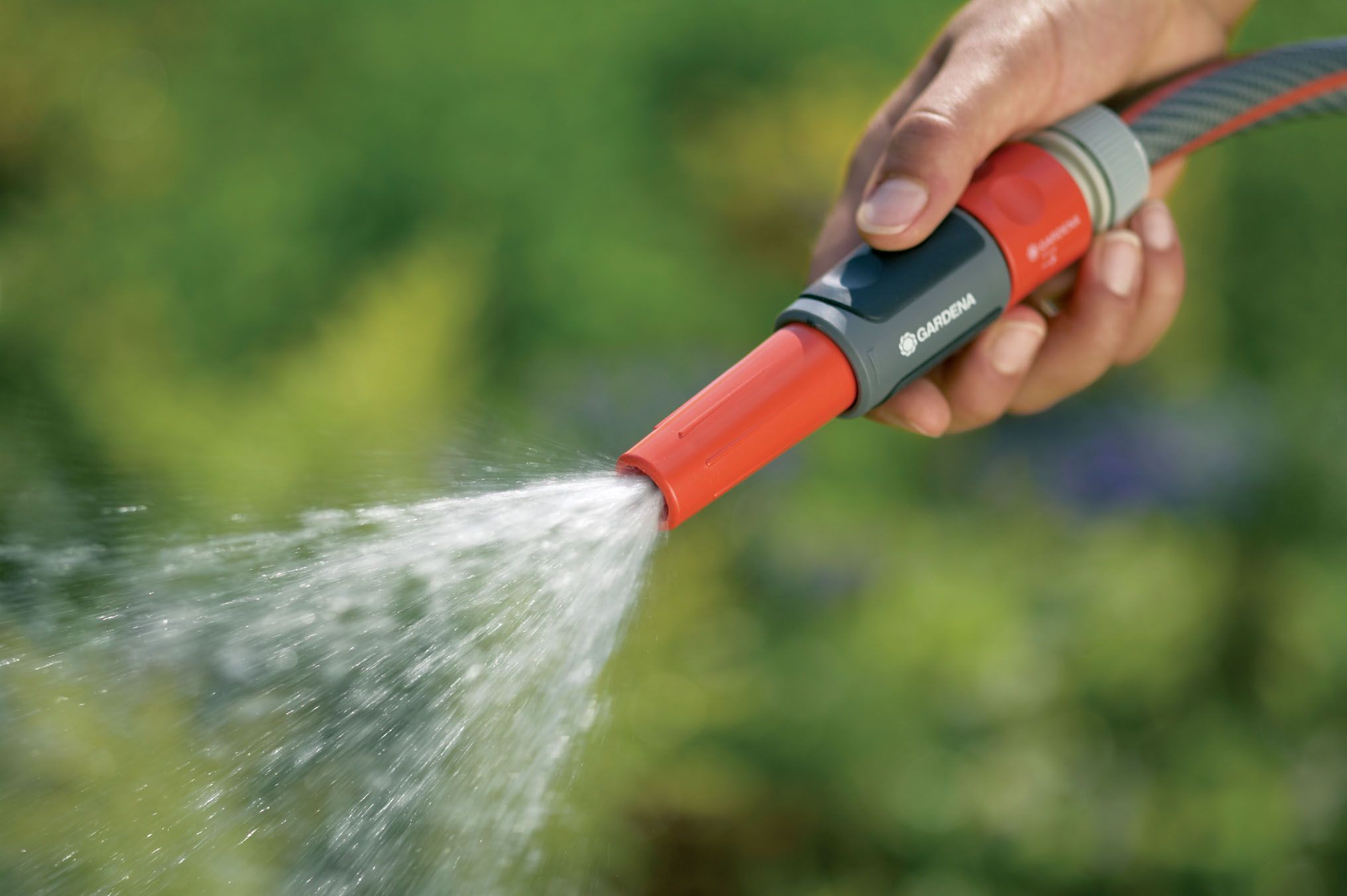
If the area chosen for potato cultivation has a slight slope, you can water it by placing a hose in the furrow between the rows, allowing the water to flow by gravity to the end of the row. If there is no slope, move the hose periodically along the furrow.
This method saves time, as you don't have to constantly be near the hose. However, it uses a lot of water, and when it dries, a crust forms, requiring loosening after a few days. Furthermore, such heavy watering leads to soil salinization. Some gardeners use blanket irrigation, standing in one spot and watering a large plot at once. This method makes it impossible to monitor how evenly the moisture is distributed.
Mechanized
Using technology will significantly simplify watering large areas of potatoes. First, let's look at the most popular method in this category: sprinkler irrigation.
These days, it's hard to find a garden plot without small fountains, evenly dispersing water across the surface of the beds. Automatic irrigation is attractive because it distributes moisture evenly across the required area and depth without compromising the soil structure, while simultaneously improving the microclimate of the irrigated area.
This type of irrigation system is installed as follows: the end of a hose or pipe is connected to a sprayer, the water is turned on, and as soon as the pressure is sufficient, the sprayer (sprinkler) will begin to spray water onto the area.
The system can be permanent, with a branched pipeline and sprinklers installed throughout the garden, or portable, consisting of hoses, tees, and sprinklers. For irregularly shaped gardens, sector sprinkler heads and rotating sprinklers are very convenient; this will help avoid unnecessary watering and conserve water.
A significant disadvantage of this method is the inevitable wetting of the leaves, which creates favorable conditions for the spread of fungal diseases and the washing away of fungicides and insecticides.
And finally, we come to the most advanced form of mechanical irrigation—drip irrigation. It was first used commercially in Israel in the early 1960s. A program was underway to save irrigation water.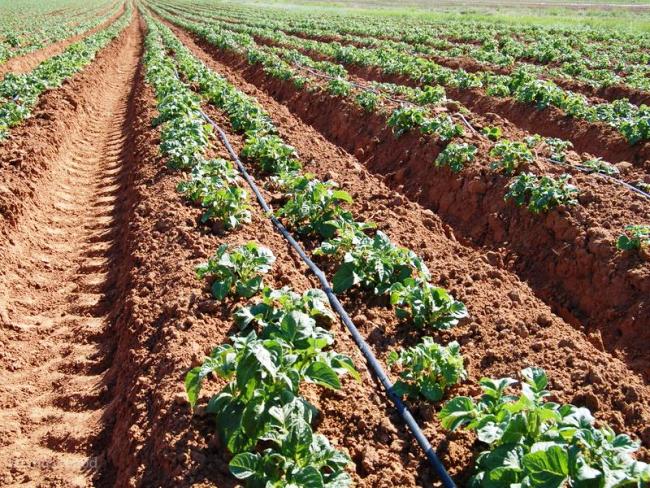
In the first year, the yield almost doubled. Drip irrigation for potatoes ensures optimal moisture supply at all stages of plant development. It saves 60% of water by delivering it directly to the roots, while infiltration and evaporation losses are only 5%, compared to up to 50% with sprinkler irrigation. Irrigation, tillage, harvesting, and spraying can be accomplished simultaneously.
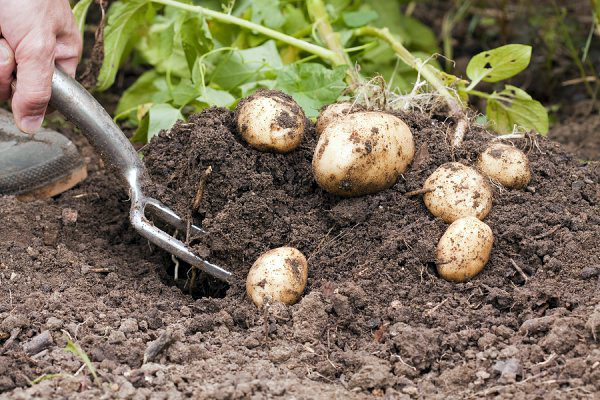
No soil crusting occurs, and the soil structure is not disturbed. Furthermore, drip tape allows for precise distribution of mineral fertilizers to each plant.
You can assemble a drip irrigation system yourself using commercially available components. The only drawback of drip irrigation is the initial investment required, but if you take the risk, the investment will pay for itself fairly quickly.
Rules
Regardless of the irrigation method you use, you need to know how to water potatoes properly. Here are a few rules:
- It's best to water with settled water at room temperature. Plants in the nightshade family, which includes potatoes, have very delicate, absorptive roots; watering with cold water will cause them to rot.
- It's best to water in the evening. Daytime watering is generally ineffective, and water droplets landing on the leaves will create a lens effect and cause burns.
- How often to water potatoes depends on the soil composition. On light soils, water frequently but with smaller amounts; on heavy soils, water less frequently but deeply, ensuring the water gradually soaks into the soil without forming puddles.
- After each heavy watering or rain, loosen the soil to promote oxygenation. Loosening should be done very carefully, being careful not to damage the sprouts or pull the tubers to the surface.
- When watering, be moderate. Both extremes can be detrimental to the plant.
Signs of excess and lack of moisture
Excessive watering can cause an outbreak of fungal diseases in the underground parts of the plant, which will lead to rotting of the tubers and, as a result, to partial loss of the crop and a decrease in its shelf life.
Signs of overwatering can be identified by the leaves—they darken, droop, and appear waterlogged. Waterlogged spots, sometimes covered with a grayish or white coating, may appear at the base of the stems.
If there is insufficient moisture in the soil, the tubers stop growing and become idle, which significantly reduces the yield. With further precipitation or watering, the tubers grow, often acquiring an ugly shape.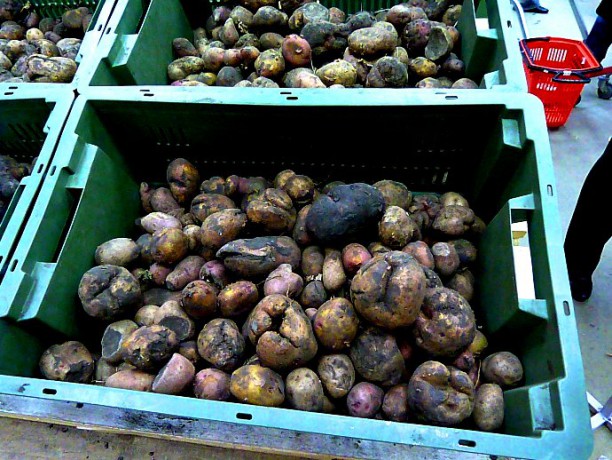
You can determine the soil moisture level simply by sticking your hand 10 cm deep into the soil. If it's covered in dust rather than slightly damp clumps of soil, it's time to water the potatoes.
Video "Technology"
This video will show you different potato irrigation technologies.