
Why potatoes don't bloom: dangers and reasons
Content
Lack of a flower: a problem or a pattern
Potatoes usually bloom early in the second month after planting. But what if they don't? Will there be a harvest, or will all your efforts be in vain?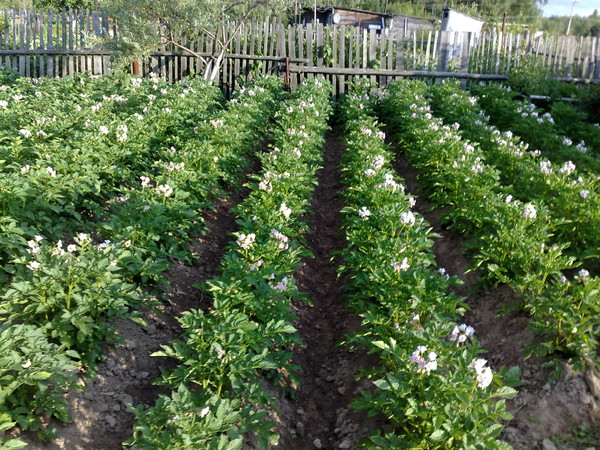
Don't worry. A potato really isn't an apple tree. Its color has no bearing on its harvest prospects. The flowers are on top, and the tubers live their own mysterious lives underground. But since flowering is a part of potato life, it's a good idea to understand the reasons why it doesn't happen.
The explanation can be very simple and not at all alarming. For example, you simply planted such potatoes. Yes, very early varieties sometimes don't bloom. And this isn't a defect, but a result of the breeders' achievement. They deliberately worked to ensure that such potatoes wouldn't bloom—they simply didn't waste energy on it. Tubers in such varieties form early, before flowering can occur. And the fact that flowering is excluded from their life cycle helps them avoid many diseases and pests typical of this crop.
Flowering can be very brief, almost lightning-fast. And the flowers are small, too. So, if you're not in the garden regularly, you might easily miss it.
There are potato varieties that decide for themselves whether to bloom this season. And this decision is made based on the weather. If, say, there's a drought, some varieties simply won't bother. But if they have enough moisture, they'll bloom.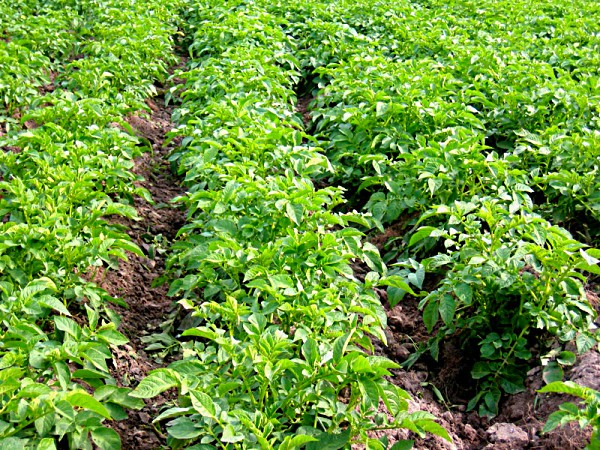
Here's how weather can affect the plant. On excessively hot days, the exhausted plant sheds its buds. Signs that the potato is suffering from the heat include weak, short, and drying stems.
These are the peaceful causes of color loss. But it could also be the result of a pest attack or your own negligence.
Pests—most often potato ladybugs or ground beetles—simply eat the flower buds. And they do it so quickly that you won't even notice the buds were there. It's not a disaster, and you won't be left without a harvest because of it, but it's still better to take action against the pests.
Here are some possible mistakes a gardener might make:
- you planted potatoes in the shade
- overfed her with nitrogen-containing fertilizers
- you're watering too much
- They chose a site with infertile soil for planting
If your potato plants aren't blooming for one of these reasons, you need to eliminate the cause. But don't panic. When it's time to dig up the potatoes, you'll see that the underground processes were proceeding as usual.
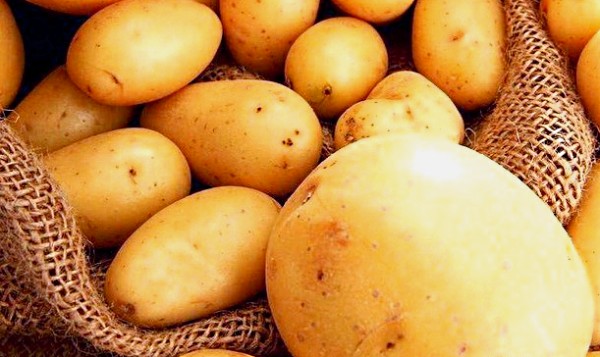
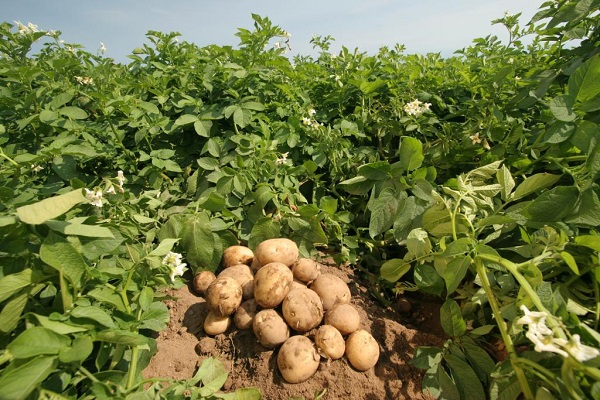
Video "Blooming"
From the video you will learn what happens to the bush during flowering.
The Importance of Flowering in Potato Growing
You'd be surprised if the question of why potatoes aren't blooming isn't strategically important. What's the purpose of the flowering process at all? Perhaps it's just a hindrance to the plant's health? If even plant breeders have tried to eliminate this need for some varieties, shouldn't we also help our own plants? Simply plucking off the flowers is better left to the plant, allowing it to focus its energy on forming strong, healthy tubers.
Undoubtedly, the question of whether to pluck flowers from potato plants arises for many. Agricultural experts give a categorical "no." By plucking flowers, you damage the stems. They will, of course, recover after some time, but they will waste energy in this process. This energy could be used to form the kind of tubers you dream of.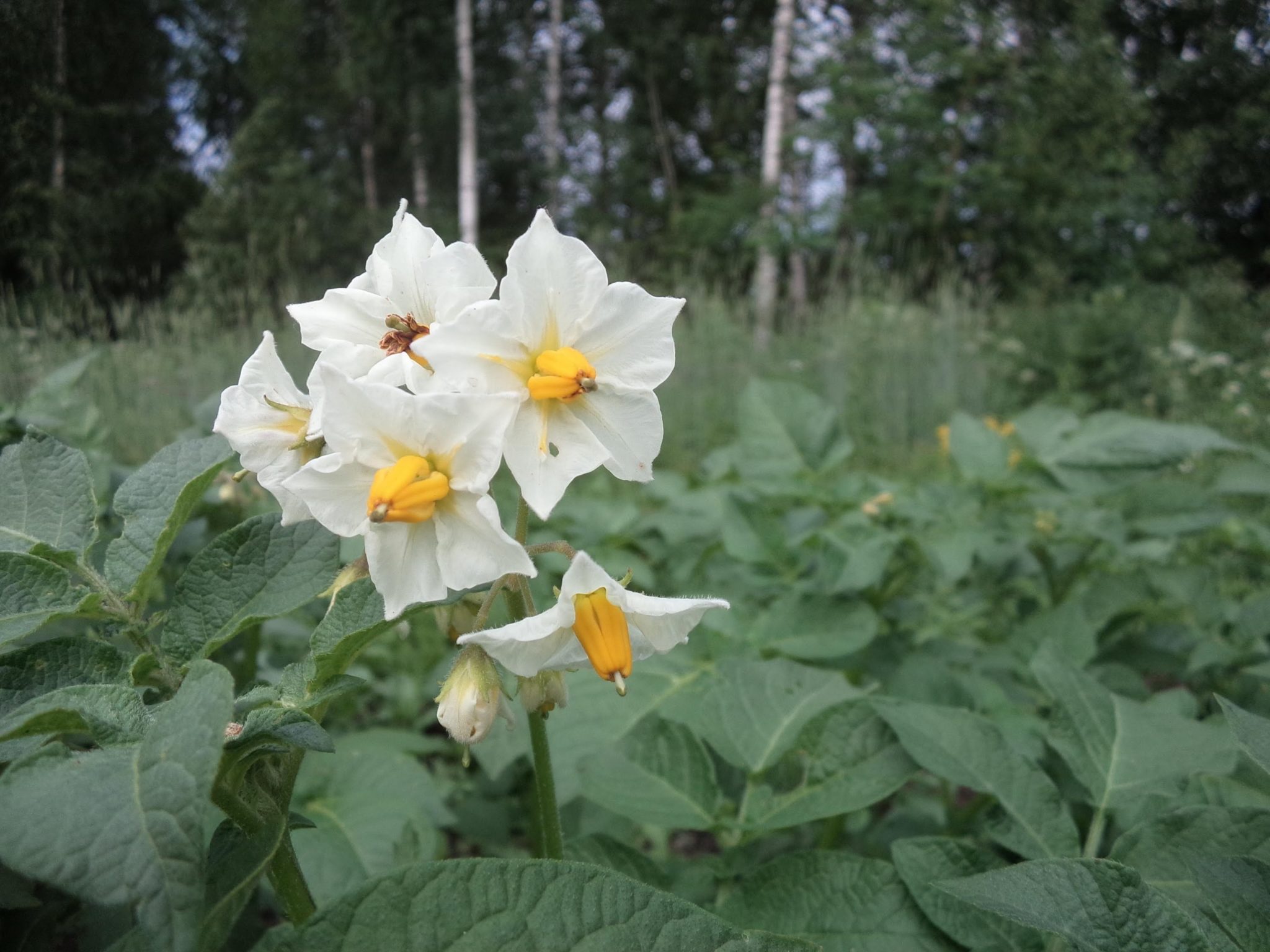
There's a legend among gardeners: if you pick the flowers, this is the harvest! Should you believe such stories? Experience shows it's not worth the effort. If you do achieve a slight increase in yield, it will only be at the expense of smaller tubers.
Moreover, by climbing into potato bushes, you're sure to damage the leaves and stems—accidentally, of course, but damage nonetheless. You'll also trample the soil while picking the flowers. Obviously, all this will also impact the harvest later. So, if you see a flowering bush, don't disturb it.
Consider flowering as an important signal. At this time, it's time to give your potatoes a good feeding. Ash is helpful when buds appear. Once flowering begins, use chicken manure. This will significantly promote root growth. After all, for many varieties, flowering signifies the beginning of tuber formation, and your help will be very welcome.
Advice from experts
You've already figured out that there's only one correct answer to the question of what to do if your potato plants aren't blooming. Do nothing. Flowers are flowers, but they have only a very indirect relationship to the formation and development of the root system.
However, to be on the safe side, check exactly what variety you planted. It might be the one that isn't supposed to bloom.
Also, assess the situation: are your potatoes getting enough water? Both too little and too much moisture can have negative effects. If your potatoes are thirsty, this is truly bad and will impact your harvest.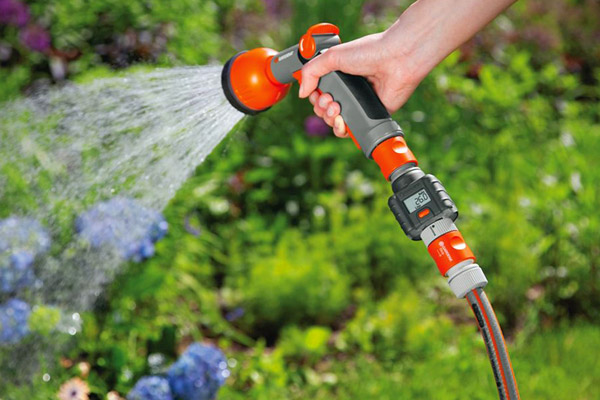
How much water do potatoes need? Typically, about 3 liters per plant. But it's easy to tell if the plant is getting enough moisture. If the soil remains moist at a depth of 5-6 cm, there's no need to water yet; too much water isn't good either. If the soil is dry, water thoroughly immediately.
There's nothing unusual about it: just make sure your potatoes get enough light and water, are properly fertilized, and are healthy. If you've got all of these things and still don't see any flowers, don't worry. You'll still get a good harvest, because potatoes aren't apple trees!
Video "Expert Advice"
This video will tell you whether flowering is important for potatoes.