
Peculiarities of potato hilling
Content
When to start
Hilling potatoes is an important step in growing the crop. This procedure involves covering the bottom of the potato plants with soft, loose soil. When done correctly, weeding and hilling potatoes will ensure an excellent harvest and protect the plants from adverse weather conditions.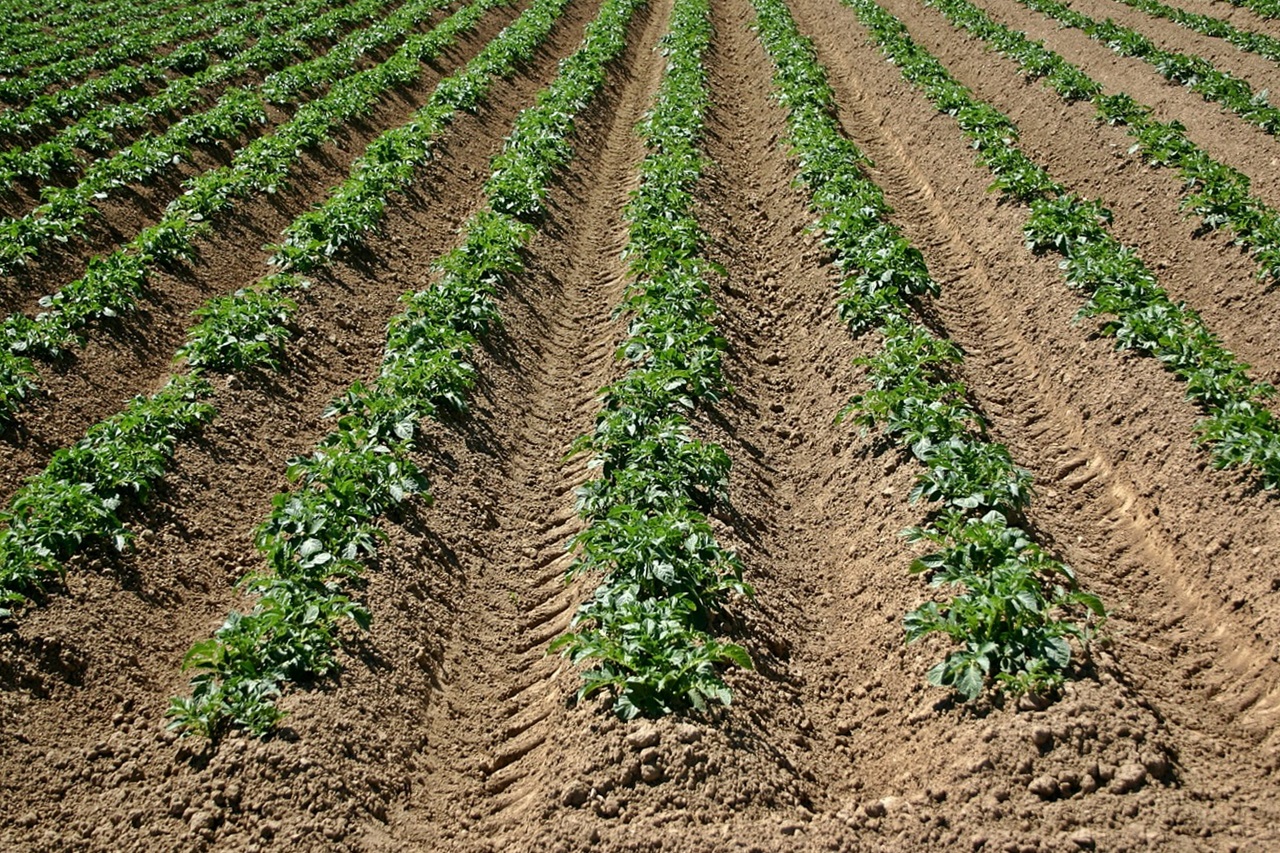
In this case, proper hilling is determined not only by knowledge of the procedure itself but also by the timing of its implementation. Much depends on the very first attempt. Only then should the question arise of how often to hill potatoes with a walk-behind tractor or other equipment. Remember that the potato hiller should not damage the young seedlings. Otherwise, they may die, and you will lose your harvest.
In the literature on the topic, recommendations regarding the timing of potato hilling (especially the initial stage) vary widely. Experts almost universally agree that the stem height is an important guideline. However, estimates can vary. Often, the shoot height range for the first hilling should be between 14 and 20 cm.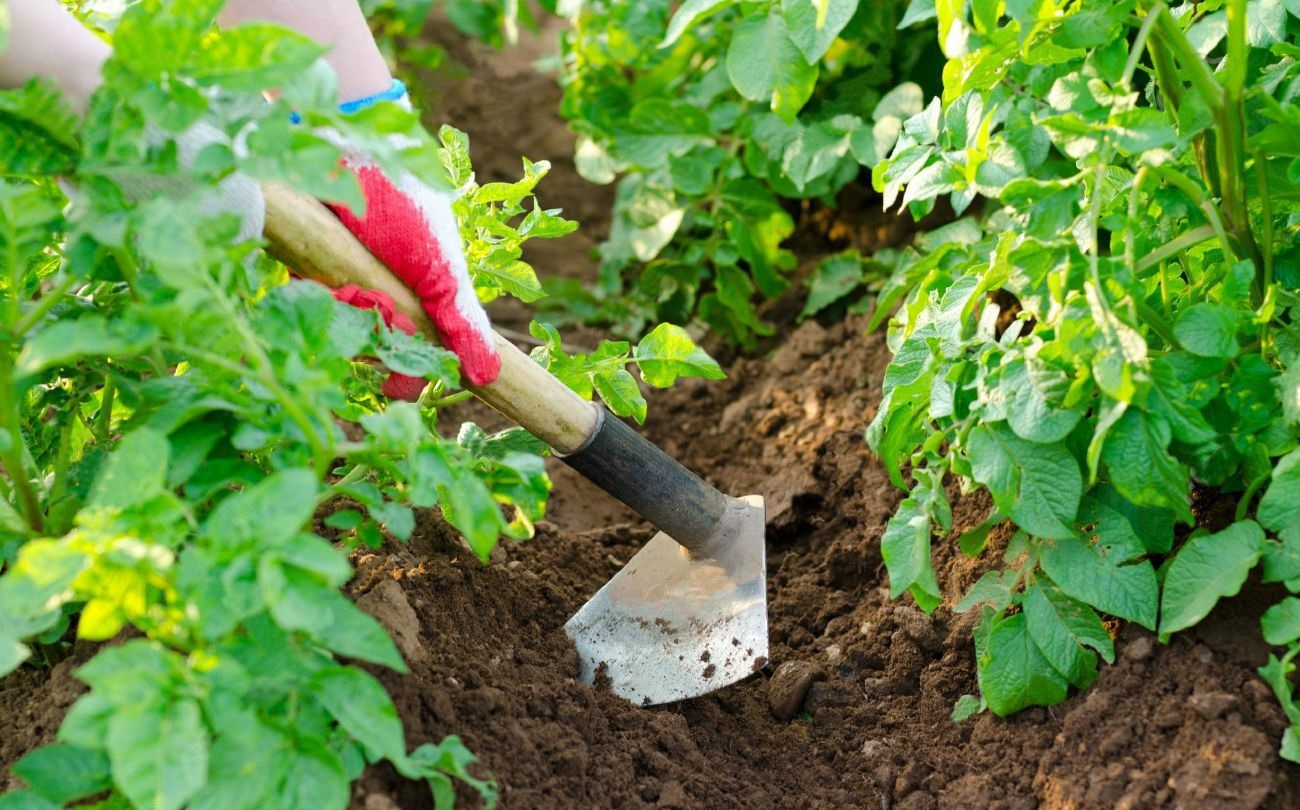
You may find information that the first time the sprouts are covered with soil is when the shoots reach a height of 5-10 cm. If the crop is grown in regions with a harsh climate, where frosts can occur even in May, it is recommended to completely cover the young plants with soil. If the weather is favorable, cover them in a manner that does not slow down the growth of the seedlings.
Experienced gardeners believe that the sooner the procedure is performed, the better. Some note that when determining the right time to hill up, they rely not on facts (such as stem height), but on intuition. This approach is unacceptable for amateur and novice gardeners, who are not yet able to visually assess the condition of their plants and accurately assess their needs.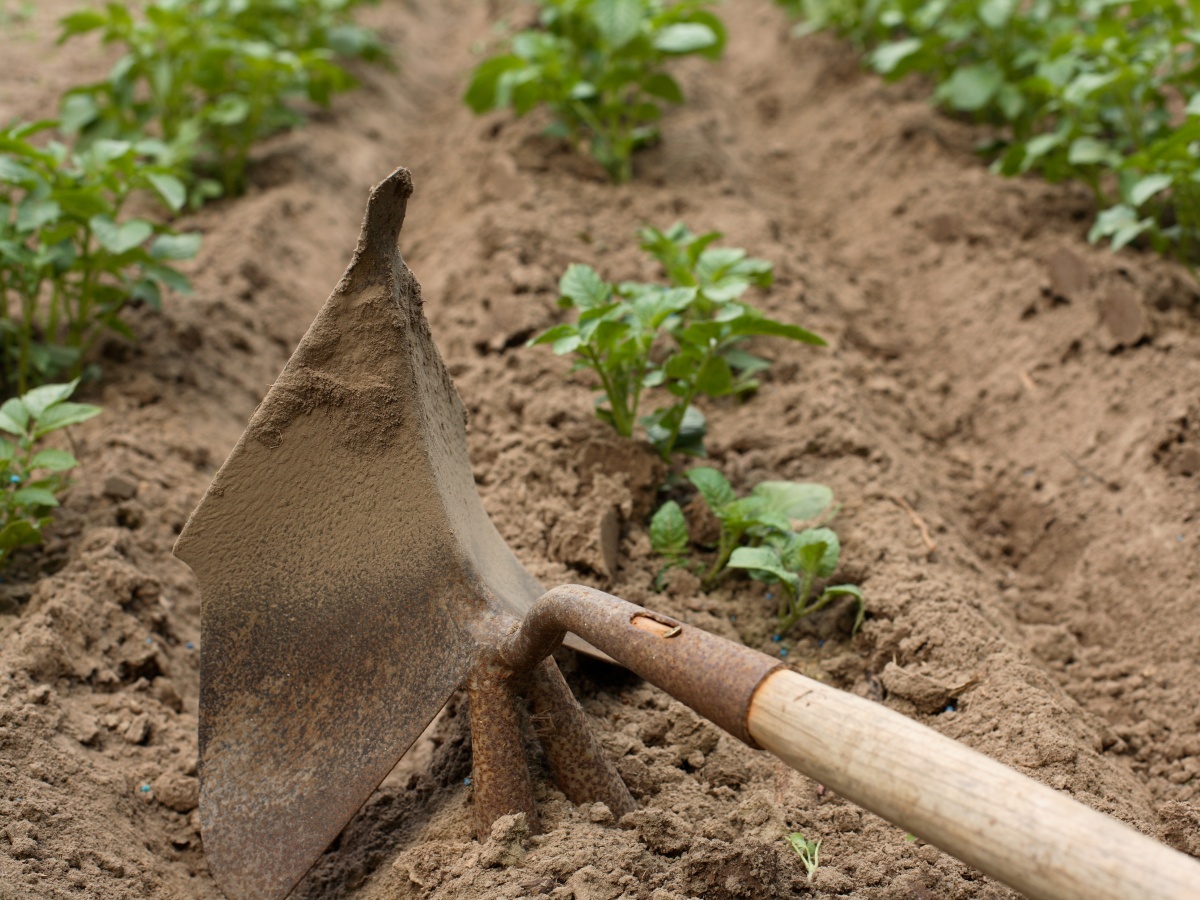
It's worth noting that early hilling can replace weeding and loosening the soil. In regions with unstable climates, this procedure will provide effective protection against frequent frosts.
It's important to understand that the timing of the first hilling depends on the time of planting. Potato seedlings are typically planted in early May. Many experts agree that covering is already possible in mid-May, when the first shoots have emerged. By this time, although the cold weather has passed and the weather has settled into a relatively favorable range, short-term temperature drops are still possible. Covering the sprouts with a layer of soil will protect them from hypothermia.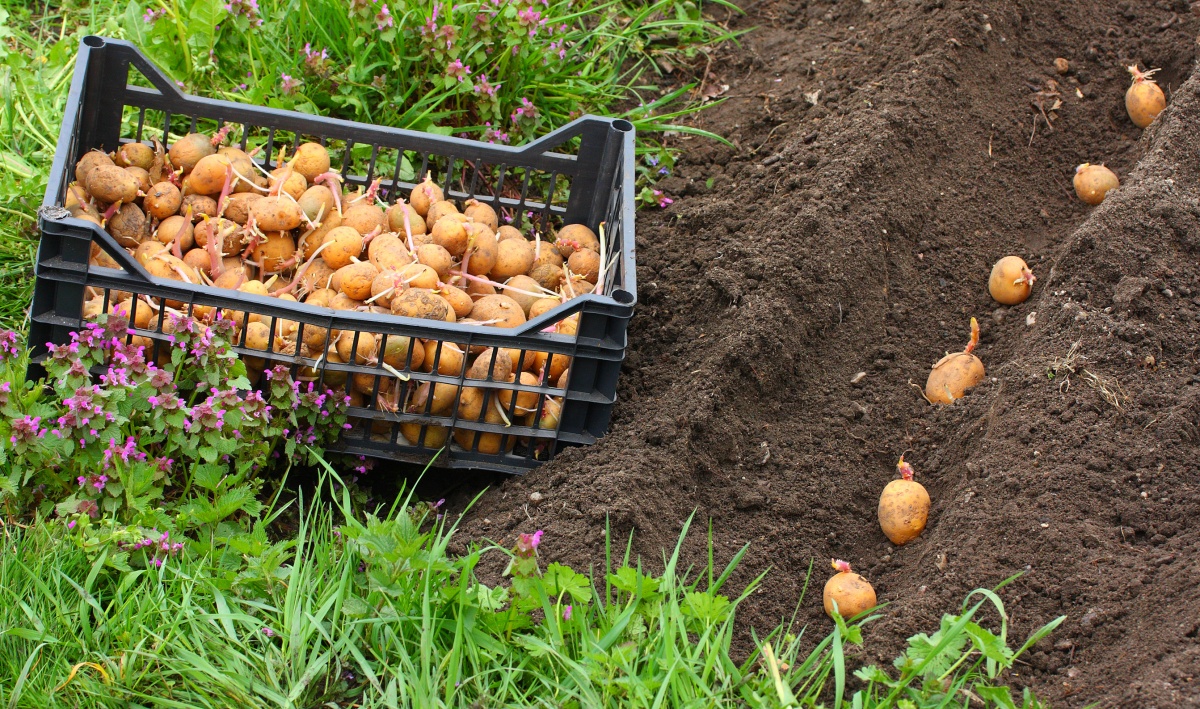
You can use a walk-behind tractor to hill up potatoes for the first time. Alternatively, you can use a regular hoe or mattock.
Video: "First Hilling"
From the video you will learn when you should hill up the crop for the first time.
How often should I hill up?
Another important consideration when hilling potatoes is the number of times to do so. Many gardeners believe that two or three hillings are necessary during the growing season. Subsequent coverings of the plantings with soil should also be done at specific times;
- The second earthing of plants is recommended during the root formation period. Tubers begin to form approximately two to three weeks after the first earthing. Avoid this type of work during flowering.
- The third hilling, as experts recommend, should be done when the shoots reach a height of 25 cm. There's no need to completely cover the plants with soil. A little soil should be added between the branches of the potato plants. This will encourage the plants to grow wider.
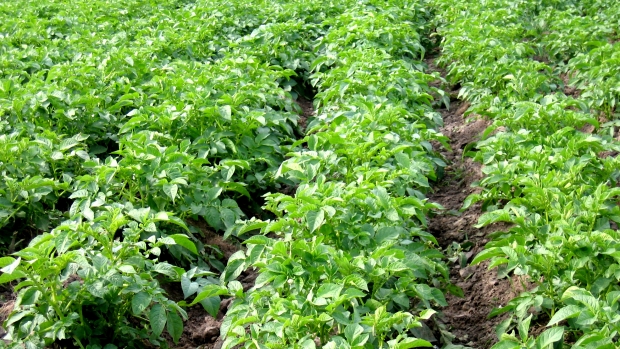
Once the plants begin to bloom, all bushes should be covered with soil. Experts are divided on whether hilling is possible during flowering. However, some gardeners believe that covering the plants at this stage of development is also possible. However, this should be done with extreme caution. Tuber formation begins during this period. Therefore, careless work with a hoe or tiller can cause irreparable damage to the future harvest.
According to the classic scheme, hilling is carried out twice:
- the first - approximately two weeks after planting the planting material in the ground;
- the second - two to three weeks after the first covering, but before the bushes begin to bloom.
It is worth noting that this procedure is done a third time in the case when the potatoes were planted early and two covers will not be enough.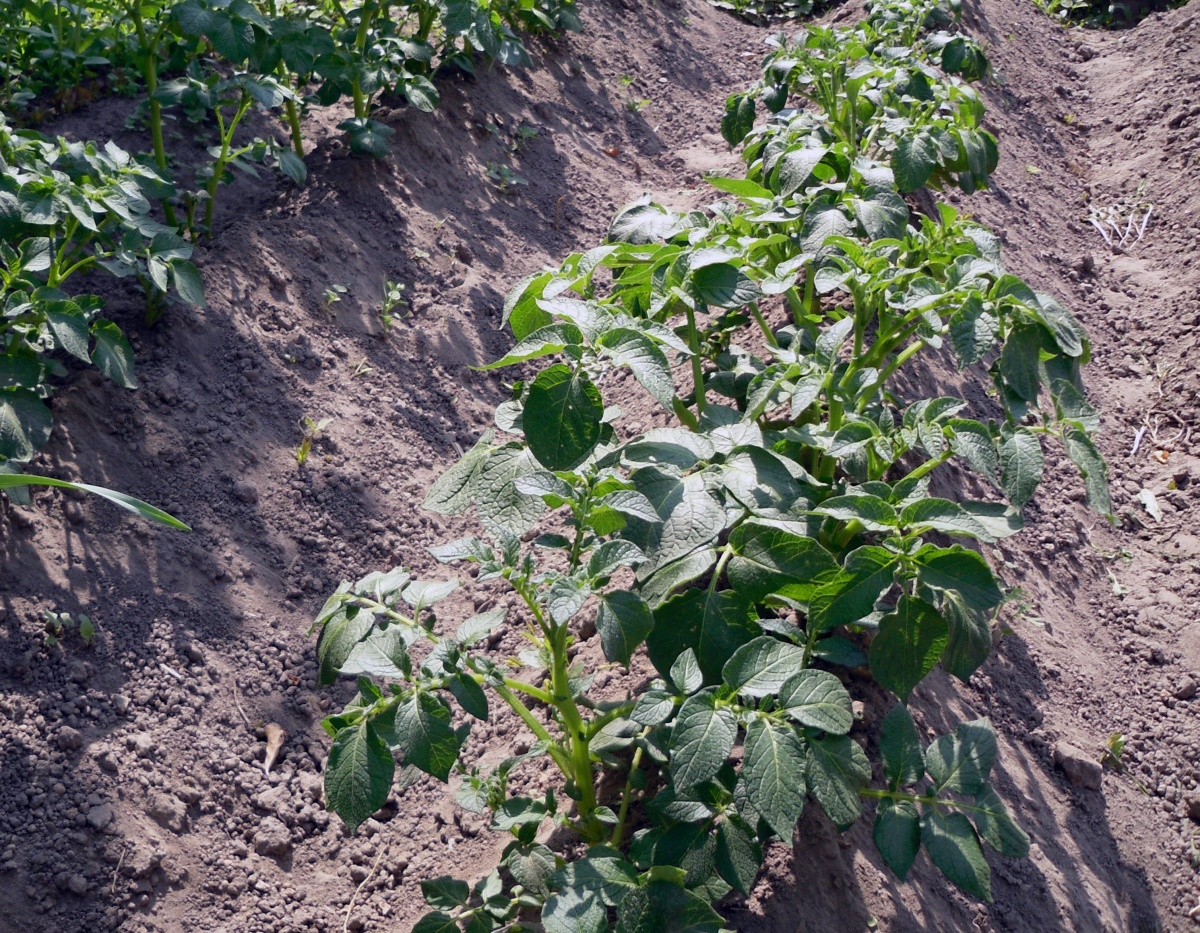
Many experienced gardeners also rely on intuition rather than actual facts in this matter. Their many years of experience allow them to judge whether the bushes are doing well and what they need for successful development. For example, this procedure is performed a third time if the bushes are falling apart and have not formed a nest along the ridge.
The need for hilling is indicated by the plantings growing both horizontally and laterally, causing the tubers to emerge from the soil. If this occurs, sometimes even three hillings are not enough. An additional, fourth hilling is necessary. However, this significantly increases the chances of a higher-quality, larger, and more abundant harvest.
Many might say that creating so many covers is difficult. But it depends on the person. Remember that hilling replaces the need for weeding and loosening the soil. Moreover, these manipulations clearly benefit the plants, as is evident in their accelerated growth.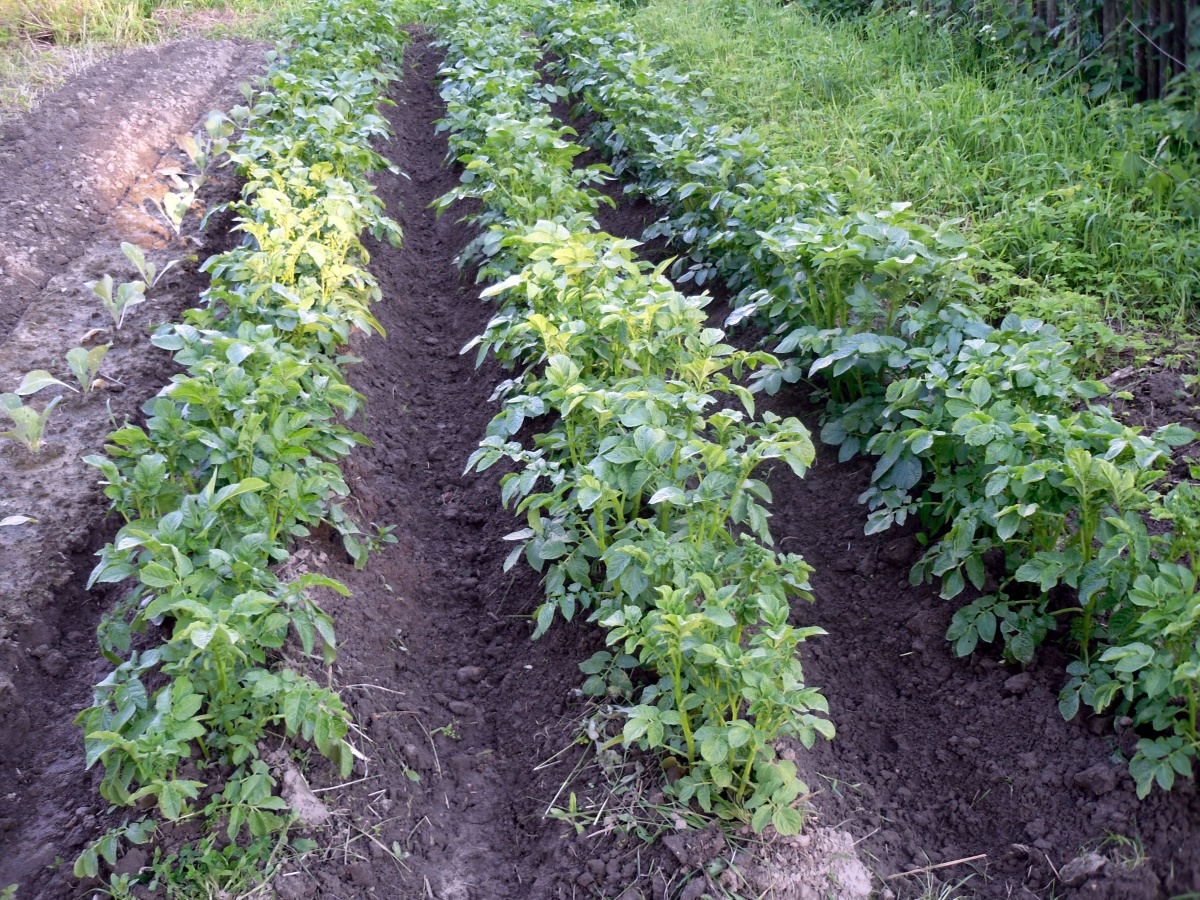
The average interval between hillings should be approximately three weeks. However, some deviations are allowed, as plants are living organisms and don't understand the need to grow and develop within human-imposed timeframes. This experience only comes with years. Therefore, novice gardeners should rely more on common wisdom, while also listening to the advice of local experts.
As we can see, when determining the number of potato shelters, it is essential to rely on the condition of the bushes.
What time is suitable?
We've already covered when and how much hilling is needed. Now we need to figure out the best time of day to do this. This question is especially relevant for beginning potato growers. It's common to see people with hoes in their gardens at midday. But is this the right time? After all, the sun is at its strongest at this time of day and can cause significant damage to plants if the work is carried out incorrectly.
It's known that covering potato plants at midday, when it's hot outside, can trigger wilting. This is because the plants are damaged when the soil is added.
To prevent this, experts recommend carrying out this type of work in the afternoon or first half of the day.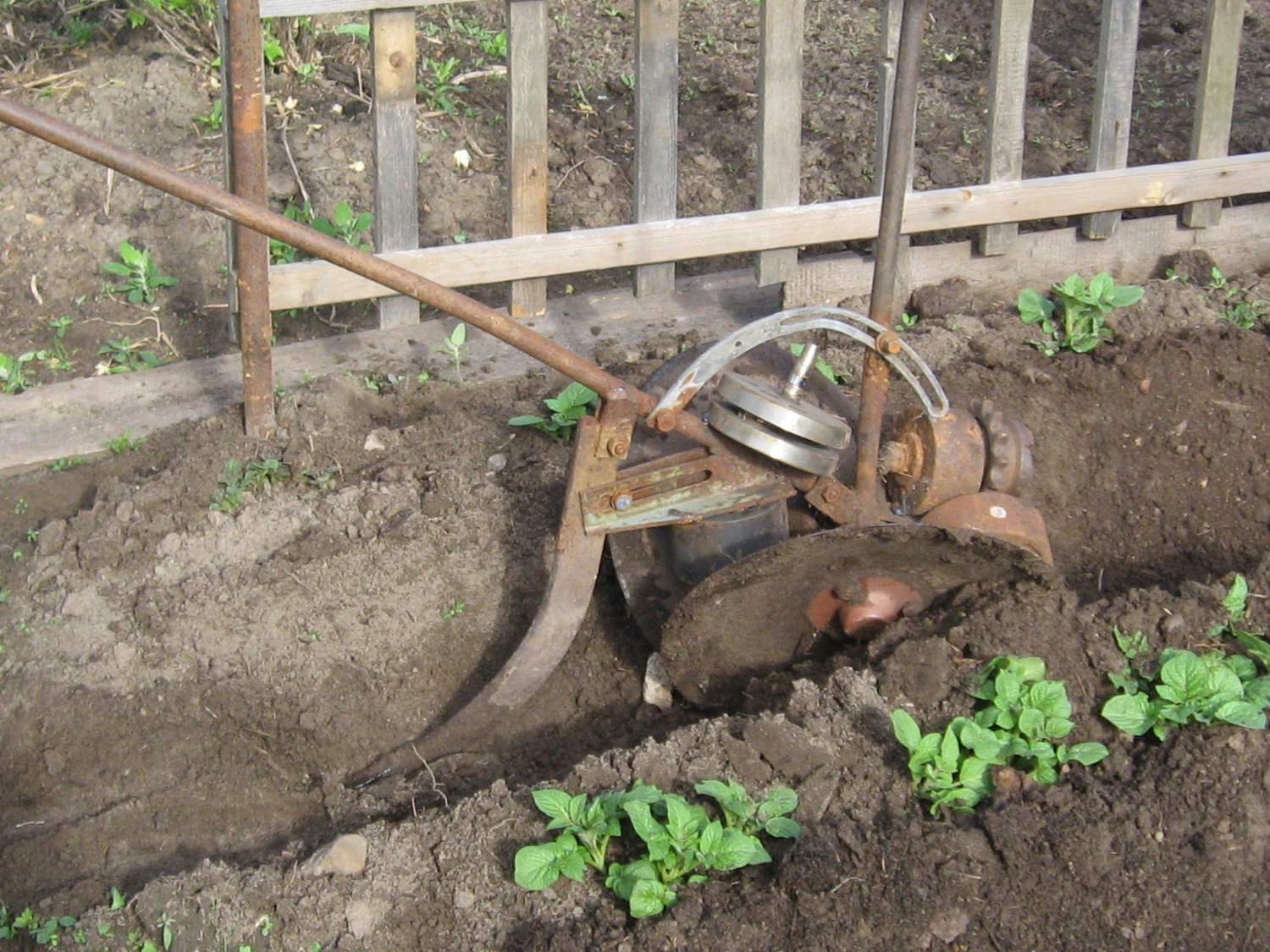
This procedure is especially useful after rain. This is due to the following factors:
- the soil will be moist and will not crumble, which will save your strength and energy;
- Moist soil added to the base of the shoot will stimulate the plant to form additional underground stems. These will produce tubers, increasing the overall yield per plant.
It's also worth noting that this procedure can be performed at any time of day in cloudy weather. However, if the weather is hot and there hasn't been any rain in a while, it's recommended to water the beds before beginning the work. This approach will simplify the task and increase the benefits of the procedure.
Is this always necessary?
Of course, a hilled potato plant is more likely to produce a high-quality and abundant harvest than one left unattended. However, many gardeners just beginning to grow potatoes often can't give a definitive answer to the question of whether hilling is always necessary. However, it's often said that hilling is the key to good potato productivity.
What are the benefits of covering plants with soil? The following are among the positive aspects of hilling:
- acceleration of shoot growth;
- improving soil aeration;
- stimulation of the formation of underground stolons, on which tubers are formed in greater quantities;
- protecting plants from drying out, since water is retained better in such beds;
- simultaneous loosening of the soil is carried out;
- effective weed control;
- creating additional volume for plants;
- Protecting tubers from sunlight. When exposed to light, root vegetables begin to produce solanine (a poison), which is dangerous to humans. Accumulating in the tubers, solanine gives them a greenish tint. Such a crop is unfit for human or animal consumption;
- Improving the lighting of the bushes. The shoots, gathered in a clump, do not shade each other.
But to achieve all the benefits listed above, it's important to properly cover the bushes with soil. Otherwise, you could experience the opposite effect, leading to a poor harvest.
The biggest concern here is the risk of damage to the root system and the tubers themselves. If the plant is damaged, it may begin to wilt after a while, and you could lose the entire harvest from that bush.
However, humans are renowned for their desire to work less and still achieve good results. Therefore, special planting methods for this crop have been developed that eliminate such labor-intensive work as covering potato plants. For example, this procedure is completely unnecessary when growing potatoes under black non-woven fabric.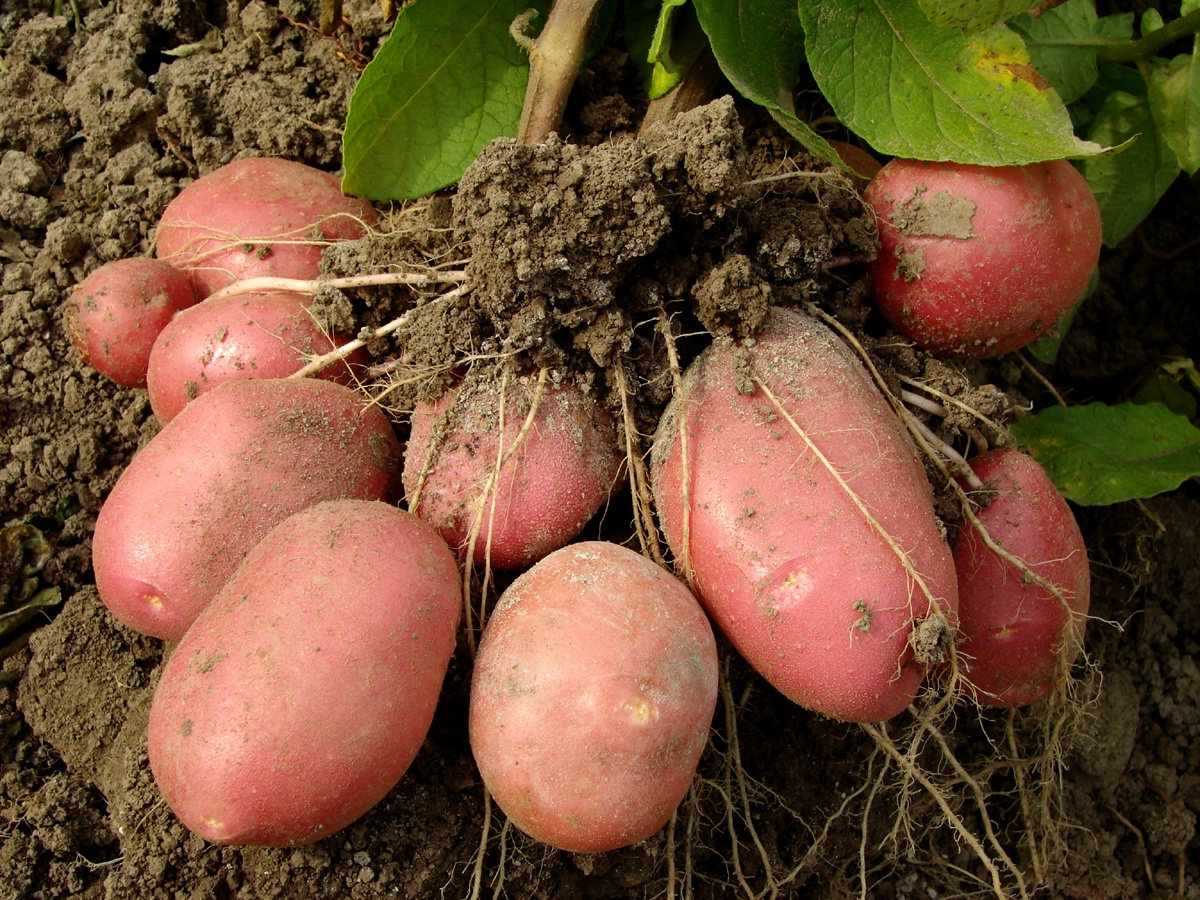
The benefits of unhilling have also been proven experimentally. This method involves spreading the tops of the plants on the ground instead of gathering them into compact clumps. Soil, grass, or straw should be added on top. Only the tip of the stem should remain above the surface. As the shoots grow, the procedure should be repeated. This method offers no fewer benefits than the traditional method.
Thus, although hilling is an important agricultural technique, there are modern methods for planting this crop. These methods do not require covering the bushes. However, if you use a traditional potato growing method, you are unlikely to get a high-quality harvest without this additional work. Therefore, each person decides for themselves whether and how often to hill their potatoes.
Video: "How to properly hill"
This video will show you how to properly hill potatoes to increase yield.