
Should you pluck potato flowers? Experts' opinion.
Content
Scientific experiment
To determine whether potato flowers are essential for harvesting, scientists conducted a study. The experiment involved planting the same potato variety in three rows. The plants were given identical care. When the potatoes began to flower, the experimenters performed the following:
- the first row of plants remained unchanged (control group);
- in the second row, scientists plucked all the buds;
- The tops of the third row were cut off.
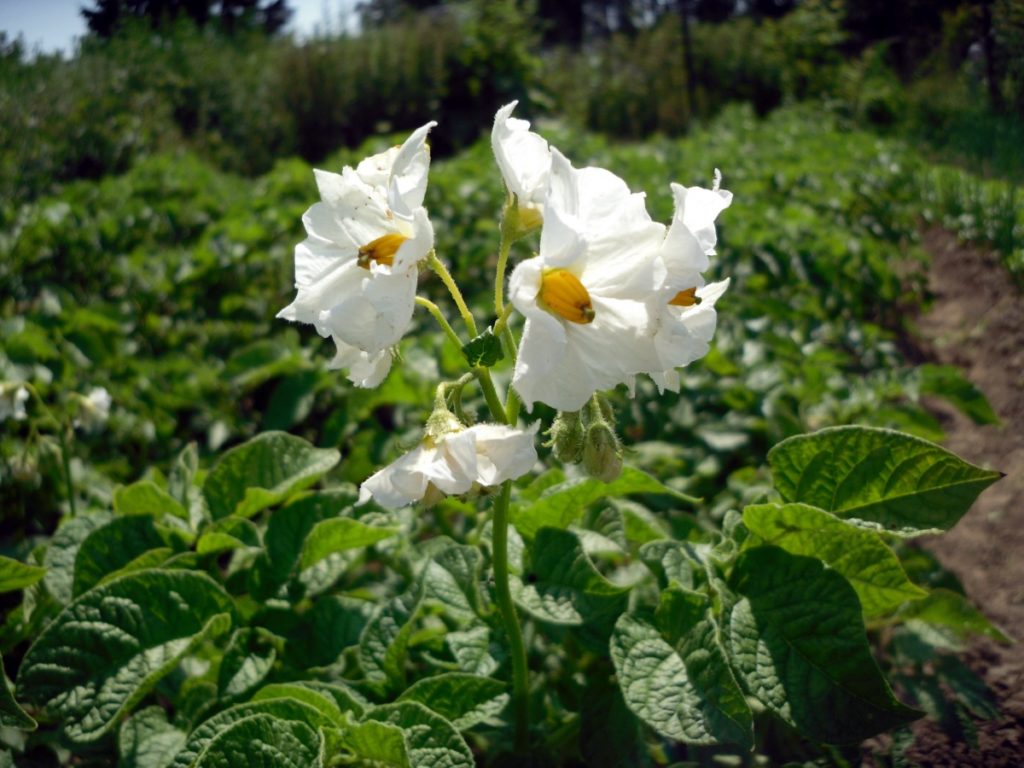
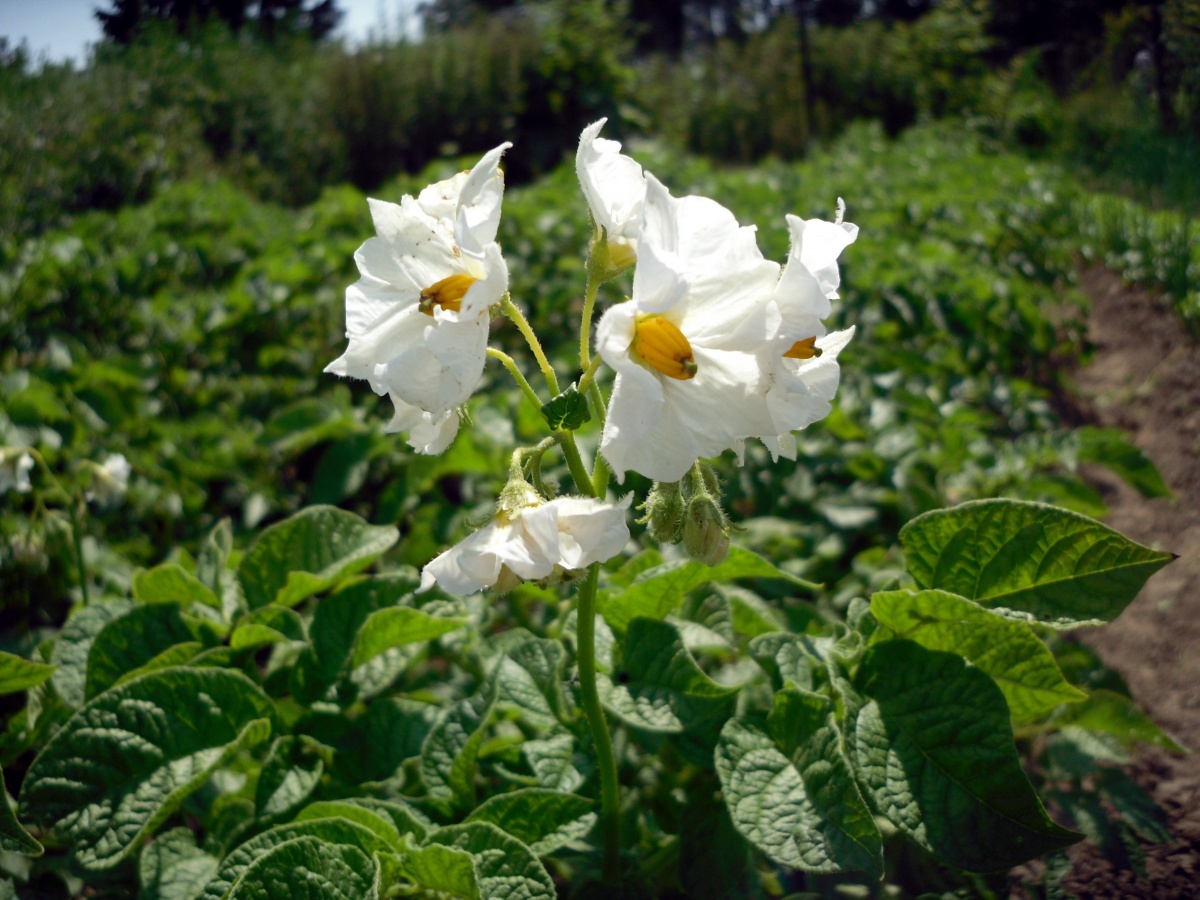
After the experiment was completed, when the growing season had ended and it was time to harvest, the scientists obtained the following results:
- The first row, where the potato flowers remained, yielded a small but substantial harvest. The tubers were all approximately the same size;
- The second row yielded a large harvest. But it consisted almost entirely of small root vegetables, which were also of uneven sizes;
- In the third row, where the tops were cut off, approximately 30 potatoes were found in each hole. However, they were all very small.
This experiment, one might say, answered the question of whether it's necessary to remove potato flowers. It's clear that injury to the plant negatively impacts tuber development. However, if tuber formation is desired, only the buds and flowers should be pruned during flowering. However, cutting off the flower stalks is not beneficial. A plant pruned this way will yield a plentiful, but very small, harvest.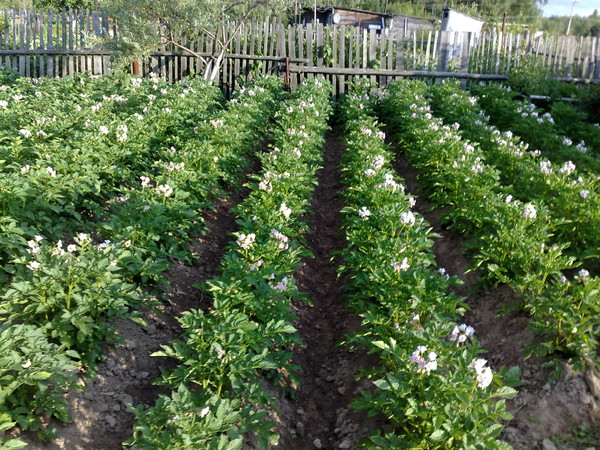
Therefore, it can be concluded that pruning flowers prevents new stems from forming. This leads to a situation where nutrients are diverted to the tubers. As a result, the harvest is uniform in size and quite large.
It's important to know that a decoction can be made from the flowers of this plant. The medicinal properties of potato flowers are often used in the preparation of certain traditional medicine infusions.
This tincture can be used for a variety of purposes. However, it's important to remember that each tincture is suited to a specific situation. Potato flower infusion has its own specific recipe, determined by a specific need. For example, it can be used to kill harmful insects. That's why plucked potato buds shouldn't be thrown away. Potato flowers make tinctures that are useful for pest prevention.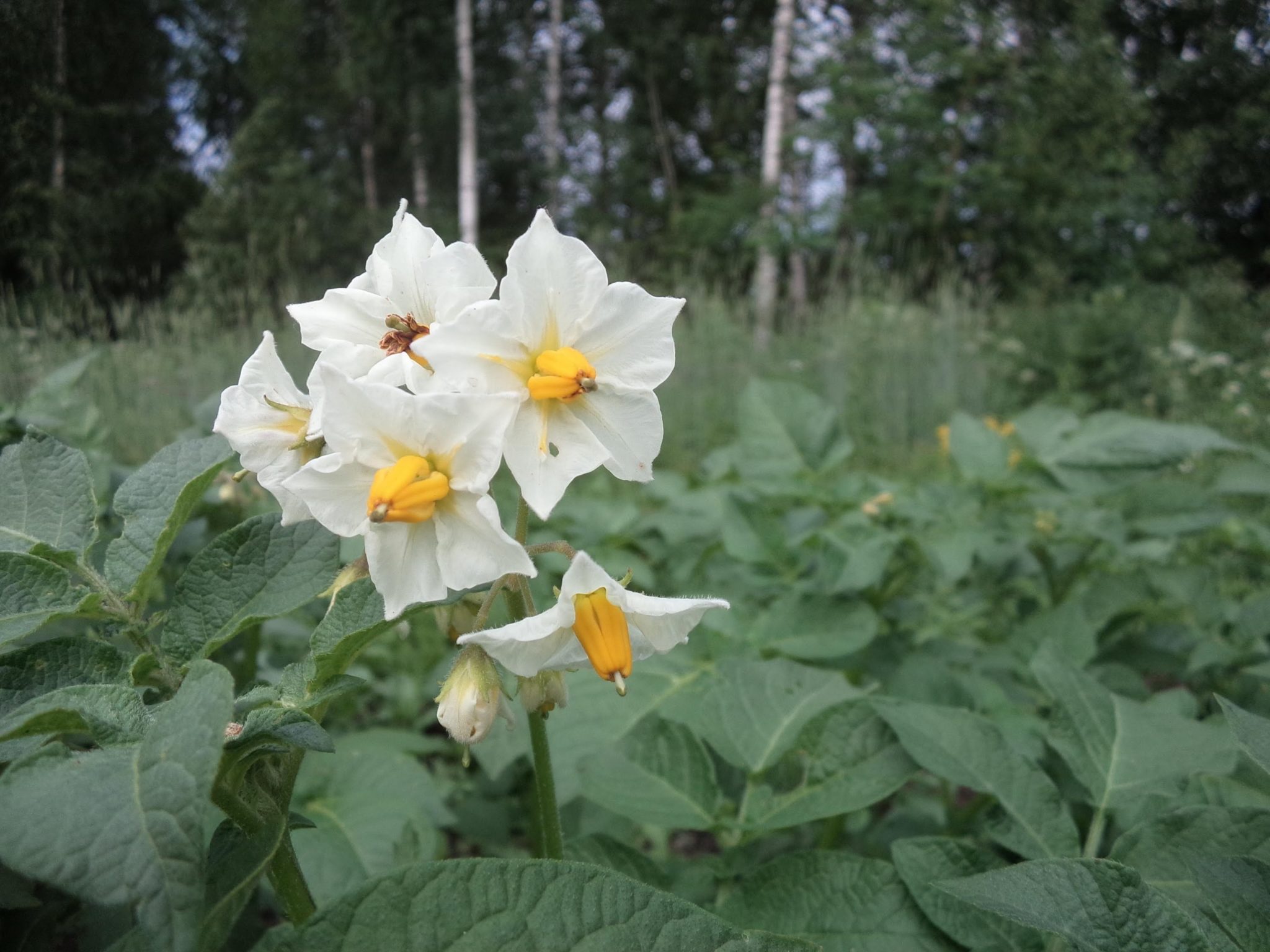
It's worth noting that there are varieties that don't produce any flowers at all, or produce so few that the number that does form won't have a noticeable impact on yield. In these cases, interfering with the potato plant's life cycle is clearly not advisable.
In addition, it's essential to consider the soil and climate characteristics of the growing region, as well as weather conditions. These factors can provide a definitive answer as to whether or not to remove flower buds from plants. In windy and arid regions, pollen is often sterile. Therefore, in this case, it won't interfere with the development of the underground parts of the plant. Strong winds often cause the flowers to fall off. If the growing region is characterized by prolonged rainfall, these conditions have a positive effect on plant nutrition. Here, the entire plant will have sufficient nutrients, and there will be no need to worry about its development.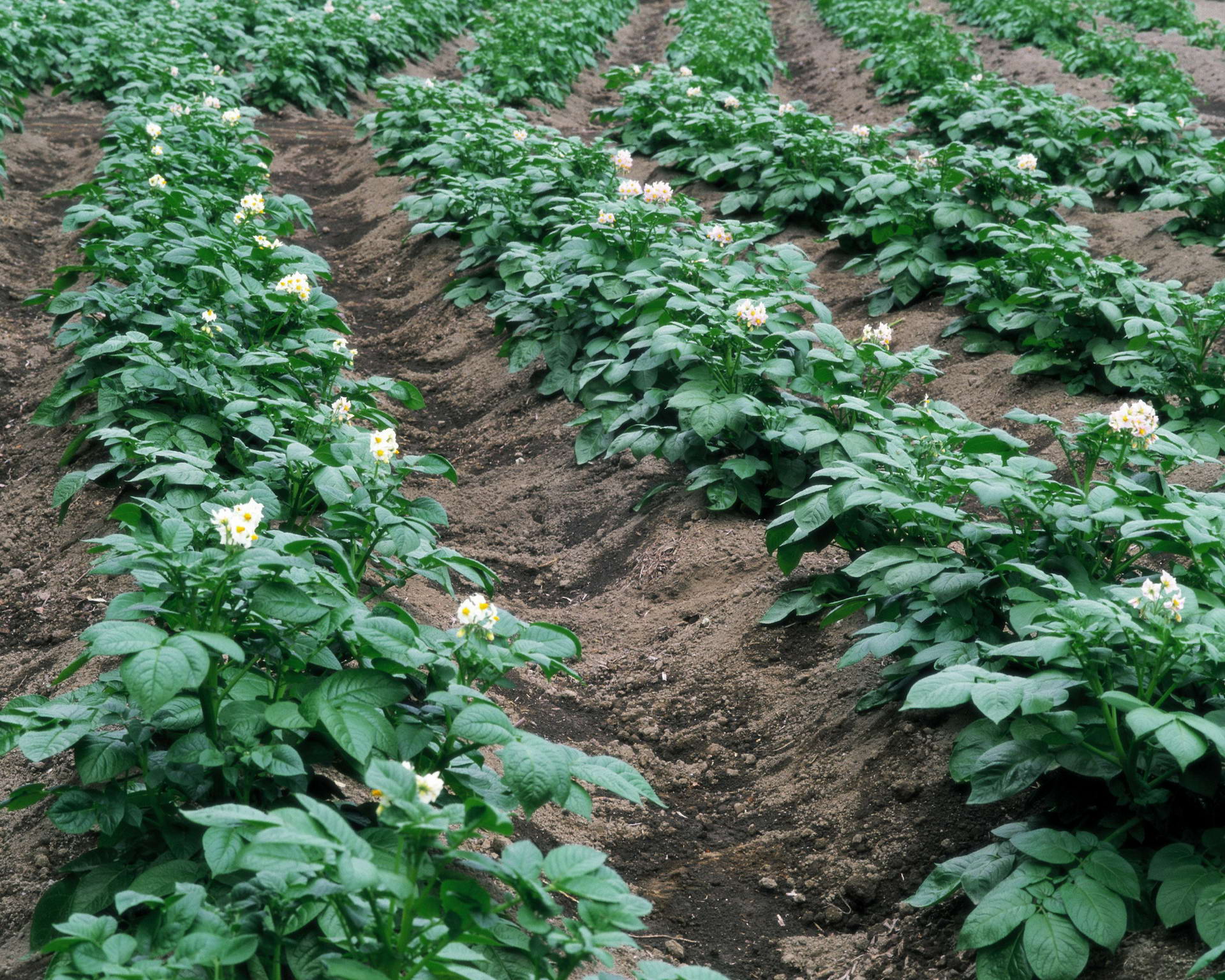
Thus, it can be concluded that the answer to the question "should potato plants be deflowered?" is more likely to be negative than positive. This is because the flowering process itself has little effect on tuber formation. In the experiment, the control row, which was not treated in any way other than standard care (plants must be hilled, watered, fertilized, and weeded), yielded a somewhat smaller, but still fairly large, harvest. It was characterized by uniformity in size. In all other two conditions, the tubers were small, which did not compensate for their abundance. This result can be explained by the following factors:
- Damage to plants (cutting off flowers or shoot tips) negatively affects the fertility of bushes:
- the plant's energy is spent on correcting shoots;
- During pruning, a person moves between rows, which compacts the soil. This results in the soil becoming heavy and compacted, which disrupts aeration and, consequently, reduces tuber formation.
- During pruning, plants can become infected with fungal, bacterial, or viral pathogens. As diseases develop, yields naturally decline. The quality of the potatoes will also be reduced.
-
If you do decide to deadhead your flowers, remember to pick them from a couple of bushes first. Each plant variety reacts differently to this procedure.
We've addressed the question of whether to pluck potato blossoms. Besides the question of whether or not to pluck potato blossoms, many gardeners are concerned about loosening their plants. Harrowing (loosening) the soil removes excess moisture. Hilling potatoes improves soil warming. Therefore, this procedure should be performed in areas with frequent rainfall. In warm, arid climates, hilling will be detrimental, as it will cause moisture to escape from the beds.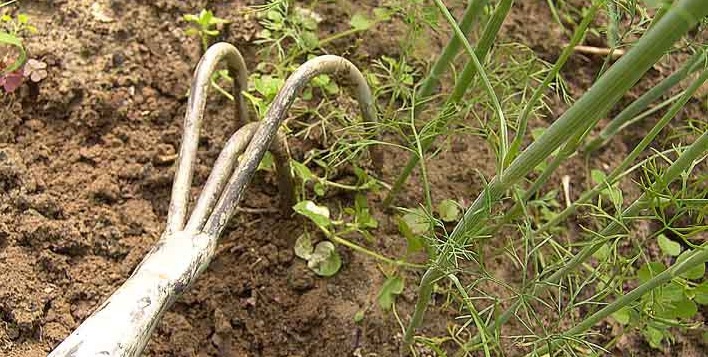
In addition, it's necessary to weed the planting to prevent an overgrowth of weeds. Their overgrowth in the beds has far more negative consequences for the harvest than buds on the bushes. Therefore, every gardener should know what to do to get an excellent potato harvest.
Therefore, when potato plants begin to bloom, it's best not to interfere with their life cycle. Removing the flowers is not recommended, as their restoration will drain the plant of nutrients that should have been used to form larger tubers. It's also worth noting that removing the buds delays the ripening of the crop. This also makes the plants more susceptible to pathogenic microflora, which can lead to the development of a wide variety of diseases.
Video: "Why You Should Pluck Flowers"
From the video you will learn why it is necessary to perform this operation.
Gardeners' Tips
Before removing flowers from potato bushes, consider the following tips from experienced gardeners:
- Particular attention should be paid to the climatic conditions in the region. Under certain conditions, plants form sterile buds;
- During the blooming season, remember to follow quarantine measures. Cut buds only with sterile gardening tools. Wear clean clothing and move carefully between rows, avoiding excessive soil compaction.
- Flowers should be harvested before the buds have finished blooming. If this time has passed, there's nothing left to do but leave the inflorescences and allow them to form seeds.
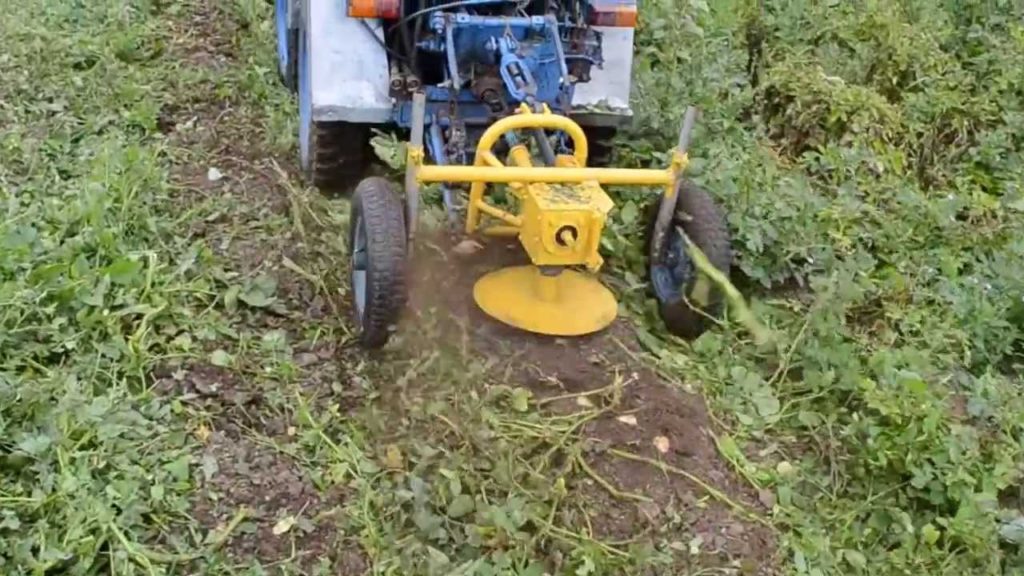
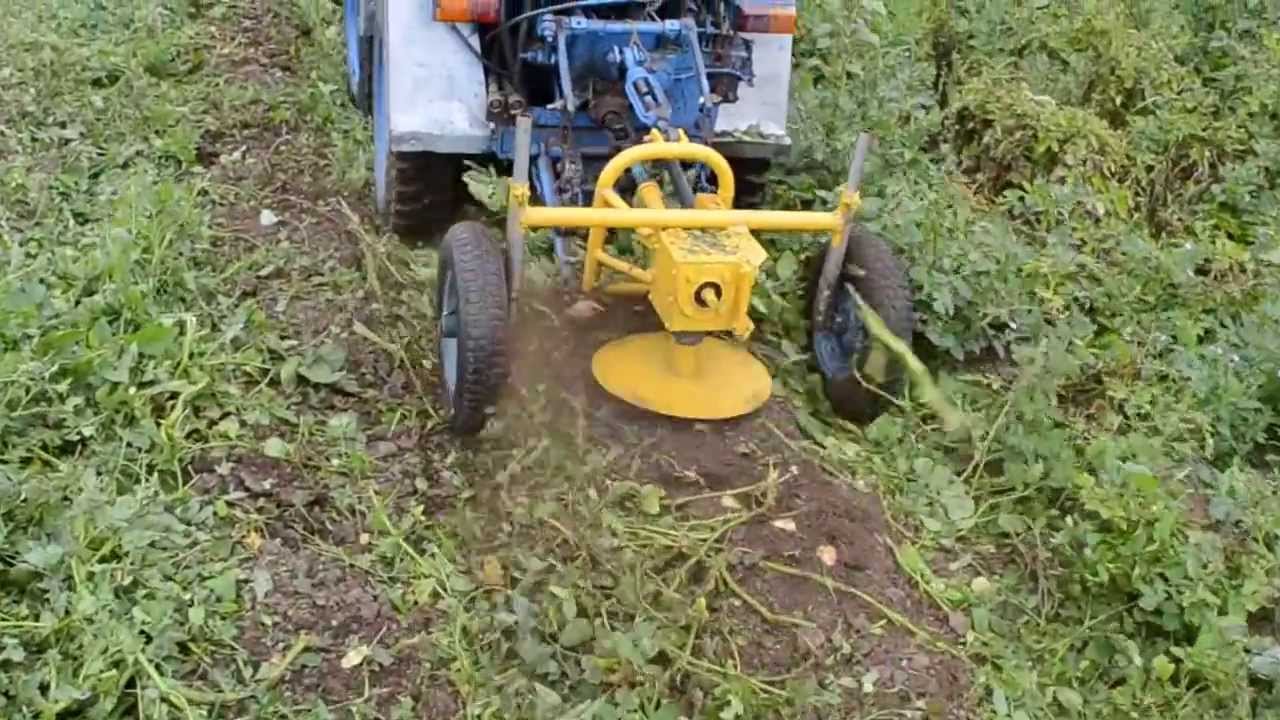
Once this procedure has been completed, please keep the following points in mind:
- cut bushes begin to form lateral shoots more actively;
- The plants' lifespan increases. Therefore, they can stand until mid-September, while harvesting begins around mid-August. The bushes are typically dense and green;
- the growing season increases by approximately two weeks;
- Not all potato varieties respond to flower removal or topping with increased tuber production. However, the tops of the potato plants increase significantly, and the green foliage also begins to develop actively.
The qualitative and quantitative characteristics of tubers can depend on the timing of planting. If planted in July, bushes that have bloomed may produce a significantly poorer yield than those from which the blooms were removed. However, this is not true for all varieties or growing regions. Therefore, it is necessary to consider not only the climatic conditions of the growing region but also the timing of planting. Late planting results in accelerated ripening, indicating that the crop is responding to daylight hours. Late planting and flower removal do not always result in a poor yield. This may be because the bushes do not expend energy regenerating lost buds, as there is no time for this as daylight hours begin to decrease.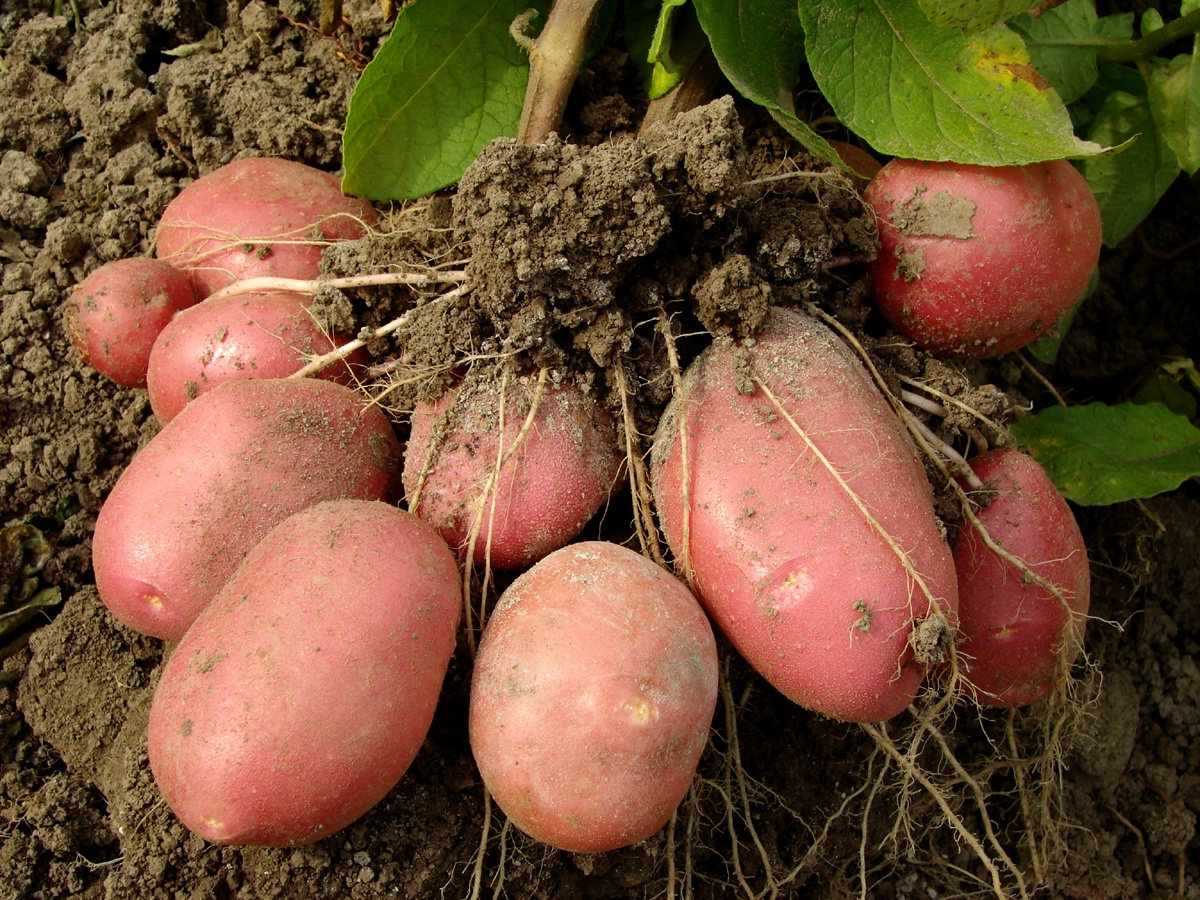
It's also important to remember that potato plants require proper care and adherence to all agricultural practices. The beds need to be periodically weeded, loosened, and weeds removed from between the rows. Preventative treatments against pathogens and harmful insects are also essential. Prevention is especially important after the flowers have been picked.
What is the relationship between yield and flowers?
Finally, to fully understand all the intricacies of potato plant growth and tuber formation, it's necessary to understand the relationship between tuber formation, flowering, and seed production. During the growing season and flowering stage, nutrients produced in potato leaves and stems are distributed among all plant organs. Scientists note that a significant portion of these nutrients is spent on the inflorescences, where seeds will eventually form. Approximately 25% of the nutrients are used by the buds, and the same amount (maybe slightly less) is used by the stems and leaves. All the remaining nutrients (approximately 50%) are directed toward tuber formation.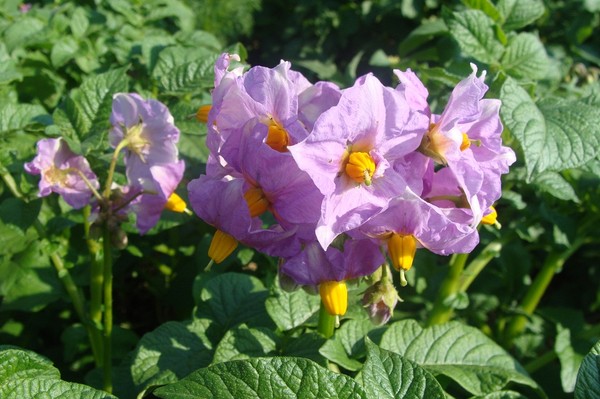
As a result, it is clear that flowering actually takes away approximately 25% of the nutrition from the tubers, while its purpose for the gardener remains unclaimed.
It has been noted that when buds are present, tubers have less starch. They also become small and may acquire an unusual shape (often even become deformed). This can reduce yield by half.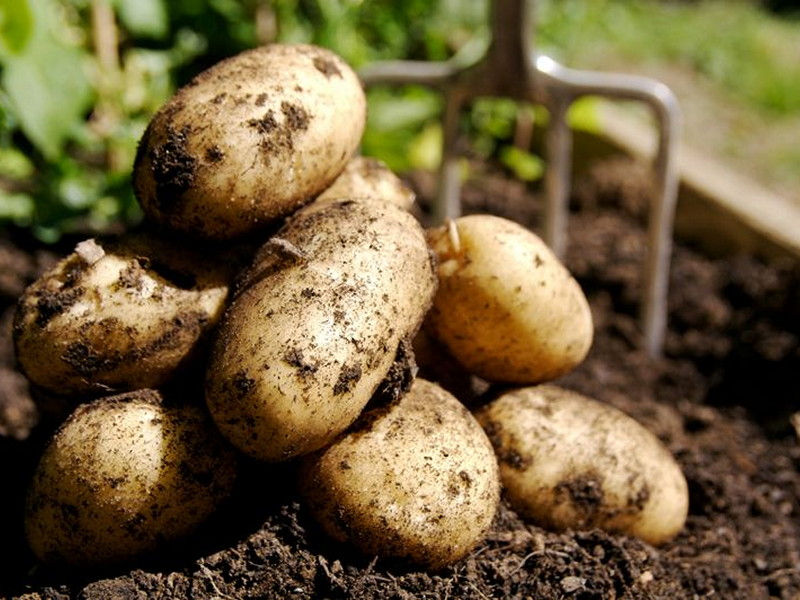
Thus, we can conclude that there is indeed a connection between flowering and tuber formation. However, we shouldn't take this all too seriously, as previously established in a scientific experiment, there is no definitive answer. At the same time, it's important to remember that potato yield is influenced by many factors (such as climate conditions). The only thing that can be said for certain is that leaving the buds on the bushes is not the worst option.
Video "Increasing Yields"
This video will show you how flowering affects crop yield.