
When and how to trim potato tops
Content
Timing and technology of pruning tops
Typically, the tops are trimmed after the plant has flowered. Contrary to popular belief, this procedure is necessary, even if the risk of late blight is minimal. The tops are removed to ensure that all the nutrients from them are transferred to the tubers. This will result in a higher yield, and the fruits will be significantly more nutritious.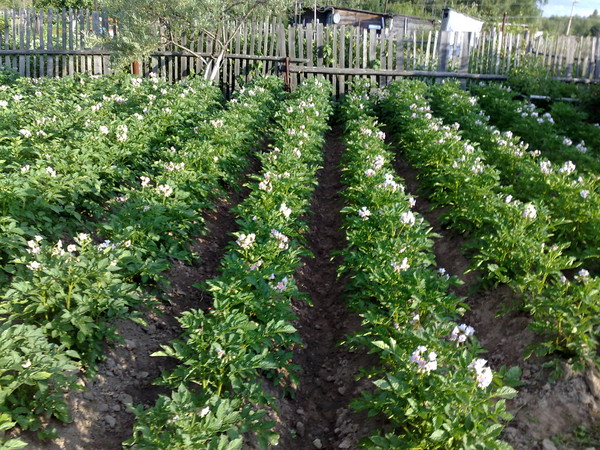
The tops should be removed a week before harvest, as this will strengthen the tubers' skins and reduce the risk of late blight. Although this is typically done only for commercial purposes, gardeners rarely remove potato tops after flowering, which is a mistake.
Why perform this procedure? Potatoes whose tops are cut off after flowering and before harvesting store better. Furthermore, these tubers transport well. Most gardeners only "declare" war on the green part of their potatoes when they are infected with late blight and there is a high risk of tuber disease.
When harvesting potatoes automatically, the tops must always be trimmed. Green parts of the plant interfere with the potato digger's work. Manual potato harvesting most often involves pulling the tops out, so gardeners often leave them unharvested. However, removing the above-ground green parts of the plant a week before harvesting promotes thickening of the tuber skin. If the potato is infected with late blight, the green parts should be removed earlier.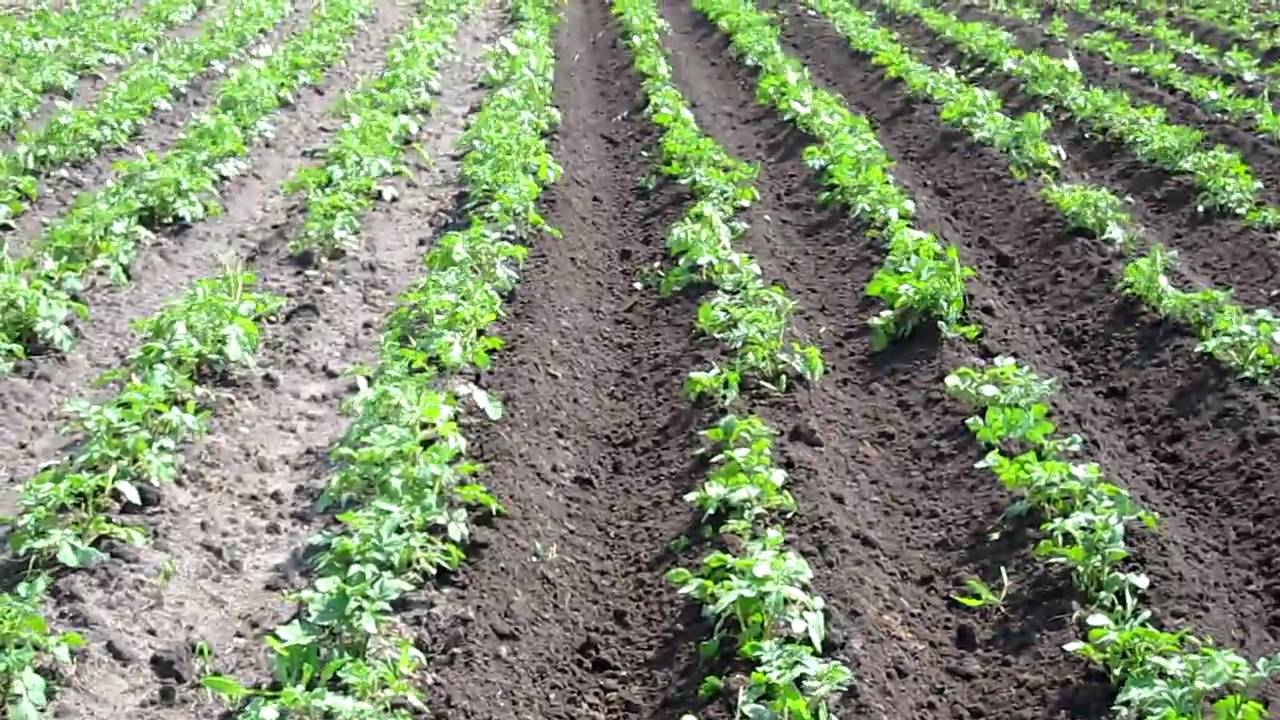
Sometimes, even with good care, the tubers become smaller. It has been proven that by crushing the greenery by breaking it 10 days after flowering, the yield of these vegetables can be significantly higher.
Video: Removing Potato Tops
The video shows how to remove tops correctly.
Potato harvesting technology
Potato harvesting technology has its own specifics, determined by the area of land where the crop is grown. In production, the process is typically carried out using combine harvesters, while in gardens, the crop can be harvested with a shovel or pitchfork. A pitchfork is used when harvesting crops growing in sandy soil, while a shovel is used on black soil.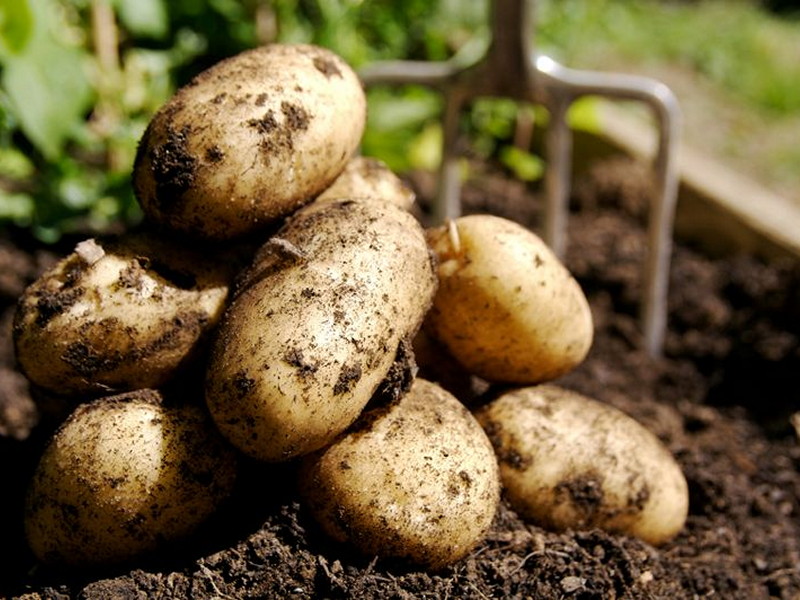
A key feature of this procedure is that the tubers should only be dug up when there's no precipitation. If you follow this rule, the potatoes will not rot during storage and will retain their original appearance and shape. In any case, the harvested potatoes should not be stored in one place. First, place the tubers in a ventilated area out of direct sunlight to dry. If you stack the potatoes in several layers, the topmost ones will turn green and become unusable.
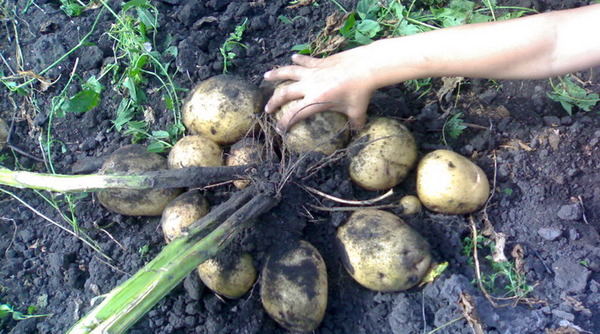
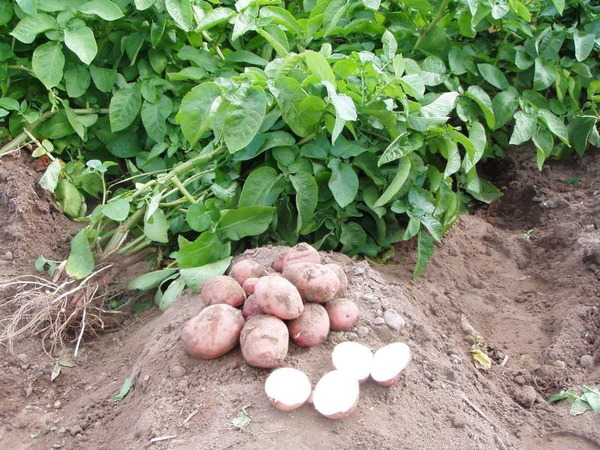
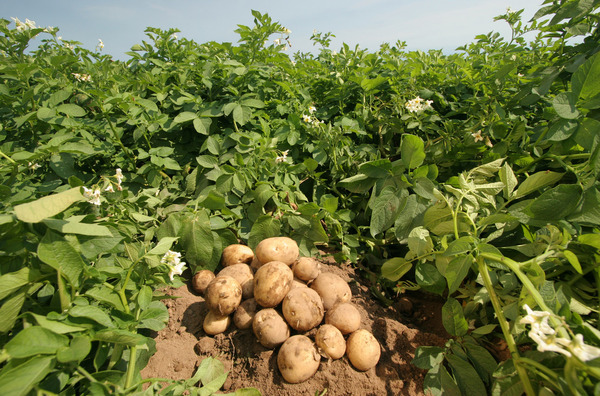
Wind is a key factor in harvesting tubers, allowing them to dry faster and loosen clods of soil. Harvesting involves digging up the bushes and then carefully pulling them out. After harvesting, healthy, whole potatoes can be placed in one container, while diseased or damaged ones can be placed in another. This allows for more efficient use of the fruit. Damaged potatoes can be used in certain dishes, particularly mashed potatoes. Diseased potatoes make excellent livestock feed. It's important to remember that damaged potatoes should be used as soon as possible, as they don't store well.
Vegetables should be dried on a rack. They can only be laid out in a single layer. The fruits are transferred to boxes or bags a few days after they have dried. The container should be prepared by disinfecting it first.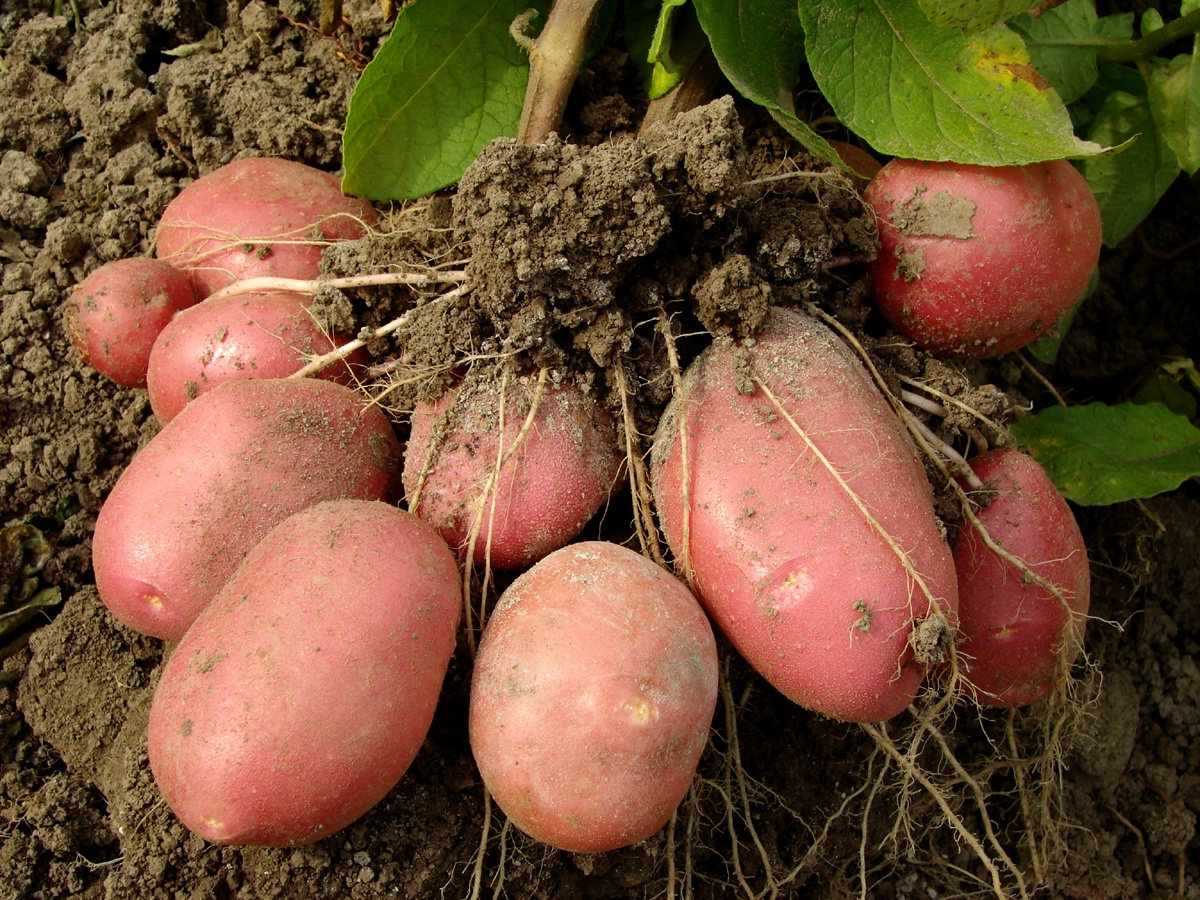
For winter storage, vegetables should be dried for at least 10 days at 20°, after which the harvest should be sorted and divided into groups by fruit size.
Storage
The ideal place to store potatoes is a dry, cool place with minimal sunlight. A cellar is considered the most suitable option.
An acceptable temperature is considered to be 2°-3°C, but the air must be well-humidified. At lower temperatures, the tubers become sweet and lose their nutritional properties. Before long-term storage, the vegetable should be dried outdoors for several hours.
The best storage containers are well-ventilated ones. They should be placed on a stand 20 cm high.
Potatoes are often placed on straw and covered with it. Damaged tubers should be stored separately and used as quickly as possible.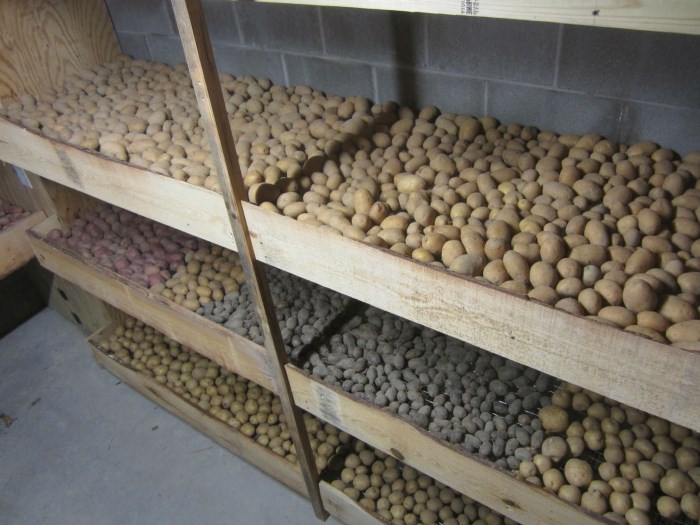
To encourage the potato to sprout vigorously, place apples in the box next to it. If the top layer of fruit freezes, these potatoes may become diseased. Therefore, it's best to cover the top layer with burlap or cloth beforehand.
So, removing the green parts of potatoes is a necessary and beneficial procedure. It positively impacts the yield, tuber quality, and nutrient content. Unfortunately, today, green tops are removed only in commercial potato cultivation. Therefore, gardeners should pay special attention to this procedure.
Video: Storing Potatoes
The video shows the most common mistakes made when storing potatoes.