
When and how to properly water potatoes in open ground?
Content
Do I need to water it?
All vegetable and fruit crops grown in a garden or orchard require watering. Without proper irrigation, it's difficult to achieve a juicy and tasty harvest. However, when it comes to potatoes, many gardeners, especially beginners, don't always understand whether watering is necessary. Giving a definitive answer in this case is quite difficult, as opinions vary widely. It's often claimed that without watering, potato yields are just as good as with daily irrigation. Considering that water is the most important factor in the growth of any plant, watering vegetable crops, including potatoes, is essential.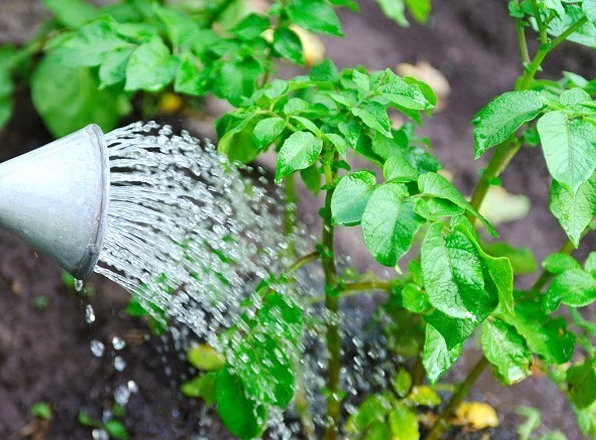
This plant is sensitive to soil moisture shortages. Potatoes have a relatively small root system, extending approximately 30 cm deep. However, this root system is under significant strain, as the plant must produce a large volume of foliage and develop substantial tubers during the growing season. However, soil quality is another factor to consider.
Dense and heavy soils are characterized by high moisture content. They accumulate the greatest amount of water during periods of heavy rainfall. If there are persistent puddles on paths and between rows, watering is naturally not necessary. Loamy soils also retain moisture well.
If the plants were planted in sandy soil and the summer was light on rainfall, watering is essential. Irrigation should be continued throughout the entire growing season.
It's also important to understand that other factors, not just soil characteristics, influence the need for watering this crop. The following factors are among the parameters that influence the amount and volume of irrigation needed for potatoes:
- climatic: the amount of precipitation falling during the growing season, soil and air temperature, and humidity;
- biological (for example, crop variety);
- Soil: the structure and composition of the soil, its characteristics, and its ability to accumulate moisture.
With a favorable combination of all the factors described above, it's possible to grow potatoes without watering them. It's worth noting that this statement applies to zoned varieties. These varieties, with the right combination of factors, can produce excellent yields. However, it's important to remember that hilling and loosening are essential. It's also important to remember that loosening is often referred to as "dry watering," and it's absolutely essential.
If the potato-growing region has a humid climate, many experts recommend replacing watering with loosening. This process is much more beneficial, as it will retain moisture in the soil. At the same time, root aeration will improve. As a result, the plant will have all the necessary conditions for producing a high-quality and tasty harvest.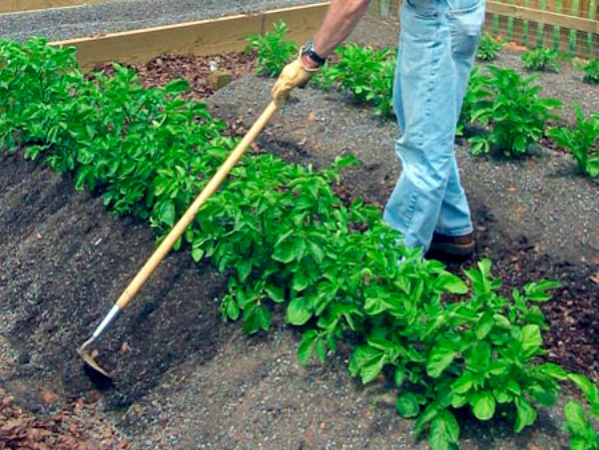
It's worth noting that climate conditions are fickle and can change frequently. Therefore, to reap a harvest from your garden, you need to monitor these changes and adjust your care accordingly. For example, if early summer was rainy and then the rain subsided, you'll need to provide additional watering. The key is to avoid allowing the tops to grow too tall and vigorous, as this increases the risk of underdeveloped tubers.
During hot weather, strong winds can be detrimental to crops. They accelerate soil moisture evaporation. Under these conditions, watering should be done every 4-5 days. In moderate temperatures, watering should be done once every 8-10 days.
Another important aspect of growing potatoes is ensuring they are watered evenly. This vegetable, just like cabbage and tomatoes, is quite sensitive to sudden changes in humidity. This means that if heavy rains follow a drought, the tubers are highly likely to be misshapen and deformed. Therefore, if the plant's leaves are drooping, wilting, and curling, watering is definitely necessary. In this situation, the soil typically dries out to a depth of approximately 5-6 cm, which is certainly not beneficial for the future harvest.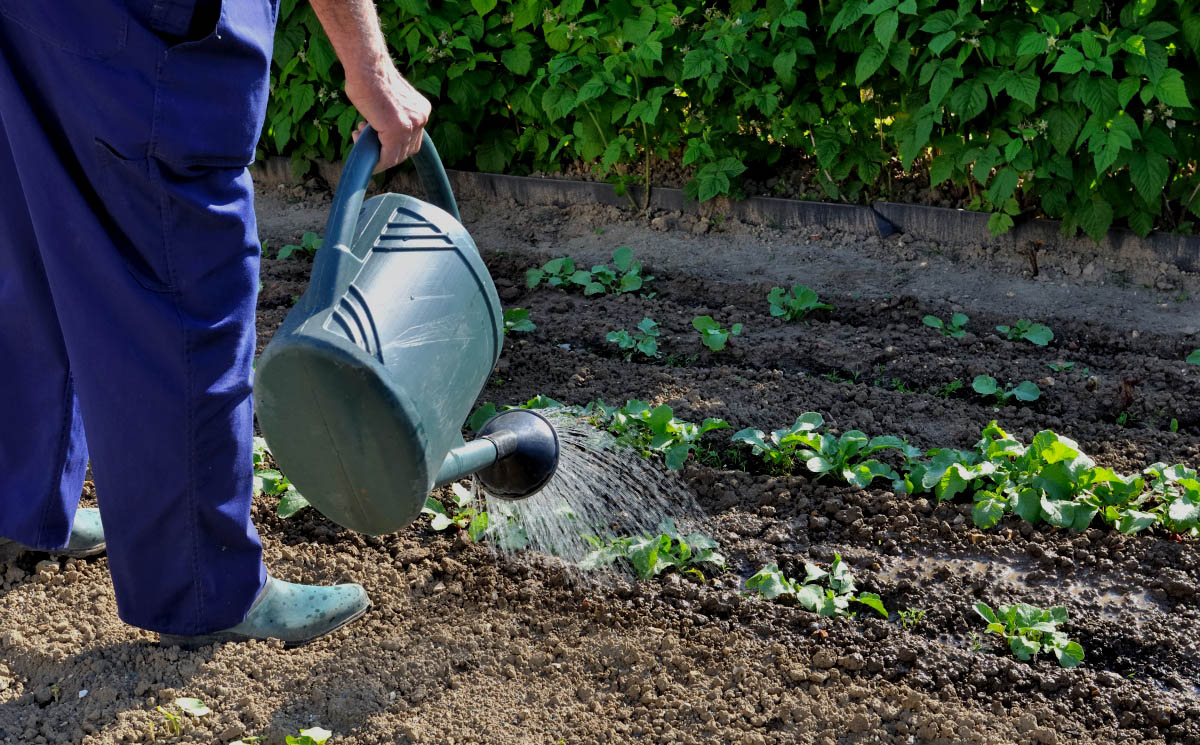
It's also important to consider that this crop doesn't require much irrigation or supplemental watering until the first true leaves appear. If the seedlings are planted in moist soil, the moisture will initially be sufficient for growth and development. However, as growth continues, especially during bud formation, the crop's moisture requirements increase sharply. This factor must be taken into account when determining the planting care regimen.
There are periods when watering potatoes is essential. Irrigation is essential in the following situations:
- when the sprouts have risen to a height of 5-10 cm above the ground level. Watering should be carried out two weeks after the first shoots appear;
- during the period of bud formation. The appearance of color reflects the beginning of tuber formation;
- In the first half of August. In the middle zone, this is the time when tubers begin to gain weight.
Poor harvests can be caused not only by improper agricultural practices but also by water management issues. Both excess moisture and unplanned, irregular watering are harmful. It's important to remember that watering in June and July helps increase the number of tubers. This is because the plant is preparing for flowering during this period. To produce larger, fuller-bodied potatoes, late watering is necessary.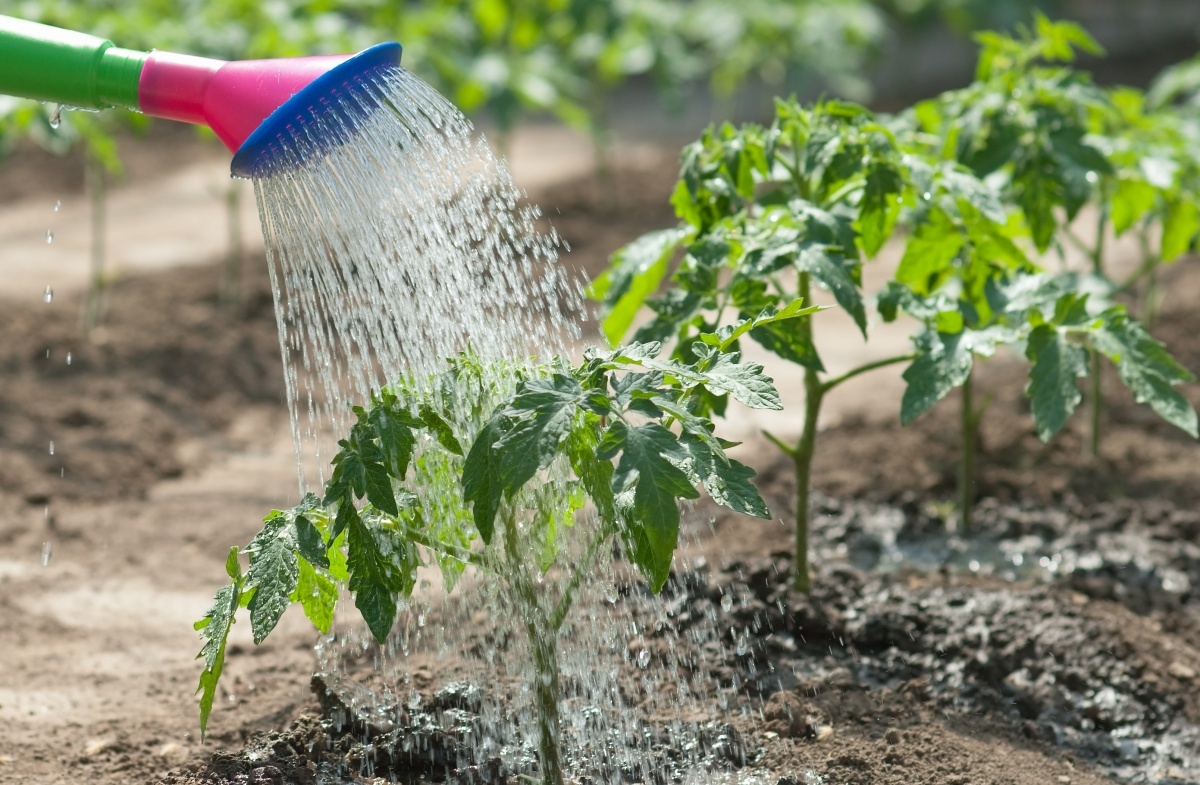
If all irrigation procedures were carried out correctly, and high-quality planting material was selected, then one hundred square meters can yield up to one and a half tons of potatoes.
As we can see, there's no single, 100% correct answer when it comes to potatoes. A combination of several factors, some of which are quite variable, must be considered. The choice of care option should be based on local and regional climatic conditions, as these are the most variable.
Video "Watering"
This video will show you how to water potatoes properly.
How to water better: all methods
Now that we've sorted out the question of whether potatoes need to be watered, we need to decide on irrigation methods. Currently, there aren't many options for watering this crop. Moreover, they can be divided into two broad groups:
- manual method;
- mechanized method.
Potatoes in open ground can be watered using these two methods. Each has its own characteristics, which determines the choice. Let's look at each method.
Manual watering
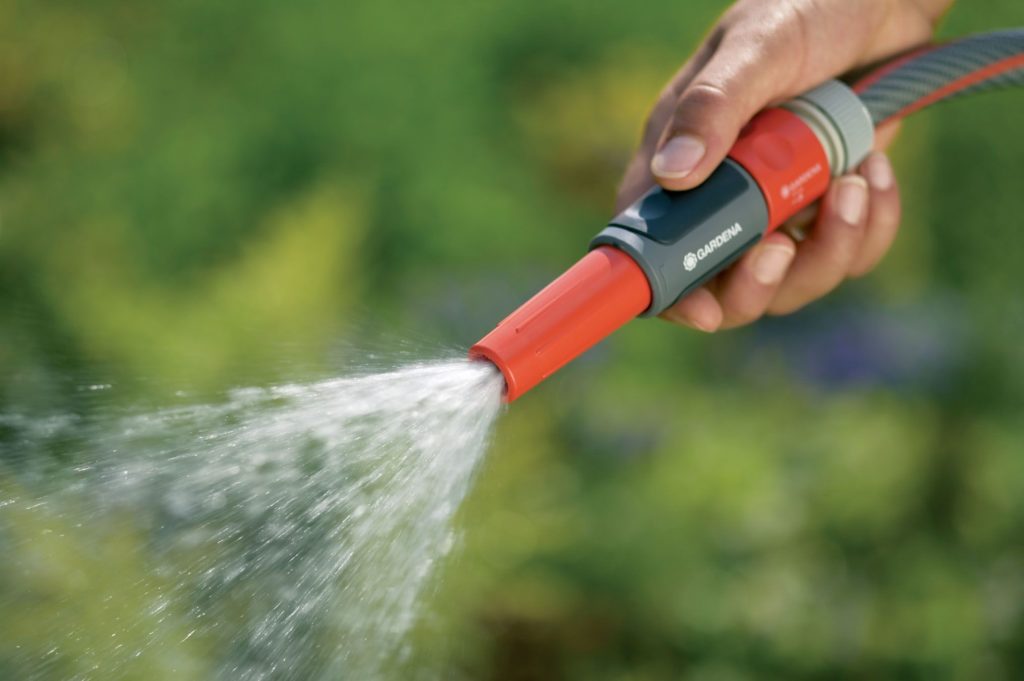
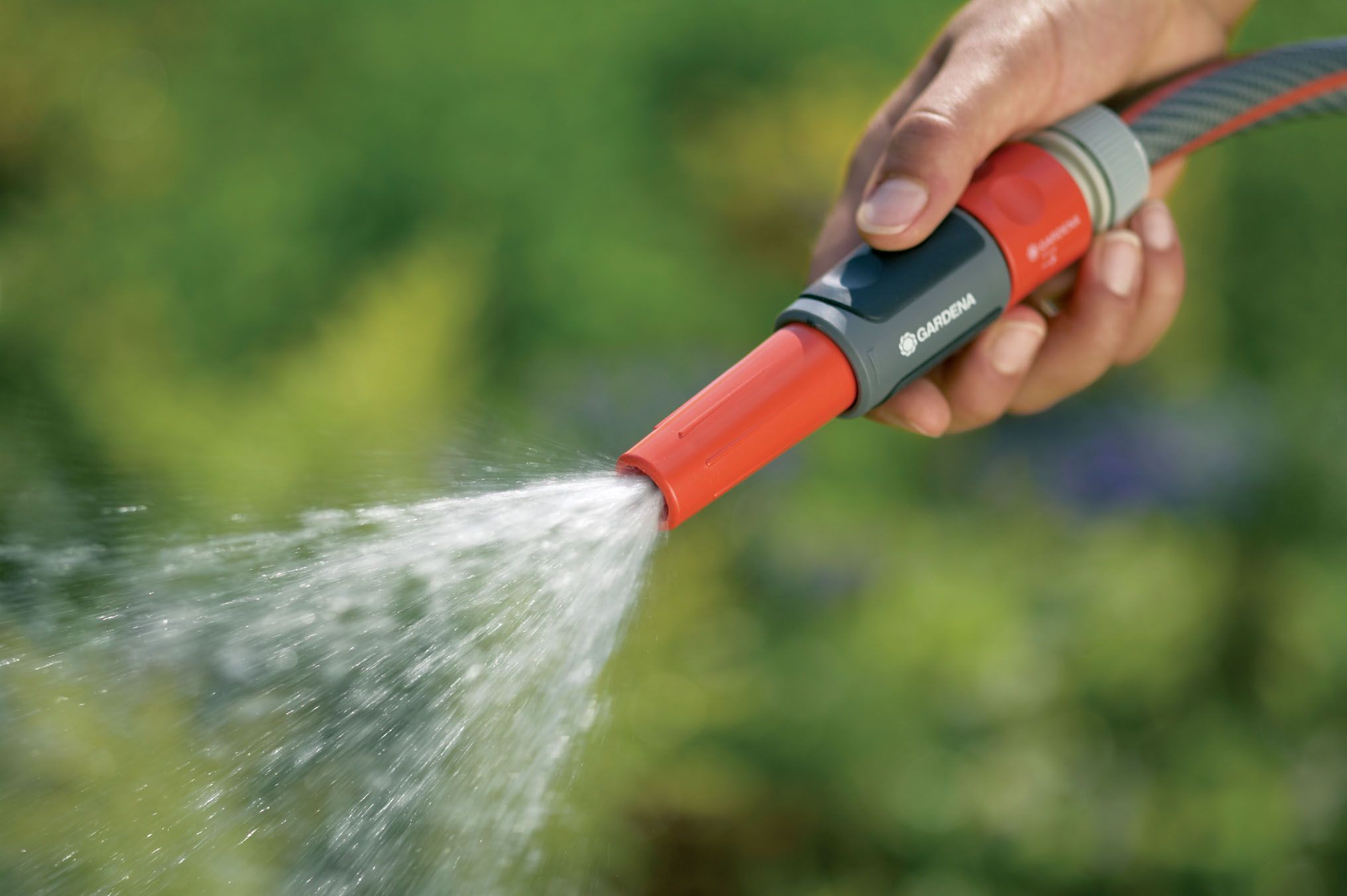
Manual watering of potatoes involves using a variety of tools: buckets, watering cans, or hoses. The easiest method is to use a hose. It allows you to easily water even the most remote areas of the garden without expending much time or effort. To prevent soil erosion under strong water pressure, it is recommended to attach a sprinkler to the hose. This will effectively simulate rain. First, wet the top layer of soil. Then, move on to another area. Once the first area dries, water it again.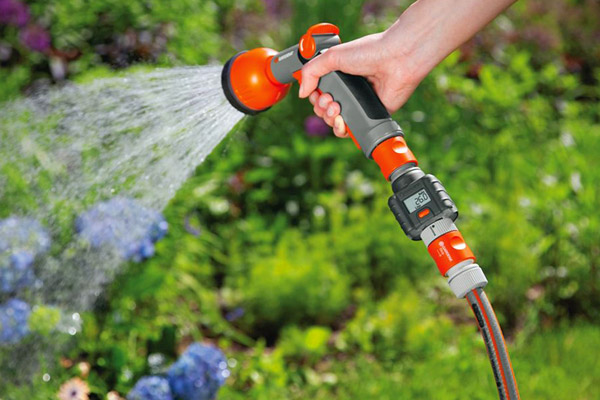
A more energy-intensive method would be to use watering cans and buckets, since they still need to be delivered to the desired area of the garden.
The downside of this method is that the gardener must manually apply the chosen device to each plant. Another disadvantage of manual irrigation is the inability to control the amount of water applied to each plant. However, the main advantage of manual irrigation is its precise application. This option is ideal for owners of small plots where tubers have been planted.
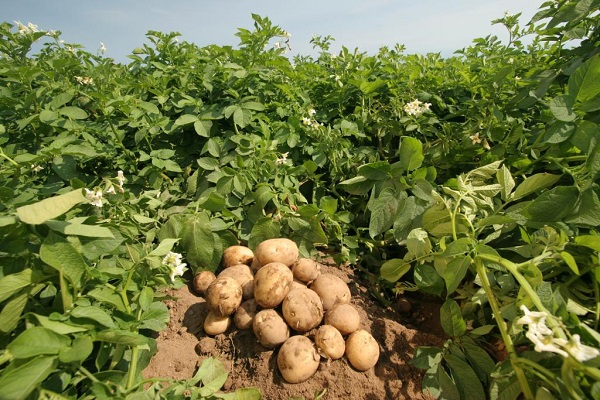
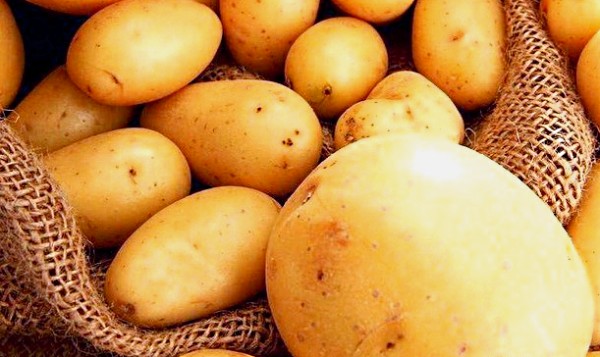
Using manual watering, you can perform spot irrigation instead of blanket irrigation. This ensures that each individual plant receives the required amount of water. However, it's important to remember that no more than 4 liters of water should be applied to each bush. The moisture should be delivered to the root system in increments. To achieve this, apply one liter of water per root zone. Once the water has been completely absorbed, water the bush again with one liter. The process is then repeated until the required amount of moisture is applied.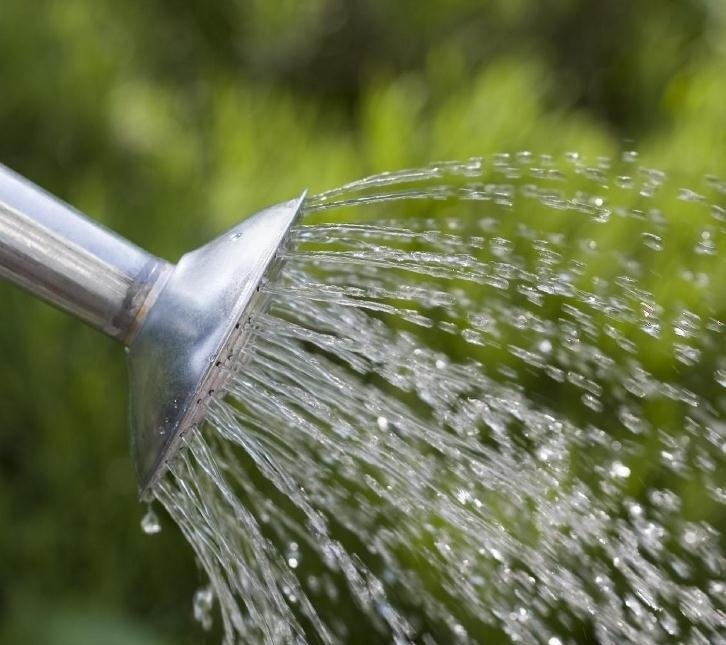
As we can see, manual watering is simple and requires only basic equipment—a bucket, a watering can, or a hose. Therefore, gardeners often use this method of irrigation.
Mechanized irrigation
Mechanized irrigation is generally understood to be a method of irrigation that utilizes specialized devices such as drip or sprinkler irrigation systems. These irrigation systems spray liquid over potato plants or deliver water directly to the roots. In the latter case, a drip irrigation system for the root system is required.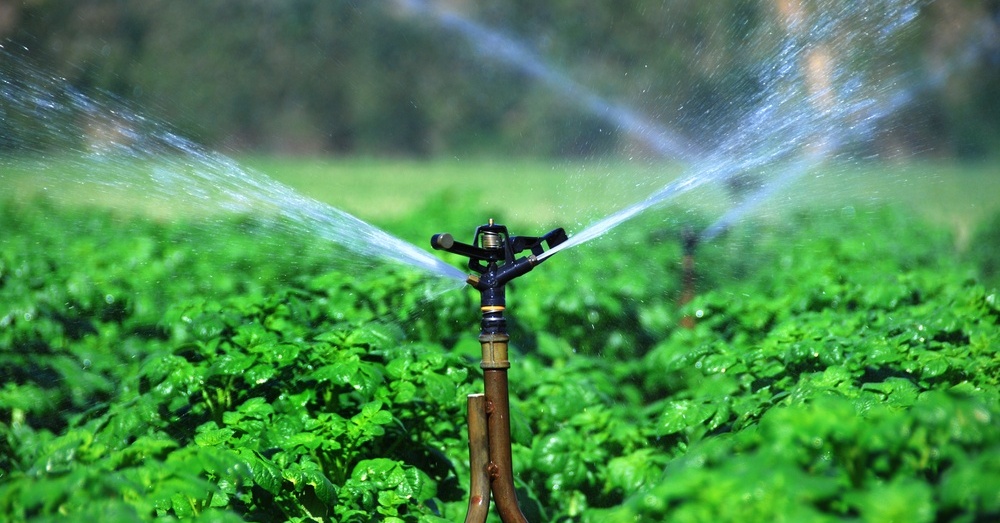
Mechanized irrigation is an excellent solution for large planting areas, as running around with buckets or hoses is both inconvenient and cumbersome.
Various irrigation systems (sprinkler type) are placed on the land plot above the soil surface. Alternatively, they can be placed in a grid directly on the ground itself. earth Sprinkler systems are suitable for irrigating potatoes during the period leading up to and after flowering. Such systems are not used during flowering, as they can wash away pollen from the flowers, significantly reducing yield.
When using mechanized irrigation, it's important to choose the right droplet size. If the droplets are too large, they will compact the soil. Potatoes don't respond well to dense soil, which reduces the quantity and quality of the harvest. At the same time, very small droplets simply won't moisten the soil, settling on the leaves. They will simply evaporate. Therefore, many gardeners prefer to use drip irrigation for the root system. This method allows the droplets to penetrate directly into the soil, nourishing the roots. Their size is unimportant, as they won't compact the soil or form crusts on the surface.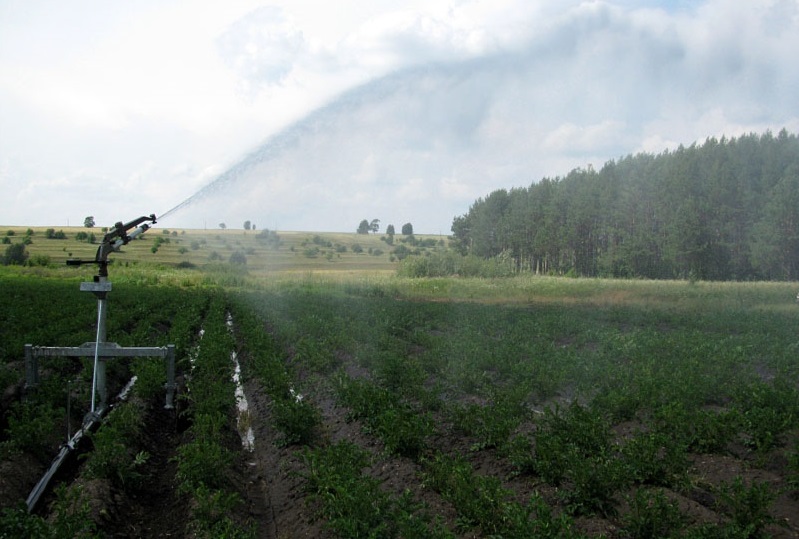
Using specialized irrigation systems has one significant drawback: high cost. Creating a high-quality mechanized irrigation system requires a significant investment, as it requires not only the system itself but also water dispensers and specialized timers.
Watering rules
It's not enough to simply water your plants. You also need to know the proper watering practices for potato plants. A wide variety of watering guidelines can be found in specialized literature. However, the first and most important rule here is the "summer" water temperature. The reason for this approach lies in the fact that the Solanaceae family, which includes potatoes, is characterized by the presence of delicate, absorbent roots. When watered with cold water, these roots begin to rot, which leads to poor nutrition and, ultimately, can lead to their death. Therefore, before watering potato beds, it is necessary to allow the water to warm up in the sun during the day.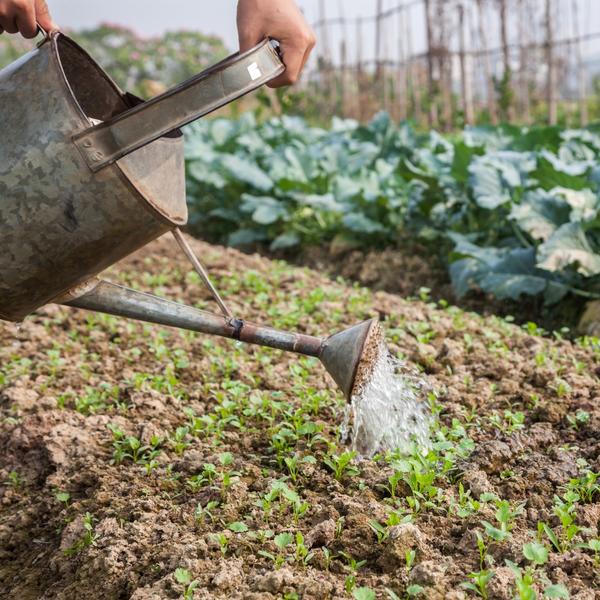
The second most important rule for watering potatoes is to time the irrigation to coincide with the emergence of 10 cm of shoots above the soil surface. In addition to these two basic rules, there are also less important ones. These additional rules include the following:
- When planting seeds, protect them from excess moisture. This poses a high risk of partial or complete tuber rot. Moreover, the rot process begins even before roots form. At this stage, soil moisture is sufficient.
- After planting, do not water the tubers, as this is the period during which roots are forming. The newly planted tubers will simply not be able to absorb moisture and will begin to rot.
- The first watering should be done in the center of the bush. At least three liters of water should be poured under each plant. If irrigation was done correctly, the green mass of the potato will begin to grow outward;
- Early varieties, compared to fall-harvested varieties, require less moisture. However, they should be watered more frequently, avoiding situations where the soil becomes too dry.
- As plants grow, their water requirements increase to approximately 6 liters. In hot weather, due to rapid evaporation of water, at least 12 liters are poured under the bushes. This rule also applies to mid-season varieties;
- Potato plants' watering needs increase significantly during the budding period. Therefore, during this period, watering (both quantity and volume) is increased. Plants should be watered 2-3 times a week, with 5-6 liters of water per plant (assuming no precipitation). The appearance of the first flowers is already a signal to increase watering; otherwise, tuber ripening will be delayed by 15-30%.
- When the flowers have fallen off, watering is reduced to once a week. In this case, four liters of water should be applied to each plant;
- The next period when the bushes require frequent watering is the tuber formation stage. The beginning of tuber formation coincides with the end of the flowering period. This marks the end of the harvest period, with the death of the foliage.
It's important to note that when irrigating potato crops, it's important to accurately calculate the amount of water required. This calculation is based on atmospheric humidity and air temperature. In hot and dry weather, the frequency of waterings is increased to six times per month. In cooler weather, watering is done three to four times per month. The volume of water applied to the plants can vary from 6 to 12 liters.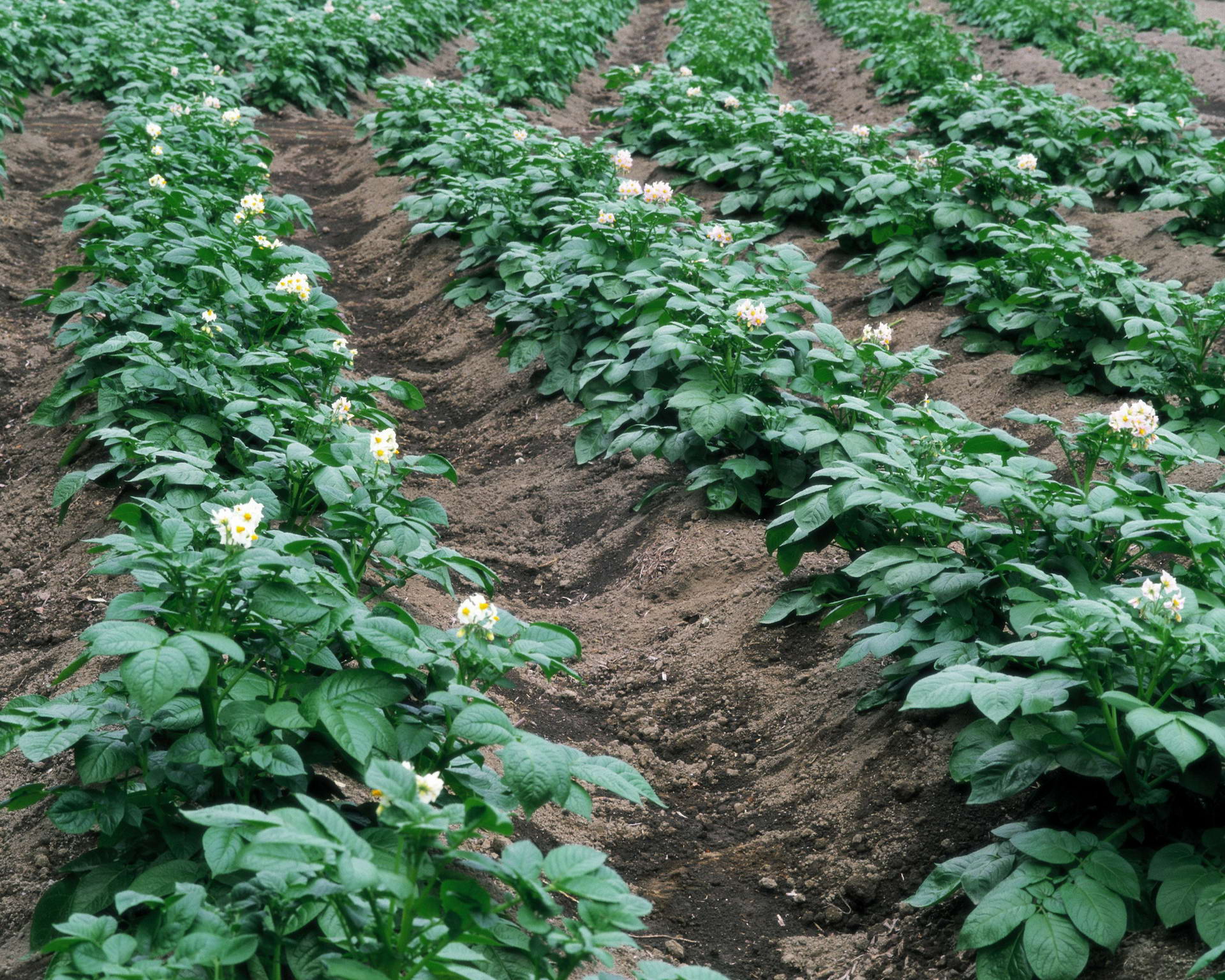
To increase soil moisture on hot days, you can mulch or loosen the soil, i.e., perform "dry watering." These procedures reduce the amount of water applied to each plant during watering. However, you can also extend the intervals between waterings.
To prevent damage to plantings from late blight and other diseases, watering should be organized in such a way that the tops have time to dry out by night.
It's also worth noting that regular watering is essential when irrigating potatoes. Otherwise, the tubers will become crooked and misshapen. This is especially important during hot weather. During this time, watering is recommended in the evening, after the heat has subsided. Morning watering is dangerous, as the rapidly rising sun can scorch the wet tops.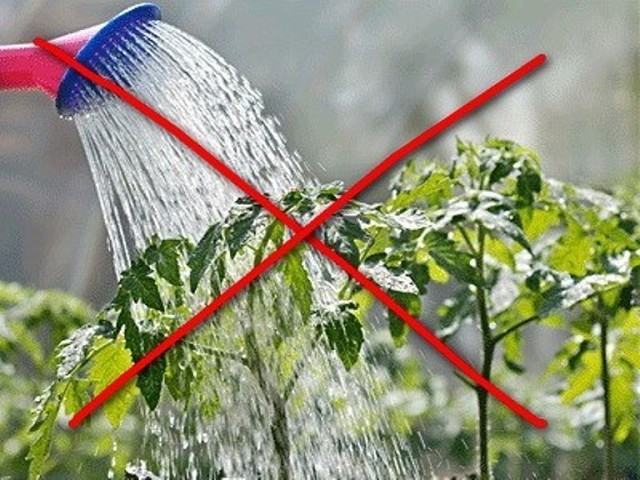
Gardeners have mixed opinions on the proper method of watering. Some believe water should be applied at the roots, while others insist it's better to water potato plants in furrows.
By following the above-described rules for watering potatoes, you can achieve a bountiful and tasty harvest from your plantings within the yield limits of the variety you choose to grow.
Signs of excess and lack of moisture
Like any cultivated plant, potatoes can suffer from both excess and insufficient moisture. Moreover, signs of these conditions can appear at any stage of potato growth and development. Therefore, it's important to be vigilant and regularly check your plantings for these signs. After all, if you miss the moment, you could lose a significant portion of your harvest.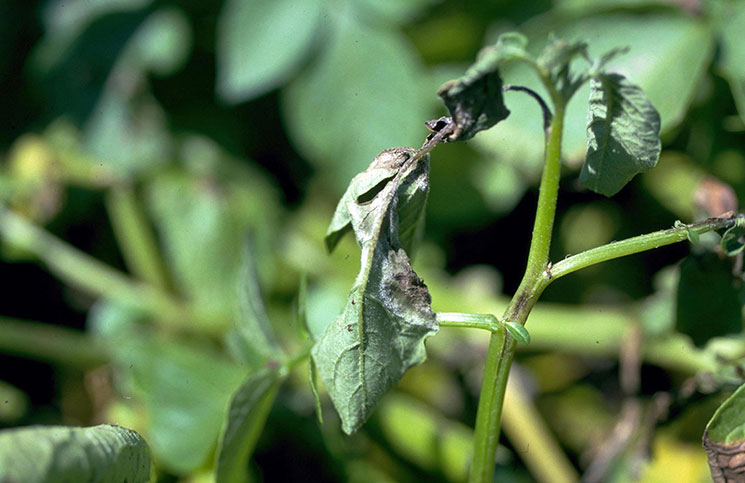
Signs of a lack of water in the soil of potatoes include the following:
- Leaf limpness. This condition is caused by decreased turgor in the stems and leaves. In addition to limpness, leaf blades may lose their color, becoming lighter;
- a slowdown in stem growth is observed;
- the buds that have formed do not open;
- Some stems, usually those that are small in size, gradually die off.
If you notice any of the above symptoms, you should water your plants immediately. However, be careful not to overdo it, as overwatering can also lead to reduced yields. This condition is characterized by the following:
- The leaves droop. Their appearance resembles a lack of moisture. You can distinguish one extreme from the other by the color of the leaf blade. With excess water, it becomes slightly watery and darker;
- Wet spots may appear on the stems. These are usually numerous at the base of the stems. Sometimes these wet spots become coated with a gray or white film. This indicates the presence of fungi.
- The tubers begin to rot. Those potatoes that don't rot will be small.
It's especially important to check your potato crops for signs of excess or lack of moisture during budding and tuber formation. This is because this can result in a loss of up to 60% of the entire harvest. During all other stages of potato growth and development, improper watering will reduce yield by approximately 20%, which is not as critical.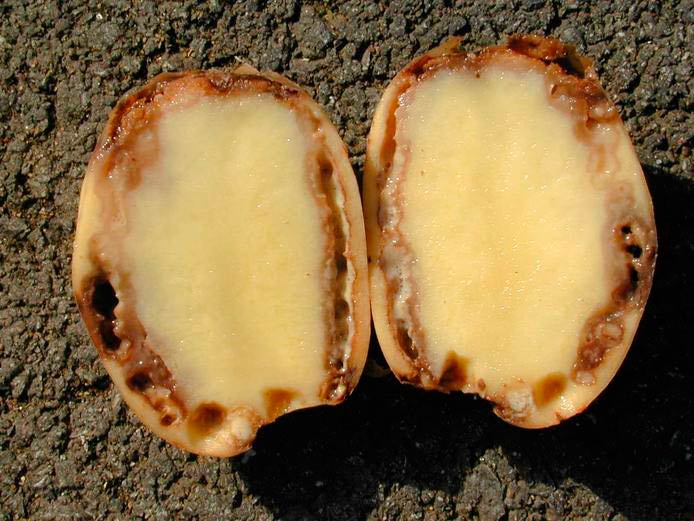
To accurately determine whether your potato plants need watering, simply stick your hand into the soil to a depth of about 10 cm. If it's covered in dust, it's time to water. If it's covered in slightly damp clumps of soil, the soil is sufficiently moist.
As we can see, potatoes still require watering. However, to ensure a bountiful and high-quality harvest, certain rules must be followed. They are simple, so even a novice gardener can harvest enough potatoes from their own plot.
Video "When to Water"
From this video you will learn when is the best time to water the vegetable.