
Life after potatoes: what to plant?
Content
Why alternate?
There's a particular technique that's increasingly being used when growing potatoes. If you plant the root crop in the same spot every year, the yield will gradually decline, and the fruit will become smaller. This is because this vegetable crop requires large quantities of micronutrients and certain types of nutrients.
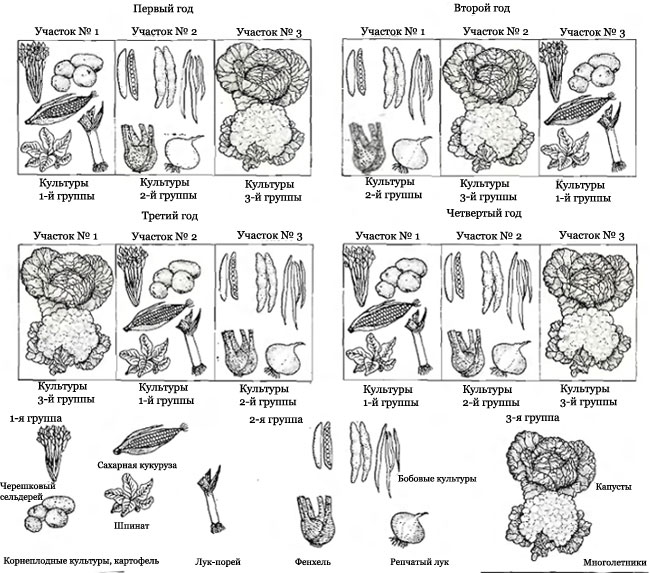
As a result, after each season, the soil becomes increasingly depleted of these nutrients, which impacts the harvest each following year. In strategically important fields, concentrated chemical fertilizers are used before planting potatoes to quickly replenish the balance of these elements.
However, this method still won't allow the soil to fully recover, as it needs to rest after one or two seasons. With each subsequent year, the area where potatoes were grown becomes less suitable for further planting of this vegetable crop.
For this reason, experienced gardeners recommend planting other plants after potatoes that do not require the same microelements.
It's also worth noting that constantly planting one crop at a time can lead to the accumulation of pathogens and diseases that only affect potatoes. Rotating crops can reduce their activity or even eliminate them altogether.
Site restoration
Potatoes are one of the few crops that can be planted in the same plot for several years in a row, if necessary. However, to ensure that yields do not fall below acceptable levels, a number of special measures must be taken.
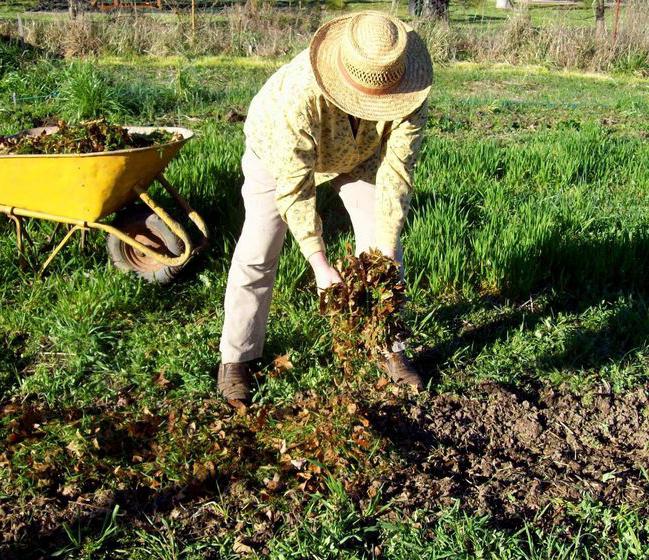
Fertilizers are the most effective way to restore soil fertility. Organic and mineral fertilizers help intensively replenish the balance of deficient micronutrients in the soil. Phosphorus and potassium are particularly important. Fertilizers with increased levels of these components can be added to the soil both after harvesting in the fall and in early spring (a couple of weeks before planting).
Well-rotted manure is commonly used as an organic fertilizer. Manure from herbivorous animals is the most suitable. Since cattle are always present on farms and in villages, this type of manure has become particularly popular. It is very effective at restoring soil properties, as it can enrich the soil with missing elements and improve its properties.
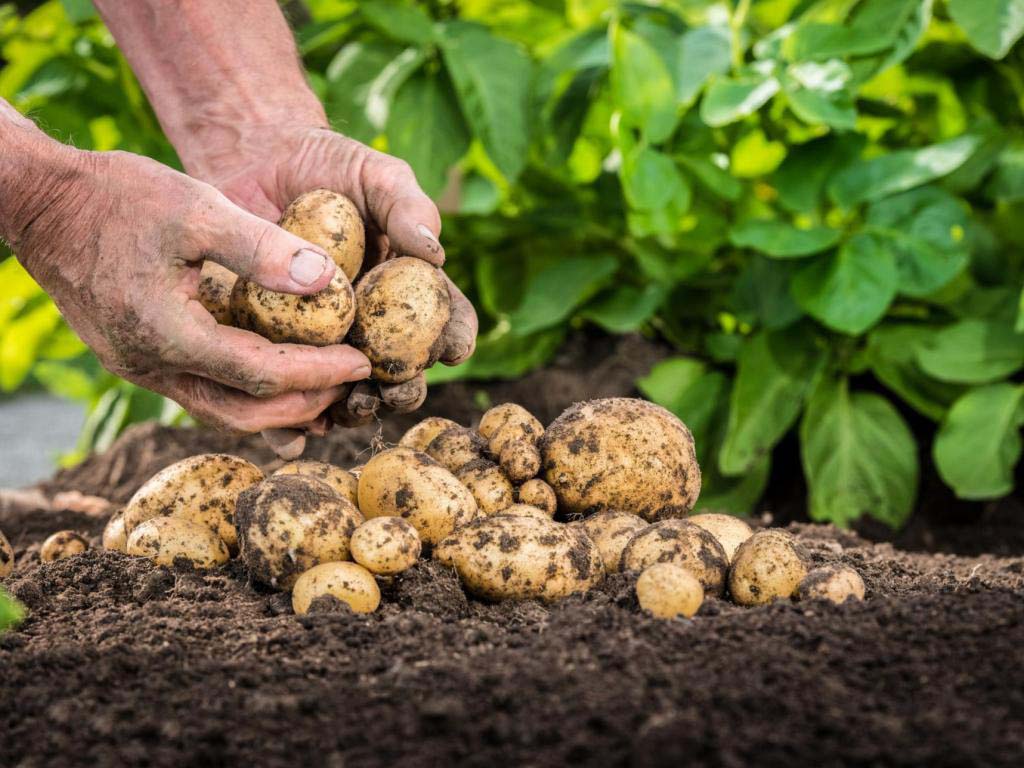
The best time to apply manure to a vegetable garden after potato harvesting is before planting a new crop. Alternatively, poultry manure (from chickens, geese, or ducks) can be used, enriching the soil with nitrogen, potassium, and other nutrients.
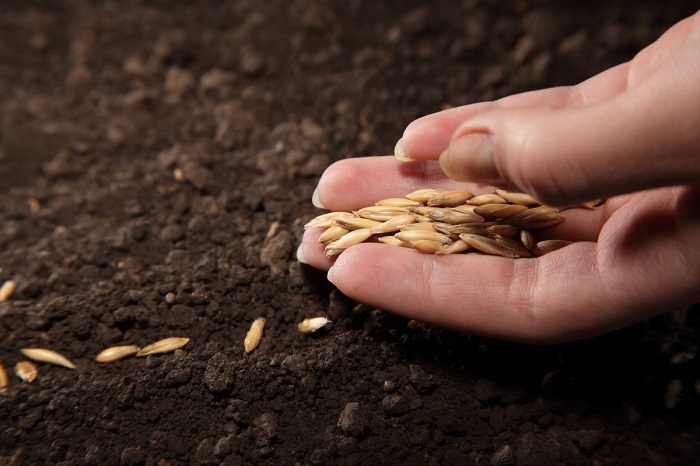
Before planting potatoes next year, you can sow grain crops in the garden after harvesting. Oats and rye are the best choices. Legumes such as beans and peas are also useful. Sometimes, mustard or rapeseed are planted.
Once the mineral and microelement balance in the soil has been restored and the soil has had a chance to rest, you can plant potatoes again. Until then, it's advisable to move the planting to another location or stop growing them altogether for a while, if there's no replacement site, until the soil has fully recovered.
Video: How to Cultivate Soil After Potatoes
In this video, you'll learn how to cultivate a plot after potato cultivation and what work should be done to ensure the soil is loose, fertile, and weed-free.
What to plant next
What plants can be planted instead of potatoes? There is a fairly large list of crops that can be planted in this area next year.
First of all, before planting, you should add additional fertilizer to the soil to partially replenish the balance of important micronutrients: nitrogen, potassium, and phosphorus. Almost all crops require these nutrients, even in small quantities.
To give the soil time to rest before planting potatoes again, it's best to wait 2-3 years. It's best to plant carrots, onions, and cucumbers instead of potatoes. Turnips, beets, radishes, and daikon also grow well in the garden. Most green crops, such as spinach, lettuce, and celery, grow well in this spot.
It's strongly recommended not to plant nightshade vegetables—tomatoes, eggplants, and peppers—after potatoes. They are susceptible to almost all the same diseases, and the following year they typically grow poorly, wither, often wilt without fertilizing, and can become diseased without pre-cultivation.
Once the soil has rested, before the potato season, you can plant cucurbits—squash, pattypan squash, pumpkins, and cucumbers. You can also plant any type and variety of cabbage and legumes in the spring. They will grow well in this location, as they require other micronutrients and minerals.
Companion plants
To increase the yield of certain crops or to control certain insects or diseases, you can use a special method: planting certain types of plants together. Choosing the right companion plants can significantly facilitate the growth and fruiting of certain seedlings.
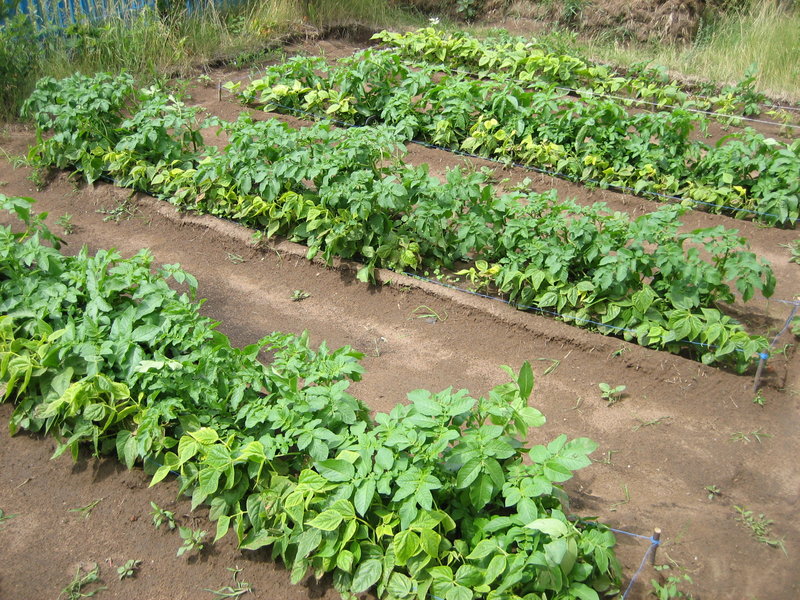
Gardeners have begun to plant beans between rows of most crops quite often. Beans can additionally enrich the soil with nitrogen, and potatoes protect the legumes from bruchus.
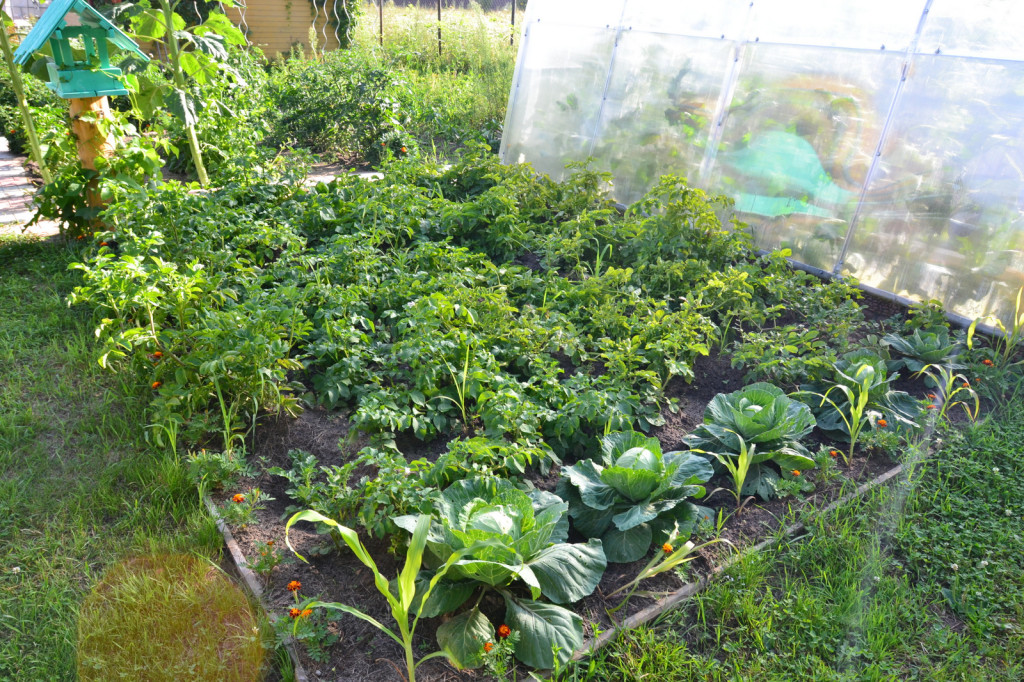
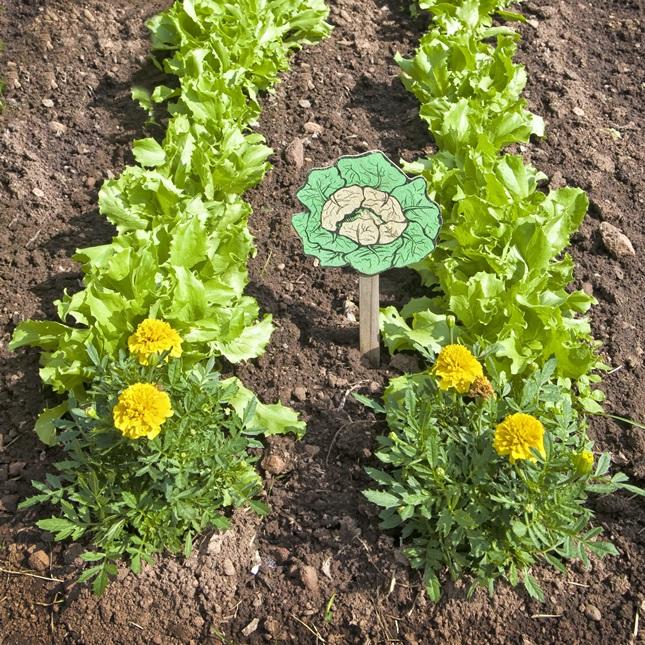
Potatoes can be saved if you plant marigold, calendula, and nasturtium along with them. These flowers should be planted around the perimeter of the garden or between rows of root crops.
Other good symbioses with potatoes include cabbage, onions, garlic, corn, horseradish, mint, spinach, and eggplant. Growing these crops nearby can improve soil quality and help control certain insects and pests.
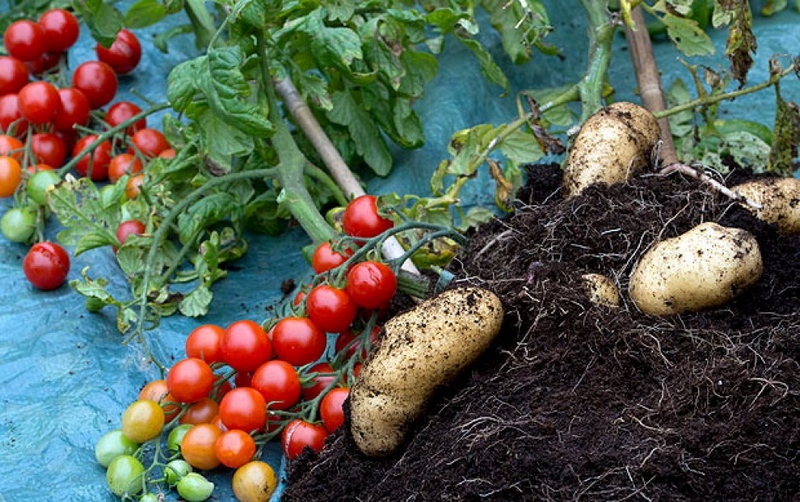
In addition to plants that are beneficial for potato growth, experts strongly advise against planting tomatoes and sunflowers nearby. These crops can introduce late blight. Also, avoid planting near certain fruit trees (such as rowan, raspberry, cherry, and sweet cherry).
If you follow these rules, you can always achieve a good harvest.
Video: "What is crop rotation? How to organize crop rotation in a summer cottage"
The video explains in detail what crop rotation is and how to organize it correctly.