
What to do if the potato has large tops?
Reasons
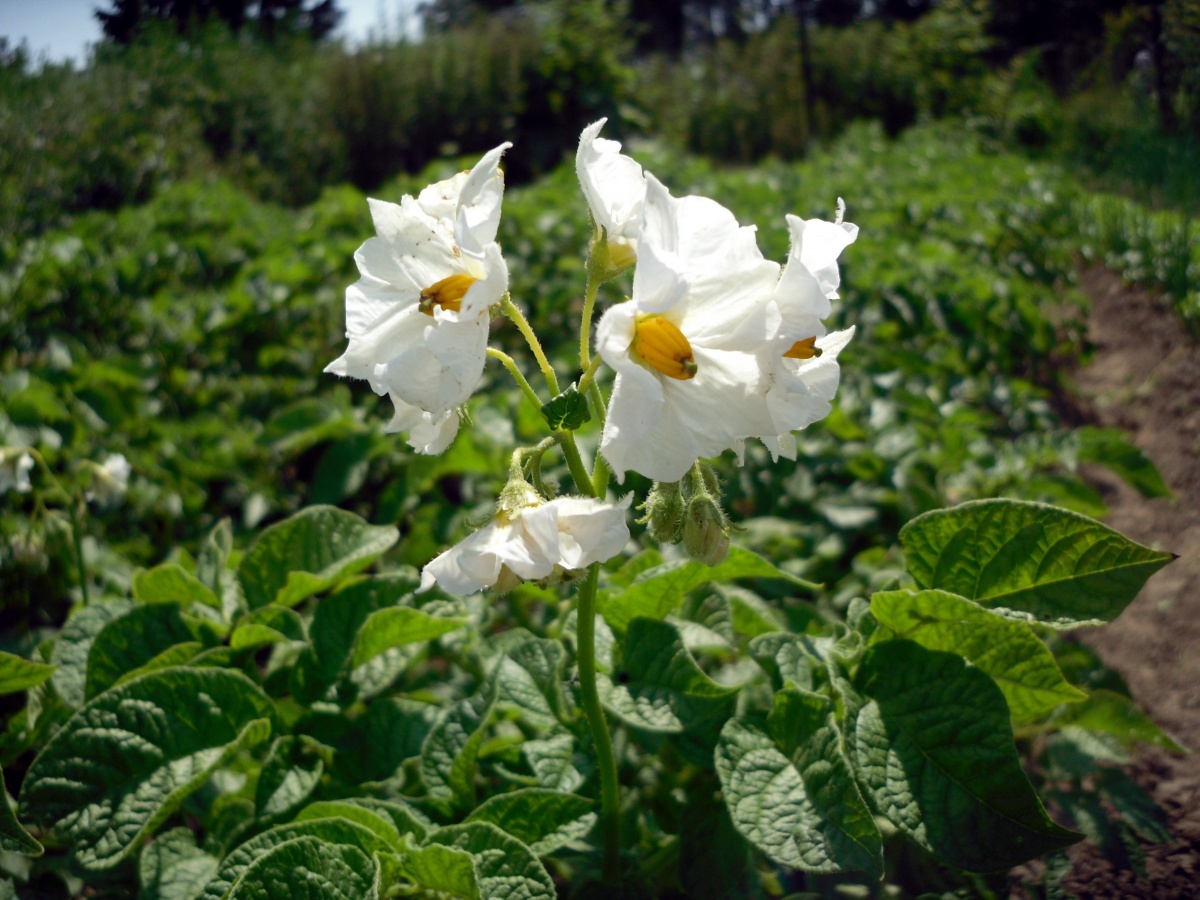
Potato tops are not an edible part of the plant. However, they are a valuable resource for creating organic fertilizers through composting or burning to ash. They are also used to prepare traditional herbal infusions to combat certain insect pests. However, a tall and abundant green mass can negatively impact the yield. This is because when potatoes have well-developed tops, their roots develop into small ones. In this case, the plant expends all its energy on producing greenery, leaving only a few grains for the underground part, which is the primary source of this crop. However, this is not always the case. Whether or not potatoes will be small with tall tops depends on many factors.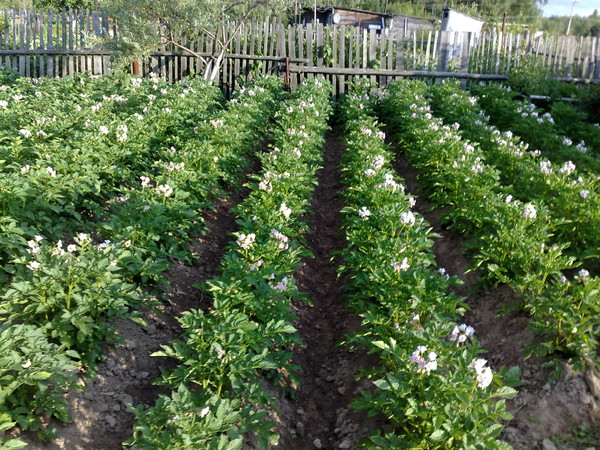
The following factors can lead to a situation where the greenery on potatoes grows too much:
- Planting in the shade of trees. In this situation, the tops will stretch due to a lack of sunlight. Naturally, these are not ideal growing conditions. Shade can lead to a deterioration in the quality and quantity of the harvest;
- Excessive fertilization with manure, compost, or nitrogen fertilizers. The application of nitrogen-rich fertilizers to the soil must be carefully coordinated. Avoid over-fertilizing, as this will stimulate the growth of green mass. Potato tops grow especially well with excess nitrogen fertilizers and manure. In this case, it's better to apply less rather than more. It's precisely this excess of fertilizers that most often results in giant potato plants with virtually no tubers.
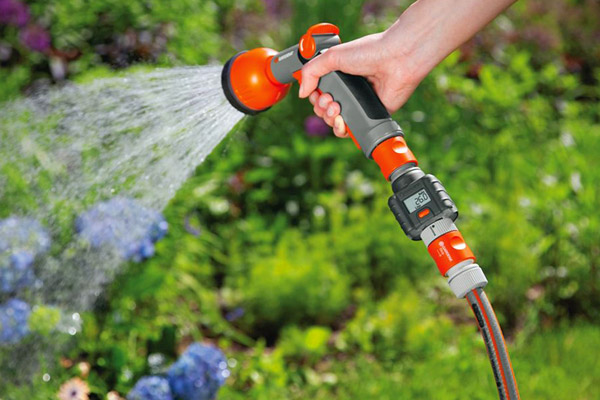
- Prolonged rains or frequent watering. Excess moisture also slows tuber formation and the growth of greenery. Furthermore, if the harvest is still harvested, it will not store well in the cellar.
It's worth noting that a lot of tops doesn't always mean a poor harvest. This could very well be a characteristic of a particular variety. However, to avoid losing your potato harvest, you still need to know what to do in this situation.
Video: Potato Care
From the video you will learn how to care for root vegetables.
What to do
When growing any vegetable crop, it's important to know the proper care to prevent pests, diseases, and reduced plant fertility. Potatoes require relatively simple care to produce excellent yields of large, tasty root vegetables. However, there are times when specific measures must be taken to avoid losing the harvest. One such situation is when a potato plant grows large (over 80 cm). If the greenery is actively growing, this indicates that adjustments to the planting's care are needed.
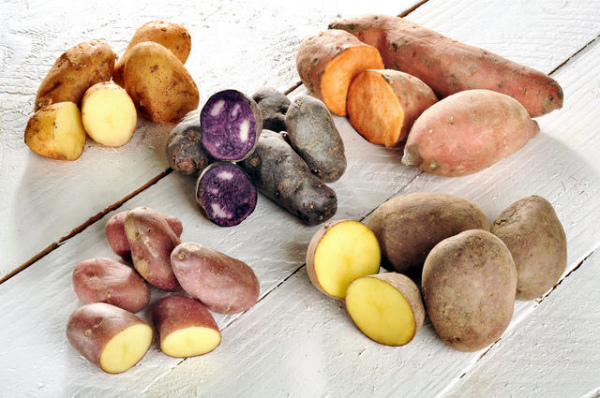
Situations when the tops are higher than a meter indicate that there is too much nitrogen in the soil. In this case, a fertilizing adjustment is necessary. Normalizing soil nutrients will naturally prevent the foliage from shrinking, but will encourage tuber formation. Applying 100 g of superphosphate diluted in 10 liters of water will stop the growth of foliage and encourage the plants to form tubers.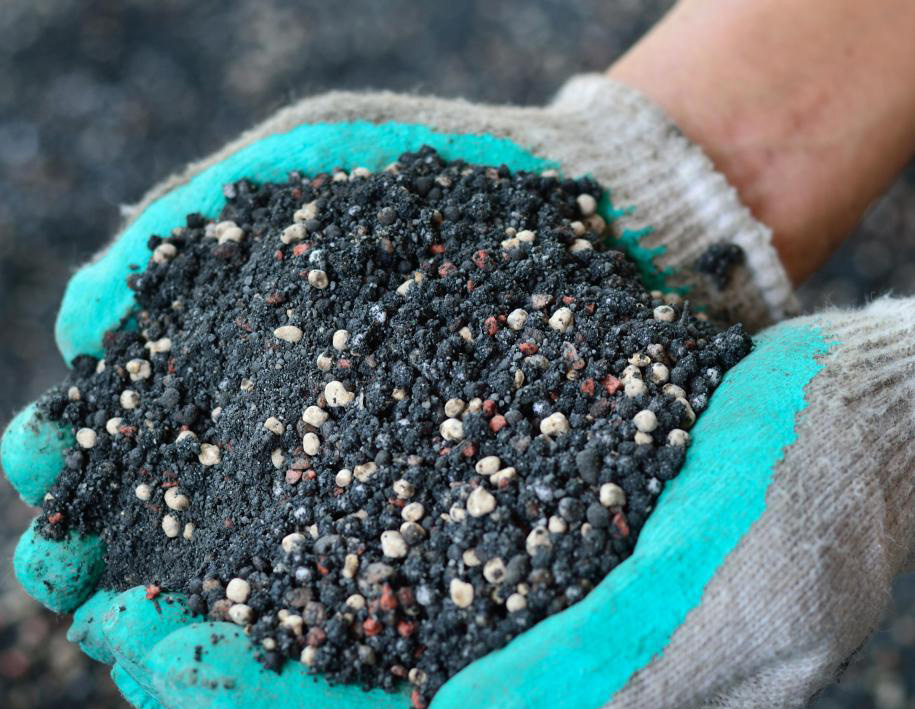
A growing potato plant must be properly fertilized to prevent excessive growth of its above-ground portion. To achieve this, the fertilizer should be as follows:
- The first feeding is done immediately after the first shoots emerge. It is done using ammonium nitrate or urea. 10-15 g of the preparation should be dissolved in 10 liters of water. It is important to note that when applying manure to the soil in the fall or spring, do not apply fertilizer for the first time to prevent excess nitrogen in the soil.
- Further fertilizing is done after hilling. A second application is made when the tops reach a height of 20-25 cm (20-30 g of nitrophoska is scattered between the rows). If the soil is well-fertilized, no further fertilization is necessary. Some gardeners apply foliar fertilizer several times throughout the summer to enrich the soil with phosphorus, potassium, magnesium, and other micronutrients.
It is worth noting that foliar feeding can be combined with spraying bushes against late blight and the Colorado potato beetle.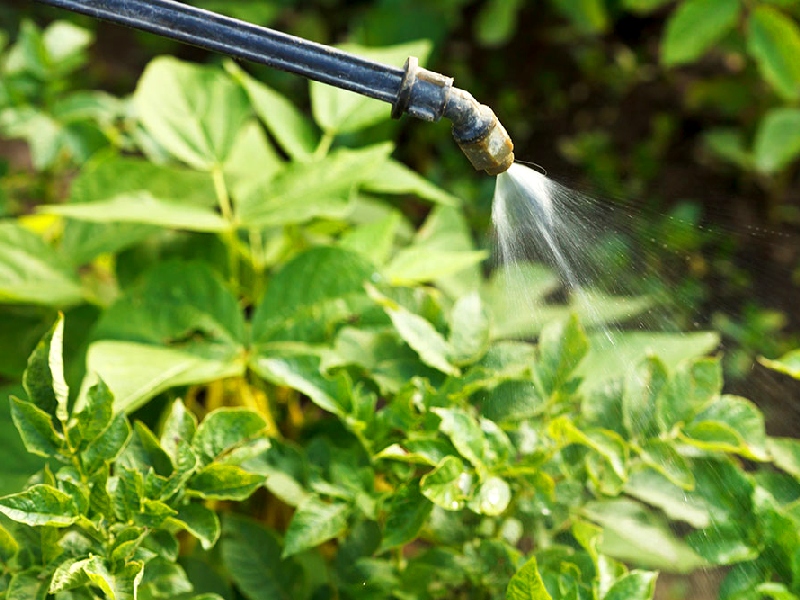
If you can't determine the cause of the potato bushes' forced growth, you can simply press down and bend the tops. This will stop the potato plants from growing for at least two weeks, giving them a chance to develop tuber growth normally. This method is very popular among gardeners because it doesn't require additional costs for fertilizers or stimulants, and it's also quick.
You can simply remove the green parts. Currently, there are two ways to remove the above-ground part of potatoes:
- Mechanically. This method is best used when the remaining green portion of the plant is 25 cm tall. This height will allow the chemicals to be absorbed well, which will slow down the growth of the foliage. For short bushes, mechanical methods are not suitable. This is done with a topper.
- Chemically. This method is usually used every other day, after mechanical removal. It's best to chemically remove the greenery in two stages. The first treatment will destroy the stem tip, and the second will complete the process. Double treatment intensifies the effects of the chemicals.
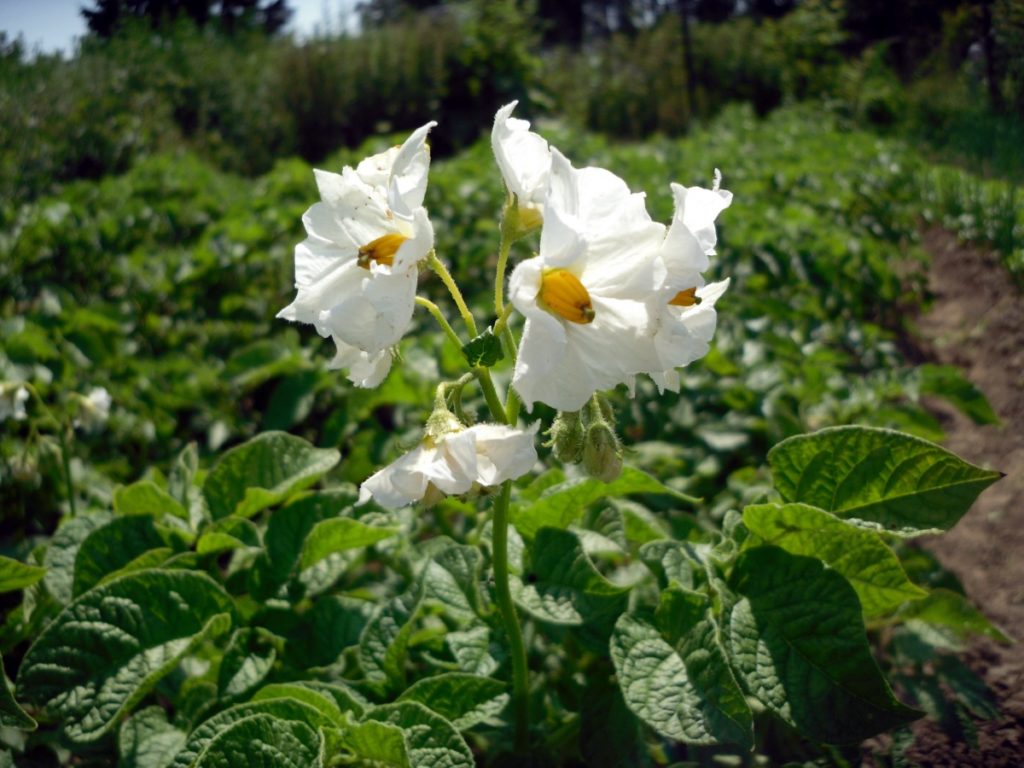
Both methods of top removal can be used a week before harvesting. This approach allows for more thorough and easy removal of all shoots and stems without damaging the roots or garden tools. This is especially important for varieties that produce strong, sturdy stems and leaves.
It's worth noting that if there's prolonged rainfall, the tops may begin to re-form. In this case, they can be re-treated with special chemical solutions. Before doing so, mechanical removal should be repeated.
Another way to increase potato yield is by mowing the tops. However, it's important to know when to mow potato tops.
Mowing the tops after flowering
You can mow down the tops of potato plants after the plants stop flowering. Until then, it's best to leave the above-ground portion of the plants alone, as this can affect their yield.
It's worth noting that mowing potato tops after flowering is an important part of the harvesting process. This procedure is performed for the following reasons:
- Removing green mass stimulates the ripening of root crops;
- the quality of fruits improves;
- furrows and beds dry out faster;
- The risk of tuber infection by diseases carried by the tops (such as late blight) is reduced. Mowing the above-ground portion of the bush serves as an effective preventative measure against various diseases and also helps eliminate pests that have not yet migrated from the tops to the soil for wintering. However, it is impossible to detect whether a tuber is infected from a healthy one, as the disease does not manifest itself at this stage.
- increasing the shelf life of potatoes in the basement.
Moreover, mowing the potato tops significantly simplifies the subsequent potato harvest. However, to reap all the benefits described above, it's important to know exactly when to do this. Otherwise, your efforts will not yield the expected results. Experienced gardeners advise harvesting the greens at least two weeks before the expected harvest date. Some sources suggest this process can be done up to a week before digging. However, you should also wait a week before mowing if the plants have been treated with fungicides. A slight delay, especially in rainy weather, can lead to massive infection of the tubers due to the heavy accumulation of fungal spores on the infected leaves.
When mowing the tops, remember that pathogens and insect pests can survive in the soil for a long time. Therefore, to prevent fruit infection, a comprehensive approach is necessary. This involves not only removing the tops of the bushes but also cultivating the soil. Fungicides are essential for treating the crop against pathogens and pests. In this case, chemicals can effectively protect root crops from harmful microorganisms.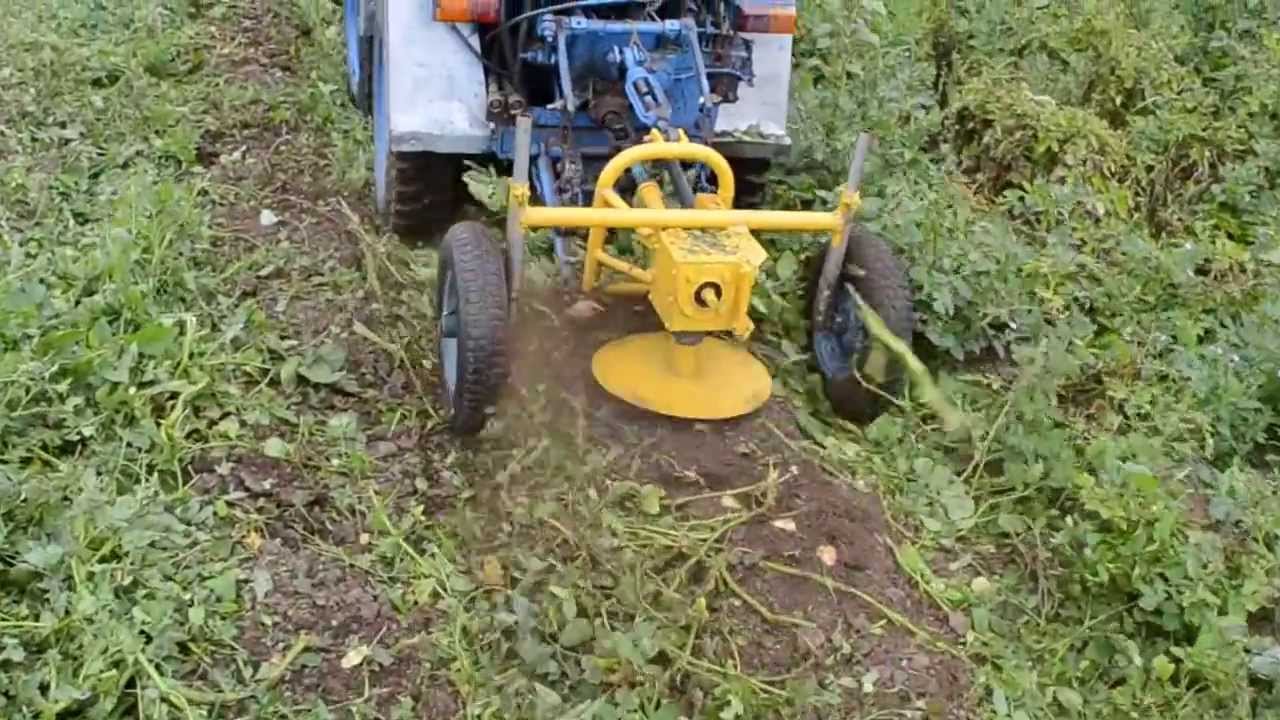
Mowing should only be done after the budding period has ended. Doing this during flowering can slow down the tuber formation process.
As we can see, large potato tops in most cases lead to reduced yields. Therefore, it's important to monitor the tops to prevent them from becoming overgrown.
Video "Mowing"
From the video you will learn how to mow the tops.