
Common potato diseases and effective methods of controlling them
Content
The main causes of potato diseases
If we name the causal factors why potatoes get sick, they can be divided into two sections:
- human-dependent;
- those that cannot be influenced.
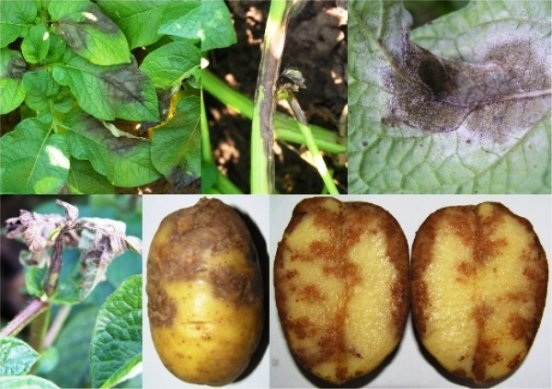
The latter include pest infestations and poor weather conditions. However, there are also factors that can lead to partial crop loss due to the farmer's own fault. Let's take a closer look at these:
- Poor quality planting material. Experienced farmers recommend choosing selective potatoes, which have increased immunity to diseases and insects.
- Failure to properly rotate crops. Potatoes should not be planted in the same field for long periods. Also, before planting, be sure to treat the area to remove any insects and their larvae remaining after the winter.
- Violation of planting care rules. Plantings must be regularly watered, weeded, loosened, fertilized, and treated for infections and insects.
Video: "Potato Diseases and Control Methods"
This video explains how to combat common potato diseases.
Physiological diseases of tubers
A common cause of vegetable crop diseases isn't pathogenic microorganisms or pests that spoil the harvest. Sometimes, the problem develops due to improper fertilizing, improperly selected fertilizers, poor agricultural practices, or poor weather conditions. Learn more about the physiological diseases of potatoes below.
Gray spotting, or melanosis
The disease manifests itself as blurred dark spots on the flesh, resembling bruises. These vegetables are edible, but peeling them leaves a lot of waste.
To prevent gray spot, it is necessary to harvest on time, apply fertilizer correctly, and also be careful during transportation.
Rust, or iron spot
This disease is caused by excess iron in the soil. You can identify iron spot by cutting a potato—you'll see brown, uneven circles around the circumference.
You can avoid crop damage by regularly watering your crops and following proper fertilization practices.
Soil suffocation of tubers
The disease manifests itself as multiple nodules on the surface of the tubers. These vegetables do not store well and should be consumed as soon as possible.
To prevent this problem, farmers recommend planting the crop on a raised site with free water drainage, after ensuring good drainage.
-
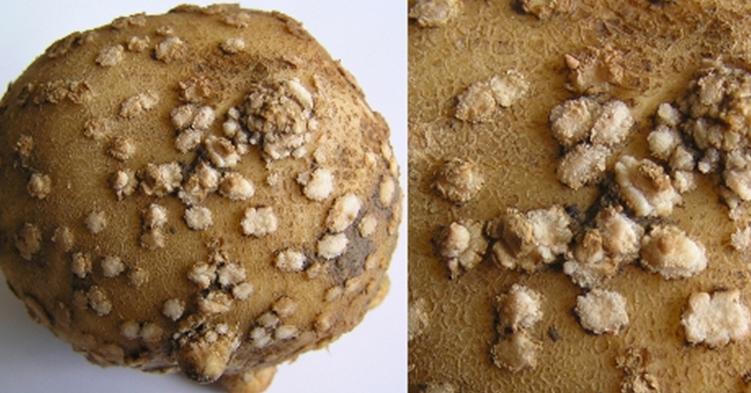
- Soil suffocation of tubers
-
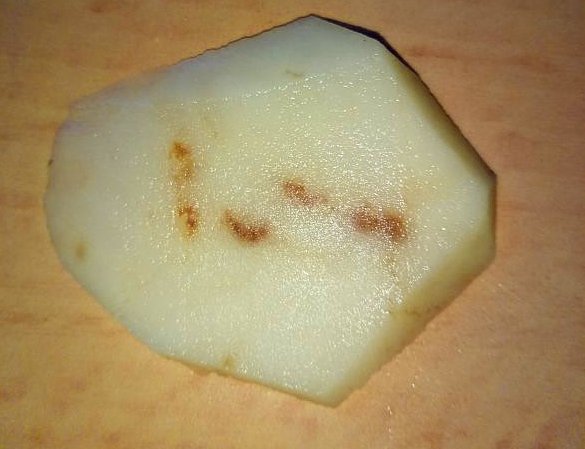
- Iron spot
-
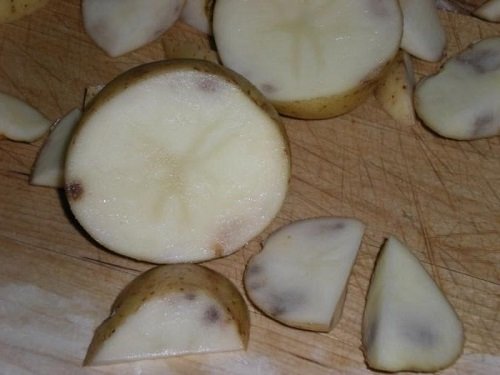
- Gray spot
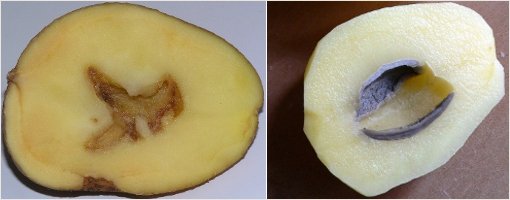
Hollowness of tubers
Varieties with large tubers are at risk. Hollow tubers can be detected by cutting the potato lengthwise. The potato will be hollow inside, and the walls of the "hollow" will be covered with a dry, brown crust.
To avoid this problem, simply avoid planting large-tuber potatoes, ensure regular watering, and reduce the nitrogen content in the soil.
Fungal diseases of potatoes
Microscopic fungal spores are dangerous because they spread very quickly over fairly long distances. The fungus attacks not only the tubers but also the green parts of the crop and can destroy the entire harvest in just a few days. Below, we'll describe the most common diseases.
Alternaria
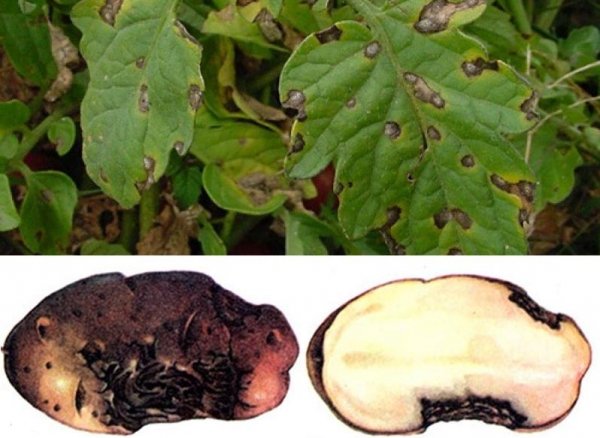
Dry spot most often affects potato tops. They initially become covered in brown spots, and eventually die off completely. If the fungus has reached the tubers, rusty, loose areas form on their surface, and dark brown circles appear on the flesh.
To treat Alternaria blight, use Fitosporin-M or other targeted treatments. As a preventative measure, planting material is treated, and the soil itself is fertilized with potassium-phosphorus compounds.
Rhizoctonia
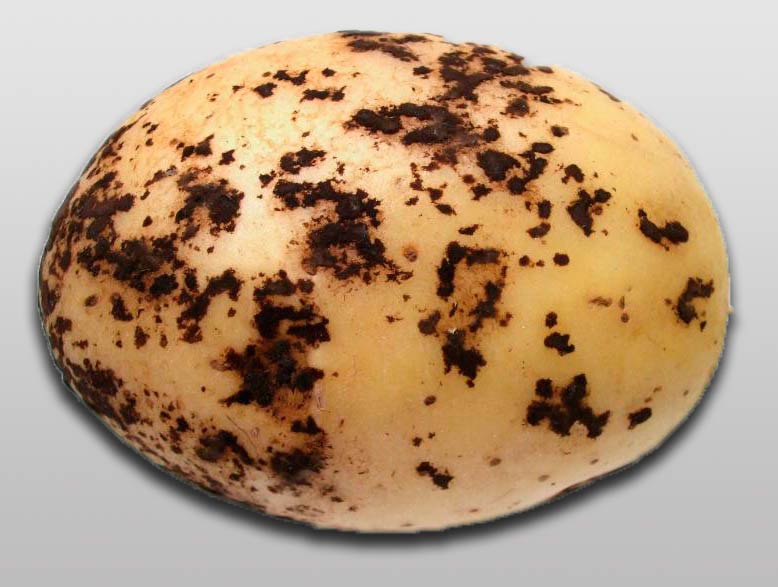
Black scab appears as earthy spots on the surface of tubers, easily mistaken for dirt. The flesh becomes covered with a necrotic network and sometimes ulcerated cavities.
To combat already existing fungus, use fungicides such as "Benazole", and before planting, treat the tubers with "Maxim".
Late blight
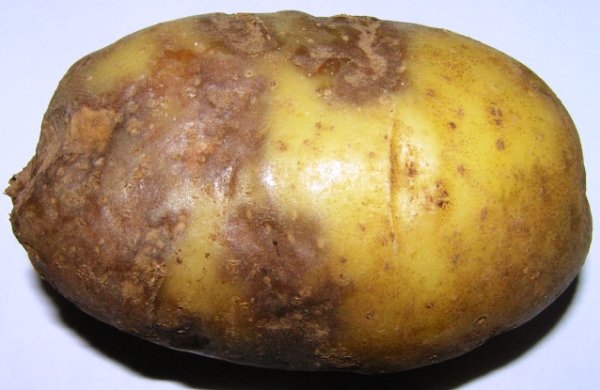
The most common and dangerous disease of nightshade crops. Tubers infected with pathogenic fungi rot even before harvest. The above-ground portion of the plant becomes covered with dark spots and a whitish coating, and eventually dies.
Copper-containing preparations or targeted fungicides (such as Fundazol) help combat late blight. Crop rotation and avoiding overwatering are also essential.
Varieties of scab
Another common disease that farmers describe in three varieties:
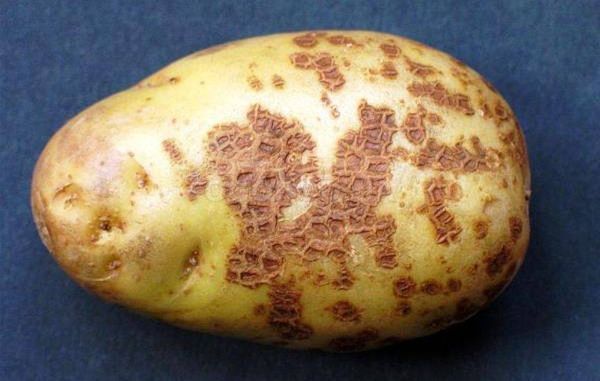
- Common scab. It most often affects red-tubered, thin-skinned varieties. Potatoes are covered with brown-purple, corky lesions.
- Powdery. This is characterized by the fungus affecting the entire plant. Whitish spots appear on the green parts, which darken over time, and the vegetable itself becomes ulcerated with reddish areas.
- Silvery. The main symptom of the disease is a silvery-metallic spotting appearing on the skin of the tubers. Infected crops dry out very quickly and are unsuitable for consumption or further planting.
To prevent scab infection, before planting, the tubers are treated with fungicides such as "Benazole", and the soil is fertilized with green manure.
-
- Scab
-
- Late blight
-
- Rhizoctonia
Phoma, or button rot
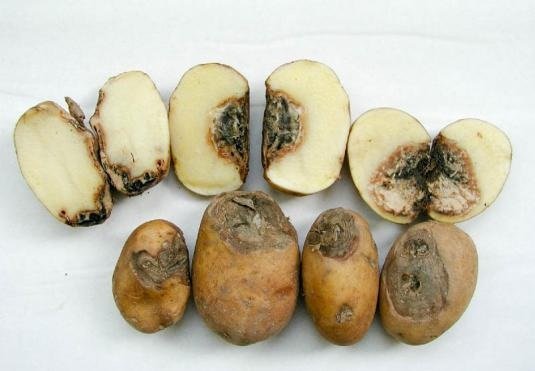
The disease is insidious because it only manifests itself during storage. Potatoes become covered in wet, rotten, orange-brown patches that easily separate from the healthy flesh.
Only prevention can save the future harvest from button rot. It is recommended to treat planting material with "Maxim" and thoroughly dry it before planting.
Fusarium, or dry rot
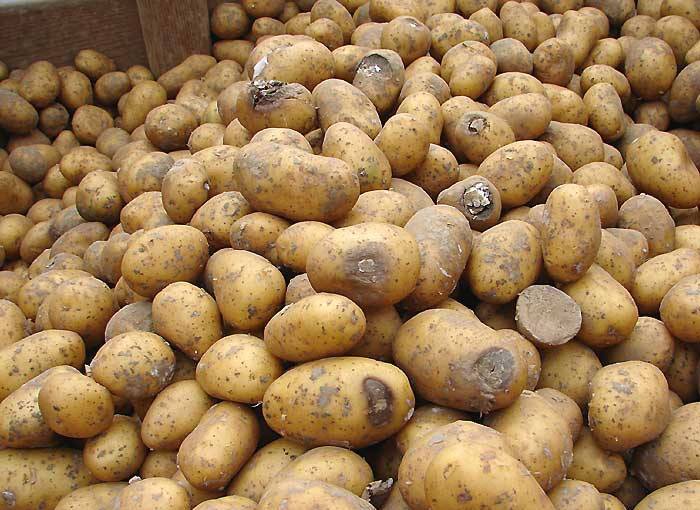
The disease affects the entire plant and can destroy most of the harvest within a few days. The leaves take on a purple hue, the stems turn brown and begin to rot. Moldy patches appear on the tubers, and the flesh becomes rotten.
Promptly uprooting affected plants will help prevent infection in neighboring plantings. Farmers also recommend treating tubers with Fundazim before planting.
Powdery mildew
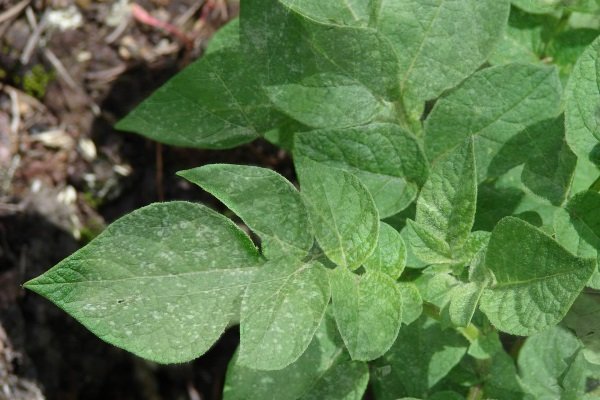
Plants growing in southern regions are most at risk. The fungus often attacks the above-ground portions of the plant. Necrotic spots appear on the leaf blades, which eventually become covered with a whitish coating.
The only way to control the disease is to burn the infected bushes to prevent further spread of the infection. As a preventative measure, the plants are treated with colloidal sulfur or Vitaros.
Potato cancer
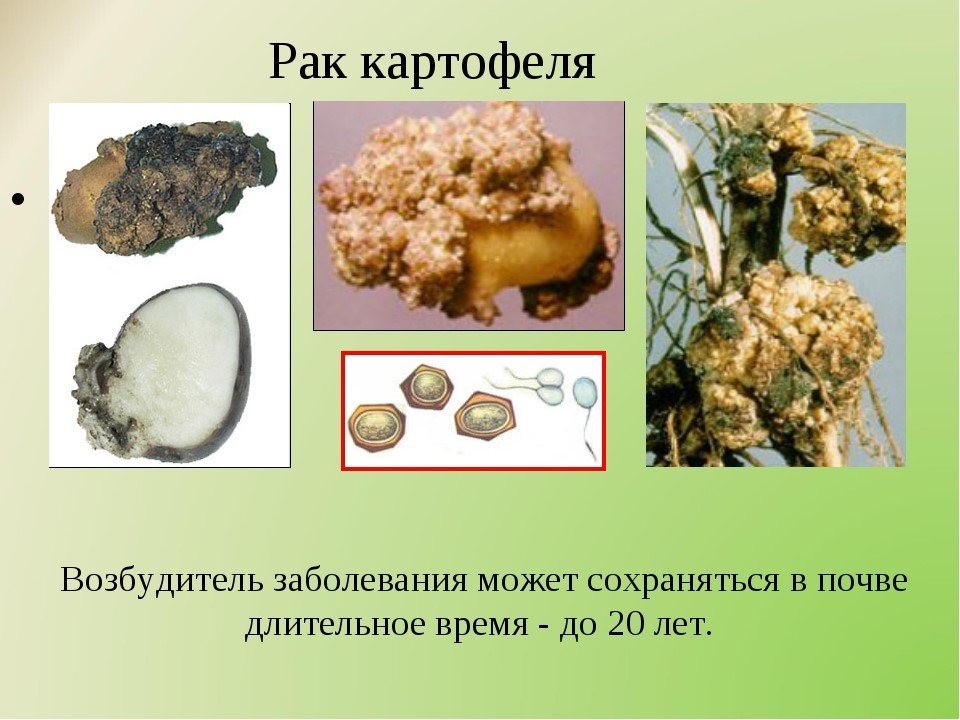
A dangerous disease that renders the harvested crop unfit for further use. It appears as shapeless, dark-brown growths on the top of the tubers. Typically, the green part of the plant is unaffected.
The only way to eliminate the soil-dwelling fungus is to plant resistant varieties for 5-6 years. Already infected plants are completely removed from the field. This disease cannot be prevented with fungicides.
Oosporosis
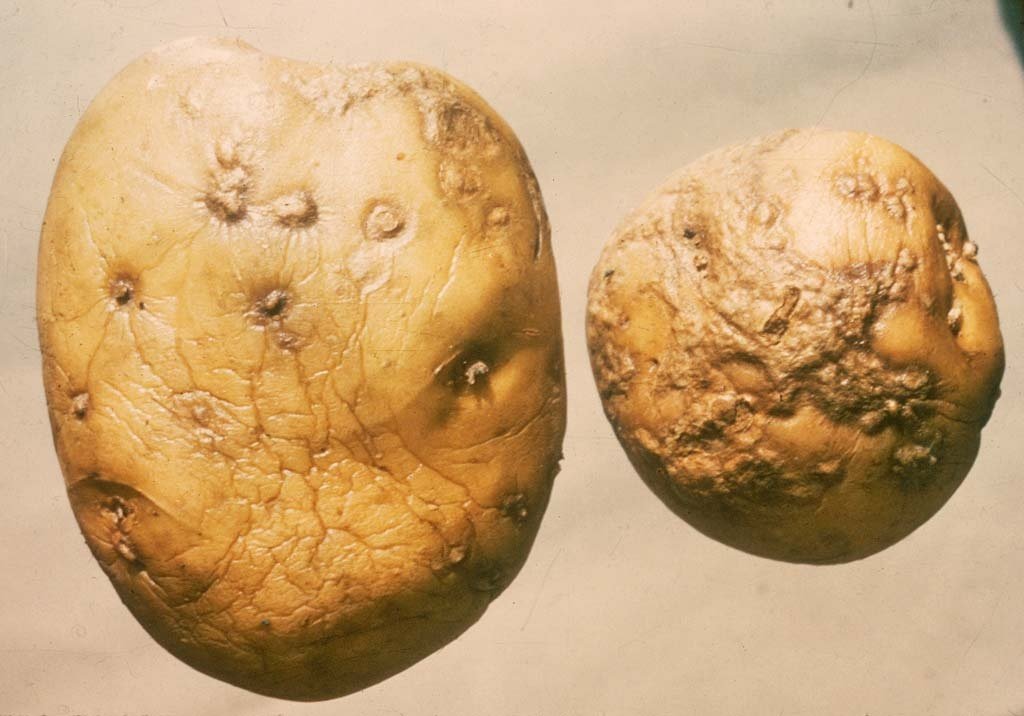
Symptoms of lumpy scab, as the disease is also known, appear during storage of the harvested crop. Vegetables become covered with bumps approximately 5 mm in size. The bumps darken and quickly spread across the entire surface, leading to the death of the buds.
This problem can be avoided by following proper agricultural practices. It is also recommended to treat the tubers with "Maxim" before planting.
Bacterial diseases of potatoes
Pathogenic bacteria that enter the soil where potatoes are grown can cause significant damage to the future harvest. Most often, farmers encounter rots that affect the underground parts of the plant. These vegetables typically become unfit for consumption, and the crop itself is untreatable. We'll discuss the symptoms and prevention methods of bacterial diseases below.
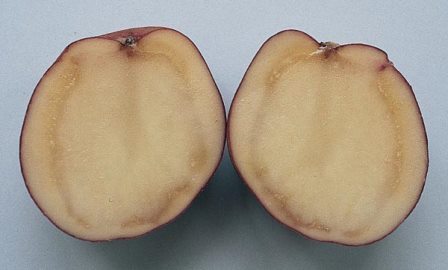
Ring rot
It manifests itself as putrefactive rings encircling the flesh from the inside. By cutting the tuber and squeezing it lightly, a foul-smelling mucus can be seen. The leaf blades become covered with yellowish veins, and when pressed, a light-brown liquid oozes from them.
Ring rot can only be prevented by increasing the dose of potassium-phosphorus fertilizers and treating the tubers with Fundazol.
Brown bacterial rot
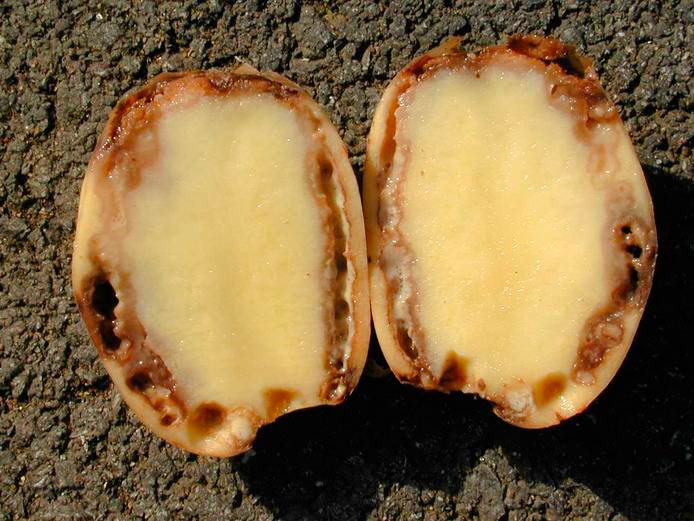
The first symptoms become noticeable only after a couple of years. The above-ground portions begin to wilt, curl, and change color. A dark brown rot actively spreads beneath the skin of the tubers, and water-soaked spots appear on the surface.
As a preventative measure, farmers recommend pre-treating seed with "Benazole" and strictly adhering to crop rotation rules.
Mixed internal rot
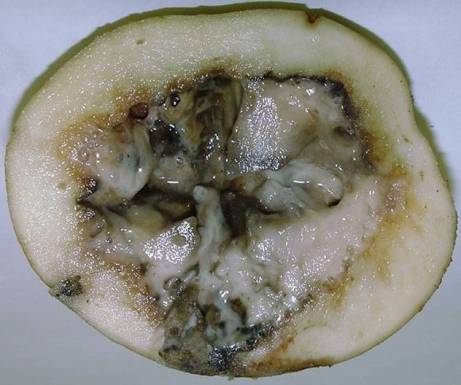
The disease is most often caused by careless transportation or harvesting. Bacteria enter healthy tubers through superficial wounds, causing the vegetable to rot. A rapidly spreading, foul-smelling rot develops on the flesh.
Preventing crop spoilage can be achieved by following proper storage procedures and pre-treating the planting material with Vitaros. The storage area should be treated with copper-containing preparations, and the potatoes themselves should be carefully sorted.
-
- Mixed internal rot
-
- Brown bacterial rot
-
- Ring rot
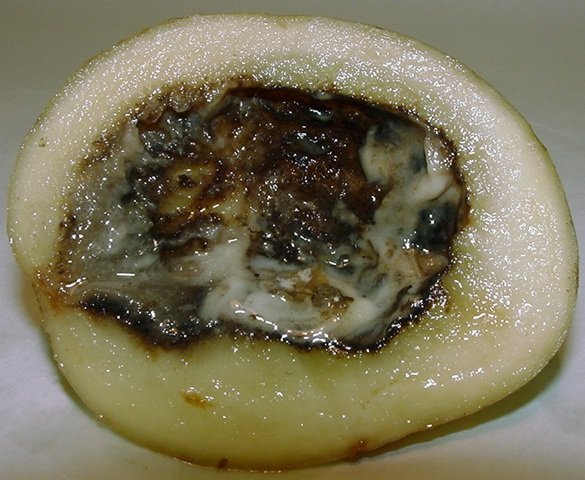
Wet rot
Bacteria thrive in conditions of high humidity and poor soil drainage. However, the disease can also affect harvested vegetables. Vegetables, while seemingly healthy, rot from the inside, becoming unfit for further consumption.
Before sowing, you need to inspect all planting material, soak it in Fundazol, and if the onset of the disease was missed, remove the affected bush from the area.
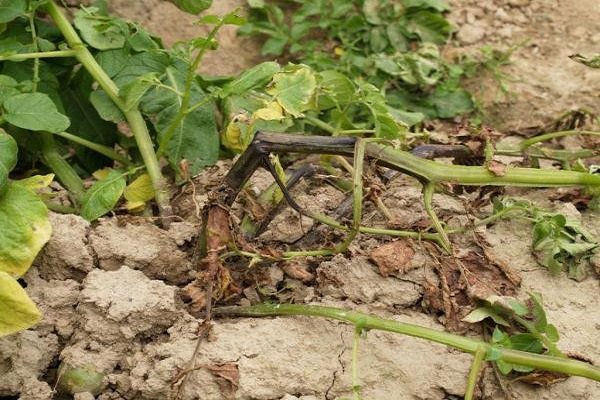
Blackleg
The first symptoms of this disease are the active wilting of the green parts. The basal part of the stem begins to rot, the leaf blades turn yellow, and the bush itself can be easily pulled out of the ground. The tubers become wet, loose, and smell unpleasant, and rot appears.
Proper crop rotation, treatment of planting material with Fitosporin-M, and selection of resistant varieties will help prevent blackleg infestation.
Viral diseases of potatoes
Viruses can be carried by pests or already present in the soil where they're planted. Affected nightshade crops are incurable. The only way to prevent the problem is through prevention. Pathogenic microorganisms are easily transmitted from one plant to another, so already infected potatoes should be dug up and burned.
Common mosaic virus
It appears as yellowish spots covering the leaf blades. Over time, these areas expand, become shapeless, darken, and acquire a dark brown hue.
At the first signs of the disease, you should check nearby bushes for damage and then treat the plants with Karbofos or Chlorhexidine.
Striped mosaic
This disease is characterized by a large number of strains. Potato shoots break easily, leaf blades become covered with variously shaped spots, and the root foliage turns brown.
Striped mosaic can be prevented by timely treatment of plantings and planting material with an aqueous solution of "Karbofos".
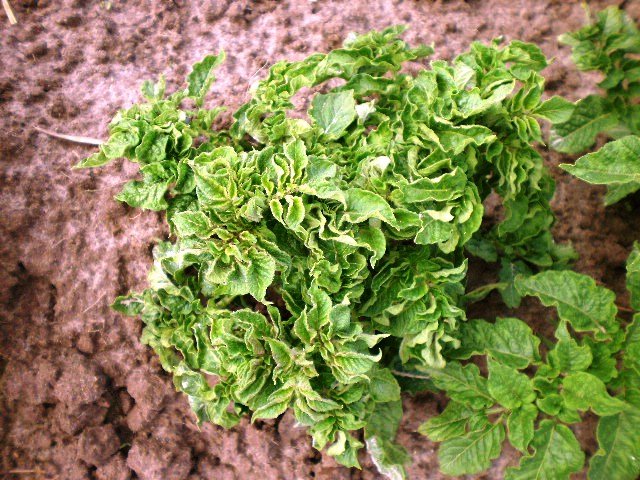
Wrinkled mosaic
The first sign of the disease is severely curled leaf blades, which gradually begin to lose their color, becoming paler. The plant stops growing and fails to produce a harvest.
The only preventative measure is to spray the tubers with a solution of Fufanon or copper sulfate before planting.
-
- Wrinkled mosaic
-
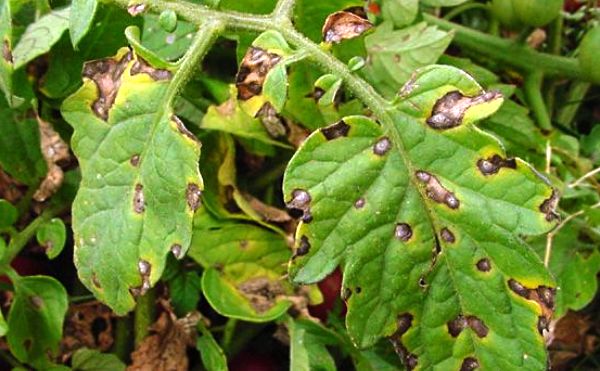
- Striped mosaic
-
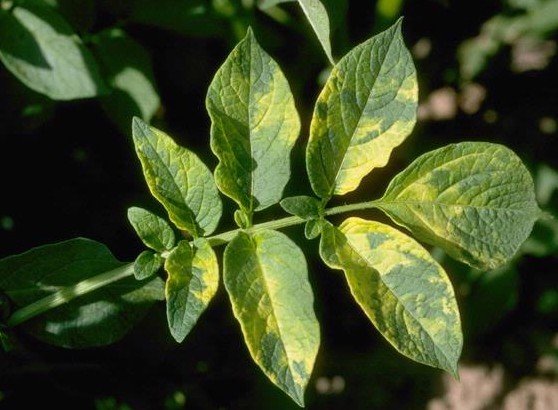
- Common mosaic virus
Tuber necrosis
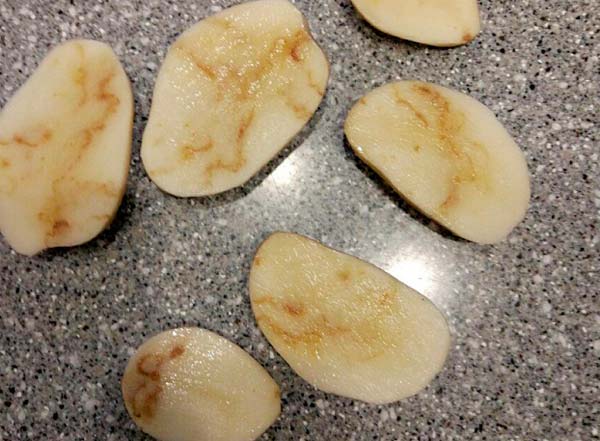
No lesions are visible on the vegetable's surface. Only upon cross-section can necrotic areas appear as a rust-colored mesh. Sometimes, a yellowish, foul-smelling liquid may ooze from the cut site.
To prevent crop damage, potatoes should be planted in suitable soil and all agricultural practices should be followed. Before planting, the tubers should be treated with Planriz.
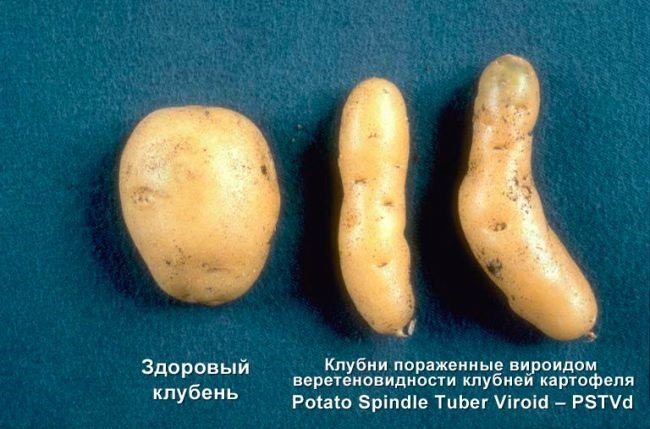
Gothic Tubers
Affected potatoes are immediately visible. They are elongated and irregularly shaped, covered in inky skin, and almost completely covered in eyes. These potatoes are edible, but their starch content is reduced by a quarter.
As a preventative measure, it's recommended to maintain crop rotation, combat insects promptly, and maintain soil balance. Planriz is also effective for disease prevention.
In addition to the causes you already know, there are diseases caused by nematodes—worms that live in the soil. Because of the characteristic root overgrowth, some farmers call this disease wart disease.