
Why do potato tops turn yellow and dry out prematurely?
Content
Reasons
There can be several reasons why potato tops turn yellow. Besides diseases and parasites, the vegetable can be affected by less-than-ideal environmental conditions, nutritional deficiencies, or improper ripening.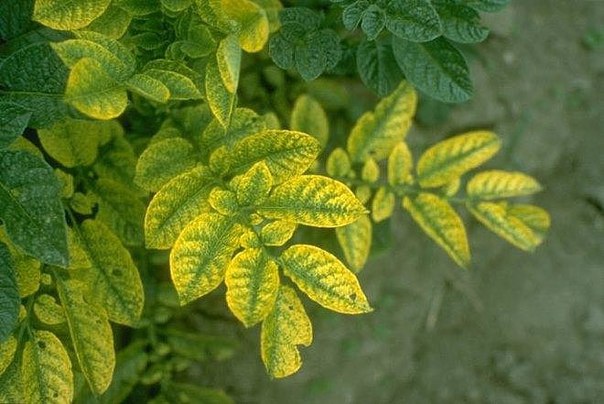
There are many factors that can cause yellowing, drying out, and wilting of the plant. To provide timely assistance to your potato plants and save their harvest, it's important to be aware of all the possible causes.
Video "Diseases and Treatment"
This video will tell you about potato diseases and their treatment.
Fungus
Yellowed potatoes in your garden may be the result of fungal diseases. Experienced gardeners know that such diseases are very dangerous for the crop and, to put it mildly, difficult to treat. Therefore, it's important to combat fungal diseases immediately after the first signs appear. Potatoes are most often affected by:
Phytosporosis. In this case, fungal spores live on the underside of the foliage. Over time, brown stripes appear on the green parts of the plant. This infection quickly wilts and dries out. Potato tubers become covered with dark spots and begin to rot. Harvest yields are sharply reduced.
To combat the disease, you can treat the plants with chemicals during flowering, deeply earth up the plants, and destroy infected parts a week before harvest. Sorting the harvested fruit can also help. To prevent late blight, as a preventative measure, gardeners often plant vegetable varieties that are less susceptible to the disease.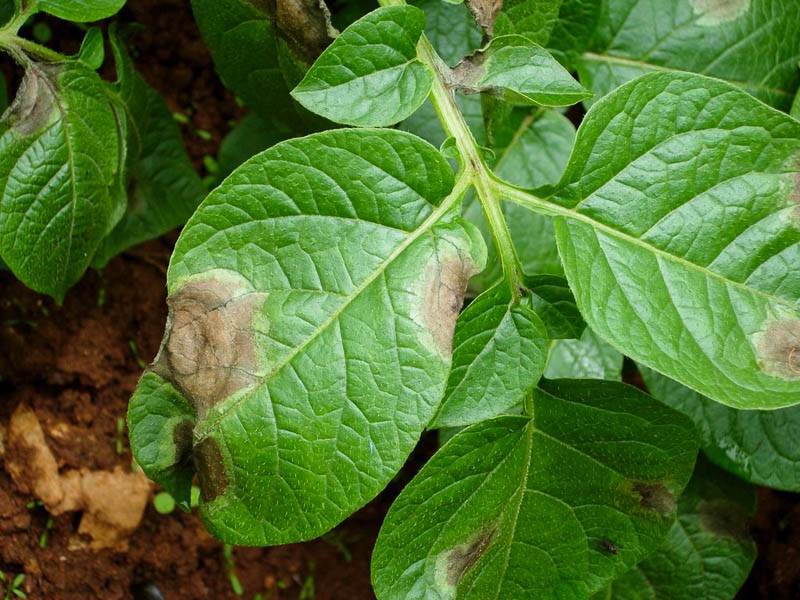
Fusarium wilt. In the initial stages, the lower leaves of the plant wilt, followed gradually by the upper leaves. Afterward, the leaves turn yellow and dry out. Detecting fusarium wilt is difficult, especially in hot and dry climates. Verticillium wilt is also common, characterized by yellowing of the lower part of the plant, followed by wilting and curling. Sometimes, signs of the disease appear immediately after germination, indicating infection of the seed.
The disease can be controlled by pre-treating the plant's seeds. Removing and burning the plant stems before harvesting the vegetables and mechanically cultivating the soil after harvesting the fruit will also help.
Dry spot (Macrosporiosis). Symptoms include elongated spots on the leaves and stems of the plant, which gradually and steadily increase in size. The plant typically dries up and dies. Tubers become smaller, and their number significantly decreases. Control methods are similar to those for late blight.
Ring rot. Excessively humid air and elevated temperatures promote the development of this disease. Symptoms include yellowing of individual stems. The tops of the bushes curl, and the plant itself dries out and disintegrates. A cut stem reveals a ring-shaped rot. Most of the affected crop rots in the ground.
Planting healthy seeds, eliminating infected plants, and treating the area with copper sulfate will help prevent the disease.
Blackleg. This bacterial disease manifests itself immediately after the young shoots emerge. The plant curls and turns yellow. The stems are rotted at the base.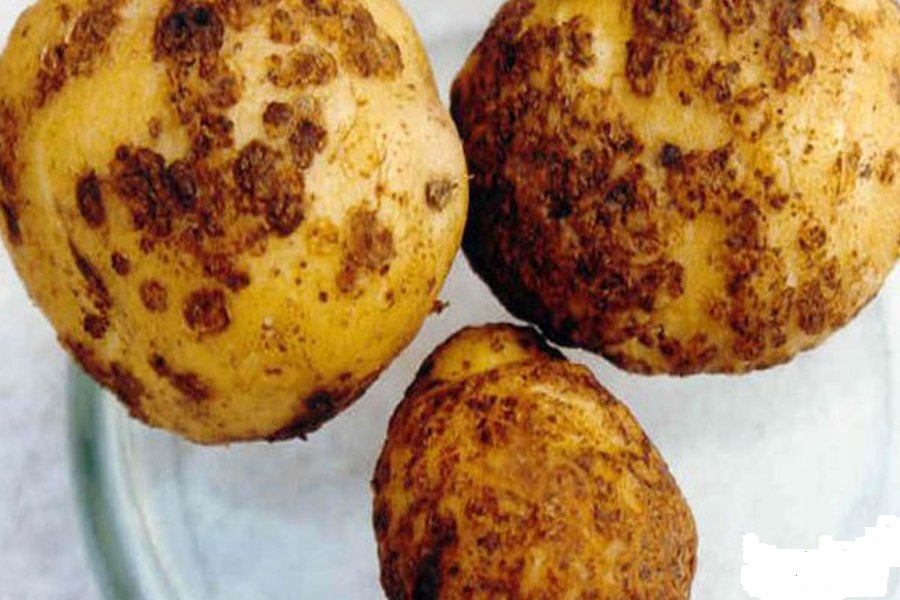
To combat the disease, pre-sort and treat tubers with fungicides before planting. Furthermore, the harvested crop should be dried before storage, and all diseased tubers should be removed. Sprinkling the area with copper sulfate and ash will also help.
Mineral fertilizers
Vegetable leaves can also change color due to a lack of potassium and phosphorus in depleted soil. The main danger of late blight is a reduction in the growing season by half. This significantly reduces yields. Tubers become smaller because nutrients are primarily stored in the plant stems, which are unable to gain the required weight. Typically, one stem corresponds to one tuber. The number of stems can be used to determine the number of main tubers. Accordingly, the weight of the stem can be used to determine the weight of the tuber. However, this is only true for elite potatoes, as degenerate varieties produce more tubers, the quality of which leaves much to be desired.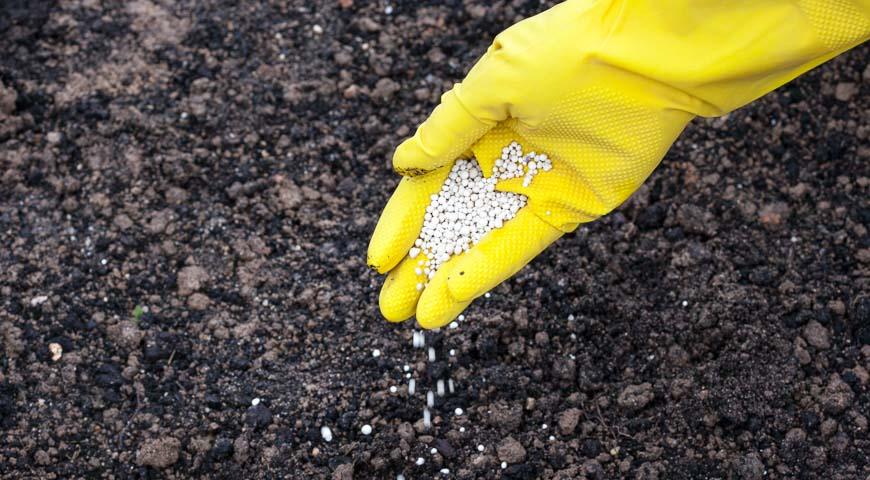
The first sign of nitrogen deficiency in potatoes is thin stems, even under proper watering conditions.
Viruses
Viral diseases are the most dangerous for potatoes, as they are virtually incurable. These diseases range widely, including potato leaf curl virus, alfalfa mosaic, gothic, mottle, and curl. Symptoms of viral diseases include yellow leaves, malformed tubers, stunted growth, early stem dieback, and a sharp reduction in yield. Infection occurs through contact between healthy and diseased plants. They can be transmitted through gardening tools and carried by certain insects. Affected green foliage is destroyed along with the tubers.
There are no chemical methods of protection against viral epidemics. The only option is to plant healthy seeds.
Insects
Every year, gardeners suffer significant damage from parasitic insects. The most common are wireworms, potato flea beetles, leafhoppers, and others.
The most dangerous beetle is the Colorado potato beetle. Females lay their eggs on the underside of potato leaves. Young beetles actively feed on the tops of potato leaves, causing the plants to dry out, turn yellow, and wilt. Larvae and adults can destroy all the tops in a short period of time.
You can protect your plot by manually collecting and destroying pests. Planting calendula, legumes, and beans near potatoes will also help. Insects can also be killed chemically: infecting the bushes with bacteria (such as bitoxybacillin or beauverin) or treating the bushes with special preparations.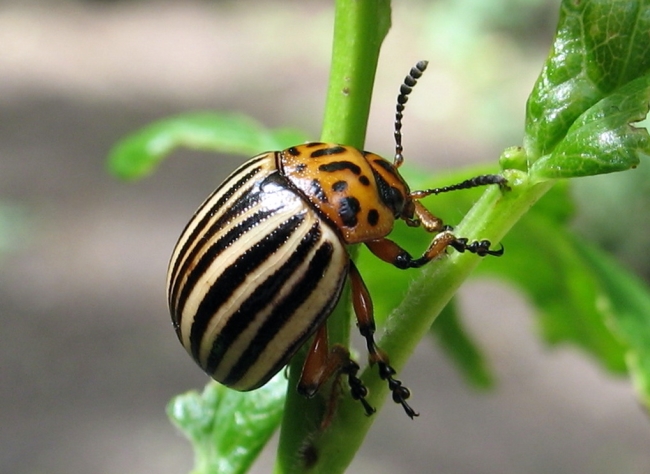
So, yellowing potato tops is a serious problem caused by a number of factors. It can only be overcome by clearly identifying the cause of the discoloration.
Video "Pests"
This video will tell you about potato pests and insects.