
Methods of treating potato scab
Content
Forms of scab and signs of damage
Scab can manifest itself in several forms:
- Common scab. This form of the disease is the most common. The pathogen of this type thrives in calcareous soils and high humidity. Common scab often appears in soil rich in organic matter, so it's important to alternate fertilizers.
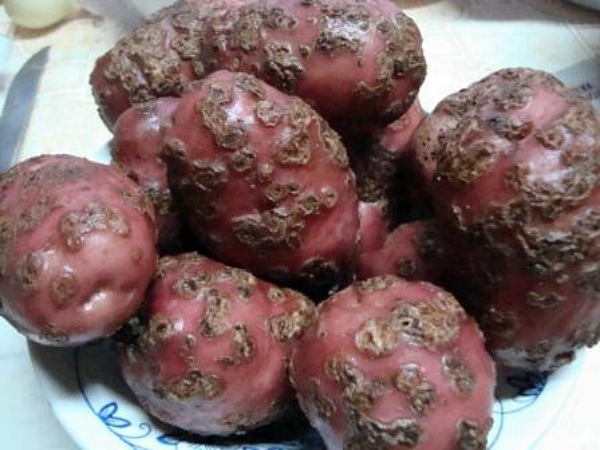 Scab is easy to detect, as it manifests as small but noticeable ulcers that gradually enlarge and form a "plug" on the tuber surface. Despite its prevalence, the common form does not affect all vegetable varieties. The most resistant varieties are 'Berlichingen,' 'Priekulsky,' and 'Kameraz.' The disease can be controlled by incorporating additional care into standard care. Before eliminating scab, preventative measures should be taken on the tubers. Spraying them with 'Nitrafen' or 'Polykarbacin' is sufficient. Germinating seedlings in the light is quite effective. Water the plants immediately after planting. Watering should be stopped when the stems reach a width of 1.5 to 2 centimeters.
 - Powdery scab. This form is common in waterlogged soil. Clumps of microorganisms can move through the soil and reach the plant roots. The main sign of this type of scab is gray "warts" on the tubers. The skin cracks at the affected areas, facilitating the spread of the disease. 'Lorch,' 'Yubel,' 'Cardinal,' and 'Majestic' varieties are virtually immune to this disease. The powdery form typically attacks the root system and trunk. Tubers are also susceptible to late blight and dry rot. Before transplanting, seedlings should be soaked in a formalin solution for 7 minutes. After this, the young plants are covered with a tarp for several hours.
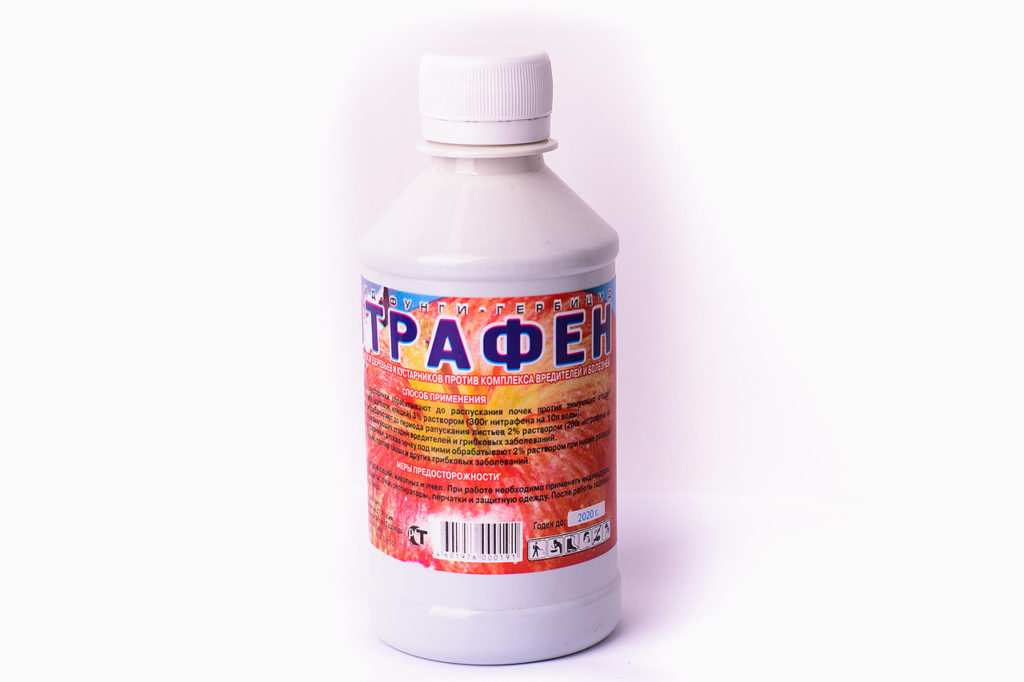
- Silvery. This form is characterized by the appearance of brown spots on the tubers or the formation of small areas of "black soot." After some time, the root skin peels off, and the spot turns gray. The fungus thrives in high humidity and warm temperatures (around 21°C). The disease negatively impacts yield. Affected roots shrink in size even during storage. During this period, gray mold spots may appear at the site of the warts. Crops growing in loamy and sandy loam soils are most susceptible to this disease. Before planting, tubers should be treated with a pesticide. Chemical treatment of potatoes should be carried out after harvesting and before storage. Nitrafen, Botran, Titusim, and other chemicals are commonly used for this purpose.
- Black. This form of the disease is also called rhizoctonia. The pathogen thrives in high humidity. It typically attacks crops during late, very wet springs. Signs of rhizoctonia include dark, deep spots that are difficult to remove from the surface of the tubers.
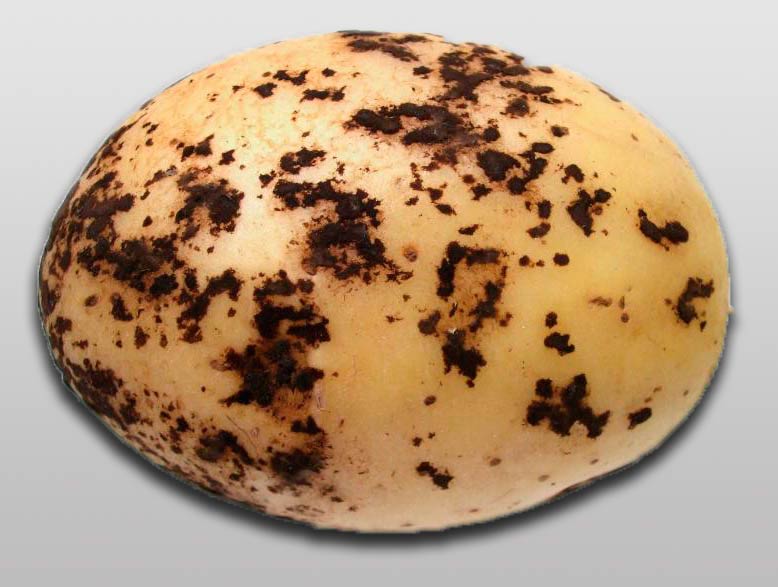 The main danger of this type of scab is that it can attack potatoes even during germination. These seedlings die or develop with damaged stems and curled upper leaves. The causative microorganism prefers loamy soils. This potato disease is dangerous because there are no resistant varieties. Therefore, special attention should be paid to prevention. Treat the tubers with Integral, Baktofit, Vivatax, and a number of other agents. Plant seedlings should be planted 0.07 meters deep in sandy loams, up to 0.11 meters deep in loams, and 0.12 meters deep in peat soils. Furthermore, young seedlings should be planted in their permanent location in warm soil (approximately 8°C). Mineral and organic fertilizers in higher than recommended amounts prevent rhizoctonia.
Video "Characteristics of the disease"
From this video you will learn how dangerous scab is for potatoes.
Methods of prevention and treatment
Different forms of scab are caused by different fungal pathogens, but their effects are the same. If your plot shows no signs of the disease, that doesn't mean it won't reappear next year or the year after. Therefore, disease control involves both treatment and prevention.
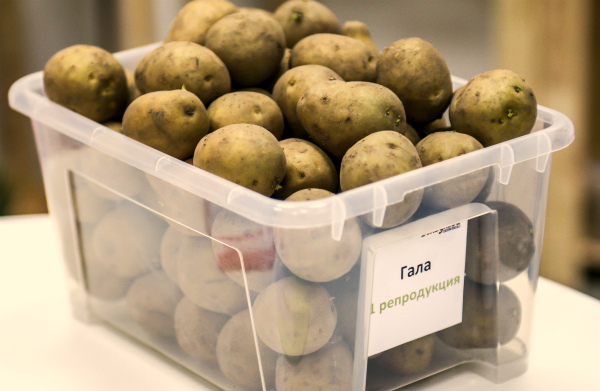
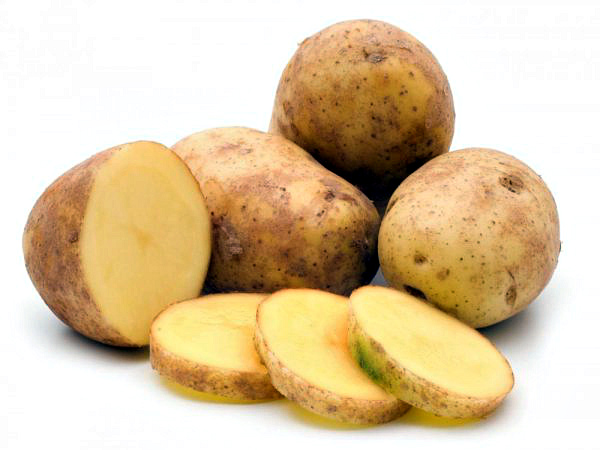
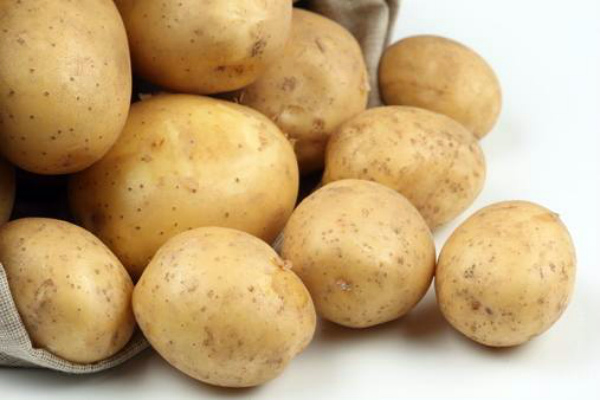
First, pay close attention to your potato planting material and seedlings. Choose healthy specimens for planting. Before planting, the tubers are treated with special preparations. If the planting material contains slightly affected tubers, the crop should be watered vigorously during flowering. Using copper, manganese, and boron during planting significantly reduces the risk of scab.
Potato scab will be less likely to attack your crop if you rotate your potato planting sites annually and alternate them with your legumes. If your area doesn't allow for frequent planting rotations, then at least avoid fertilizing the soil with fresh manure.
If the soil in your area is alkaline, acidify it with an ammonium sulfate solution (2 tablespoons per bucket of water). During flowering, each bush will require half a liter of solution.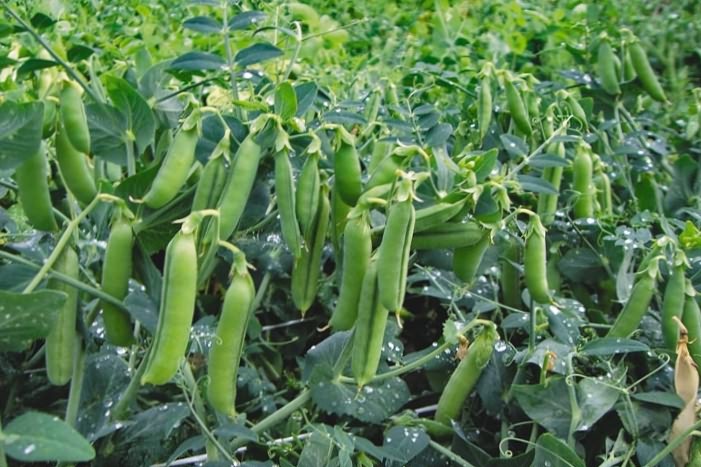
Two weeks before harvesting, it is worth destroying all green parts of the plant, as this will help the potato skin to strengthen.
After harvesting, it's advisable to plant green manure. This will help the soil "recover" and enrich it with nutrients. Green manure can be cereals (wheat or rye), legumes (peas, lupines), or cruciferous plants (rapeseed, mustard).
In addition, it's important to monitor the condition of the storage area. It shouldn't have high humidity or heat.
Zircon can help slow the spread of the disease. It's most often used during the period when buds are forming on the plant. Zircon is an excellent growth regulator. Even one application can significantly increase yields.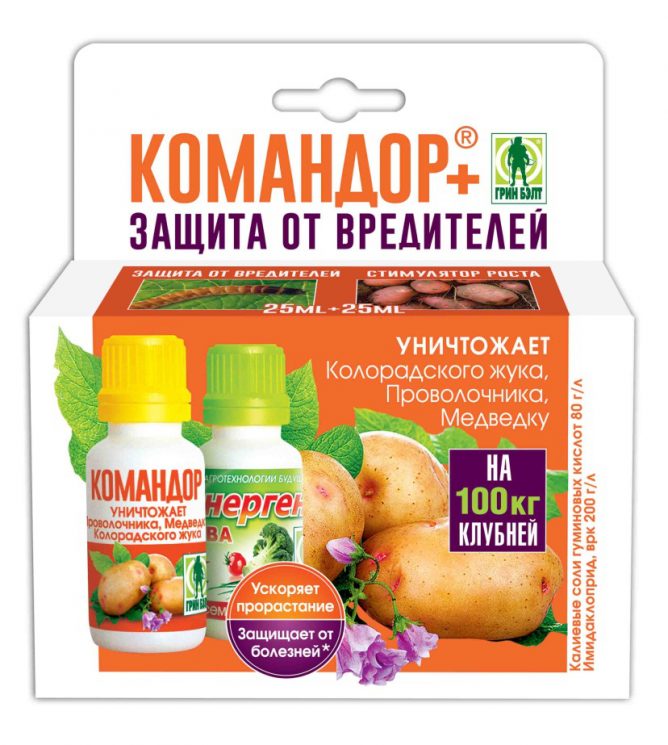
Potato scab: how to combat it? You can reduce the incidence of the disease and the severity of damage to potatoes by using the FitoPlus preparation. It is applied to planting material. The solution is usually sprayed on the crop during the growing season. One packet of the chemical is sufficient for 3 liters of water.
Highly resistant varieties
If all preventative measures fail to produce the expected results, consider changing the potato variety. While there are no potato varieties completely resistant to scab, there are some that actively resist the disease.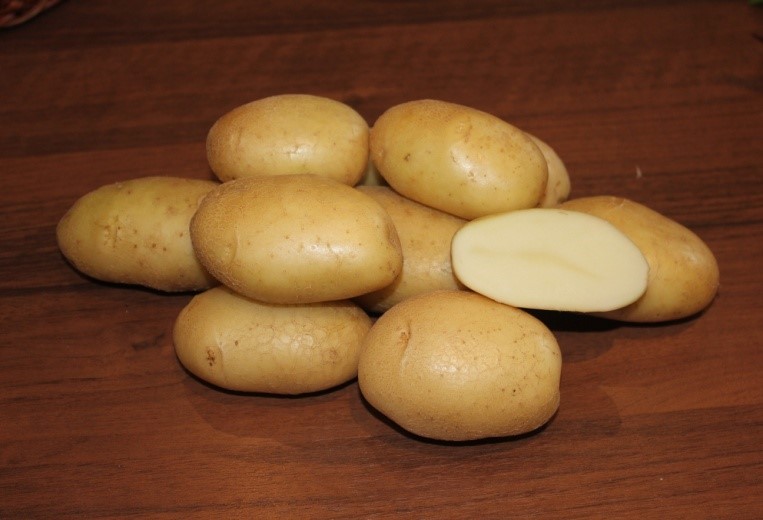
Domestic varieties include Bryanskaya Novinka, Ramenskiy, Varmas, Vestnik, Vilnya, Vyatka, Lyubimets, Prasna, Rodnik, Skoroplodny, and several others. Varieties bred abroad include Alfa, Element, Krostotr, Ostara, Prevalent, and Saturn.
When growing highly scab-resistant varieties, don't neglect preventative measures. Only then will the harvest be tasty, abundant, and nutritious. Also, be sure to consider the growing conditions and soil composition of the crops.
Video "How to Fight"
This video will show you how to combat potato scab.