
Treating potatoes against wireworms and Colorado potato beetles
Content
About pests
The Colorado potato beetle ranks first. People have devised numerous methods and products to control and get rid of them, but nature has endowed these creatures with such properties that each year they adapt and become accustomed to chemicals, eating and destroying a significant portion of the crop. Therefore, the fight against the Colorado potato beetle and its effective means are always on the lips of interested parties.
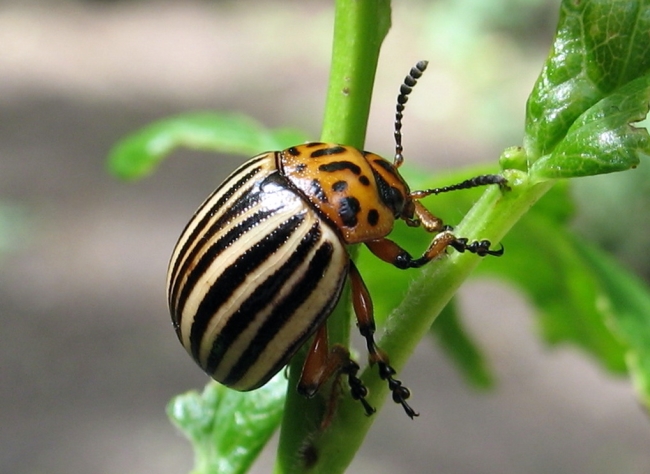
The name of this insect is associated with one of the US states. But in fact, they are completely unrelated. The word "Colorado" comes from the Mexican language and refers to the insect's coloring. Until the 20th century, our latitudes were unaware of such a scourge. According to various historical accounts, the Colorado potato beetle was brought by soldiers during the First or Second World Wars.
This period is considered the beginning of the beetle's spread across Europe and Asia. In the first years of its widespread spread, it devoured many a nightshade crop. For decades, it has been devouring and destroying the labors of many. Efforts to eradicate it have not yet achieved their goal, and both specialists and ordinary gardeners continue to struggle.
The wireworm's common name refers to several stages of the insect's development, spanning a total of five years. These stages include larvae, pupae, and the click beetles themselves. Areas where larvae have been observed are 100% likely to contain other forms of the insect. Therefore, control must be comprehensive. Wireworms feed not only on potatoes but also on many other crops. Getting rid of this harmful neighbor in your garden and allowing your plants to thrive is a great success and a victory for the gardener.
Wireworm biology
As mentioned, the click beetle has three forms and develops over the course of five years, sometimes less. It begins its life cycle when the soil begins to warm up, usually in early or mid-May. After the first warm rays of sun, the female beetles emerge to the surface and lay eggs.
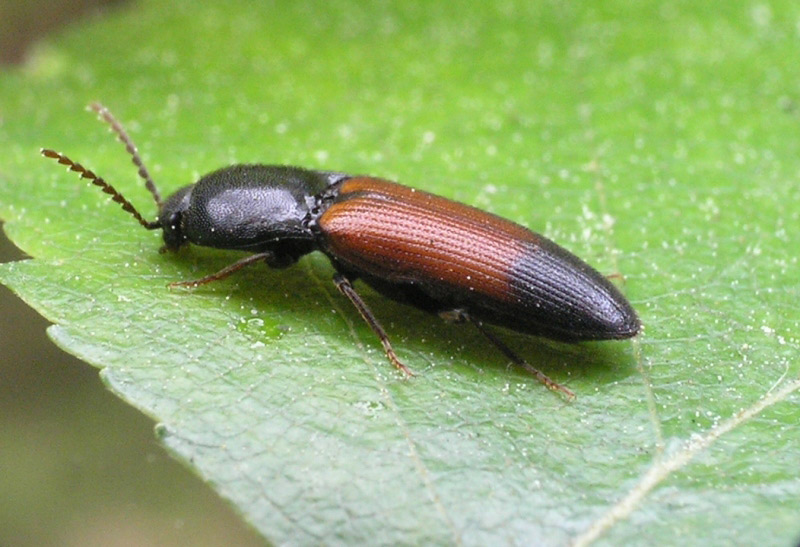
Because these creatures prefer damp and shaded areas, they often appear there. Another peculiarity: for these insects, creeping wheatgrass is like the most delicious dessert for us. Therefore, try to get rid of this weed and promptly remove it from the soil, even the smallest roots. Special products can be used for this purpose.
New wireworm eggs are laid at a depth of 1 to 3 cm. They hatch for 2 to 3 weeks. After this, the larvae emerge, posing the most serious threat to crops. The insects remain in this form for approximately 4 years. After this time, the larva pupates and transforms into a click beetle. This process occurs at a depth of 10 to 15 centimeters in mid-summer. It takes about 20 days.
The larva, which causes the most damage, eats everything in sight. It damages roots and rhizomes, the parts of the stem that are buried underground, root fruits, and tubers. This becomes most noticeable during harvest. The condition of the potato crop is determined by the amount of wireworm in the soil. Control is quite difficult, but ultimately, it is possible.
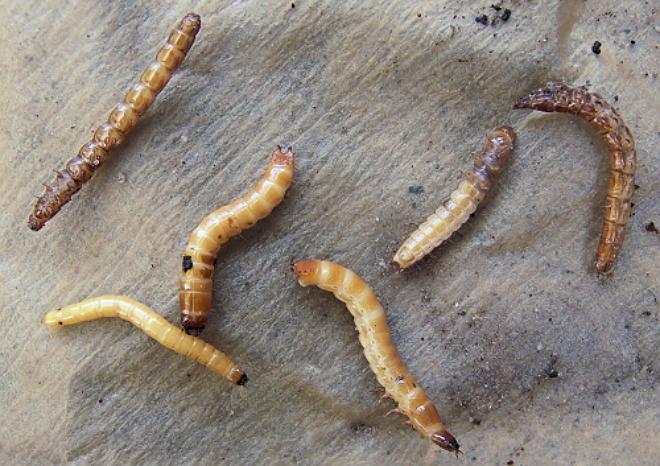
Wireworm larvae reach up to 2.5 cm in length. They are very hard to the touch, hence their name. They can come in a variety of shades, ranging from yellow to brown. Their eggs are also easy to identify – they are oval-shaped, smooth, and white, measuring 1-1.5 mm.
Biology of the Colorado potato beetle
The Colorado potato beetle's developmental stages are less complex, but control can still be difficult due to certain nuances of its instincts. When the sun begins to warm, adult beetles that have overwintered in the soil begin to emerge. The females, fertilized in the fall, immediately begin laying eggs on the underside of the first suitable leaf.
The eggs are orange, very small, and usually lay 20-30 eggs in a single spot. Over the course of a summer, a female lays approximately 600 to 700 eggs. This is a significant number, making it quite difficult to control.
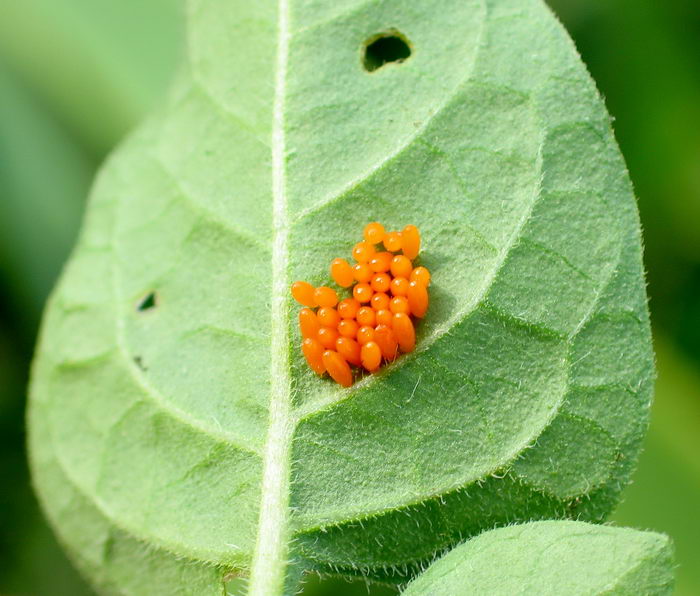
A few weeks after the eggs are laid, the larvae form. This occurs approximately around the time of potato flowering. Initially, they are less than 2 mm long and dark brown. They then grow and turn bright red. The larvae increase in size through the stages. By the fourth stage, they reach a maximum size of 1.5 cm.
This is when they are most dangerous. The larvae eat everything in sight, and very quickly. They then hide in the ground to pupate and emerge as adult beetles. This process takes approximately two weeks. The best time to kill them is during the first and second larval stages.
At this time, they are most susceptible to chemicals, and you can confidently hope for, if not complete, then complete eradication of the beetle. If you're concerned about the amount of chemicals in your future harvest, it's best to avoid using pesticides during flowering.
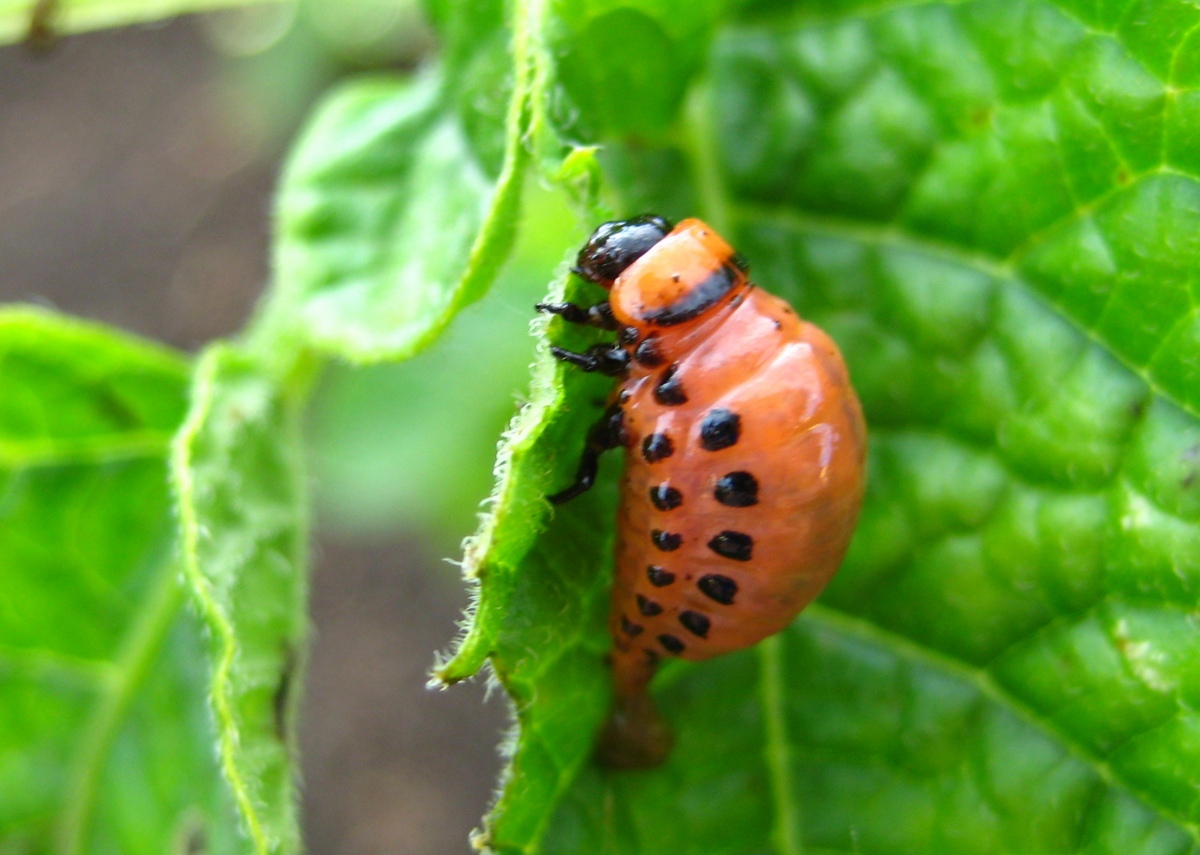
A characteristic feature of these pests is their ability to withstand environmental influences. They can adapt to different temperatures and adapt their offspring to the pesticide used against them. Therefore, insecticides should be rotated rather than relying solely on a single product.
Another characteristic is that adult beetles, when exposed to unfavorable conditions or simply on a whim, can hibernate in the soil. This hibernation lasts from one to two and a half weeks, after which they reappear. This creates a kind of rotation that ensures the survival of the population. Therefore, a single treatment with a pesticide is not enough to completely eradicate all the beetles. Experts recommend using chemicals before flowering.
Video: "Colorado Potato Beetle: 8 Chemical-Free Removal Methods"
A video about how to successfully combat the Colorado potato beetle without the use of chemicals.
What medications will help?
The fight against the Colorado potato beetle, which reduces crop yields, has long been fought by both experienced farmers and ordinary gardeners. Therefore, a wide range of products are available. The most popular include Regent, Dursban, Sonet, Decis, Sherpa, Colorado, Novodor, Kinmiks, Rovikurt, Bitoksibacillin, and others. As already mentioned, it is not recommended to use the same product every year. It is best to combat the beetle by rotating the products.
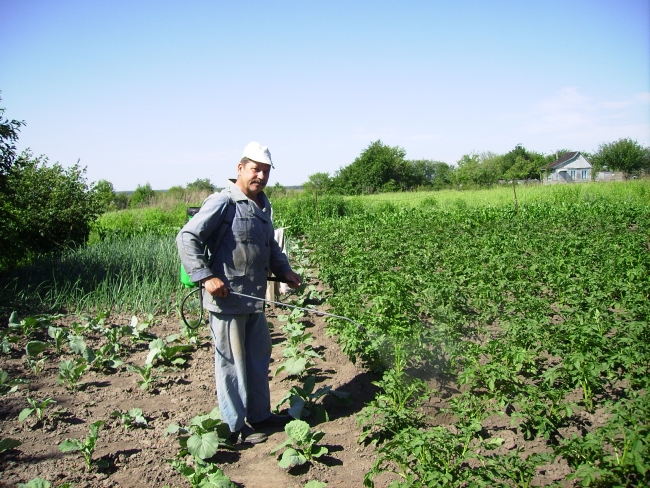
After using chemicals, not only the target of the treatment is eliminated, but also other organisms that are beneficial and necessary in the soil. Therefore, overuse of such treatments is not recommended. Two applications, when the beetle is most active in feeding on potatoes, are sufficient.
The question of whether it's safe to spray potatoes during flowering is a hot topic. Opinions differ wildly on this point. Flowering is considered a crucial stage in tuber formation, so many gardeners categorically oppose the use of pesticides during this time.
On the other hand, ignoring the Colorado potato beetle during flowering can significantly reduce yields. A compromise exists in the form of a product that can be used during flowering. It does not affect the quality of the tubers.
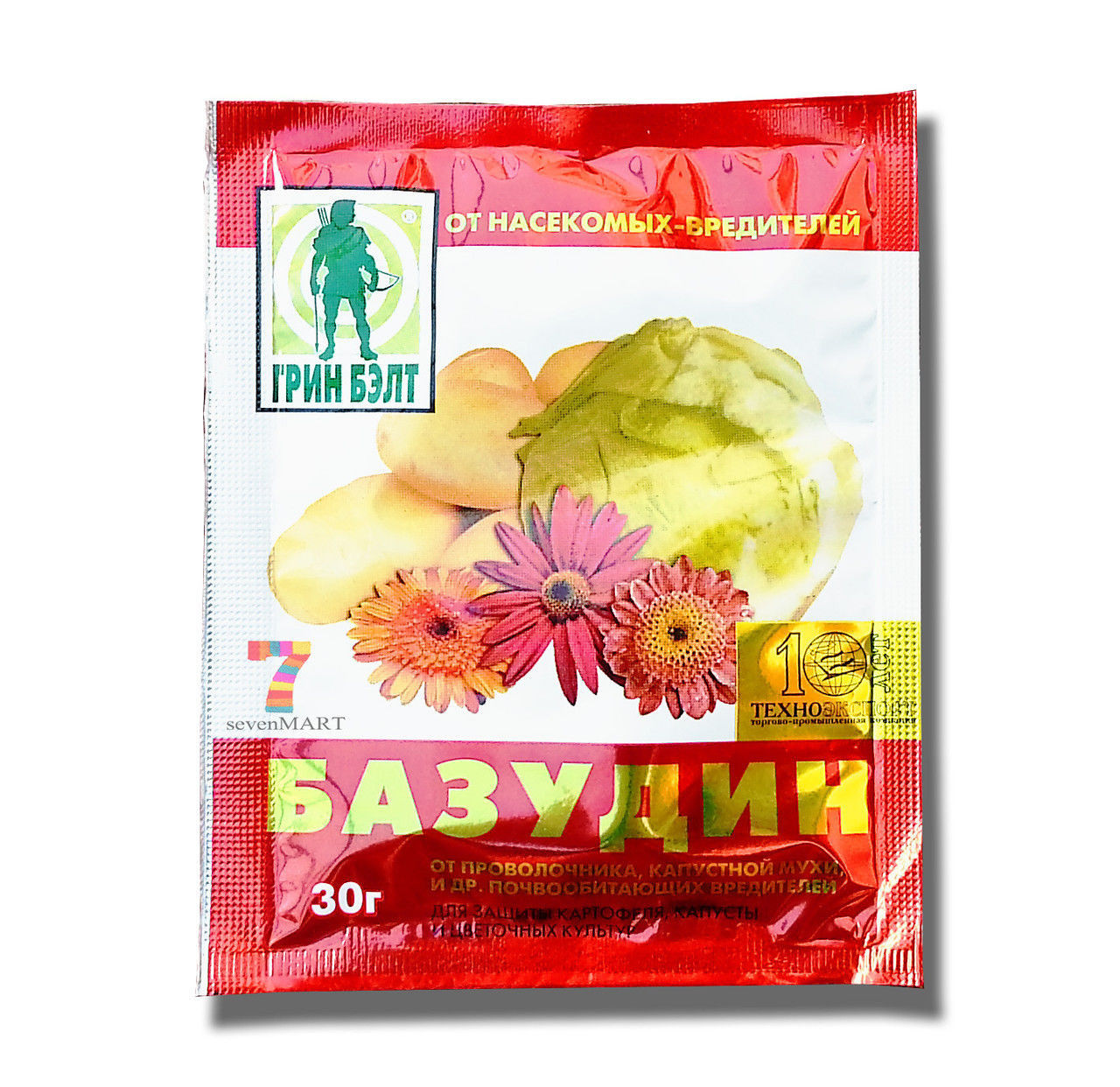
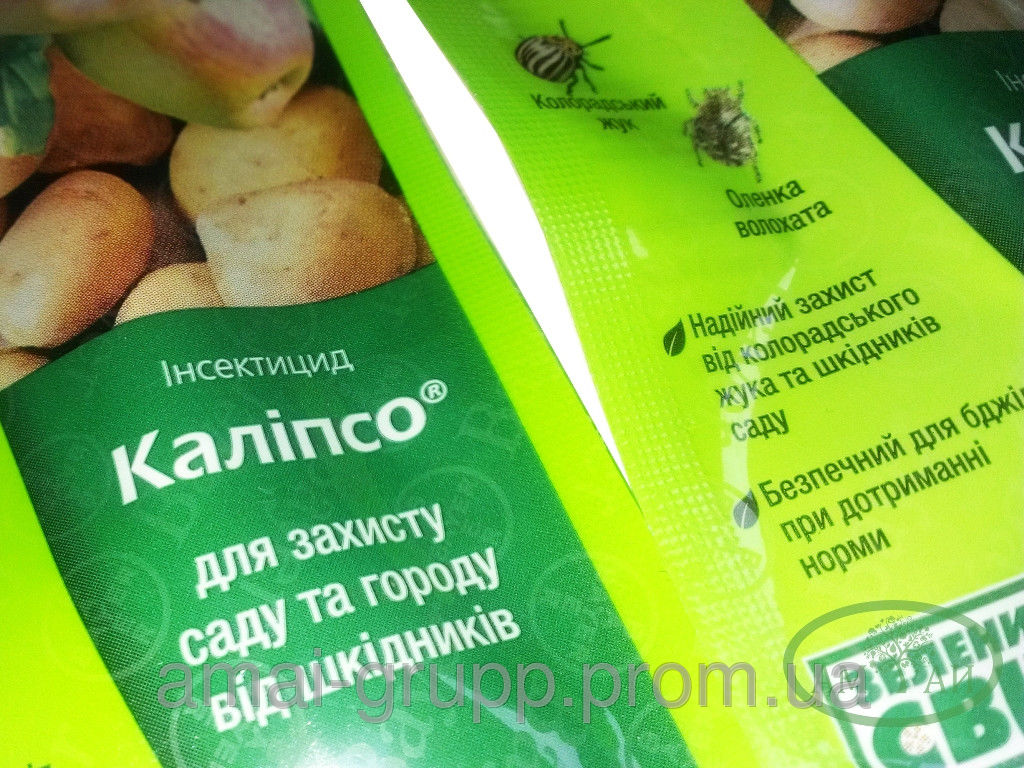
Bazudin, Calypso, Diazinon, Gromoboy-2, Provotox, and others are used to kill wireworms. Each of these products has its own method of attacking the pest. For example, Nemabact contains a type of roundworm and bacteria. The worm penetrates the wireworm and consumes its insides.
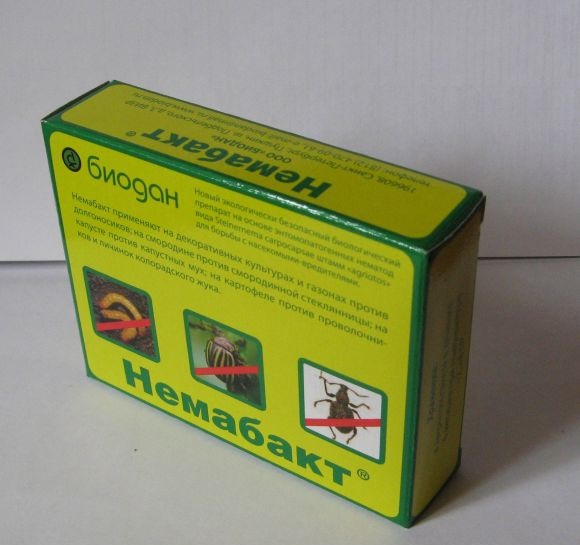
However, it does not harm earthworms, which are beneficial to the garden. It is also safe for animals and humans and can be used safely. It is best to avoid using these products during the flowering period.
Processing technology
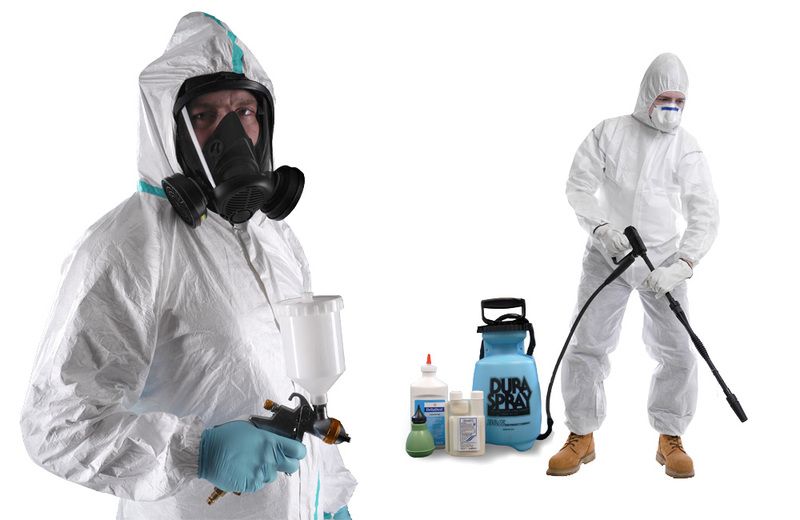
Treating wireworms and Colorado potato beetles with chemicals must comply with all safety regulations. The active ingredients in these products can be harmful to health or cause chemical burns to the skin.
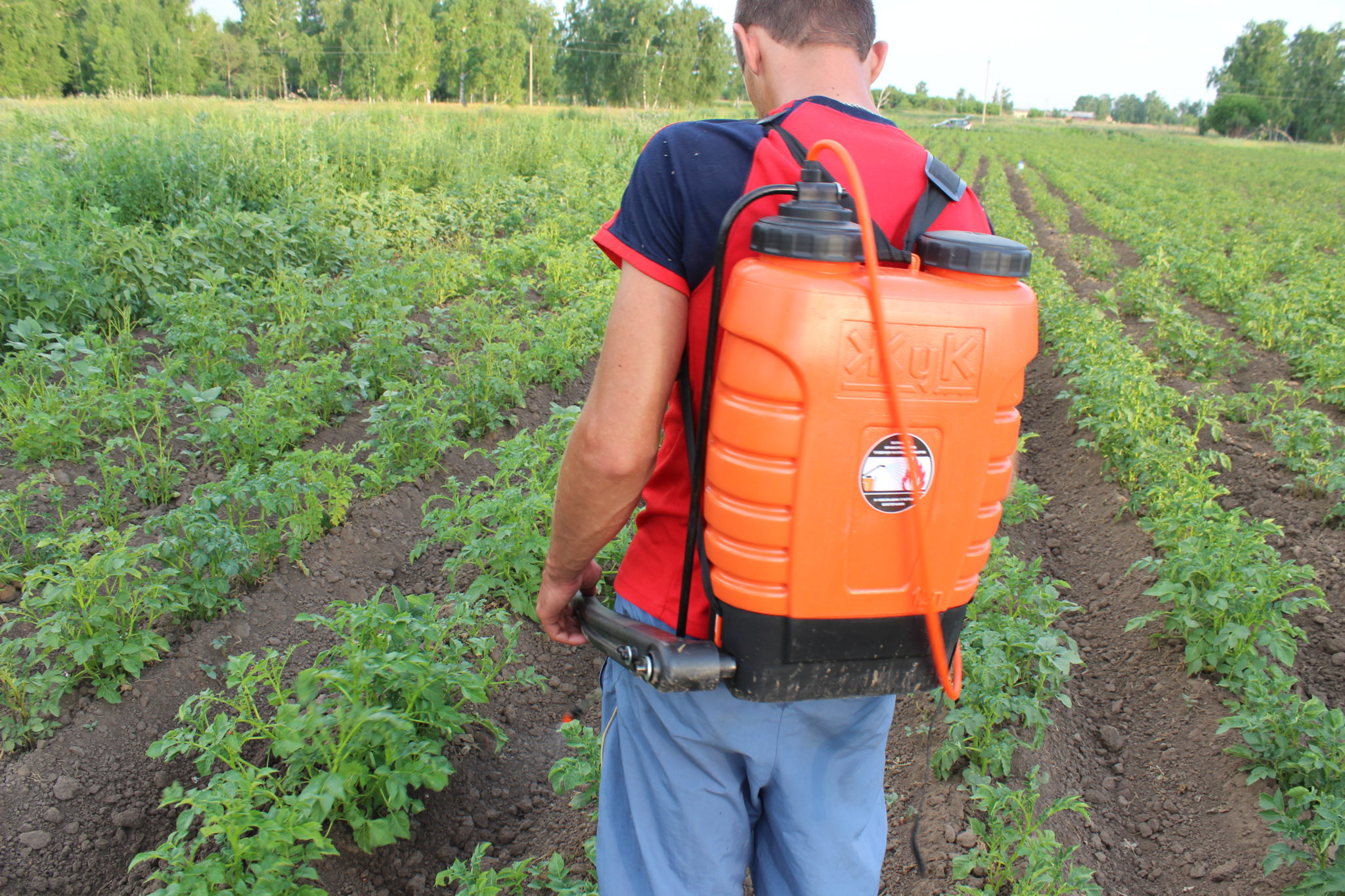
As mentioned earlier, potato flowering is a special stage, so read the product instructions carefully. Respiratory protection is also essential. Follow these guidelines:
- Any work with chemicals is strictly prohibited for young people under 18, as well as pregnant or breastfeeding women. The poison is hazardous to health.
- During the procedure, drinking, eating, and smoking are prohibited.
- Insect control should only be done with specialized equipment. Brooms, watering cans, or other methods not intended for this purpose are not suitable.
- The best time to process potatoes is early morning or evening; windless weather is a must.
- After spraying, be sure to wash your face and hands thoroughly with soap and rinse the outside of the tank with clean water. Afterward, you can and should even take a shower.
- It's best to leave the garden bed undisturbed for two or three days after the procedure. Any weeds removed should be burned away and ensure they don't become livestock feed.
- Be especially careful if you have an apiary. Before spraying, remove it 4-5 km away and leave it for 6 days. If you have special protection, you can use it.
- Potatoes should be treated for Colorado potato beetles 20-30 days before harvest. Alternatively, you can follow the instructions on the product if they specify a different time. Manufacturers typically consider the time when the Colorado potato beetle is most active in feeding on potatoes.
Video: "The Most Effective Way to Control the Colorado Potato Beetle"
The video shows a very simple and effective method for eliminating Colorado potato beetles on potatoes without treatment.