
How to prevent and combat late blight on potatoes
Content
Symptoms
The first step to defeating the pest is to correctly and promptly diagnose the presence of fungal microorganisms. This is fairly easy to do: a dark coating appears on the potato leaves. These are the first warning signs, prompting immediate and drastic measures. If left untreated, the infection will spread throughout the plant, and eventually it will wither away completely.
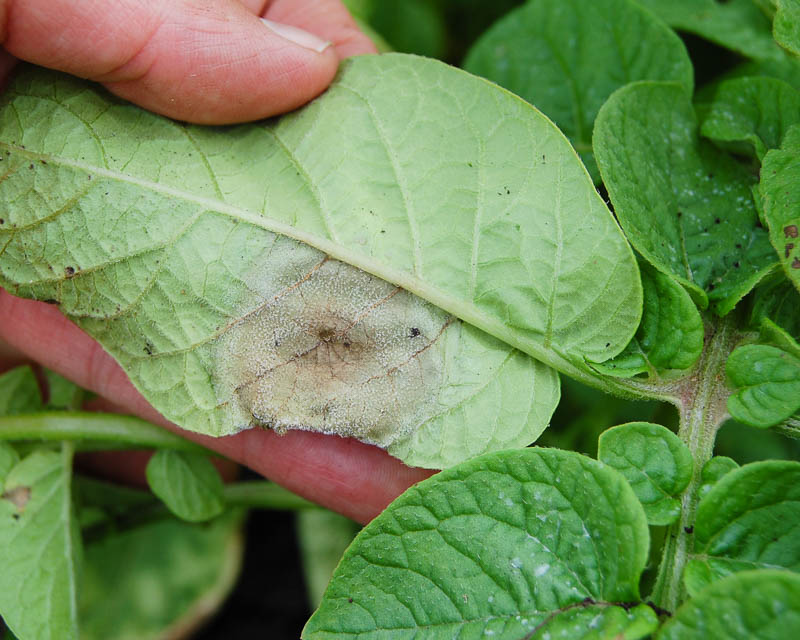
It's also important to pay attention to the inside of the leaf. If the potato is infected with late blight, a whitish, slightly fluffy coating will appear there. Be vigilant even during the first sprouts. Infection is possible early in the development of the disease.
Just a few decades ago, infestations occurred only in mid-summer or late summer. These timings are shifting due to the adaptation of harmful microorganisms to control methods. New strains are emerging that are more resistant to medications and manifest themselves much earlier.
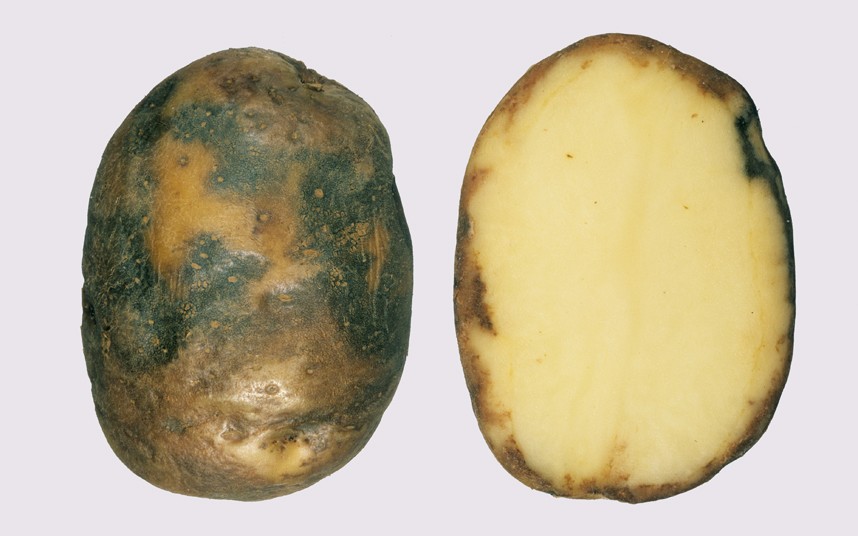
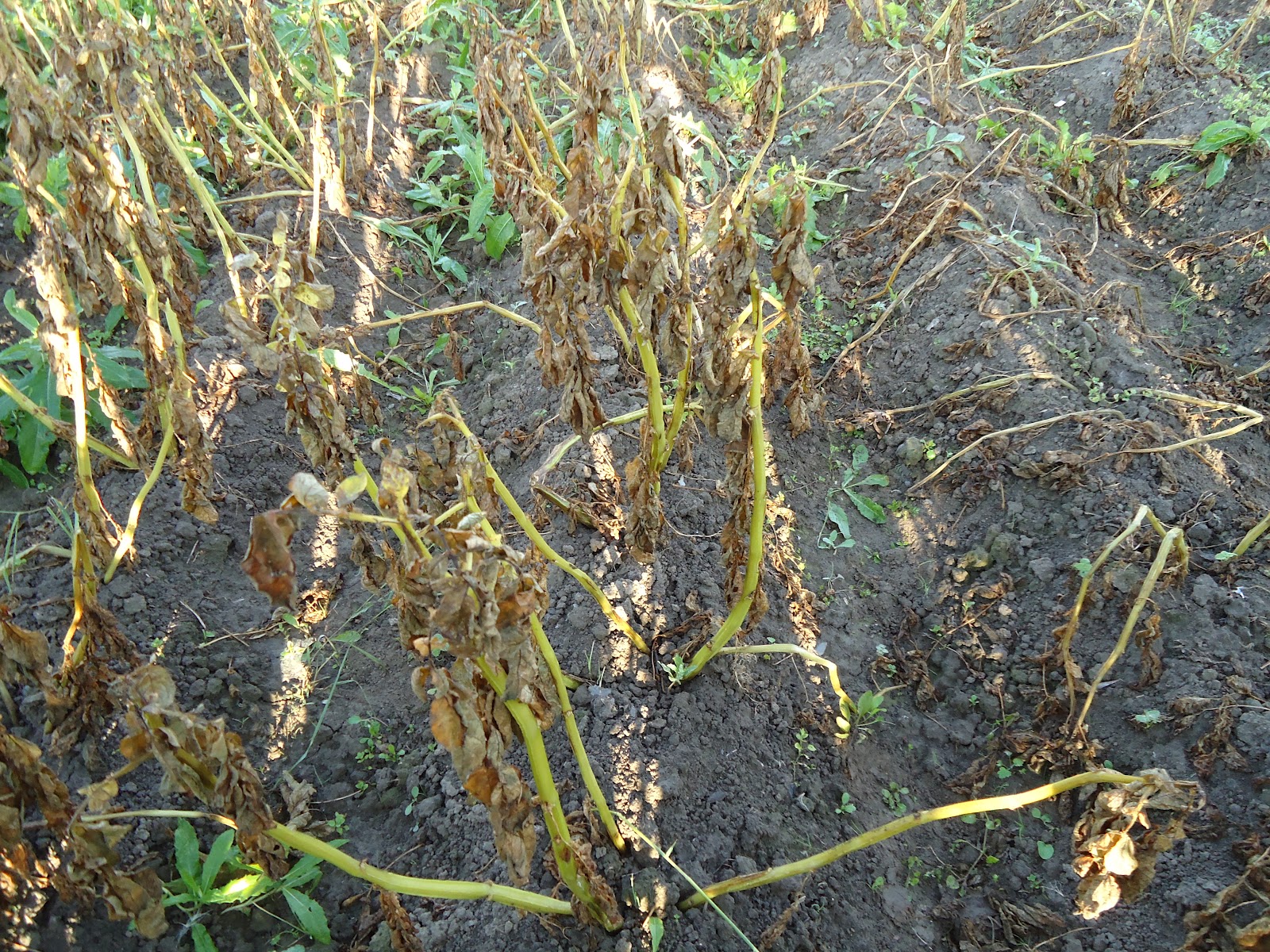
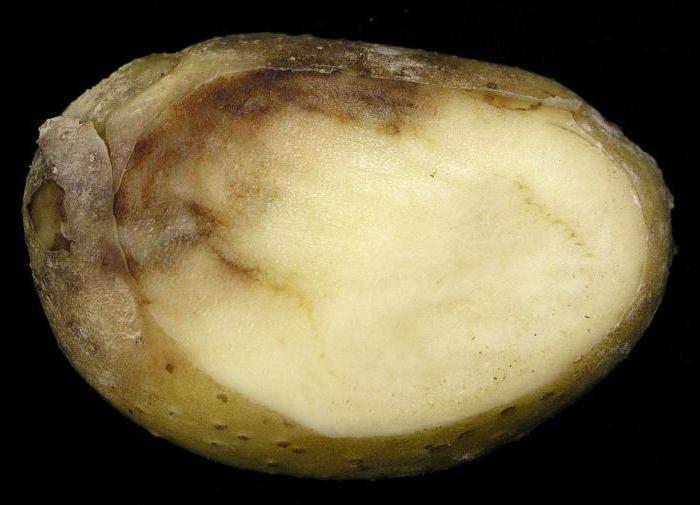
The first symptoms of late blight on potato tubers are grayish, pinpoint spots. These then spread to the entire fruit, taking on a brownish-red tint. Eventually, they may develop soft rot or remain infected throughout the winter, but not completely die. Before planting, such tubers should be sprayed or dipped in copper sulfate. Sometimes, the center of the fruit may be affected, and this is only discovered in winter.
Routes of infection
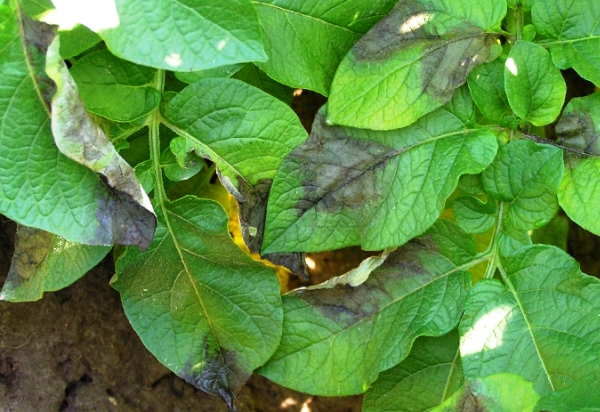
There are many ways for potatoes to spread and become infected. This fungal microorganism is quite resilient and difficult to control. It can withstand low soil temperatures during winter and will reappear in new plantings. The most common infection routes are:
- The presence of a fungus on planting material. This occurs when tubers for planting are not carefully selected, and infected tubers are allowed to grow. In this case, the disease quickly spreads to healthy plants.
- Diseased tops come into contact with tubers during harvesting. This quickly ruins the harvested crop. To avoid this unpleasant situation, the tops should be removed from the field before harvesting.
- Infection from leaves and stems to roots occurs through moisture. Frequent rainfall and heavy dew transfer the fungus from the above-ground portion of the plant to the soil.
- Through weeds or other debris that was not removed from the soil for the winter.
- Spread by airborne droplets from other infected plants. Studies have shown that in damp, windy weather, fungal spores can travel 2-3 km. Therefore, it's best to plant nightshade vegetables as far apart as possible.
How to fight
Late blight has long been known to humanity. Therefore, there are many approaches and methods for controlling it. However, there is no panacea that will completely and permanently rid your garden of the fungus. Depending on the planting area and personal preference, people use natural or chemical remedies.
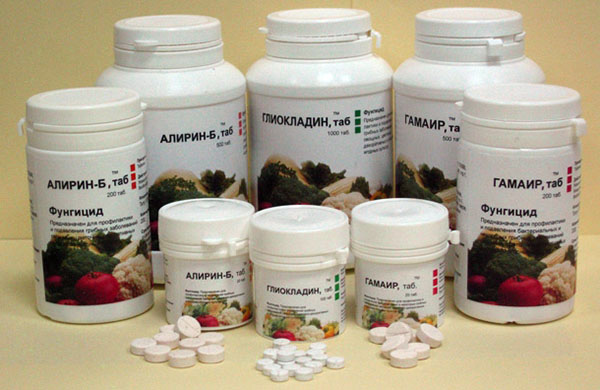
But in both cases, it's important to strictly adhere to the instructions and dosage recommendations. In the first case, a low concentration of the main substance in the solution may not help. In the second, it can cause harm—not only to the plant, but also to the health of the people who will be eating the potatoes.
The use of chemicals can be at the following stages:
- Prepare the soil before planting, as it may contain lingering late blight fungi from the previous year. For this purpose, use Thanos, Ridomil, and biofungicides.
- Treating potatoes for planting. This is done with antifungal agents. Growth regulators are used as an additional yield booster. The most popular are "Agat 25," "Zircon," and others. This is done by soaking or spraying.
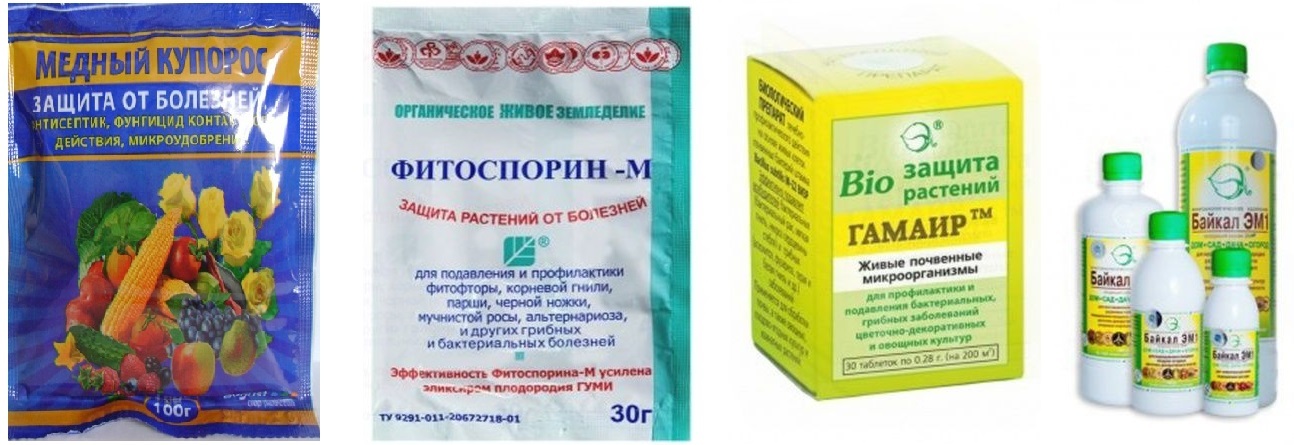
Spraying soil and plants with fungicides at different stages of plant growth:
- Before the rows close, use "Thanos," which is also effective against Alternaria.
- The initial budding stage. In this case, it's best to use systemic fungicides, which penetrate the plant and circulate throughout its entirety.
- Subsequent spraying should be repeated 4-5 times maximum, depending on the current situation. Carefully read the instructions; each product has its own breakdown period.
General recommendations for the use of chemicals: spraying the tops before closure should occur when the stems have not yet reached 20 cm in height. Early varieties are treated first.
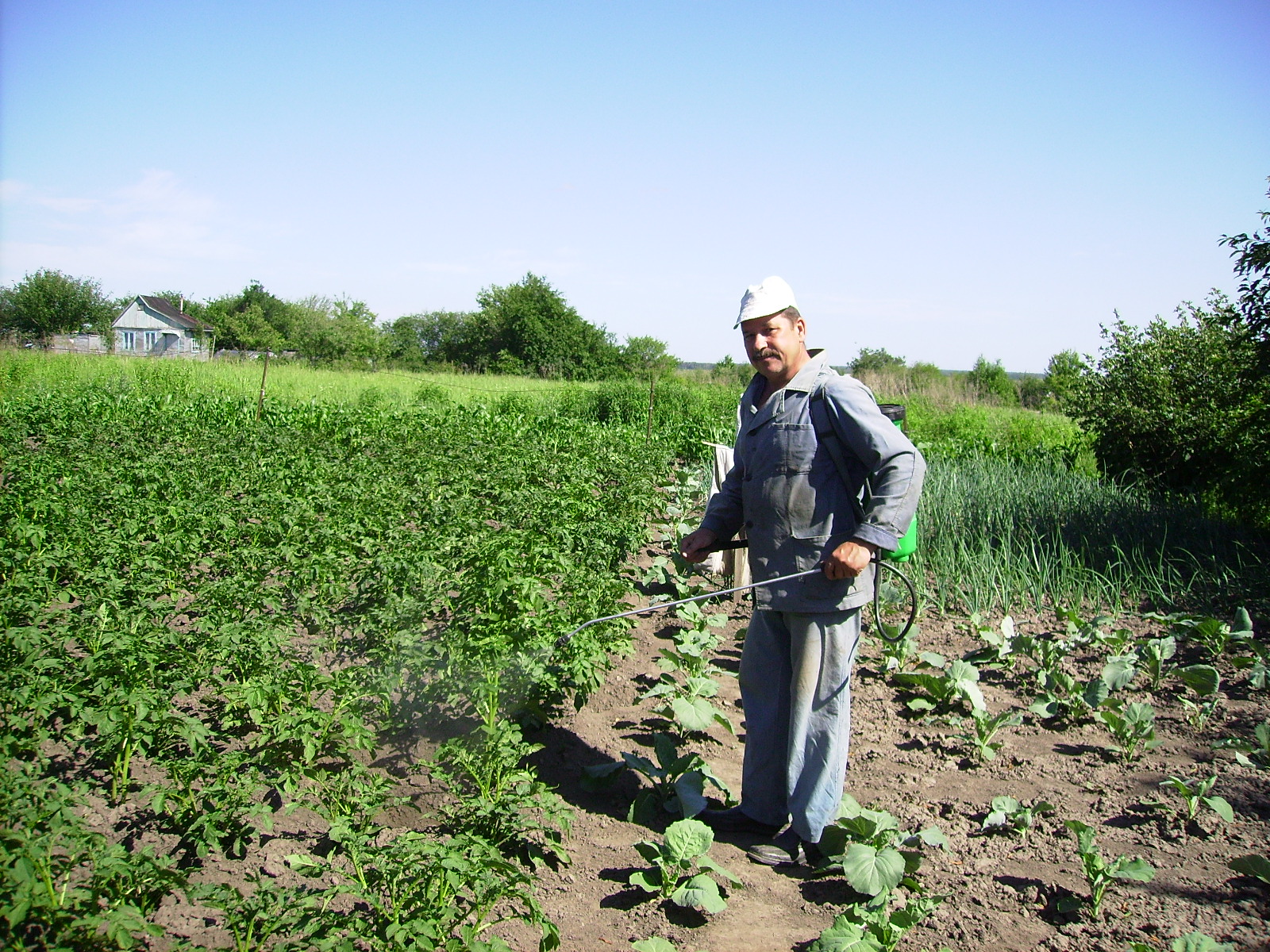
The product is most effective when applied to both sides of all leaves, even the lower ones. Active and repeated use of chemicals is only justified in cases of epithelial outbreaks (epidemics), which require systematic control.
Those who prefer natural products and minimal chemicals have their own ways to combat plant diseases. Gardeners successfully combat this disease with household items or readily available in general stores.
Bordeaux mixture
This is the name given to copper sulfate mixed with quicklime. For every 10 liters of water, use 100 grams of copper sulfate and 120-150 grams of lime. If the specified proportions are not strictly observed, copper sulfate can burn plants. It is used at all stages of plant growth. Tubers are dipped or sprayed with it before planting, and treated with copper sulfate during germination, two weeks after germination, and one month after planting.
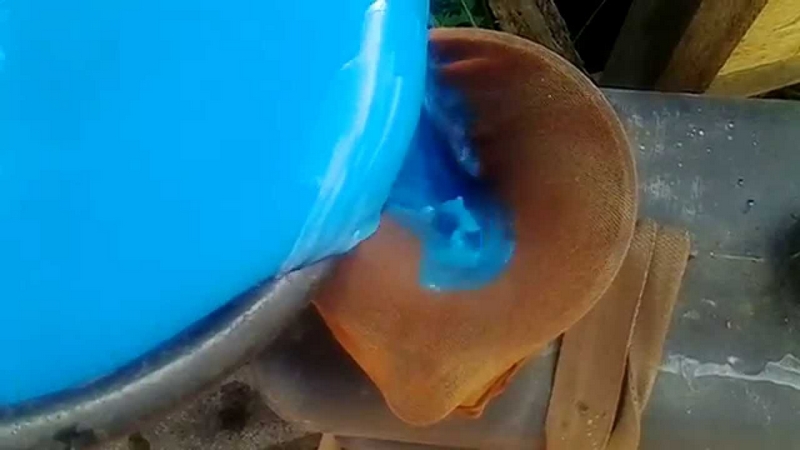
Below are effective folk remedies for combating late blight. All of these remedies are non-aggressive, so irrigation or watering of plants is recommended significantly more frequently.
- Garlic. Grind 150 grams of any kind (cloves, stems, or leaves) in a meat grinder and add a glass of water. Strain, add 10 liters of water, and add 1 gram of potassium permanganate. Suitable for all plants in the nightshade family. Apply once every two weeks.
- Horsetail. Take 1-2 kg, add 10 liters of water, and leave for 3-4 days. Spray once a week. Horsetail is rich in silicon, which strengthens the plant's immune system.
- Ash. You can use either dry ash for sprinkling or a solution for spraying. The proportions are: 1 liter of ash, 10 liters of water, 200 grams of soap.
- Milk whey. Dilute with water in equal quantities. The first watering should be done in early July. Then, as needed.
- Compost and urea. 1 kg and 1 tablespoon, respectively. The proportions are calculated for 10 liters of water. This solution should be left to steep for 4-5 days and sprayed every two weeks.
- Trichopolum tablets. 10 tablets, 10 liters of water, apply once every 2 weeks.
Video: "Protecting Potatoes from Late Blight"
A very informative video about methods of combating potato late blight.
Prevention
Prevention is better than proactive control. There are certain conditions that promote the rapid spread of harmful organisms. Even a professional won't be able to prevent all of these factors. But even a novice can eliminate most of them.
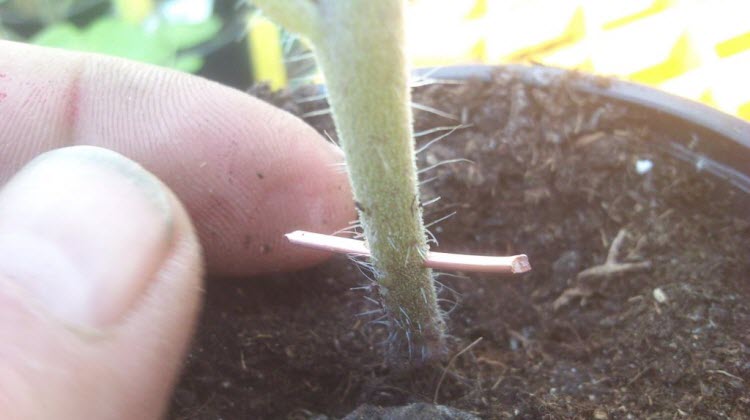
- Proper rotation of crops within a field. If signs of late blight are noticed, replanting in the same area should only be done after 3-4 years. Optimal soil development is achieved by rotating potatoes with cruciferous crops and legumes.
- Select completely healthy planting material before planting. In special cases, infected tubers can be treated with a special agent (Penkozeb, Utan, copper sulfate, etc.). Sometimes, sprouting is also performed, which generally increases the yield.
- High hilling is beneficial. It can prevent infection of the fruit itself.
- The correct placement on the plot requires isolation from other nightshade plants. Weeds and debris must also be removed.
- If possible, avoid dampness. Also, avoid sprinkling water in the evening.
- Use of organic fertilizers and nitrogen in moderation.
- It is better to harvest in dry weather, and then dry the potatoes for at least 5 hours.
- It is recommended to cultivate the inter-row spaces 3 to 5 days before harvesting. This procedure will improve harvesting, remove excess moisture, and reduce weeds.
Proper prevention and timely response to disease outbreaks can minimize crop losses. Follow the tips above, use copper sulfate and other methods, and enjoy abundant harvests of clean potatoes.
Video: "The Best Ways to Protect Against Phytophthora"
The video's author discusses effective and safe methods of protecting vegetables from late blight.