
Everything you need to know about potato blight
Content
The nature of late blight
Potato late blight is a fungal disease caused by a fungus. The primary pathogen is considered to be an oomycete. The incubation period can last from several days to two weeks. Therefore, the disease can progress quite rapidly.
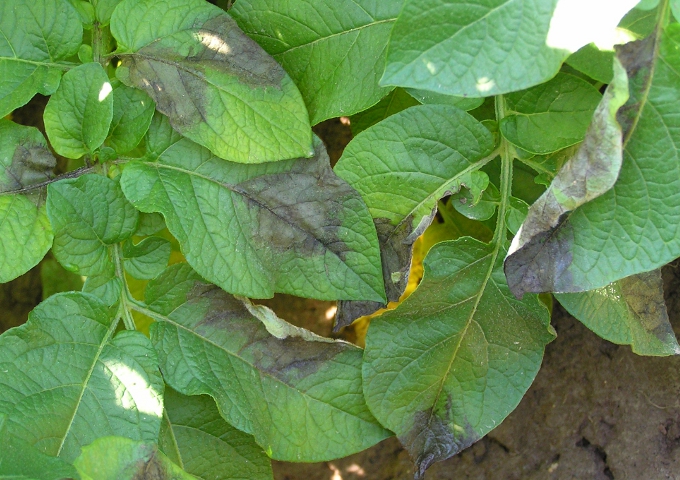
If a potato crop has previously been infected with this type of fungal spore, the mycelia may already be present in the potato seeds. They also often remain in the soil, in the area where the infected crop was harvested, and on the tops of the potato. The presence of spores in these areas significantly increases the likelihood of infecting seedlings planted the following season.
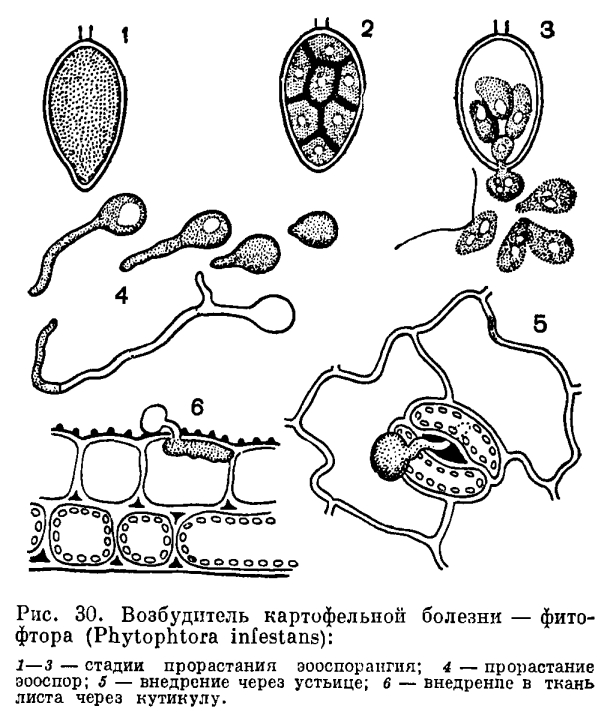
Potato late blight begins to develop during stem germination, as zoospores are released when favorable conditions arise. The disease then begins to infect the stem, moving through capillaries along with moisture. The tubers are then infected through the potato tops.
Phytophthora is believed to have originated in Mexico. It can spread through the intercellular tissues of plant parts, and the plaque on leaves is caused by zoosporangiophores with zoosporangia.
Several strains of the disease are distinguished, each with its own unique characteristics. Some strains may not produce overwintering spores, while others may produce spores that are highly resistant to low temperatures.
If late blight infects a crop, it can reduce yield by up to 70%, making planting material unusable the following season. Fungal spores can spread quickly, carried by the wind to neighboring plots or fields.
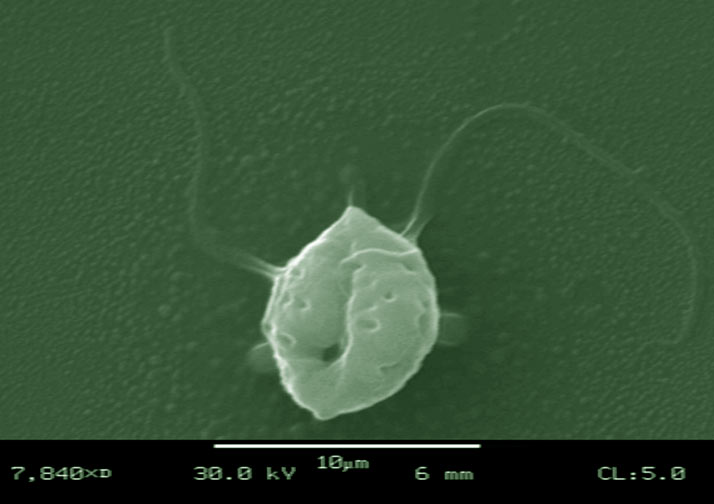
Fungal spores can develop very quickly. Without timely fungicide treatment of diseased bushes, several spores can infect crops over an area of 1-1.5 hectares within a couple of weeks.
Causes of occurrence
Spores can develop at temperatures ranging from 1°C to 30°C. Peak development occurs at temperatures slightly above 10°C with high humidity. Wind can carry spores up to 3 kilometers from their source. During hot weather, the development of pathogenic fungi slows.
Fungal growth on potatoes most often occurs during a temporary drop in air temperature or high humidity. For example, if the soil has been overwatered and a temporary cold snap occurs, the risk of fungal growth increases significantly. Insufficient air circulation between rows of seedlings can also be a cause.
Some potato varieties have dense tops. If they are planted too close together, the air begins to stagnate. At high humidity, rotting will cause late blight.
Video: "Protecting Potatoes from Late Blight"
An educational video about potato blight and modern methods of combating it.
Symptoms
If potatoes are sick, gardeners can always tell by a number of characteristic signs.
First, pay attention to the green mass of potato seedlings. Dark spots of various shapes may appear on the leaves and stems, followed by a whitish coating on the underside of the foliage. This coating resembles the layer of frost that forms on windows in winter.
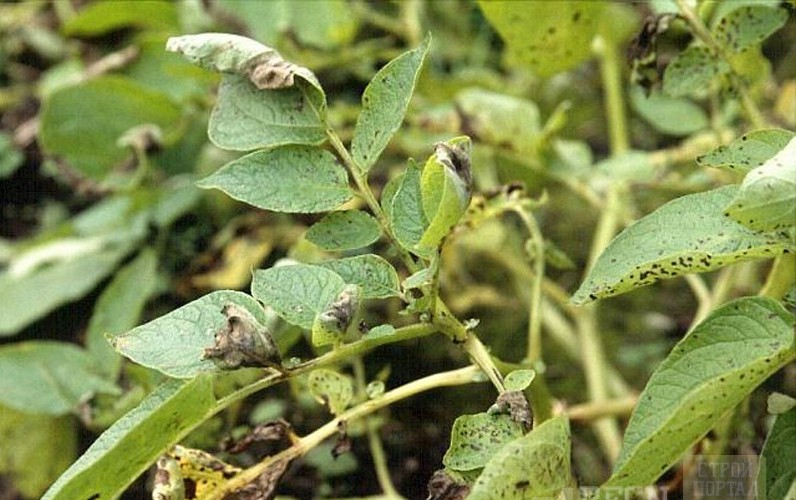
If a large area is affected, there's a significant risk of seedling death. After heavy rains, spores can be washed into the soil, leading to secondary infection of potato tubers. The affected areas gradually curl, darken, and dry out, while the tops wilt.
The first signs can also be detected on the first shoots.
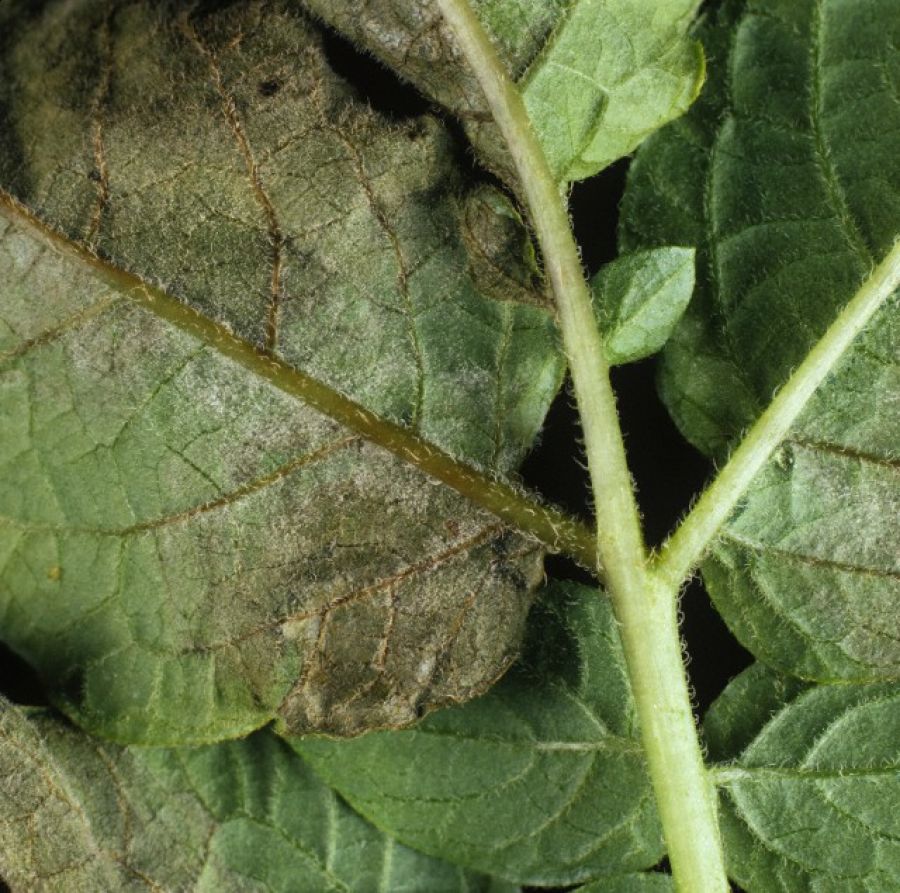
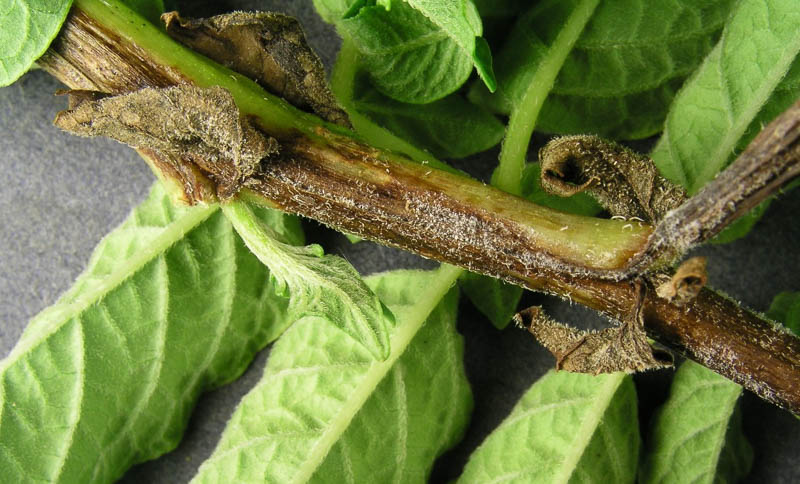
Over time, the pinpoint spots develop into wider, darker areas of the flesh. The skin will take on a brown and reddish tint. Secondary infection of the tubers leads to rotting. As the potato decomposes, it develops a strong and unpleasant odor. Eventually, it will become very soft and inedible.
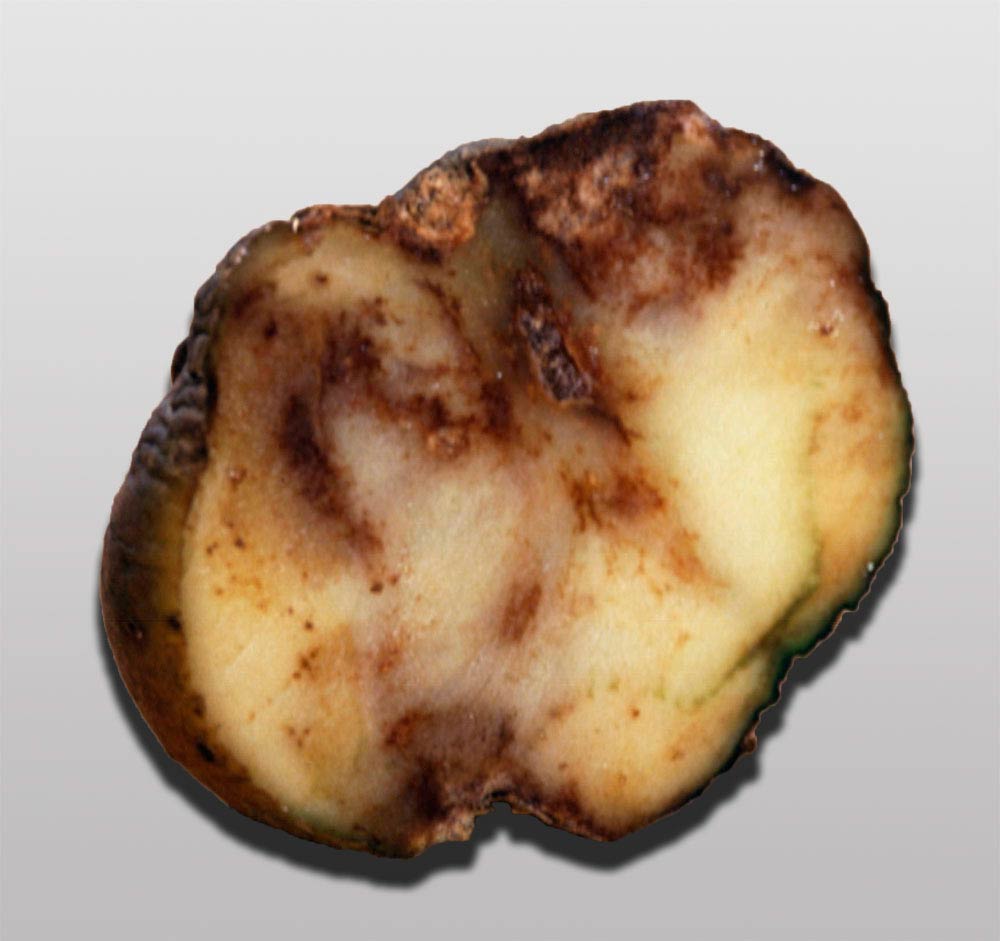
Potato lesions are usually located in the center of the root. Therefore, diseased crops will only become apparent in winter, when the pathogen has multiplied.
How to fight
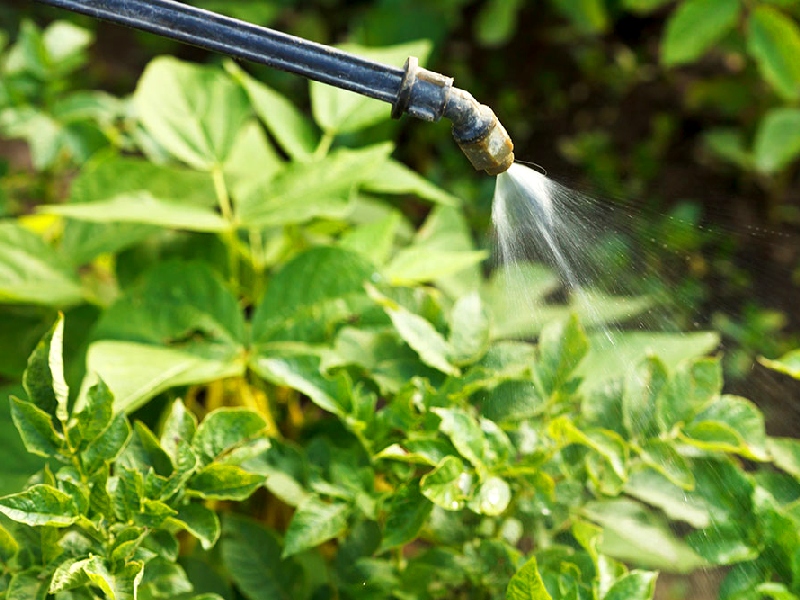
To save the crop when characteristic signs of late blight appear, special treatments will be required. Treatment in this case is quite complex. If the disease has been prevalent on the vegetation for a long time, treatment may prove ineffective.
It will be easier to simply destroy it to prevent further progression of the disease. At the initial stage, the fungus can be controlled with targeted treatments, which are more effective than folk remedies. Most of these can be used at different stages of potato growth.
The most common medications in this situation are considered to be Ridomil MC, Oxxikh, Dutamin M-45, copper oxychloride, Cuproxate, products from Syngenta and others.
Prevention
Preventative measures against late blight on planted potatoes are always preferable if gardeners have previously encountered this problem in their plots. It's best to try to prevent the disease from occurring, so you don't have to spend even more time and money when signs of it appear.
It is not recommended to leave harvests or preparations for the winter if they are damaged.
In dry weather, the soil and plants will dry out naturally, but in cold, rainy weather, it's best to create a small shelter. This will prevent excess moisture from penetrating the soil. After drying, always carefully sort the potatoes. This is important to detect tubers affected by late blight early. Only then can they be stored.
It's also important to know how to properly dispose of infected material—tops, potatoes, and other organic matter showing signs of disease. First and foremost, remember not to leave them in the garden. There are two possible solutions: bury them deep outside the plot or burn all the tops after harvesting the poor-quality crop.
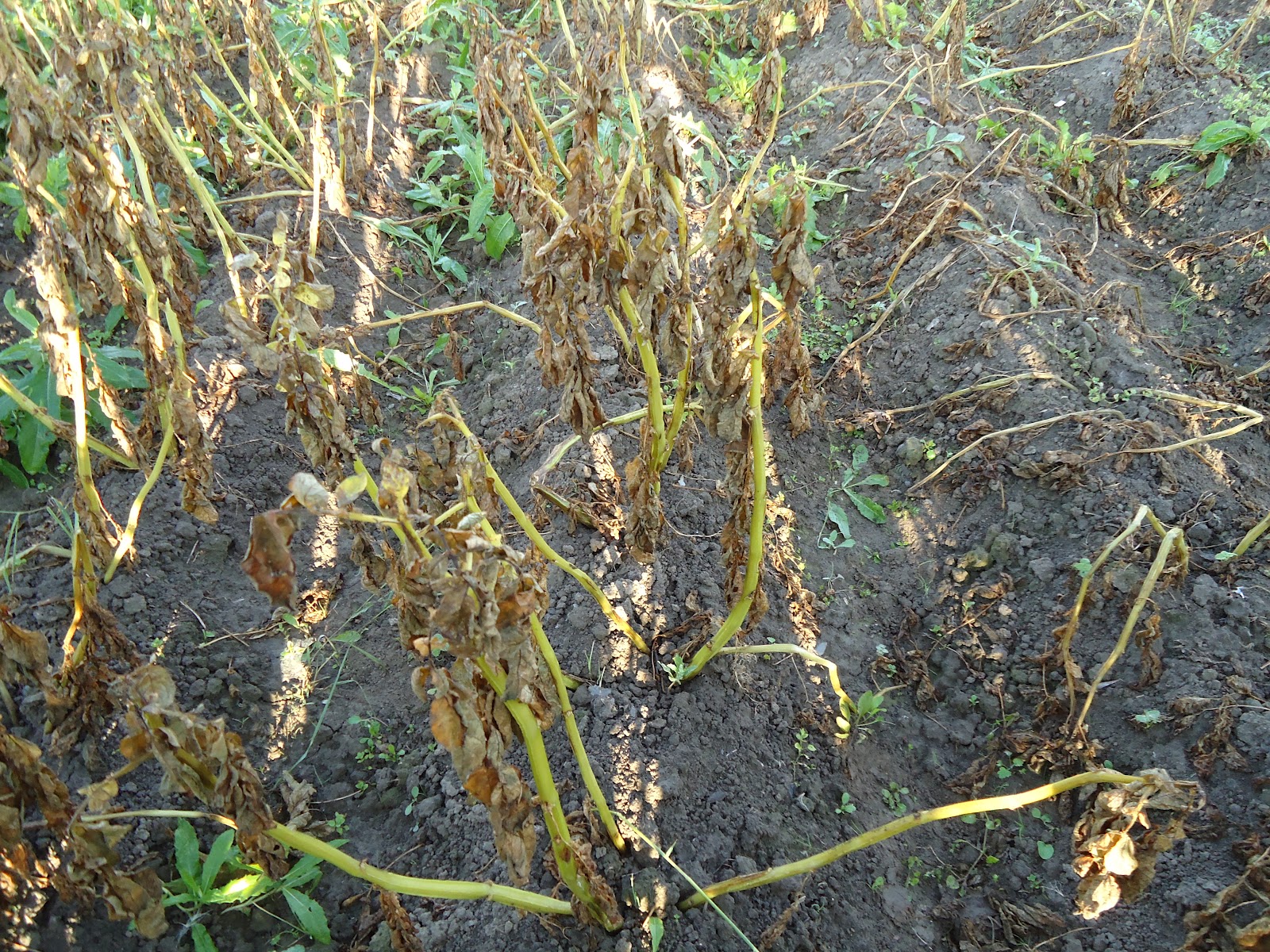
If you simply leave the diseased tops on the site, the sporangia will continue to be carried by the wind.
Experienced gardeners know that it's best not to plant potatoes of different ripening times too close together. Early, mid-season, and late-ripening varieties should be planted at a reasonable distance from each other. It's best to rotate varieties every year.
It's also important to remember that it's highly undesirable to grow tomatoes near potatoes. They are very vulnerable to this crop, so this can significantly increase the risk of disease in the entire crop.
For prevention, you can use special products—contact and combination fungicides. The former can only protect seedlings from late blight on the outside, while the latter provides complete plant protection. They last for about a month, so additional treatments may be necessary.
Video: "Super Protection from Phytophthora"
The author of the video talks about the best means for combating late blight.