
What to do if potato leaves turn yellow
Content
Causes and methods of control
Growing potatoes is challenging, requiring not only thorough care but also effective pest control. Yellow leaves are a clear sign that the plants are experiencing discomfort. Typically, the lower leaves turn yellow. If this occurs, the cause must be identified immediately and addressed. Otherwise, you could lose a large portion of your harvest.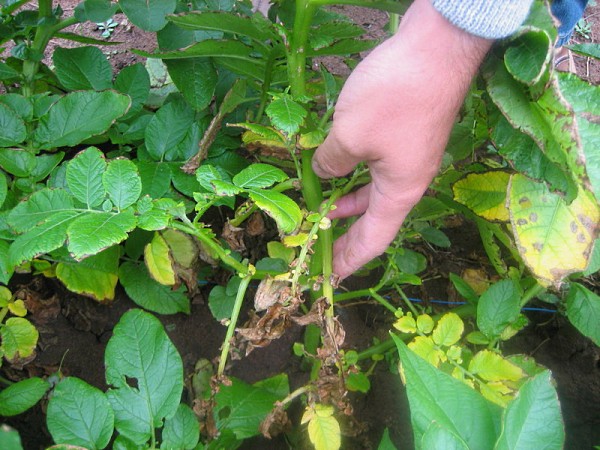
Most often, potato bushes begin to turn yellow for the following reasons:
- Improper plant care. This could include improper water management or incorrect application of agricultural practices necessary for growing this crop;
- Soil condition. It may be depleted or over-fertilized. Both situations will negatively impact the health of the plants;
- the onset of the period of active ripening of root crops.
Therefore, if your potato plant has small leaves that are starting to turn yellow, it's time to adjust your care. Furthermore, a yellowed plant may be infected with pathogenic microflora. Insect pests may also attack the plantings. The cause of diseases and pests is improper plant care. For example, a deficiency of manganese or iron, which occurs due to depleted soil and improper fertilization, can trigger the development of chlorosis.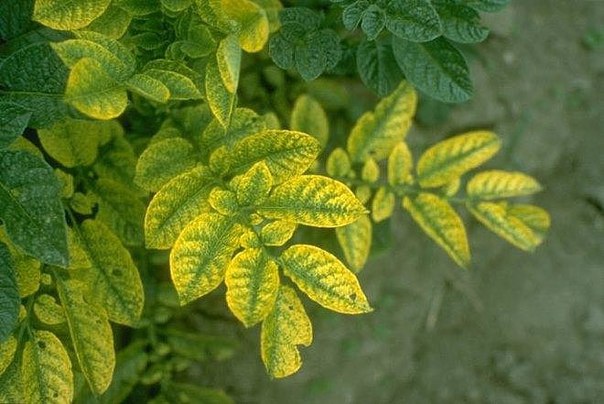
Let's take a closer look at situations where potatoes suffer from viral and fungal diseases, as well as pests. After all, the course of action in each specific situation depends on the underlying cause.
Video "Diseases"
This video will tell you which diseases can harm your potato crop and how to combat them.
Viral diseases
Viral diseases are the most dangerous for potato crops. This is because these diseases are incurable. The main symptoms of plant damage by viral pathogens include:
- yellowing of leaves;
- twisting of the leaf blade;
- withering.
However, it's important to remember that the severity of the symptoms listed above can vary. It all depends on growing conditions, the potato variety, and the type of pathogen.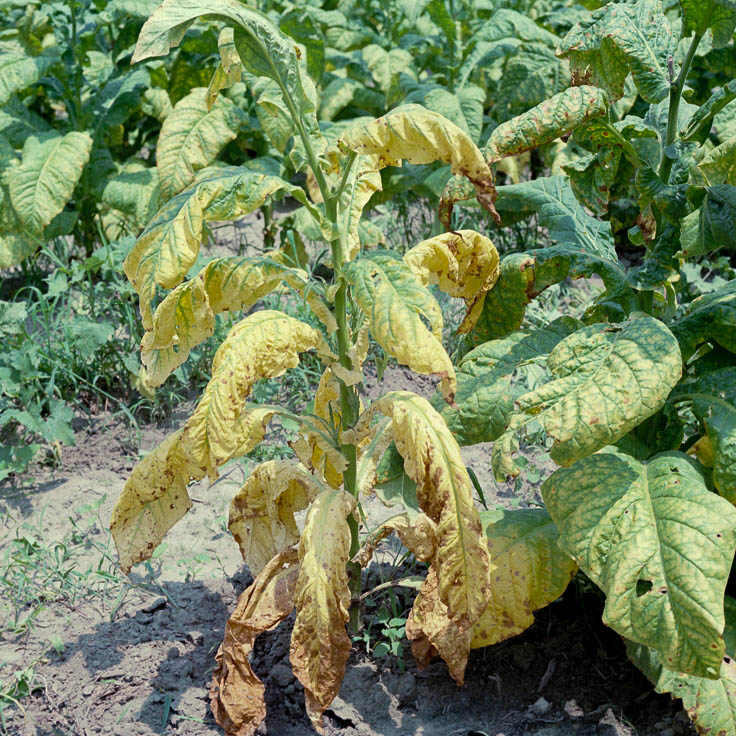
Potato plants become infected when healthy plants come into contact with insects. In this case, the plants can become victims of both pathogenic microflora and pests.
Since infected plants cannot be cured, the most effective treatment is considered to be prompt digging up of diseased plants. This should be done in such a way that the infected foliage does not come into contact with healthy plants.
To prevent the occurrence of viral diseases it is necessary:
- use only healthy seed material for planting;
- Conduct preventative treatment of plants periodically. Treatments should be performed at specific intervals, depending on the product used;
- Conduct daily inspections of the beds to identify pest carriers.
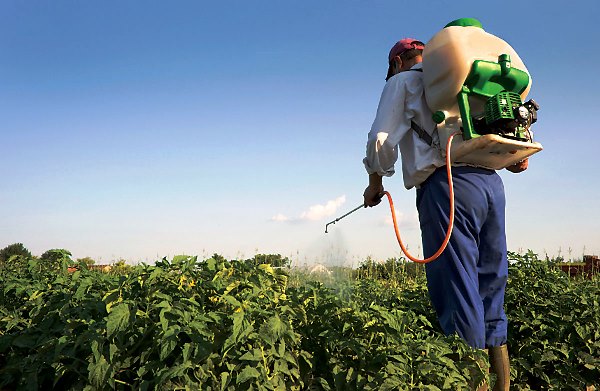
By following these recommendations, you can protect your potatoes from viral diseases. However, if proper plant care and the above recommendations are not followed, your crops may be susceptible to the following two most dangerous viral diseases:
- leaf curl virus;
- alfalfa mosaic virus.
Let's look at both diseases in more detail.
Leafroll virus. This disease significantly impacts tuber formation, specifically the quantity and quality of fruit. When potato plants are infected with this virus, the disease can develop into either a primary or secondary form. During primary infection, the upper leaf blade begins to turn red at the edges. Subsequently, the leaves curl and become quite stiff. If the disease progresses secondary, the same symptoms appear on the lower leaves.
Potatoes affected by this disease are also unable to form healthy tubers. In this case, they become infected with net necrosis.
Alfalfa mosaic virus. This disease is less severe than the virus that causes leaf curl. However, it is also a nuisance to crops. A bush infected with this virus may also turn yellow. This occurs because the chlorophyll content in the leaves decreases. This disrupts photosynthesis, leading to poor crop development.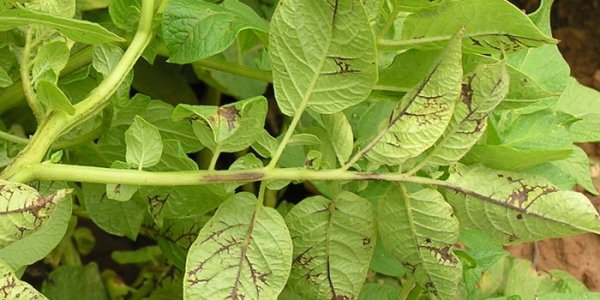
It's worth noting that alfalfa mosaic virus can persist in tubers for a long time. Therefore, the harvested crop should be thoroughly checked for infection. This will minimize the risk of diseased plants appearing next year.
Parasites
The main sources of pathogenic microflora, whether fungi or viruses, are parasites or insect pests. This vegetable crop most often suffers from infestations of the Colorado potato beetle and nematodes. While the beetle is more or less clear, nematodes are a real mystery to gardeners. Three species can parasitize potatoes:
- Stem fungus. It penetrates the tubers from the shoot side. As a result, the roots begin to crack and rot. Such fruits are not edible;
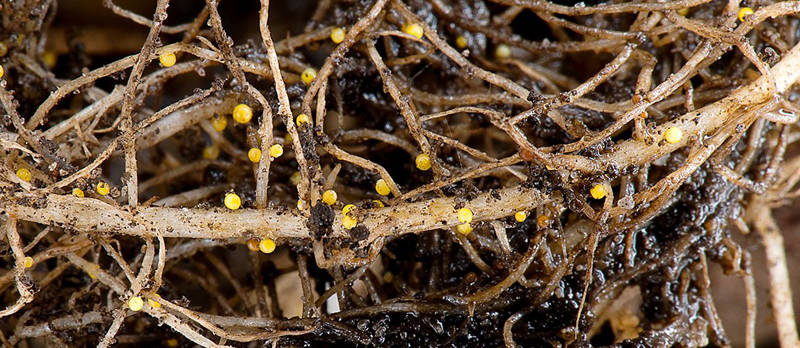
- Golden potato. This is the most dangerous pest. When this pest is present, yields drop by approximately half. This is because the parasite attacks the root system of potato plants. Therefore, yellowing and wilting of the tops is only a symptom. These symptoms only appear when the infestation is severe. Pests can be identified by digging up the plant and examining its root system in detail.
- Root-knot nematode. This pest infests roots, tubers, and the underground portions of shoots. Affected plants stop growing and soon begin to wilt. A distinctive feature of the root-knot nematode is the formation of thickened growths on the affected areas of the plant. Over time, these thickened growths enlarge and eventually merge with each other. After some time, due to the penetration of microorganisms into the tuber, the fruit begins to rot.
To prevent infestation of potato bushes by this pest, experts recommend planting resistant varieties. However, it's important to remember to alternate resistant varieties with non-resistant ones every three to four years. This will prevent the pest from adapting to the potato varieties being grown.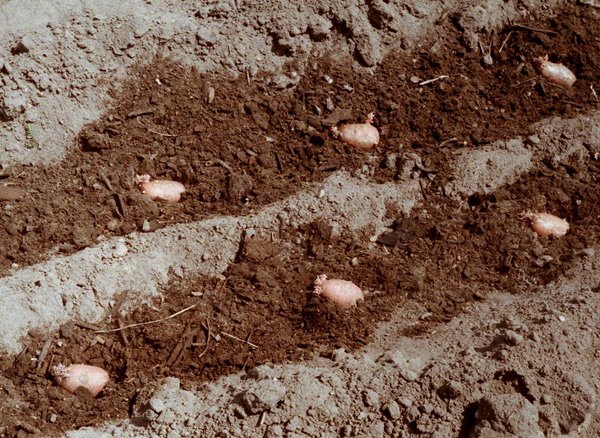
Another method of controlling nematodes is to plant corn or beans in the area.
In July, you may notice black spots appearing on the yellowing leaves of potato plants. This is a sign that the plant has been attacked by nematodes.
You can prevent the appearance of nematodes in potato beds in the following ways:
- It is recommended to plant meadow fescue, rye, sugar and table beets, marigolds, lupine cabbage, oats and peas near potatoes;
- Before planting, apply urea as a preventative fertilizer to the soil. Apply one kilogram of urea per 100 square meters. Alternatively, grind 1 kg of potato sprouts through a meat grinder and add 10 liters of water. The resulting solution will irrigate approximately one 100 square meters.
- When planting potatoes, add 2-3 handfuls of well-rotted manure to each hole. This can be replaced with compost, dry bird droppings (1 tablespoon), or a handful of ash. After adding these additives, cover them with a thin layer of soil.
- Once the seedlings are fully planted, it's recommended to water the beds with liquid chicken manure. To obtain the required solution, use a 1:10 ratio of fertilizer to water. To treat one square meter of planted area, apply 10 liters of the resulting solution.
By following these recommendations, you can minimize the risk of nematodes appearing in potato beds.
Fungal diseases
Viral diseases aren't the only ones that can cause yellowing of potato leaves. Such symptoms are also typical of fungal diseases. The most common fungal potato disease is late blight.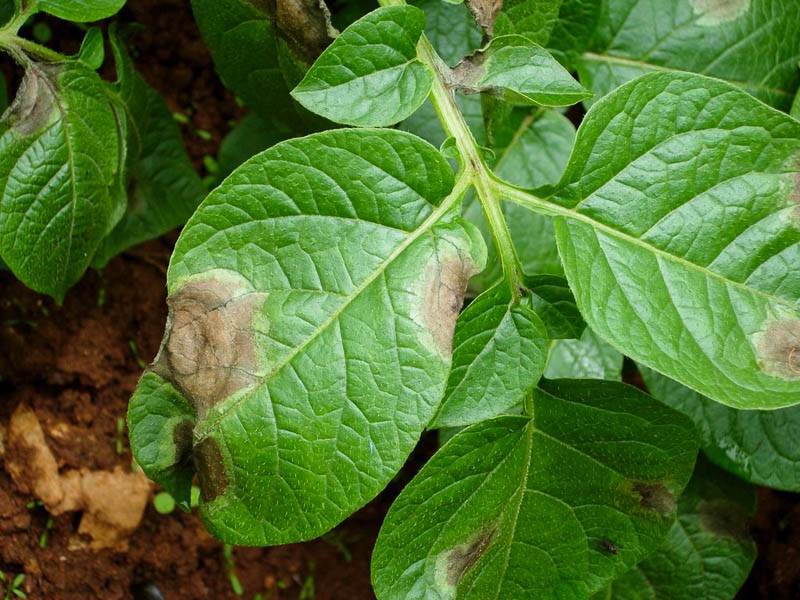
The main source of this type of fungal disease is infected planting material. Furthermore, pathogens can be present in the soil itself, leading to infection of the bushes as they grow. If left untreated, more than half of the entire harvest can be lost.
As a preventative measure, potato plants should be sprayed with fungicides to prevent the development of late blight. This procedure is recommended during the budding period. The tops can also be sprayed with a solution of potassium permanganate with added garlic. The solution is prepared by steeping garlic pulp in a bucket filled with water for 24 hours. After 24 hours, strain the solution and add 1.5 grams of potassium permanganate. Spray the plants with the prepared solution in the evening. The first treatment against late blight is carried out two weeks after planting, and the second 10 days later.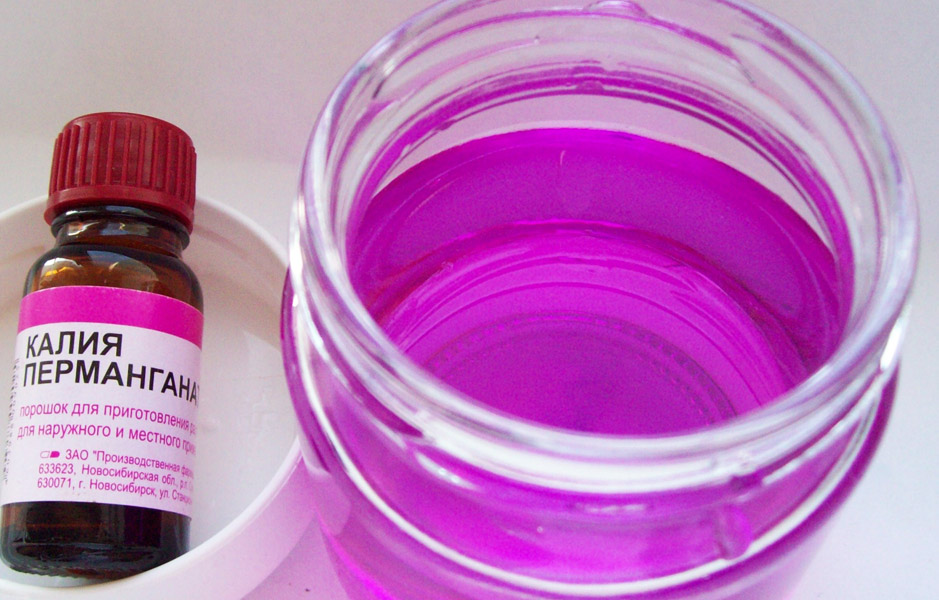
Besides late blight, yellowing of potato leaves can also be caused by diseases such as verticillium wilt or fusarium wilt. The pathogen becomes especially active at temperatures between 17 and 22 degrees Celsius.
This is also a fairly common disease, which can also lead to a significant reduction in yield. The first symptoms of infection often appear in June. The leaves on the bushes begin to turn yellow from the bottom. However, over time, the unhealthy coloring will spread throughout the entire plant. The leaves first turn yellow, then curl up and die.
The development of this disease often coincides with insufficient watering and drought. However, frequent heavy rains can also trigger Fusarium wilt. In this case, the first symptoms may appear even on young seedlings. If this occurs, there is a high probability of using infected planting material.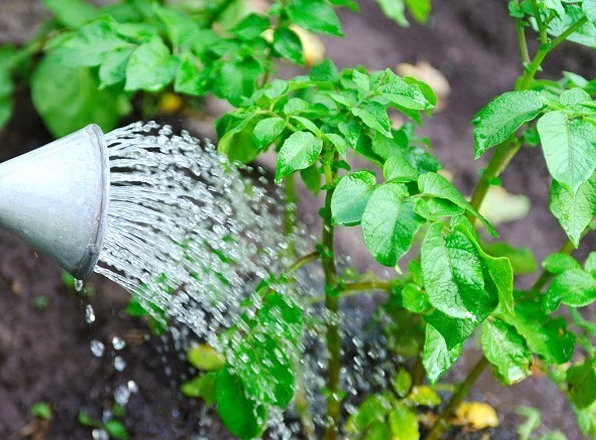
To prevent this type of wilting on potatoes, you must adhere to the following recommendations:
- Crop rotation is essential. Potatoes can be planted in the same area only after four years;
- Only healthy, high-quality planting material should be selected for planting. It's best to buy potatoes from trusted producers;
- timely weeding of beds and removal of weeds;
- all infected plants must be immediately removed from the beds and then burned;
- Periodically, the plantings need to be sprayed with a solution of copper sulfate (10 g of the substance is taken per 10 liters of water).
If yellow leaves are discovered on potato plants, it's important to determine the cause before taking proactive measures to save the crop. Without specific control measures, the risk of losing most of the harvest is very high.
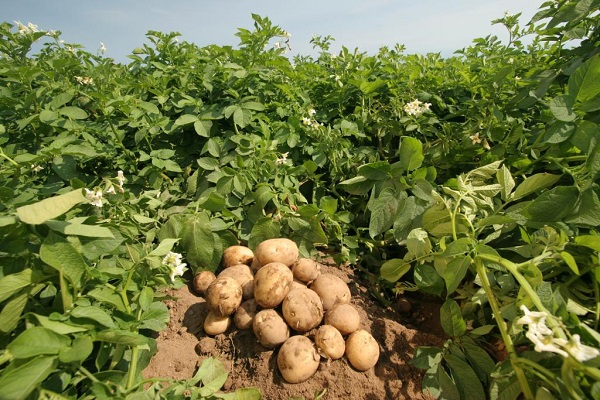
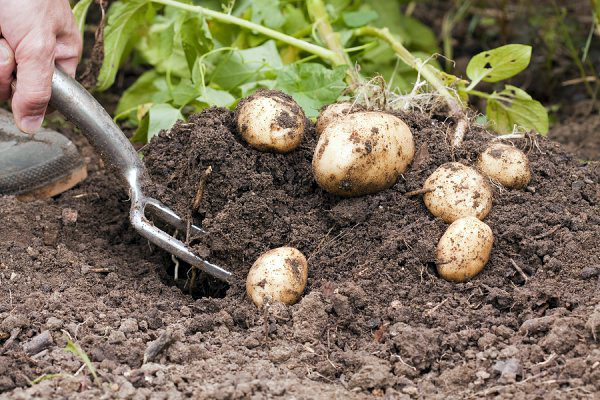
Now you know why potato leaves turn yellow and what to do in this situation.
Video: How to combat yellowing
This video will show you how to combat the unpleasant phenomenon of potato leaves turning yellow.