
How and what to spray potatoes with to prevent Colorado potato beetles?
Content
Why is the beetle dangerous?
The short and general answer to this question is this: its presence on potatoes can lead to complete crop loss. Colorado potato beetles are very voracious. Their massive infestation destroys potato tops and, consequently, stunts plant development. The red or pinkish beetle larvae pose a particular danger to potatoes, as they feed exclusively on young, terminal leaves.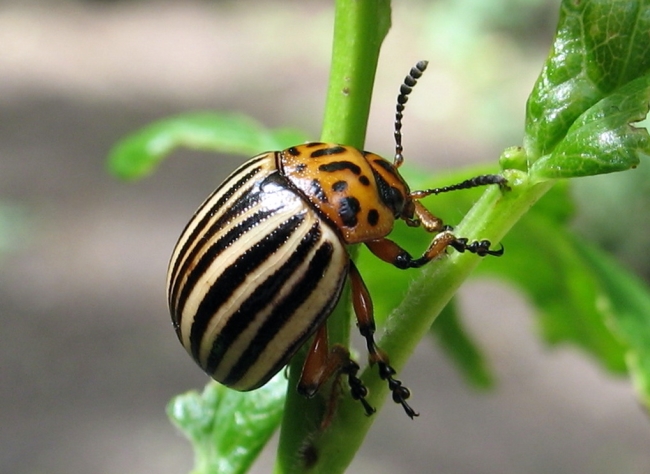
In addition to their voracity, Colorado potato beetles are surprisingly prolific. They reproduce at an incredible rate – a single female can produce over 500 larvae during a season, which grow by leaps and bounds, requiring more food each day. The most dangerous period for potatoes is before and during flowering. During flowering, the tops are intensively developed, the leaves synthesize nutrients, and if pests destroy the shoot tips, plant growth will be stunted. During flowering, tubers form, and destruction of the tops or flowers will inevitably result in the tubers remaining small.
Getting rid of the Colorado potato beetle once and for all is impossible. Neither changing the layout of the beds nor ripening potatoes at an extremely early stage will produce the desired result. The insects are capable of flying hundreds of meters through the air, finding the earliest sprouts, including nightshade seedlings, as early as mid-spring. The beetles overwinter in the soil at a depth of at least 50 cm. In early spring, they awaken and, at temperatures reaching 10°C, crawl to the surface. From then on, they need something to feed on, so adult beetles can often be seen even on intact potato tubers.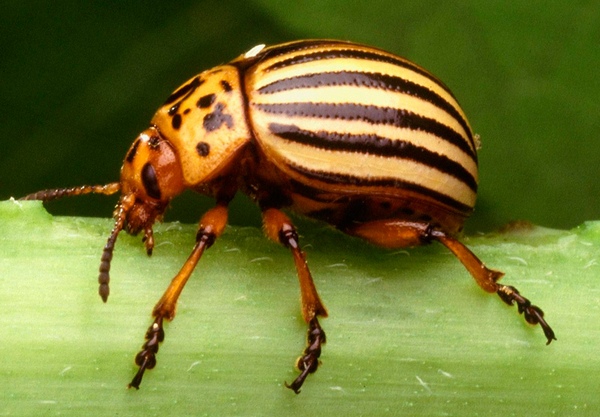
In favorable weather, the pests begin laying eggs about two weeks after hibernation, and by the time the first potato shoots emerge, the larvae have already emerged. They are practically unable to move, so they feed on the leaves of the plant on which they hatch. Another characteristic of these beetles is their extreme tenacity. Sometimes, to eradicate the pests, the potato plants must be sprayed several times during the season.
Video "Danger"
This video will tell you why the Colorado potato beetle is dangerous.
What to spray with
Just a couple of decades ago, gardeners collected these insidious beetles by hand and used only folk remedies and chlorophos for spraying. But today, the choice of products and methods for controlling these insects has expanded significantly. Time-tested pesticides have been replaced by modern, more effective insecticides and biological products.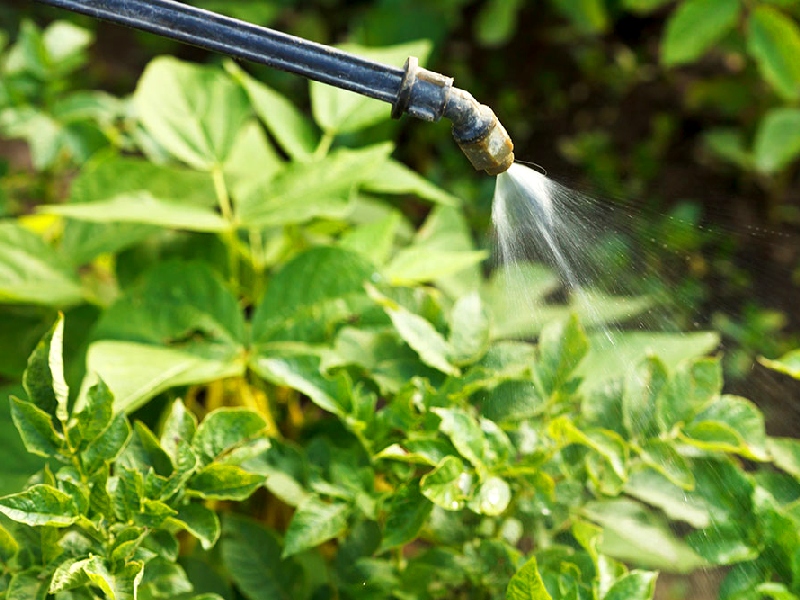
It's worth clarifying right away that getting rid of the Colorado potato beetle is difficult, but possible at least for one season, since all pest control products only provide a temporary effect. Chemical insecticides are, of course, considered the most powerful and reliable. There are dozens of approved insecticides, but vegetable growers generally prefer the following:
- Fitoverm, Actellik – used during periods of mass appearance of beetles;
- Aktara - the preparation can be sprayed from the appearance of the first shoots until flowering;
- Colorado - it is recommended to spray potatoes with the preparation against the Colorado potato beetle multiple times, each time the pest appears, but no later than 20 days before harvesting;
- Confidor Maxi (Extra) is a new generation of systemic insecticides that have virtually no effect on root crops.
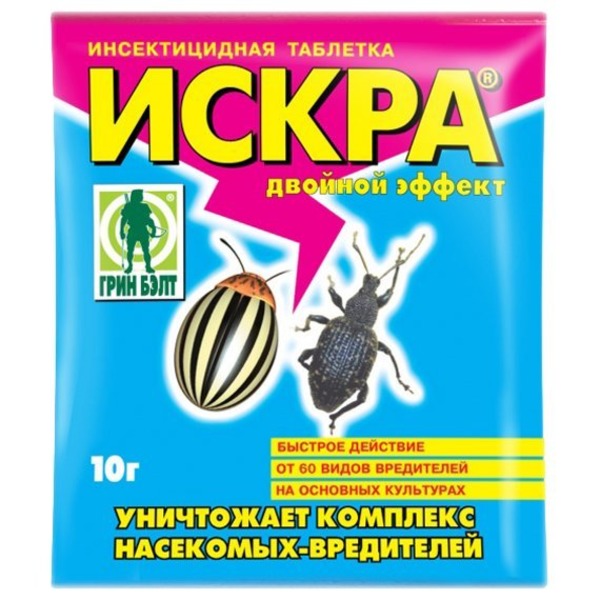
Effective chemical pesticides also include Iskra, Alfacin, Fatrin, Klubneshchit, Zhukomor, and others. Biological pesticides based on live microorganisms (bacteria and fungi) offer the advantage in terms of safety. They have the same effect, but unlike chemical pesticides, they do not accumulate in the plant. This property allows potato pesticides to be used against Colorado potato beetles at any time, from seedling emergence to root ripening.
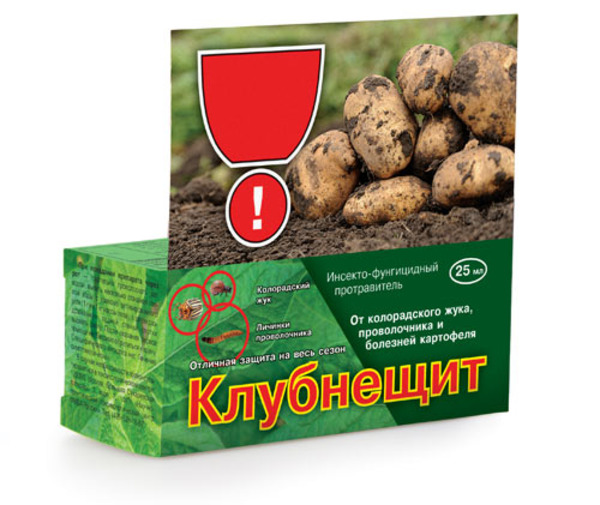
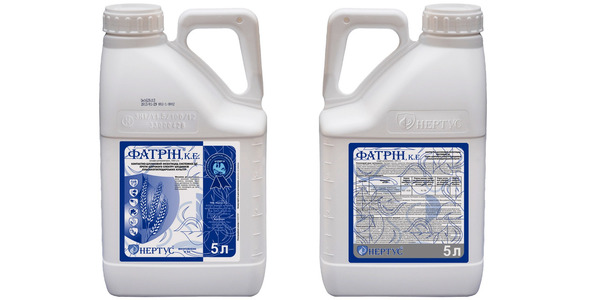
Incidentally, many gardeners are interested in the question: when is it possible and when is it no longer necessary to treat potato tops? It is believed that after flowering ends, the beetle cannot harm the potato, since from this point on, the tops gradually begin to dry out, and the plant directs all its juices toward the ripening of the tubers. Furthermore, at this time, it is no longer advisable to use chemicals, as they can accumulate in the plants.
Before spraying with insecticides, you should know that there are many folk recipes that are equally effective and completely harmless:
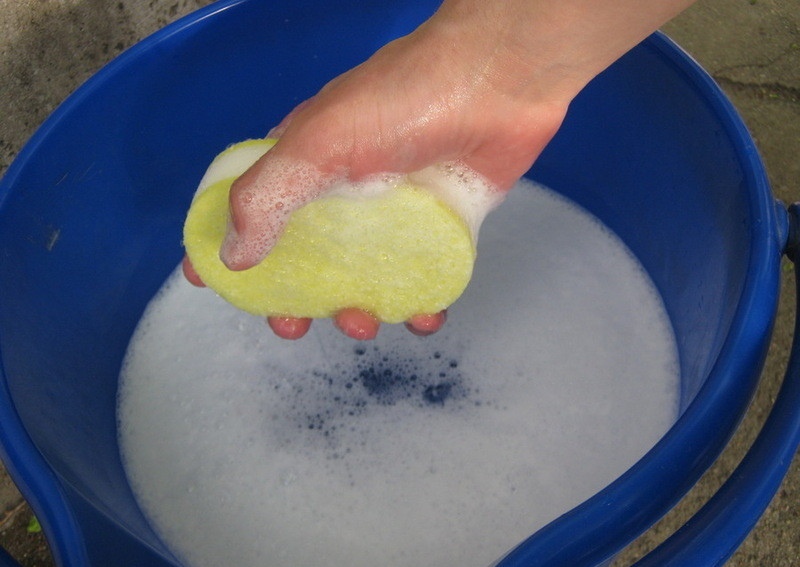
- soap solution with ash - boil 500 g of ash in 1 liter of water, leave for 24 hours, pour in 50 g of liquid soap, bring to a volume of 10 liters;
- tar solution (100-150 g birch tar/10 l water);
- pepper decoction – boil 100 g of dry hot pepper for 2 hours in 10 liters of water, add 40-50 g of soap;
- Tobacco infusion - mix 500 g of tobacco dust in 10 liters of water, leave for 24 hours (it’s a good idea to add laundry soap to the solution).
But don't neglect mechanical pest control: if you place jars of potato pieces or peelings around the perimeter of the garden bed, adult beetles will crawl into the traps, making them easier to kill. Insects dislike the smell of certain plants: calendula, wormwood, onions, and legumes. Plant them near your potatoes, and your harvest will be safer.
How to spray
Before spraying potatoes against Colorado potato beetles, it's important to understand how to do it properly. There are several recommendations to ensure the procedure is not only effective but also safe:
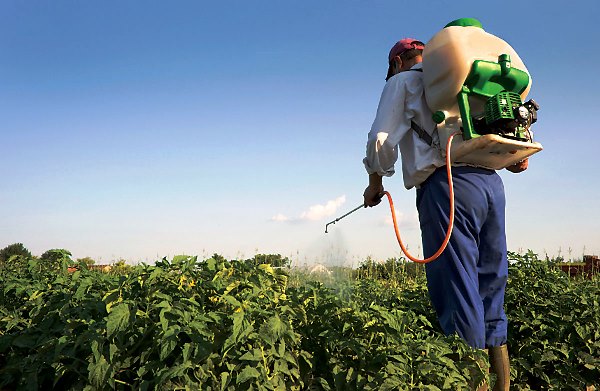
- For processing, only factory-made sprayers (atomizers) should be used - no improvised means (brooms, watering cans) can be used when spraying with chemicals;
- Also remember that most insecticides are toxic to humans, so protective clothing and a respirator are essential for a safe process;
- While processing potatoes, do not smoke, drink, or eat - this should be done during a break, after changing work clothes and thoroughly washing your hands;
- The preparations should be diluted immediately before use – leaving and storing working solutions is strictly prohibited;
- It is better to carry out the treatment in the morning or evening, preferably in cloudy weather, since the leaves of the plants can get burned in the heat;
- The weather during and after spraying should be dry and windless - rain within 24 hours after treatment can wash away the product or reduce its effectiveness.
When using herbal preparations, you should follow these recommendations:
- spray in the evening, as the products dry out in the sun and lose their properties;
- To prevent the product from dripping off the leaves, add laundry soap to the solution;
- You should not spray potatoes twice with the same product, as the pest gets used to it;
- Despite the safety and environmental friendliness of folk remedies, hands must be washed after use.
Certainly, chemical treatments are more effective than biological or folk remedies. It's important to understand that, just as they are dangerous for bees and birds, they are also dangerous for bees. Therefore, it's important to strictly follow the instructions and not exceed the recommended dosage.
Sometimes gardeners make the mistake of slightly increasing the concentration of the product in the hopes of achieving a greater effect. However, overdosing often results in the death of beneficial insects and burns to young plant leaves.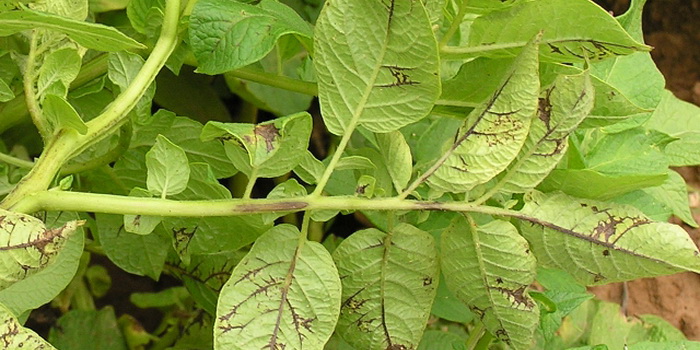
But also remember that generations of Colorado potato beetles quickly develop resistance to chemicals. Even the most effective treatment used the previous year is not recommended for the current crop.
Video "Spraying"
This video will show you how to spray potatoes correctly.