
How to treat potatoes against beetles before planting
Content
The nature of the Colorado potato beetle
The Colorado potato beetle poses a serious threat to all potato varieties grown in a garden. These pests are very prolific: each female can lay over 700 eggs in a single year. And the following season, there may be even more.
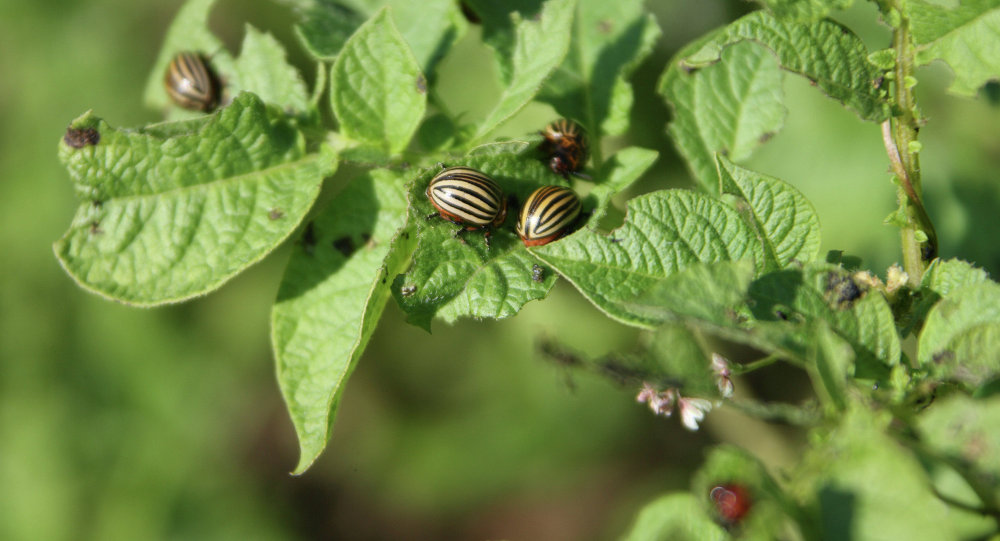
It's also worth noting that Colorado potato beetles can fly, float in water, and survive for very long periods without food (over two months). They typically feed on potatoes, but if they can't find a potato planting site within a certain time, they will feed on other plants belonging to the nightshade family (tomatoes, eggplants).
With their high fertility, Colorado potato beetles can quickly and easily adapt to new environmental conditions. Therefore, gardeners are constantly searching for new ways to combat these insects. The insects are capable of adapting to older pesticides, developing a certain level of immunity to the main active ingredients.
Pest control is complicated by the fact that they can hibernate throughout the winter. This allows them to survive the season undisturbed, typically beginning to emerge in late spring and summer. Some individuals can remain underground for several days. Even if a gardener has exterminated all the beetles in their plot, the emergence of new broods can be disconcerting. A new brood will emerge directly from the ground, damaging the crop.
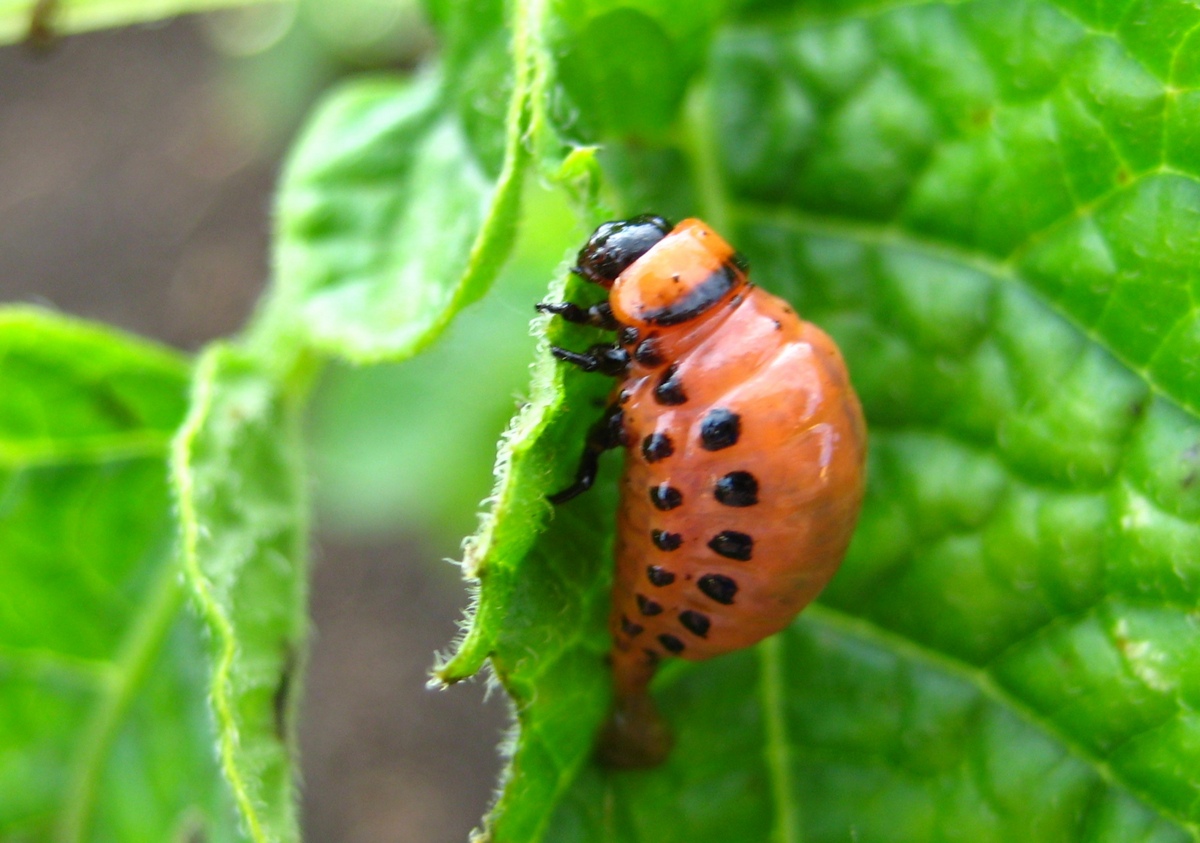
Colorado potato beetle larvae also pose a significant threat. They appear soft and delicate, but are covered with a chitinous cuticle and toxic substances that protect them from predators and other adults.
Usually, chemical preparations (insecticides) are used against pests, but folk remedies are also occasionally encountered.
Video: "Protecting Potatoes from Colorado Potato Beetles and Cucumbers from Whiteflies"
The author of the video talks about Colorado potato beetles and ways to combat them.
Folk remedies
When fighting the Colorado potato beetle, gardeners often resort to folk remedies. These are particularly beneficial because they are safe for seedlings and readily available.
Over the course of many years of growing potatoes, some agronomists have noticed that this species of insect avoids certain areas where potatoes are grown. It turns out they are intolerant of plants found in these areas, including red beets, legumes, calendula, matthiola, cilantro, and garlic.
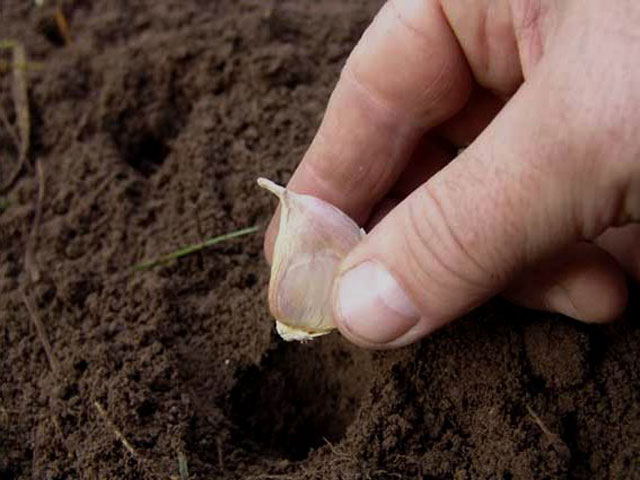
Therefore, it was decided to plant spring garlic between the potato planting holes before planting the tubers. It is completely harmless to nightshade crops. Furthermore, a small garlic harvest can be harvested later in the season. It is best to plant it in a staggered pattern to ensure maximum protection.
It was also found that Colorado potato beetles dislike charcoal and ash. Therefore, ash was added to the holes before planting or the tubers were immersed in it. Birch is the best wood for ash. The ash also serves as a fertilizer for the crop.
Before planting, you can add onion peels to the soil. Chop them up and sprinkle them in small handfuls. Pests don't like them either.
Some gardeners use a tricky method. It's not particularly effective, but it does work occasionally. The process involves "dummy sowing" the tubers before planting them. When the shoots emerge early and pests appear, the plants are dug up and then burned.
A "dummy planting" is done two weeks before the main one. A dozen holes, each 10 centimeters deep, are dug. Their edges are sprinkled with hot slag from the furnace or charcoal. This will cause the beetles to emerge from the ground and fall into the holes. Afterwards, they need to be collected and destroyed outside the plot.
Chemicals
Chemical pesticides have proven themselves to be highly effective. They contain highly potent active ingredients. Therefore, some of them can also be harmful to human health. It's essential to follow safety precautions before treating potato plants, wearing a respirator or other respiratory and eye protection.
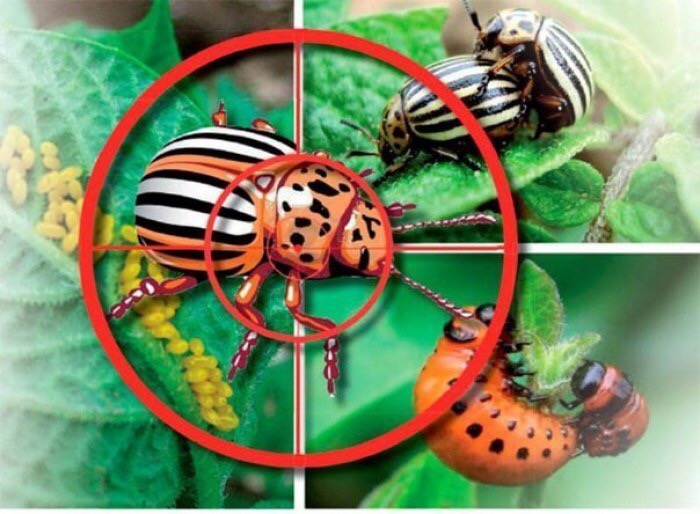
Active components may remain in the soil for a long time. For this reason, only mid-early, mid-season, and late potato varieties are suitable for chemical treatment.
For early varieties, it is advisable to use folk remedies or preparations that do not contain toxins.
Among the commonly used chemicals, Prestige is one such product. It's effective not only against insects but can also protect crops from certain diseases. After planting, the tubers will form a protective environment by absorbing active components from the soil. The product will enrich the fruit with an enzyme that will prevent beetles from feeding on it.
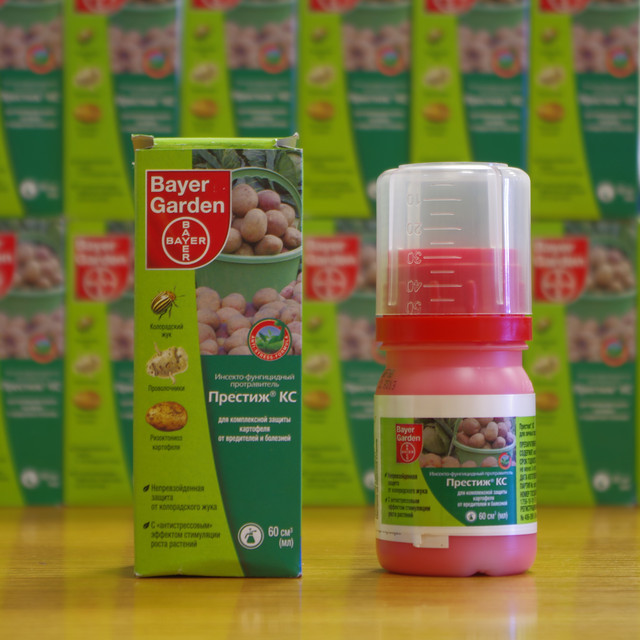
To further protect the future harvest, experts recommend treating not only the potatoes but also the soil before planting. Dilute 100 milliliters of Prestige per 6 liters of water. Apply the solution using a sprayer. Place the tubers on plastic film before spraying. This will increase the area covered and make the process more convenient.

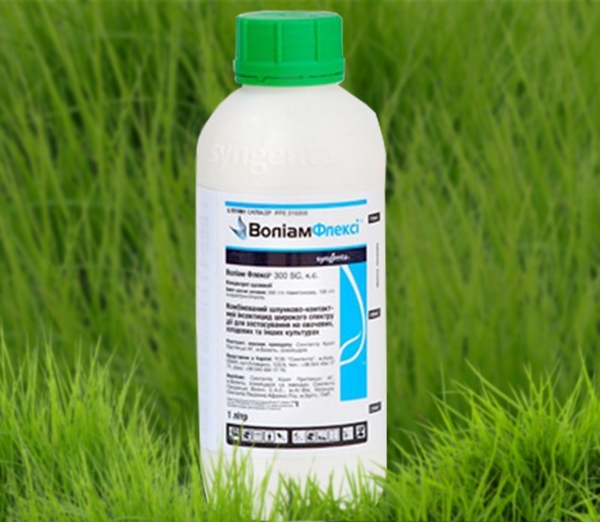

To treat potatoes against Colorado potato beetles, you can use Aktar, Voliam Flexi, Force, Celeste Top, Cruiser, and others. Read the instructions carefully before use.
Video: "The Process of Treating Potatoes with Prestige"
Potato processing with Prestige, filmed on video.
Non-toxic drugs
When planting tubers, you can use treatments that are relatively safe for human health and the environment. These are biological compounds. They have proven effective if applied early. If pests are actively spreading in the area, they will slow down their movement and reduce the intensity of their consumption of green matter.
The most common pesticides are Bicol, Fitoverm, and Agravertin. The pests die within 7-10 days. However, these non-toxic products are not effective against egg clutches found on potato plants. For this reason, it's best to use them after Colorado potato beetle larvae appear, and then repeat the treatment a little later.