
Instructions for growing and caring for cabbage in open ground
Content
Varieties for open ground
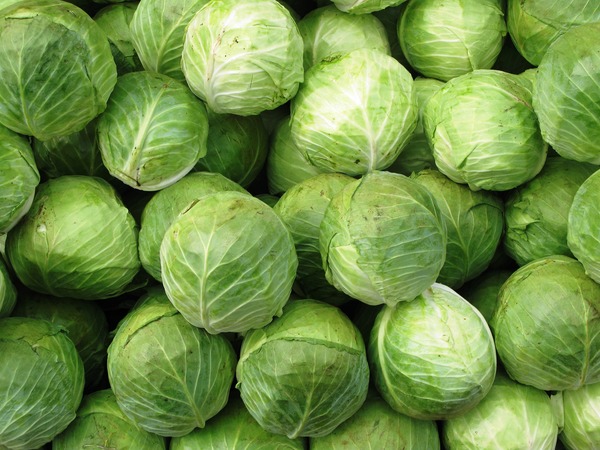
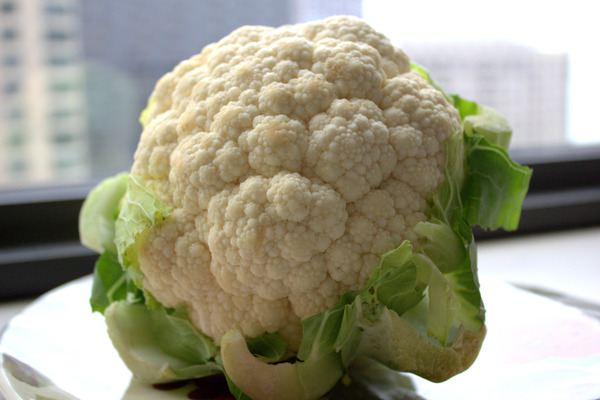
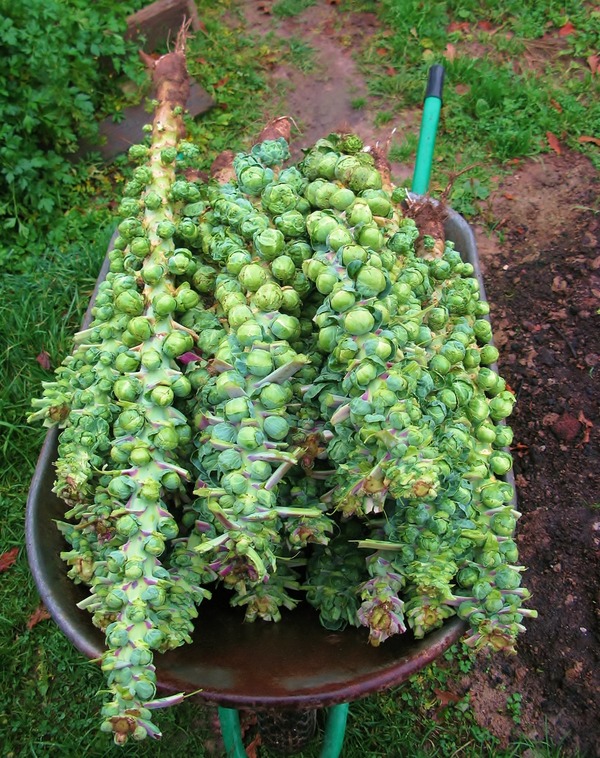
Most of us are most familiar with traditional white cabbage, but there are many varieties of this vegetable: cauliflower, broccoli, kohlrabi, Brussels sprouts, Chinese cabbage, Savoy cabbage, and so on. But the most common varieties found in Russian gardens are white and red cabbage.
Video: Planting in Open Ground
This video will show you how to effectively plant cabbage in open ground.
Basic rules for growing in open ground
Growing good cabbage outdoors isn't as easy as it might seem. The vegetable faces numerous challenges, from pests to soil moisture. Factors such as temperature fluctuations and soil properties also influence results. Furthermore, consider the light level of the area—cabbage is best planted in sunny beds.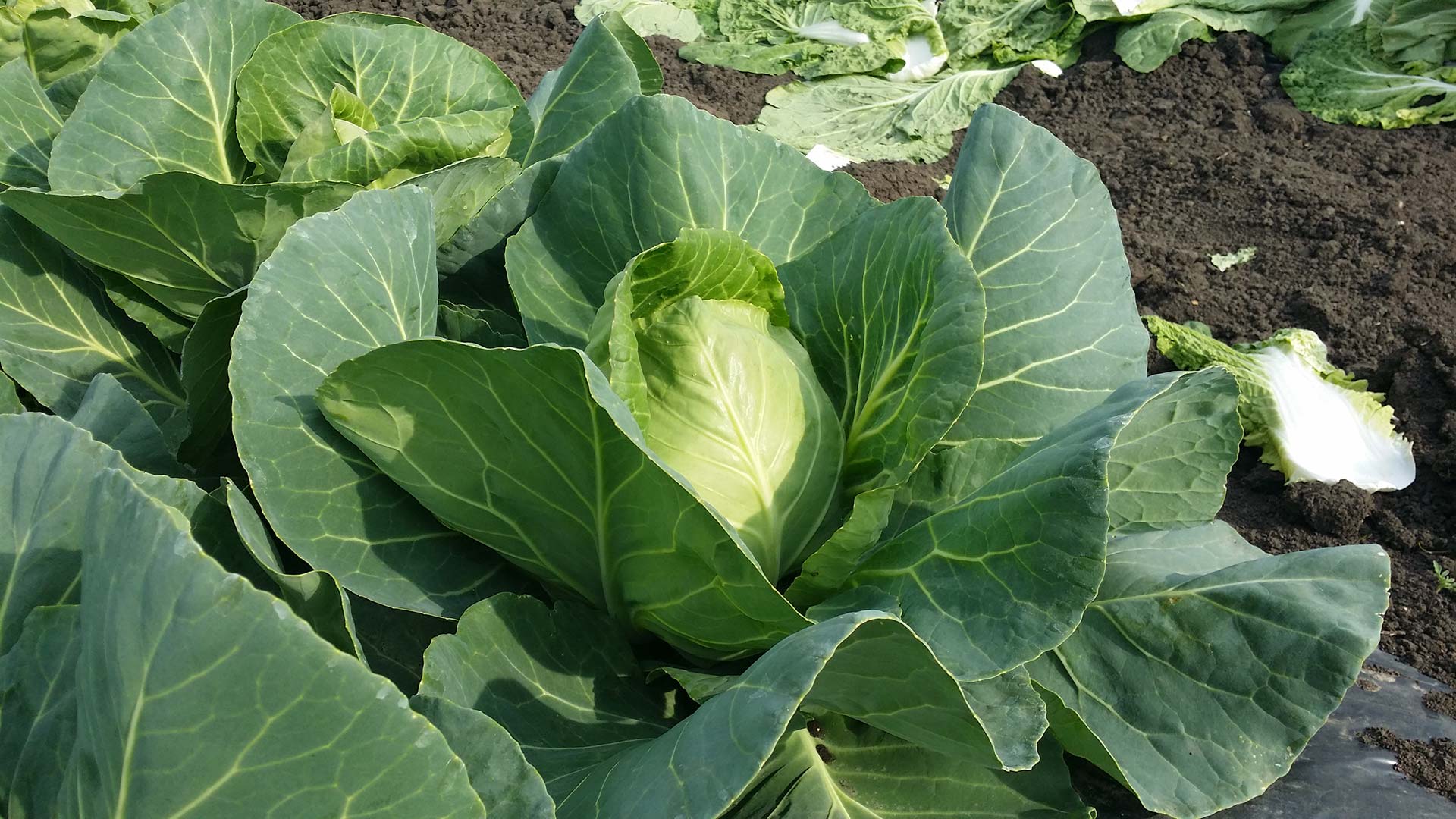
Pay attention to the vegetables that preceded cabbage—tomatoes, radishes, or beets are not suitable. These crops deplete the soil to the maximum, resulting in a significantly lower cabbage yield than you'd expect.
It's best to plant seedlings in beds previously occupied by legumes, potatoes, or cucumbers. Soil acidity also negatively impacts the yield—cabbage doesn't like it, so take steps to reduce acidic levels in advance.
Sowing and caring for seeds
When discussing how to grow cabbage, it's important to note that sowing seeds directly into the garden bed is strongly discouraged: the crop is grown from seedlings. Seeds are sown in small containers, and the mature, stronger shoots are transplanted into the ground once the weather warms up.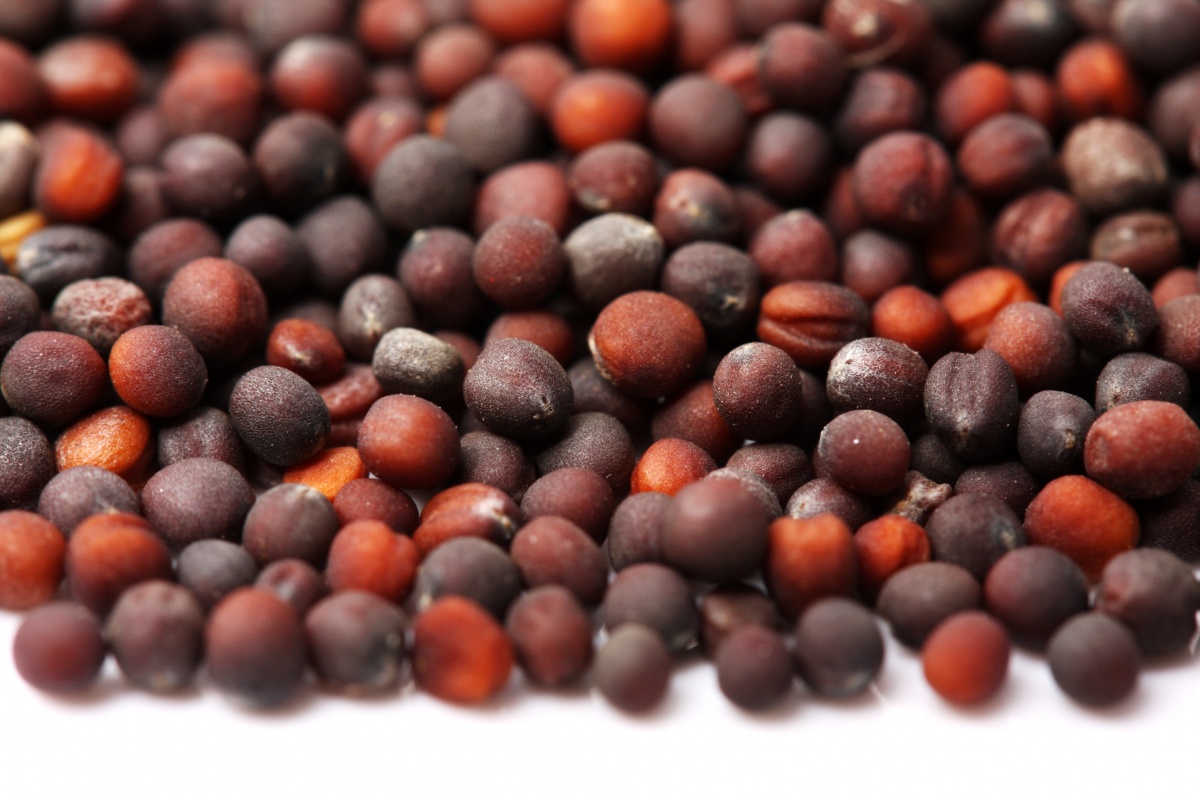
To grow good, viable seedlings, you need to choose the right soil: it should contain a large amount of peat.
The seedlings need to be pricked out, but you can skip this step. For cabbage to thrive, its cultivation and care in open ground must be properly organized: both seedlings and mature plants require adequate watering—excess moisture leads to root rot, while insufficient moisture contributes to the sprouts drying out or leading to stunted growth. The same applies to temperature and lighting—cold and insufficient light can cause sprouts to stretch and weaken.
It is noteworthy that the crops do not germinate immediately: in the first weeks after sowing, the crop develops very slowly, and the first pair of leaves may not appear until the 25th day.
Planting in the ground
To ensure a rewarding harvest, avoid planting weak seedlings in the open garden bed: only vigorous plants that have turned dark green and already produced two pairs of leaves should be transplanted into the open ground. The planting pattern is as follows: keep a distance of about half a meter between plants, and a full 80 cm between the next row.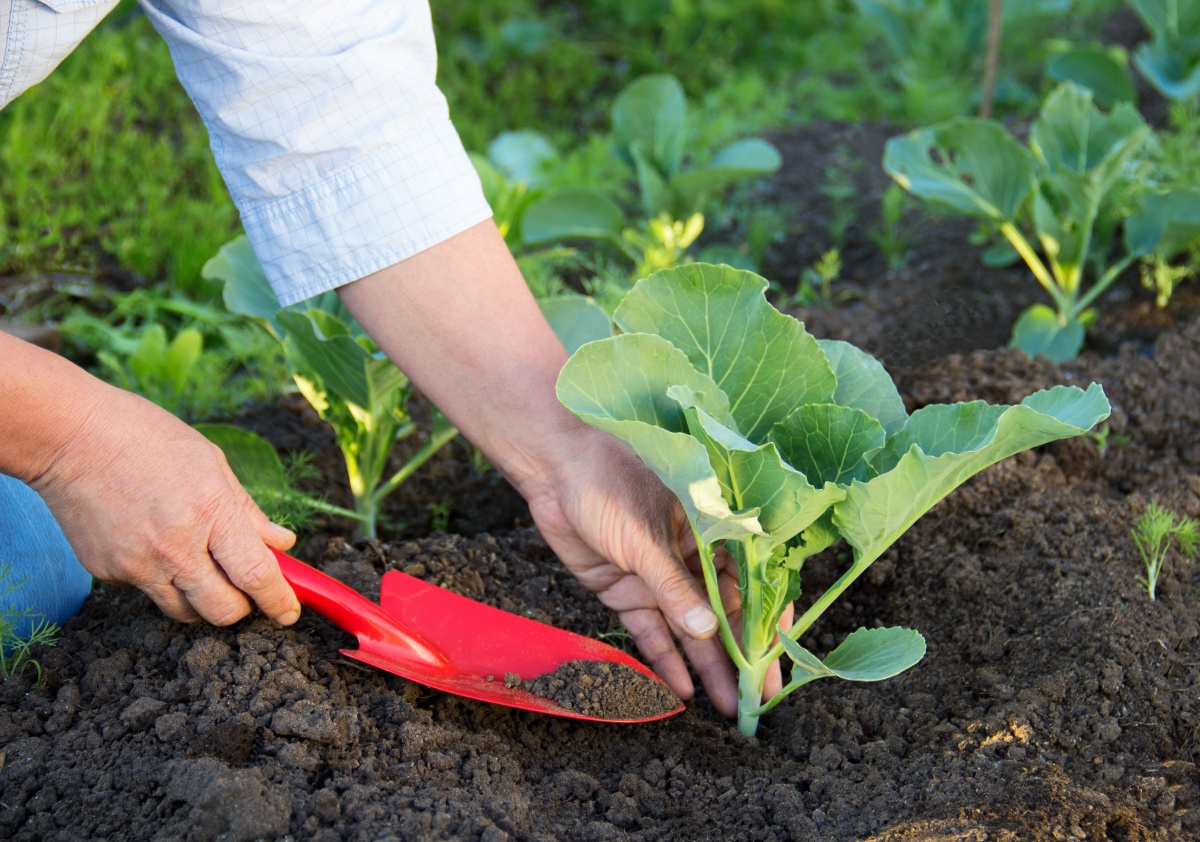
When planting, in addition to moistening the prepared hole, you need to add fertilizer. Compost is ideal for this. After compacting the soil around the seedling, water it thoroughly again to promote rooting. Be sure to ensure that the growing point of the seedling does not fall below ground level; burying it will doom the plant.
Care
If the planting process was successful and your seedlings have taken root, you can relax for a while; your cabbage won't require any special care at this point. All you need to do is maintain a proper watering regimen (water the cabbage beds moderately 2-3 times a week). After a while, you can reduce the frequency of watering to once, but it should be a generous one. Experienced gardeners recommend sprinkling rather than watering at the roots, which will moisten not only the soil but also the air around the plant.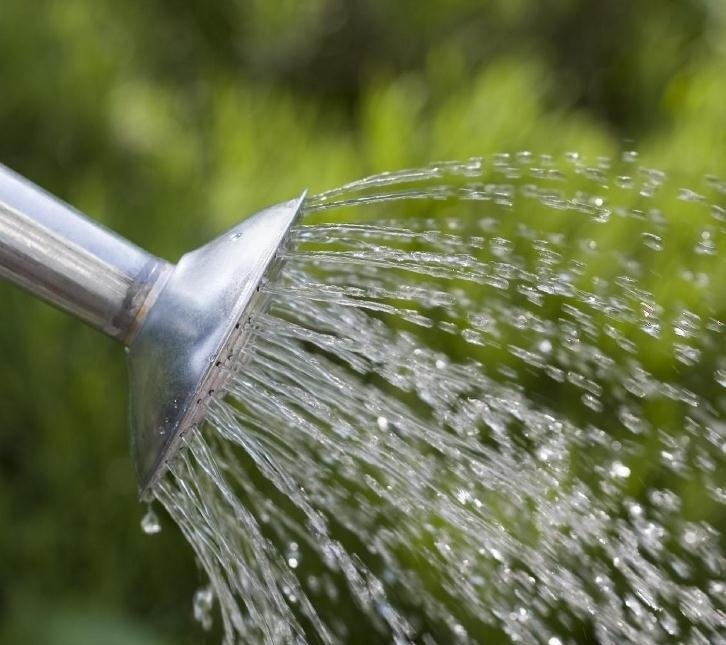
You also need to care for the soil in your cabbage bed, loosening it regularly, removing weeds, and monitoring for pests. Remember, many insects pose a threat to cabbage, so it's important to combat them as soon as a problem is noticed. Don't forget about regular fertilizing: the first application should be no earlier than 14 days after planting in its permanent location outdoors. The second application should be done two weeks later to support the growing plant. Subsequently, fertilize as needed, but don't overdo it to avoid harming the plants.
To ensure your cabbage grows properly, planting and especially caring for it outdoors must be consistent, as, like any garden crop, it requires care and attention. Harvesting is also crucial: although cabbage is cold-hardy and the heads can be cut off even by frost, don't delay harvesting too long: overripe cabbage will inevitably crack. If you harvest it prematurely, the heads will inevitably wilt, losing their marketable appearance and flavor.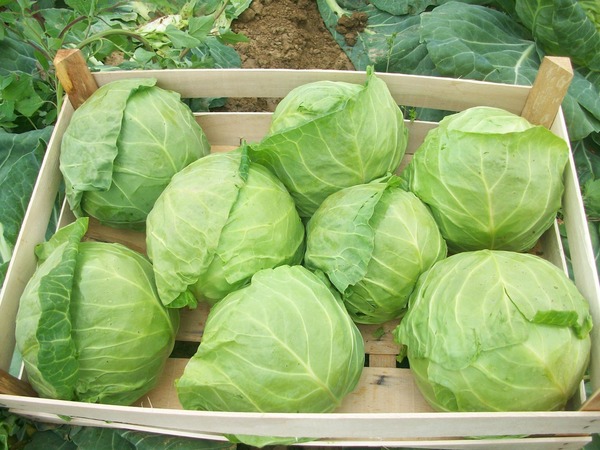
These are all the simple rules you need to follow to get the harvest of your dreams and avoid any hassle while growing your favorite vegetable. Remember that deviating from even one of these guidelines can have negative consequences, potentially not only depriving you of a long-awaited harvest but also putting you off gardening forever. Don't risk your nerves and worries; do everything right, and may you have a good harvest!
Video "Leaving"
From the video you will learn how to properly care for cabbage.