
Types of cabbage and their beneficial properties
Content
About cabbage
Cabbage is one of the oldest cultivated plants, cultivated by humans since ancient times. All existing cabbage species belong to the Brassicaceae family. Thanks to the work of plant breeders, a wide variety of cabbage varieties are now known. Each plant has its own characteristics and cultivation techniques, which has allowed the vegetable to spread widely across the world. It is especially commonly grown in Europe and the Americas.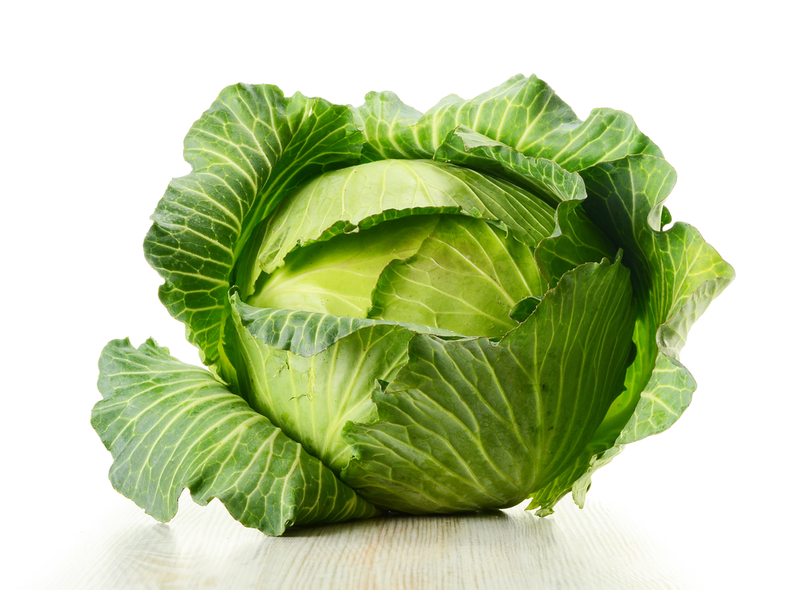
All cabbage varieties have a long shelf life, maintaining their beneficial properties and nutrients. It's a tasty and healthy garden crop with excellent medicinal properties. Different varieties (including F1 hybrids) contain the following substances in varying proportions:
- mineral salts (calcium, phosphorus, potassium and sulfur);
- vitamins A, C, B1, B6, as well as K, P and U. It is thanks to these vitamins that the plant has many medicinal properties (for example, an antiulcer effect);
- lactose;
- phytoncides;
- fats;
- lysozyme;
- lipase.
But the largest percentage of the head of cabbage (90%) is occupied by water.
Gardeners value this vegetable for its flavor and excellent shelf life. When properly stored, the harvested crop can last all winter without losing its valuable properties.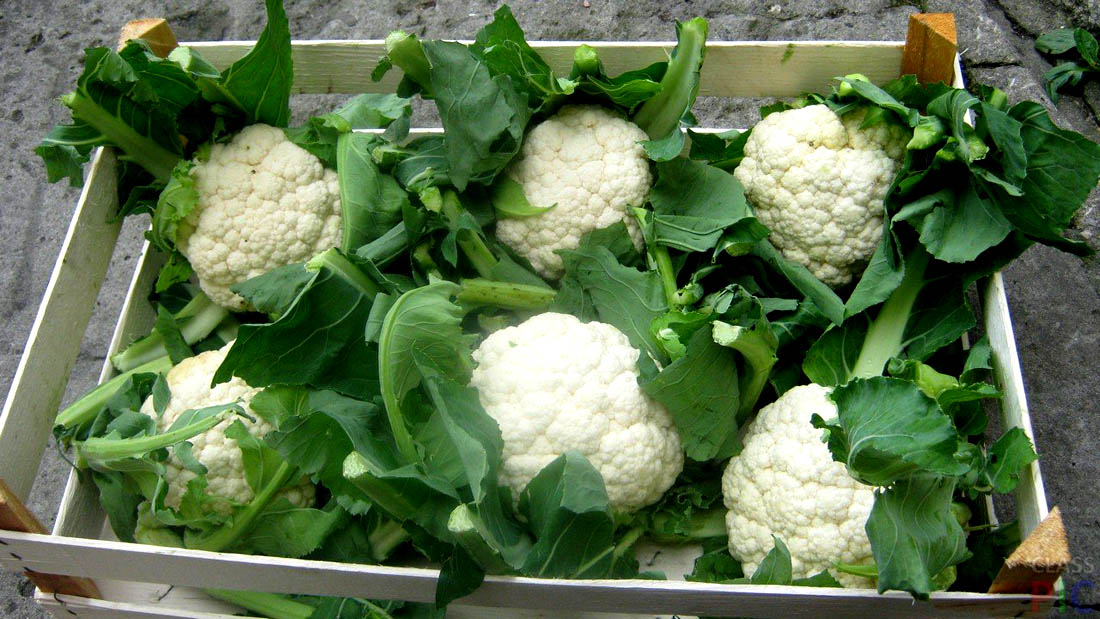
Different types of cabbage have a variety of culinary uses. This plant can be eaten fresh or used as an ingredient in salads, soups, and side dishes. It can be stewed, fermented, pickled, and fried. The heads are used in a variety of cuisines. But its diversity is particularly great in Russian cuisine, where it can be used as a filling for pies or as an ingredient in soups (such as shchi).
As a result, this vegetable is an excellent cultivated plant, the cultivation of which in the garden or vegetable garden will bring many positive moments.
Video "White Cabbage Centurion F1"
In this video you can see how white cabbage ripens.
Popular types
The popularity of this crop worldwide is due to its wide variety. Thanks to such a vast array of varieties and F1 hybrids, this garden plant can be found in fields across the globe.
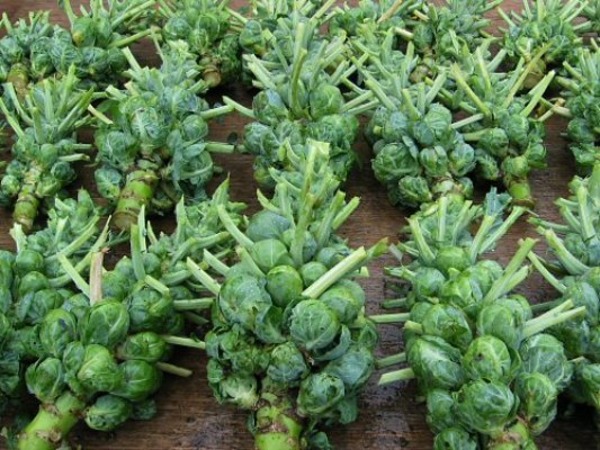
Plant varieties differ from each other in the following ways:
- agricultural technology;
- external appearance;
- nutrient content;
- place of growth;
- beneficial properties, etc.
Let's look at the most popular types of cabbage today and what characteristics they have. The best varieties of cabbage are actively grown by gardeners throughout the country.
White cabbage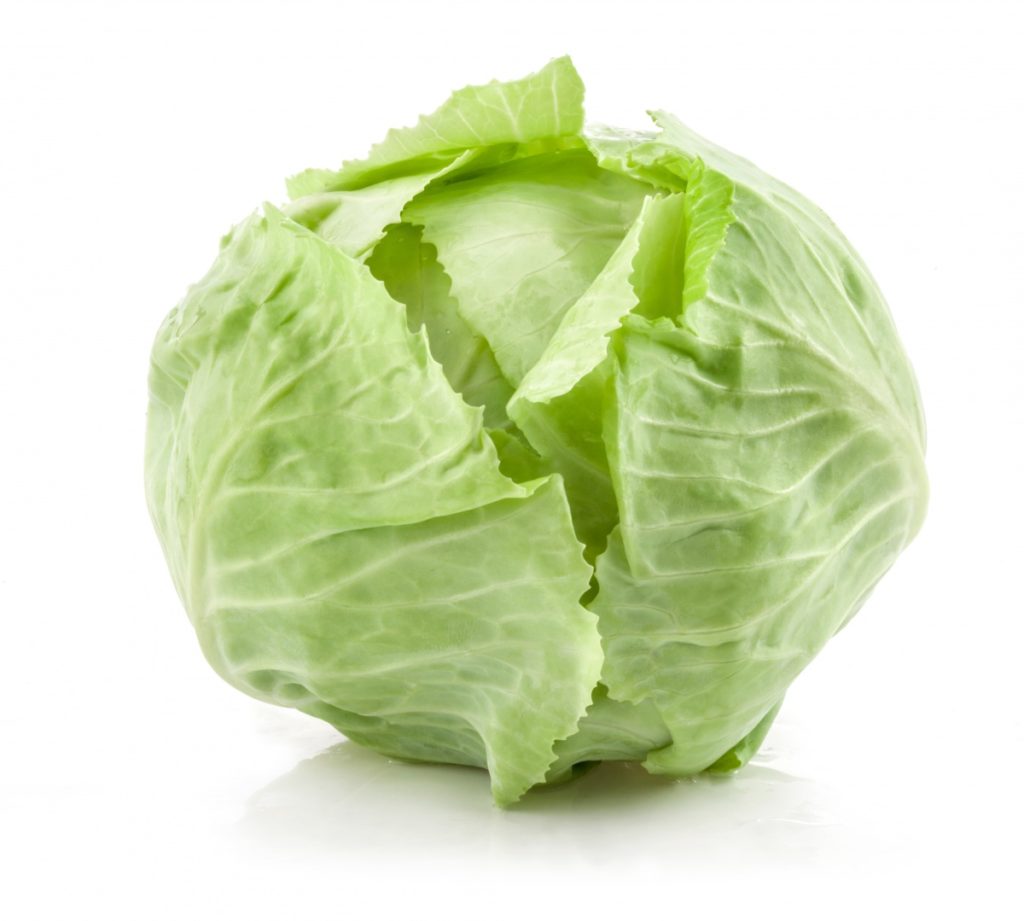
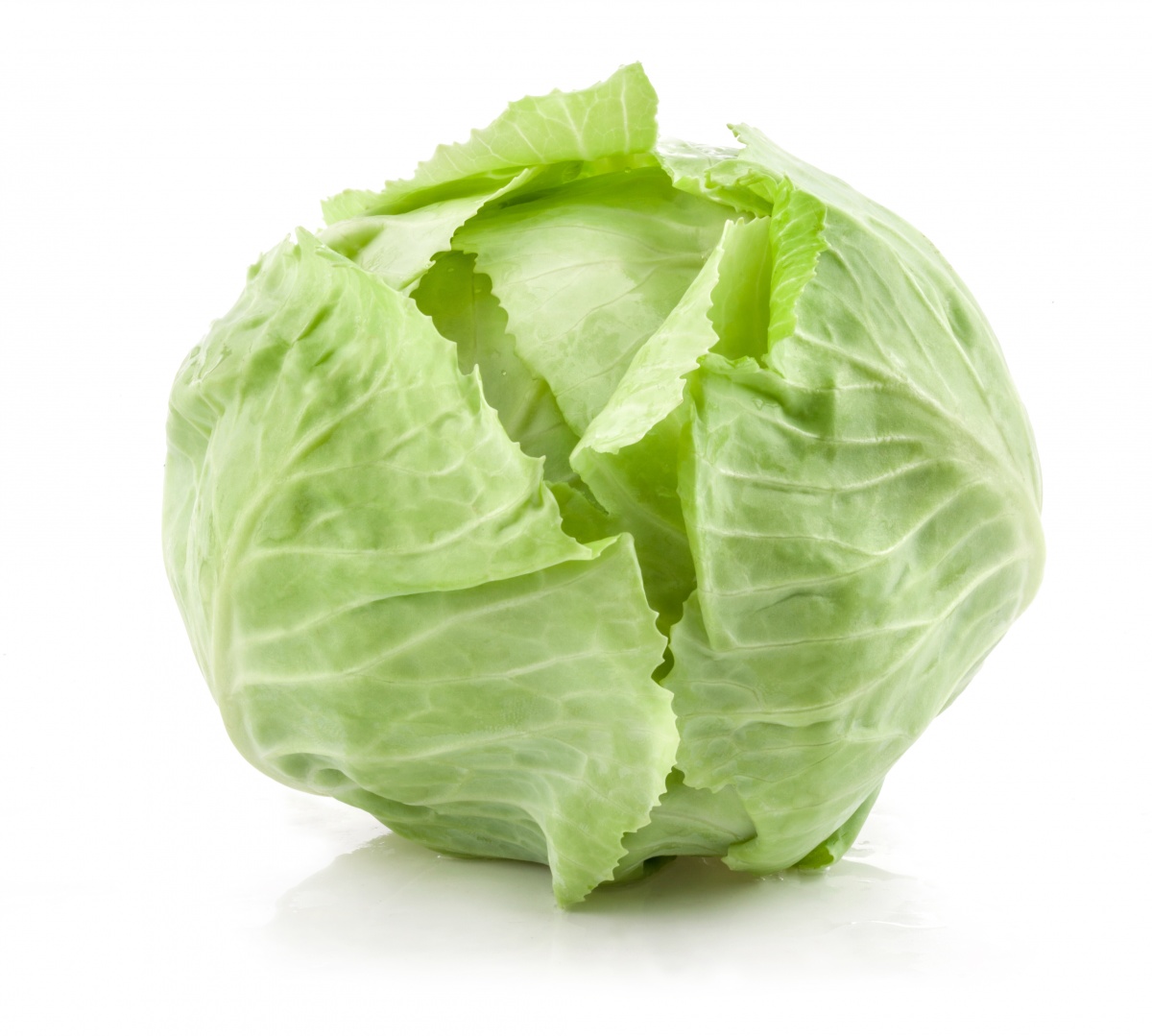
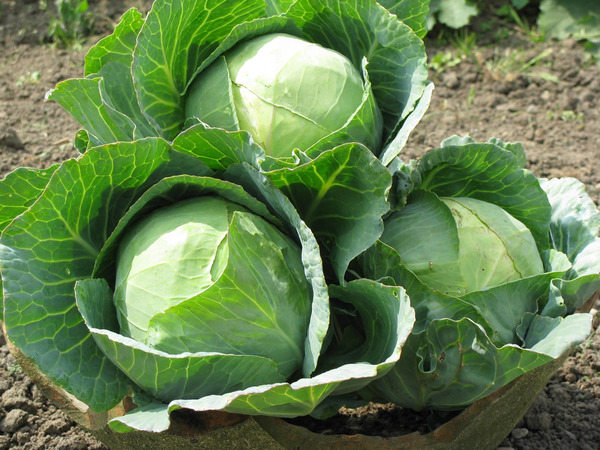
The most popular type of this vegetable today is white cabbage. It is the one most often grown by gardeners in our country. White cabbage varieties are very rich in minerals and vitamins. But their most important advantage is considered to be their high content of ascorbic acid, or vitamin C. All F1 varieties and hybrids of this plant contain a higher percentage of vitamin C than tangerines and lemons. In addition to vitamin C, the heads of this plant are rich in vitamin U, which imparts wound-healing and anti-ulcer properties. Therefore, white cabbage varieties are considered a valuable dietary product. Despite the high popularity of this vegetable, there are equally healthy varieties of cabbage that are also widely grown in gardens across the country.
Red cabbage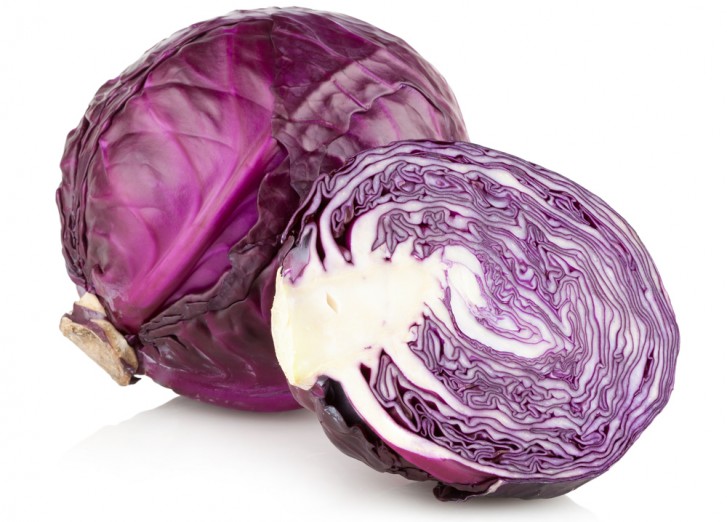
After white cabbage, red cabbage is the second most popular vegetable. It differs from its white cousin not only in color but also in its chemical composition. Its heads contain several times more vitamin C. This vitamin, combined with anthocyanins, gives the vegetable its powerful antioxidant properties and its distinctive color. Its unique chemical composition allows the plant to be used medicinally to regulate the permeability of blood vessels. Therefore, red cabbage varieties are often consumed to prevent cardiovascular conditions.
Breeders have developed many F1 hybrids of this species, making it suitable for cultivation in various regions of the country. All varieties of this cabbage have increased cold and heat tolerance, as well as late ripening.
Cauliflower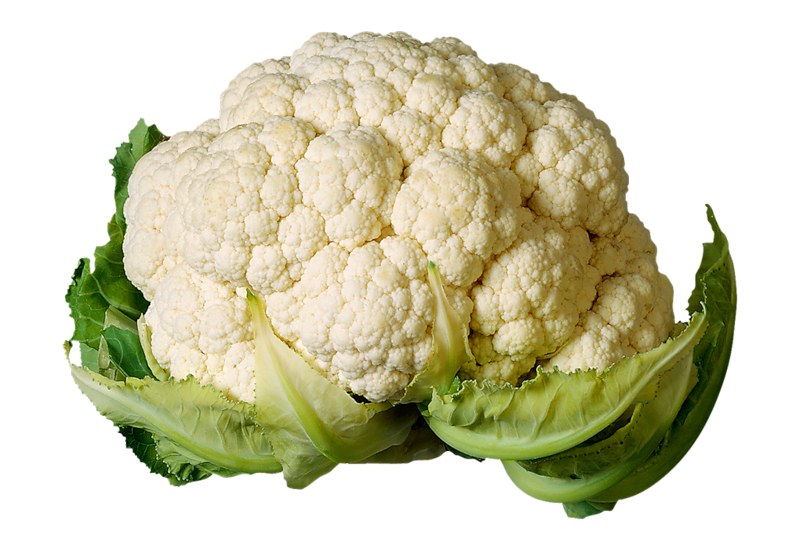
Cauliflower is another popular cultivated vegetable. All F1 hybrids and varieties of this plant form characteristically shaped heads during the growing season. They resemble numerous small inflorescences. This vegetable differs from white cabbage in its content of omega-3 fatty acids and plant protein. Its heads are also rich in various acids: citric, malic, and tartaric. These acids help with weight loss. Therefore, its F1 hybrids and varieties are considered among the most important dietary products.
Another distinctive feature of this plant is its high content of folate and B vitamins. Therefore, cauliflower varieties are recommended for inclusion in the diet of pregnant women, as their composition is very beneficial for fetal development. A deficiency in these nutrients often leads to birth defects.
Black cabbage is a variety of cabbage. This vegetable gets its name from the distinctive color of its inflorescences. It is characterized by black or dark purple flowers. It originates from Sicily, which is why it is often called Sicilian cabbage. This heat-loving plant is grown in the southern regions of our country. It forms heads whose black coloring makes it stand out from other cabbage crops. The plant produces oblong leaves with a waxy coating. The heads come in a variety of colors, depending on the variety. They can be black or dark purple. Black cabbage, unlike cauliflower, is distinguished by its higher nutritional value. It is especially rich in vitamin A. If boiled in salted water, the leaves acquire an emerald color. When cooled, the leaves are used as a decorative garnish.
Cabbage varieties such as white cabbage, red cabbage and cauliflower are the most popular in our country and are often grown by gardeners and vegetable growers.
Brussels sprouts
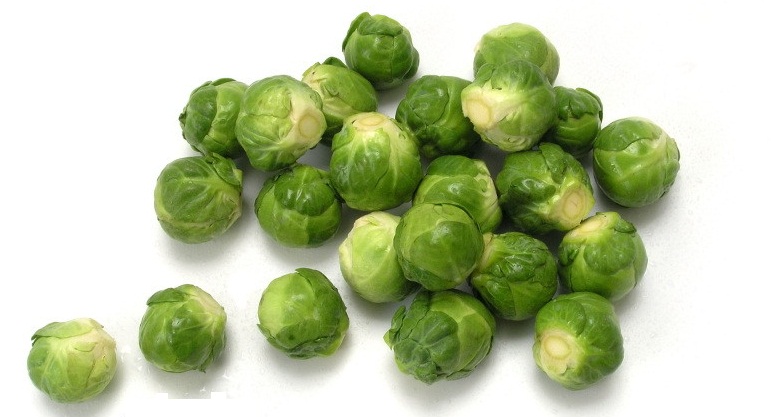
Another interesting variety of this vegetable is Brussels sprouts. This type is most popular in Europe. Its heads are small but contain a lot of fiber, which has a positive effect on the stomach and intestines. Due to its high content of lutein and vitamin A, this vegetable is very beneficial for vision.
But the most important property of this vegetable is its effectiveness in treating various oncological conditions. This vegetable is especially useful for breast, prostate, and ovarian cancer. It is also beneficial for pregnant women, as it can reduce the risk of congenital defects. Another beneficial property of this vegetable is its ability to lower cholesterol.
The beneficial substances contained in this vegetable help fight colds. Overall, it can be concluded that this plant has an extremely beneficial effect on the human body.
Broccoli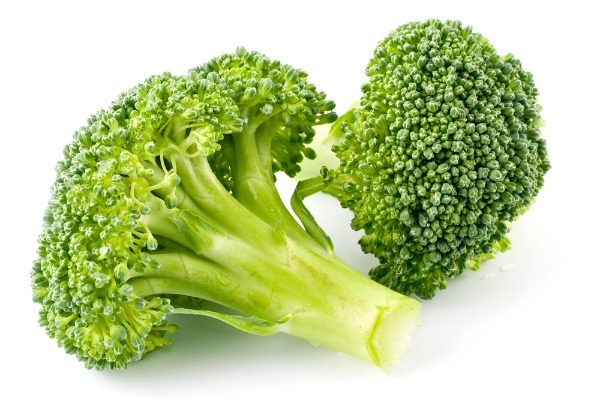
Broccoli is also a well-known variety of this vegetable. Its chemical composition is similar to that of the plant described above, and it even shares properties with cauliflower. Broccoli contains chlorophyll, which has a beneficial effect on blood composition, promoting oxygenation. In general, broccoli has the most beneficial effect on the human cardiovascular system. It is also beneficial for the nervous system.
It's not a calorie-dense product. The body spends more energy digesting it than it receives.
Savoy cabbage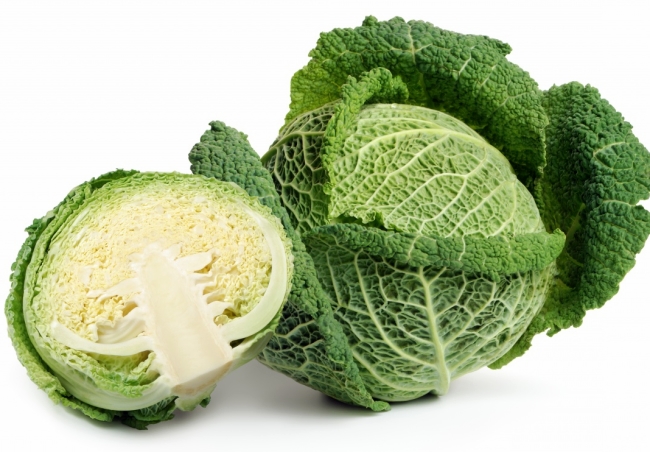
Another type of this vegetable is Savoy cabbage. It is considered a close relative of white cabbage varieties. Despite this, few people know about it. The vegetable's homeland is Italy, where it enjoys its greatest popularity. Due to its chemical composition, this vegetable is beneficial for people with diabetes. Its consumption is recommended for the following conditions:
- swelling;
- Kidney disease. The heads of this species have a mild diuretic effect;
- The development of pathogenic microflora in the body. Mustard oils, which are part of the vegetable, help combat pathogenic microflora;
- diabetes mellitus.
Unlike other species, this variety is characterized by high nutritional value and caloric content.
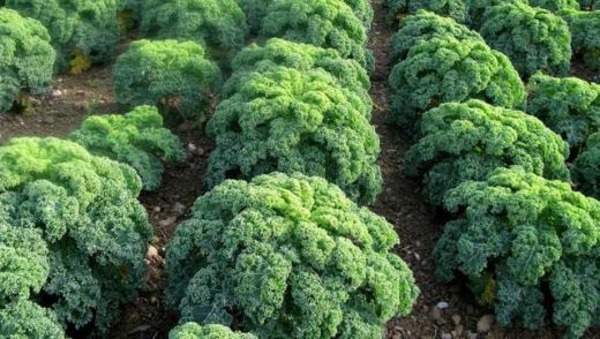
Calais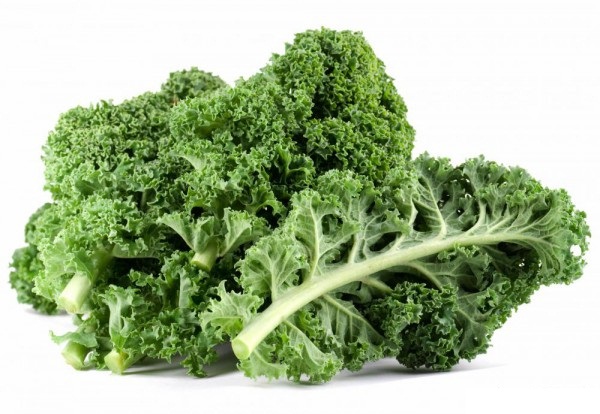
One of the healthiest varieties of this vegetable is kale. It's a very beneficial food for the human body. The plant is rich in various nutrients. It's especially beneficial during periods of intense exercise. It should also be included in the diet during recovery periods.
Kale's main feature is its high amino acid content. Its composition is similar to that of meat. Therefore, this vegetable is beneficial for people who have eliminated all animal products from their diet. Just 200 grams of kale leaves will cover a person's daily protein requirement.
It's worth noting that the plant contains a lot of calcium. It even exceeds milk in calcium content. Therefore, kale is beneficial for children, especially during their period of active growth.
Romanesco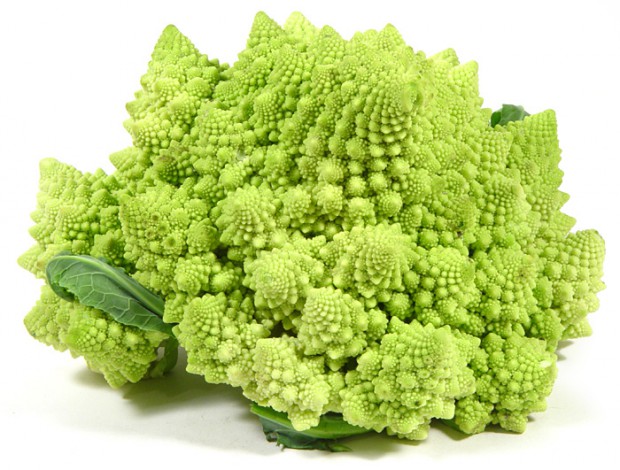
A little-known but highly beneficial variety is Romanesco. Originating from Italy, it is characterized by a creamy, nutty, mild flavor and a delicate texture. Its health benefits are similar to those of broccoli and cauliflower. This is because it is a cross between the two varieties. However, Romanesco's primary value lies in its beneficial effects on metabolism, particularly carbohydrate metabolism. It also has a positive effect on blood vessels.
As we can see, there are currently a variety of cabbage varieties. Each variety has its own characteristics and beneficial properties. Including Romanesco in your daily diet will help maintain optimal health. Furthermore, it is an excellent remedy for many illnesses and pathological conditions.
Video: Growing Different Types of Cabbage
Video on how to properly grow cabbage: white cabbage, cauliflower, broccoli, kohlrabi, and Chinese cabbage.