
Features of growing cauliflower in open ground
Content
General characteristics
Our gardeners' affinity for this attractive annual plant from the cruciferous family is understandable. It's extremely healthy. It has twice the protein of white cabbage and three times the vitamin C. This vegetable contains many nutrients essential for health, including sodium, potassium, calcium, iron, phosphorus, and magnesium. Anyone struggling with excess weight should definitely include cauliflower in their diet. It contains tartaric acid, a fat-destroying nutrient. Furthermore, this miracle vegetable is excellent for removing cholesterol from the body, strengthening blood vessels, and helping prevent cancer in women.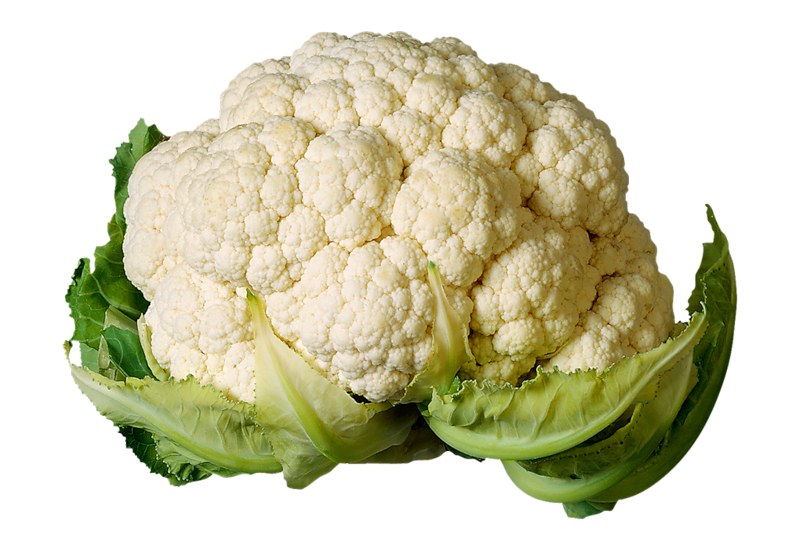
Well, there's probably no need to elaborate on how delicious cauliflower is in cooking. Everyone knows it. Dozens of delicious dishes are prepared with it. It's also wonderful preserved for the winter.
Cauliflower's ease of cultivation, despite its rather aristocratic past, certainly speaks in its favor. Yes, indeed! At the dawn of its popularity in Russia, in the 17th and 18th centuries, curly kale was a favorite dish of members of the royal family and those especially close to the emperor. And back then, just imagine, seeds for seedlings were imported at exorbitant prices from as far away as Malta.
These days, cauliflower thrives in the garden. Its only requirements are fertile soil and adequate moisture. But let's take things one step at a time, starting with the very first step: preparing for planting. After all, when you're getting to know a new vegetable crop, there are no small details.
Video "Growing"
From the video you will learn how to grow cauliflower.
Preparing material for planting
If you already have experience growing white cabbage, you can use this advice. It's applicable at all stages of growing and caring for the crop, starting with preparing the seedlings.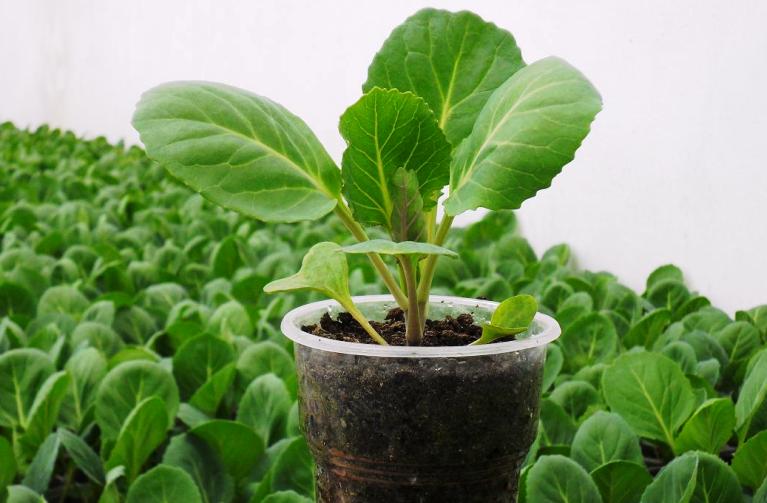
The future garden bed should meet two basic requirements: it should be open and well-lit. The soil should be neutral and rich in humus. Legumes, root vegetables, onions, and cucumbers (preferably early varieties) are recommended as precursors. After harvesting these crops, you should:
- cultivate the soil with a hoe (6-10 cm depth is sufficient);
- dig up;
- add manure or compost (7-8 kg per 1 sq. m);
- Apply mineral fertilizers before planting;
- dig it up again.
The most prudent vegetable growers conduct tests by growing a sample batch of seeds on damp cloth. This is done to determine their germination rate. High-quality seeds should germinate within 5 days.
We grow seedlings in boxes (2-3 g of seeds per box). Before sowing, however, the seeds need to be soaked in a cheesecloth bag for 12 hours in room-temperature water.
Another option: soak the seeds in hot water for up to 15 minutes, then immediately transfer them to cold water. This contrasting bath will significantly increase the plant's resilience.
Experienced vegetable growers recommend soaking the seeds in a solution of any mineral fertilizer for another 24 hours. Then rinse thoroughly, dry lightly, and store in a very cool place for a while, with a temperature no higher than 1-2 degrees Celsius. This is said to strengthen the cauliflower's immunity to common diseases.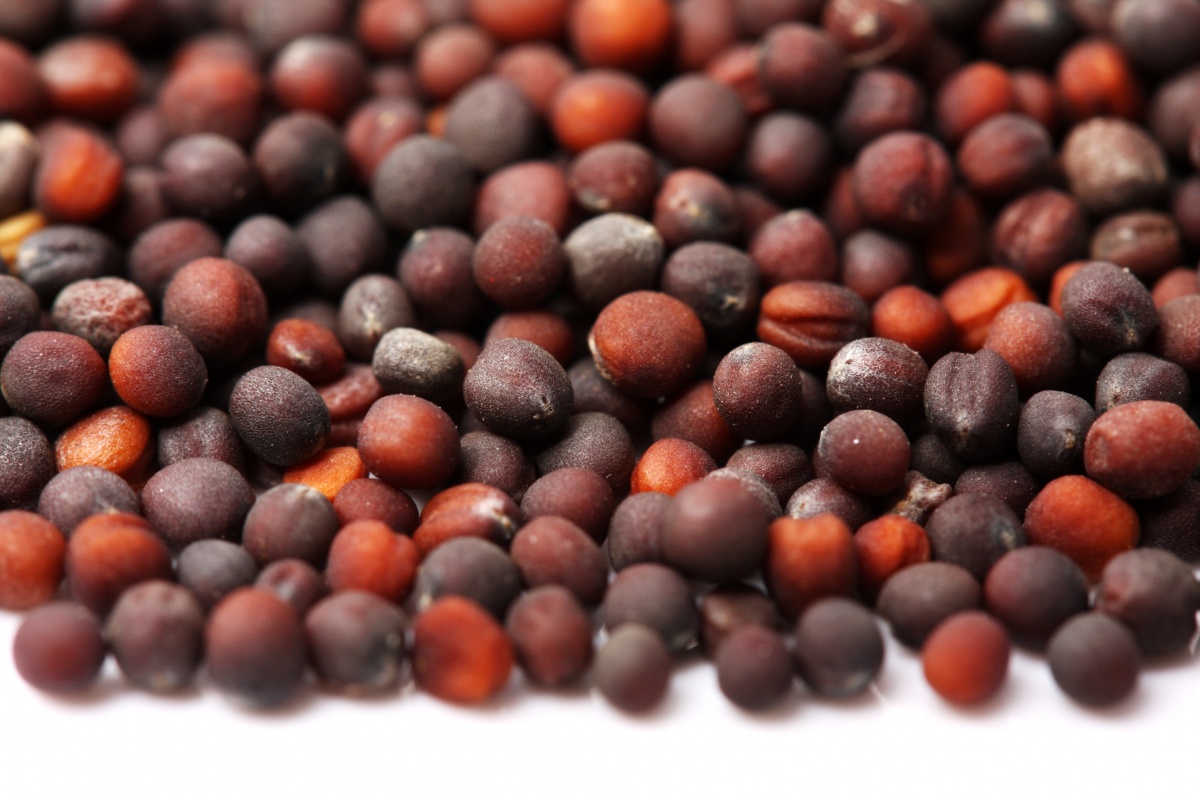
If you've chosen an early variety, it's time to sow the seeds between March 5th and 10th. For late varieties, sow the seeds in the second ten days of March.
Before sowing, moisten the soil in the seedling trays. There's no need to plant the seeds too deeply; 1 cm is sufficient. Cover the seeds with soil and sprinkle some sand on top. This will strengthen the health of the future seedlings and make caring for the cauliflower easier.
The system then goes like this:
- until seedlings appear, seed boxes with seeds are kept at a temperature of +20-25 degrees;
- shoots have appeared - reduce the temperature to +10;
- we make sure that the temperature does not rise above +20 degrees;
- picking is carried out 2 weeks after the emergence of seedlings;
- The beginning of May is the time for planting in open ground.
Planting seedlings in open ground
Early varieties are planted outdoors in the first ten days of May, while later varieties are planted in the second ten days of May. It's best to rely on the weather rather than the calendar. Even if the time has come and the temperature outside hasn't risen above 15 degrees Celsius, reschedule the planting. After all, cauliflower's Mediterranean origins should be taken into account and it should not be exposed to extreme conditions.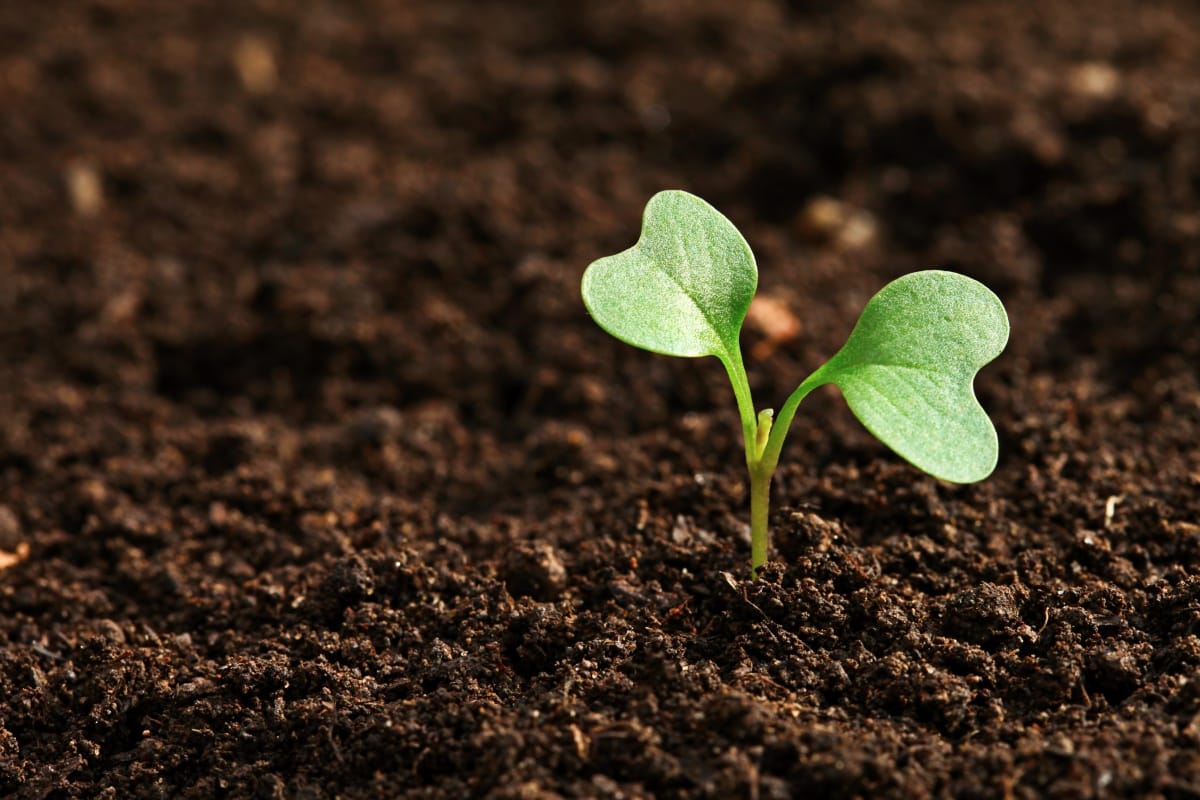
Of course, you chose the bed where you'll be growing it back in the fall. When grown outdoors, cauliflower requires significant spacing between plants. By planting the seedlings approximately 25 cm apart, you'll create favorable conditions for the sprouts and prevent them from competing for nutrients. Row spacing should be at least half a meter.
Prepare the hole as follows: Add a pinch of ash to each hole and mix it thoroughly with the soil. Add 1 liter of water and place the seedlings in the hole.
How to care for seedlings? Thin them out, water them regularly (once a week), and loosen the soil after each watering—as well as after rain. Wood ash is an effective pest control agent. You can also use tobacco dust instead.
Spraying with organic solutions, rather than chemicals, is also suitable: for example, a decoction of onion peel or tomato stems.
Cauliflower responds well to fertilizer. Feed it monthly with diluted bird droppings or manure.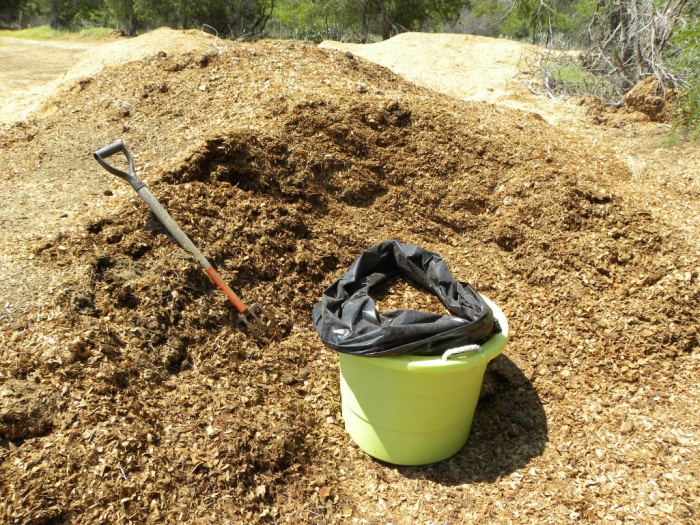
The spaces between rows require special attention. They need to be cultivated and loosened.
And another important point: you're used to thinking that cauliflower's curls should be white, right? Know that they will only be this way thanks to your efforts: protect the plant from the sun by folding back the two top leaves. Without this "umbrella," you'll end up with dark cauliflower.
Recommendations for harvesting and storing crops
It's harvest time. The average yield is at least 2 kg per square meter of garden bed.
Experienced vegetable growers judge the ripeness of the head of cabbage by eye. For beginners, cauliflower ripens in 90-120 days. This means the harvest is ready by the end of summer. Heads of cabbage are harvested with 3-4 leaves.
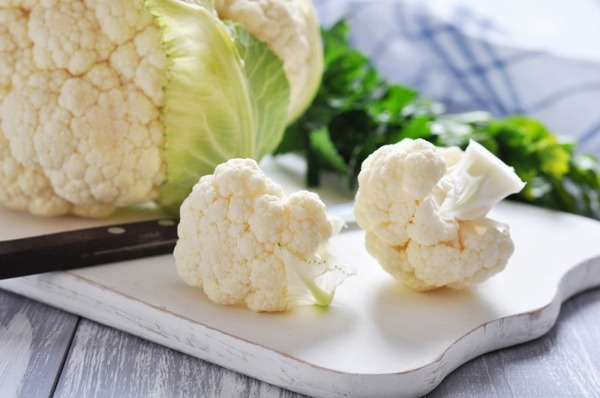
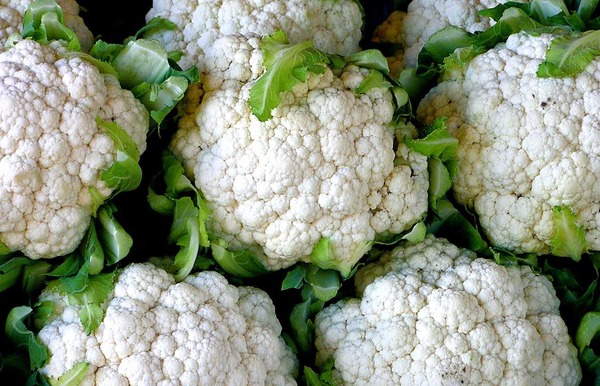
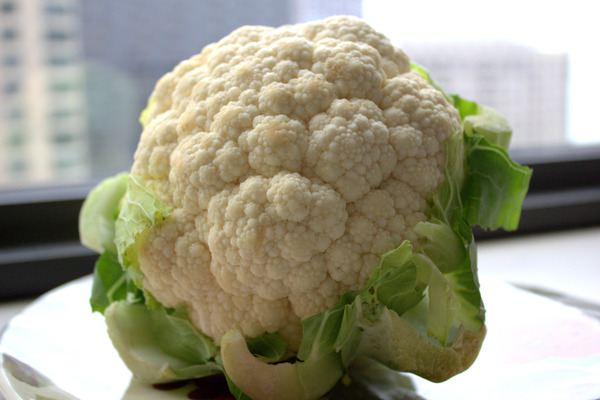
You may discover that the weather is changing, and not all the cauliflower heads are ripe. What should you do? Are they all lost? Not at all. These heads are carefully dug up, roots included, and left to grow. Heads that have reached 5 cm in diameter and have two dozen leaves have a chance of surviving. These should be placed in a hotbed or greenhouse. At temperatures above 5°C (41°F), they will ripen just in time for winter, and you might have a very unexpected dish on your New Year's table: fresh cauliflower.
You can just as easily place the cuttings in the basement to continue growing. No special procedures required: just hang them upside down and wait.
How long does this vegetable last? Quite well. Cauliflower will keep undamaged for 3-4 months under proper storage conditions. This requires a cool, almost cold, room with a temperature below freezing and high humidity. Cauliflower stored in boxes and covered with plastic will keep well.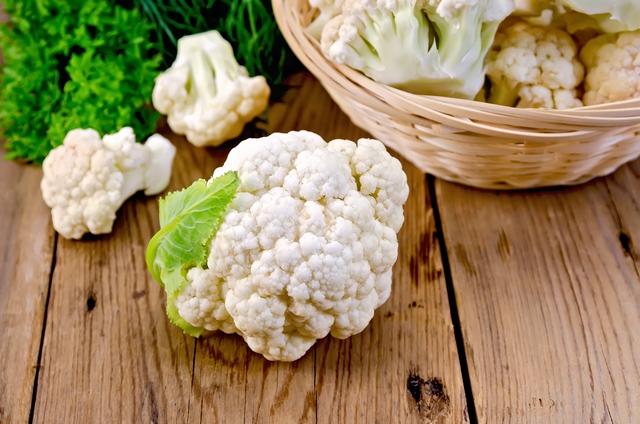
It will keep for about a month and a half in the refrigerator. If you have a freezer, cut the florets into florets, wash them thoroughly, and separate them into bags. This delicious vegetable will be ready to serve at any time.
Video "Storage"
From the video you will learn how to store cabbage.