
Tips for growing cauliflower
Content
Properties of cauliflower
Nutritionists and vegetable growers value cauliflower for its pronounced health benefits. Many varieties of cabbage (white cabbage, kohlrabi, and others) are beneficial for the human body. But cauliflower is probably the healthiest of all the varieties and types. This conclusion was reached based on the fact that this variety is richest in minerals and vitamins, which are present in a wide range.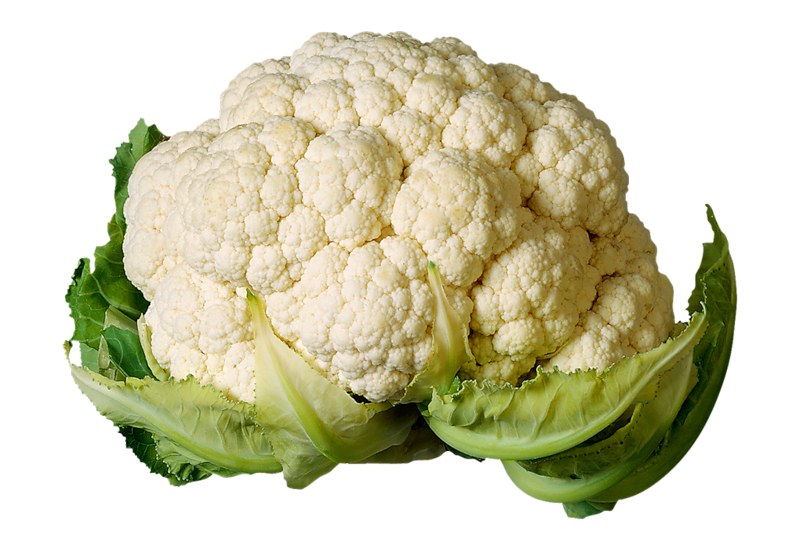
Cauliflower's primary health benefits stem from its high content of vitamins A, B, and C. These vitamins are several times greater than those found in lemon. In addition to these, cauliflower also contains vitamins E, K, D, H, and U. Vitamin U is the most valuable, as it is necessary for enzyme formation. In addition to vitamins, the vegetable also contains the following nutrients:
- carbohydrates;
- proteins;
- starch;
- fiber;
- various amino acids;
- organic and polyunsaturated acids;
- purine compounds;
- pectins;
- Sahara.
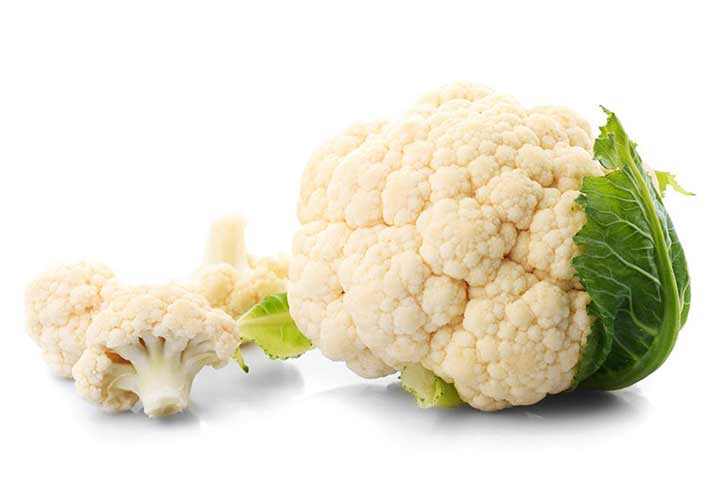
It's worth noting that this vegetable also contains biotin, which prevents various skin conditions and strengthens the nervous system. Cauliflower also contains malic, tartaric, and citric acids. It's also rich in various minerals and salts (cobalt, potassium, phosphorus, etc.). This rich chemical composition gives the plant its distinct beneficial and medicinal properties. Furthermore, cauliflower is low in calories. Eating this vegetable can quickly fill you up. Therefore, including it in your daily diet can help prevent excess weight gain.
In folk medicine, this vegetable is often used as a remedy to combat various ailments, as well as for overall strengthening of the human body. The medicinal properties of this cultivated plant include the following effects:
- anticarcinogenic;
- cleansing the body of waste and toxins;
- prevents the formation of cancer cells;
- improvement of hematopoiesis;
- strengthening bones and blood vessels;
- rejuvenation;
- normalization of metabolic processes;
- increasing immunity.
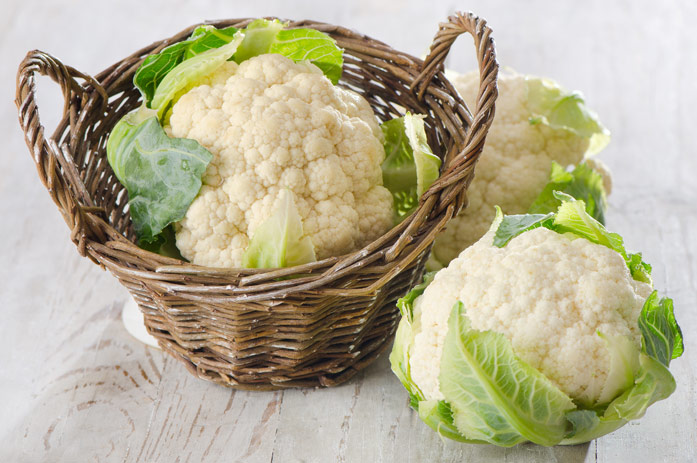
As we can see, cauliflower will become a valuable acquisition for your garden.
Video: "Cauliflower Growing Experiment"
This video shows how to properly grow cabbage in the garden.
Features of cultivation
Growing cauliflower requires vegetable growers to adhere to certain requirements and agricultural practices. When growing this vegetable, the following care is essential:
- Cabbage requires long days. Proper lighting and care are especially important when growing seedlings. While seedlings require supplemental lighting in the evening, adult plants quickly form heads with longer days (meaning the light portion). However, the quality of the inflorescence will be higher with shorter days. To shade the plant, remove the leaves. To do this, simply remove the two bottom leaves and cover the head with them.
- Caring for cauliflower always involves taking temperature into account. It should be kept at a temperature between 15-18°C. Ot the plant slows down its growth rate, which negatively affects the development of inflorescences;
- This crop requires ample and abundant watering, as it does not tolerate even short-term drought. Therefore, frequent watering is essential. The soil should always be kept moist.
This vegetable (green, white, or other varieties) is grown in sandy loam and loamy soils. Due to its shallow root system, cold and heavy soil is unsuitable. It's also important to remember that this vegetable doesn't do well in acidic soils. Therefore, when preparing the soil in the fall, it's recommended to add dolomite flour or slaked lime to the soil. The recommended application rate for flour per square meter is approximately 400-800 grams, and for lime, 200-400 grams.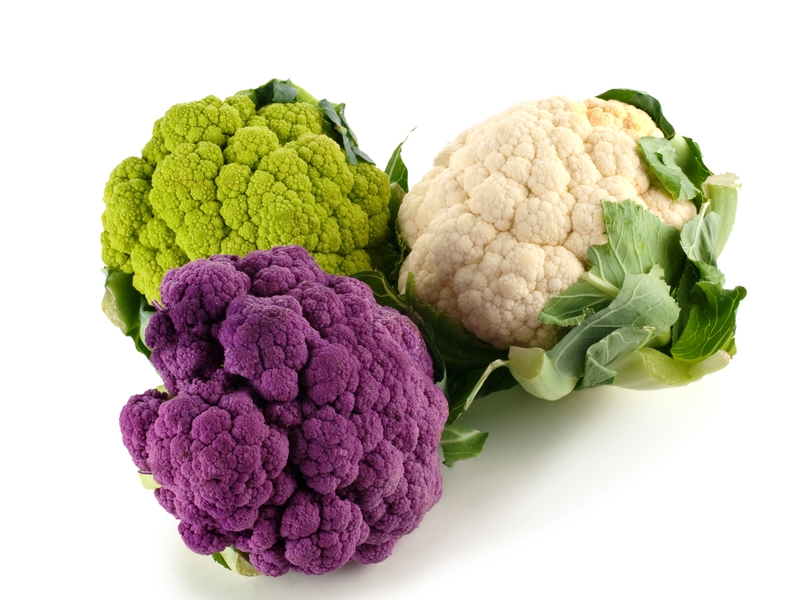
It's crucial that care includes fertilization. In the spring, fertilize with compost and manure. At this time, you can add fertilizers such as ammonium nitrate, superphosphates, and potassium salt. Remember that cauliflower requires nutrients such as molybdenum and boron. A deficiency of these nutrients causes the head and upper leaves to rot. Rotten leaves should be removed. After this, add boron. If the heads fail to form and the leaves are rotting, it's recommended to add molybdenum to the soil.
Another important aspect of care is insect and disease control. When insects appear, the vegetable leaves become covered with holes. These should be removed, and the entire plant treated with special solutions. If signs of disease appear on the leaf blade (rot, spots of various colors, etc.), these should also be removed to prevent the spread of the disease. Remove the entire leaf, not just the damaged areas.
Remember that the key to successful cultivation of any garden crop is proper care.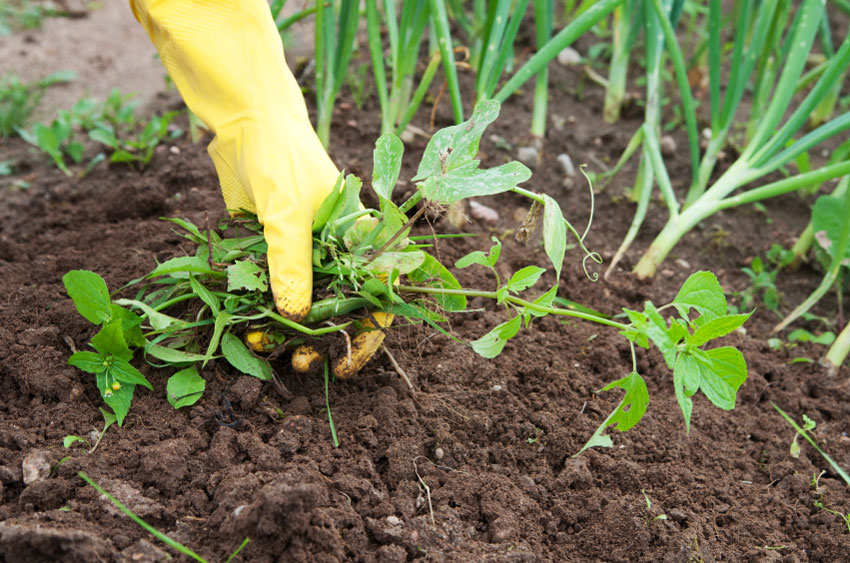
Seedling method
Cauliflower is most often grown using seedlings. To ensure a consistent harvest throughout the season, seedlings are sown several times, usually three times. Typically, seedlings should be sown between March 5 and March 30. Seedlings are planted between April 25 and May 15. These timeframes are appropriate for early varieties.
Mid-season cauliflower varieties are sown from April 10 to May 10. They are transplanted into open ground between May 20 and June 15. Seeds of late-season varieties are sown between May 25 and June 10, and the tall seedlings are planted between July 1 and July 10.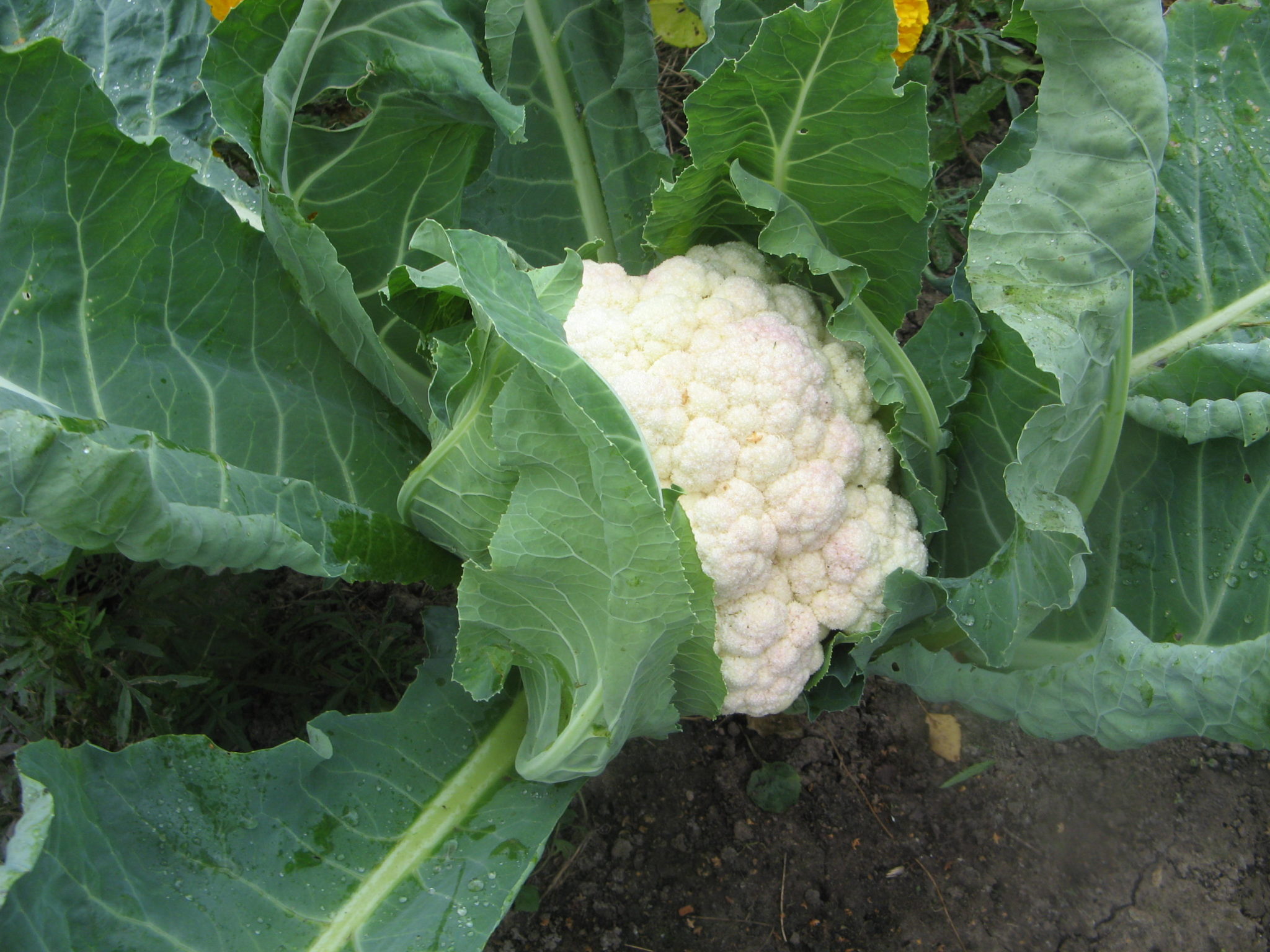
Before sowing cauliflower seeds, they are subjected to the following procedures:
- disinfection;
- etching in a solution of potassium permanganate;
- hardening by creating conditions of alternating temperatures.
Cauliflower seedlings are sensitive to transplanting. It's recommended to plant the seedlings directly into peat pots. Seeds can also be grown in plastic cups filled with nutrient-rich soil.
Cauliflower grown using seedlings is sown in a soil mixture. There are two types of soil mixture, each with its own distinct components. The first type of soil mixture contains the following components:
- mullein - 1 part;
- lowland peat - in the amount of 3-5 parts;
- rotted sawdust - 1-1.5 parts.
The second version of the soil mixture consists of the following components:
- sand – 1 part;
- lowland peat – 1 part;
- humus – 10 parts.
Cauliflower seeds of various varieties should be sown in such soil mixtures. Some vegetable growers immediately add mineral peat fertilizer mixtures to the prepared soil when growing seedlings. Other gardeners prefer root and foliar feeding of seedlings. Ash can also be used for fertilizing seedlings.
To ensure the seedlings develop strong leaves, proper care is essential. Before the first shoots appear, it's essential to maintain a consistent temperature. This involves maintaining a temperature of 18-20°C. After the first shoots appear, the temperature is lowered to 6-8°C. This will prevent the shoots from becoming too elongated. After five days, the temperature is increased to 15-18°C during the day and to 8-10°C at night.
When the seedlings have sprouted and developed 2-3 true leaves, they should be sprayed with a 0.2% boric acid solution. To prepare the solution, dissolve 2 grams of boric acid in 1 liter of water. When the leaves have developed (3-4 leaflets have appeared), they are treated with a 0.5% solution of ammonium molybdate (dissolve 5 grams of the solution in a bucket of water). If the leaves are damaged or diseased, they should be removed. However, if the leaves are diseased, it is recommended to remove them and treat the entire plant with a special disease control agent.
Approximately seven days before planting mature seedlings, stop fertilizing with nitrogen mixtures completely. Two or three days before planting, apply potassium or phosphorus fertilizers. This procedure increases the seedlings' cold resistance.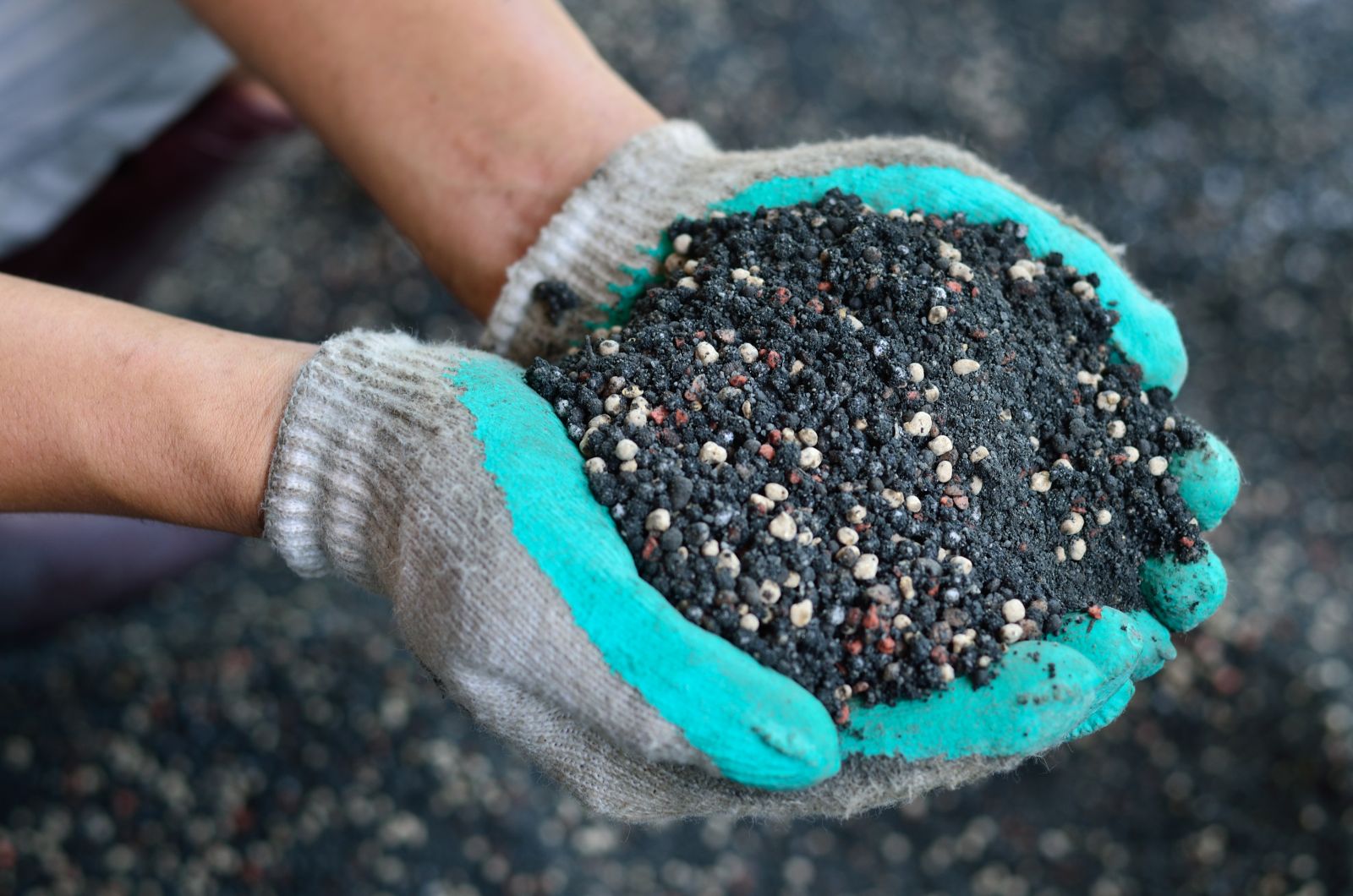
Now you know how to grow cauliflower using seedlings.
Transplantation into the ground
When the seedlings have grown strong and the time has come, they are transplanted into open ground. A day with high cloud cover and relatively warm temperatures is best. Plant the seedlings in well-lit beds. Cucumbers, legumes, and onions make excellent precursors for cauliflower.
Before planting seedlings, it is recommended to add rotted manure to the soil. You can also fertilize the beds with a mixture of peat, compost, and humus. Apply 10 kg of soil mixture per square meter.
Plant seedlings of this vegetable crop using a 50x25 cm pattern. Add a handful of ash to each hole before planting. The seedlings are planted deep enough to reach the first true leaf. After this, water the seedlings. Additionally, shade the young seedlings for a couple of days with non-woven fabric or regular film. This will protect the young plants from flea beetles.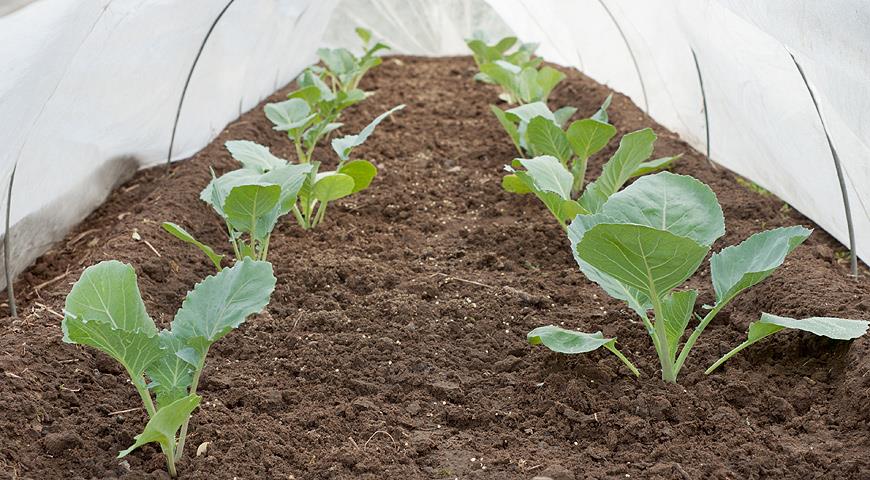
Technology of growing cauliflower
After planting the seedlings, the following manipulations are carried out:
- frequent watering;
- Loosening the beds. Mulching the soil is considered preferable;
- Fertilizers. Fertilizer should be applied to the beds three times during the growing season. The first application should be made no earlier than ten days after planting. The remaining two applications should be made at two-week intervals.
- When the first inflorescences have formed, the head of cabbage should be covered with two broken upper leaves.
-
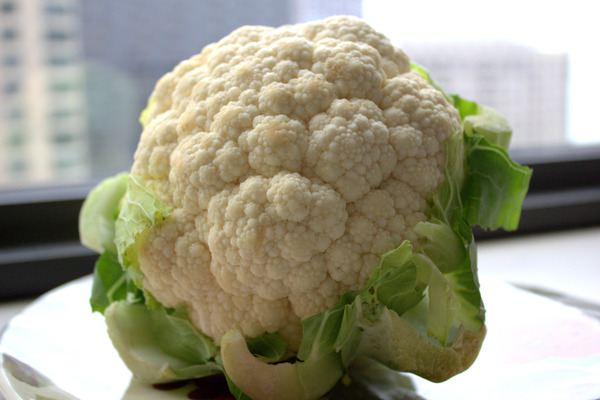
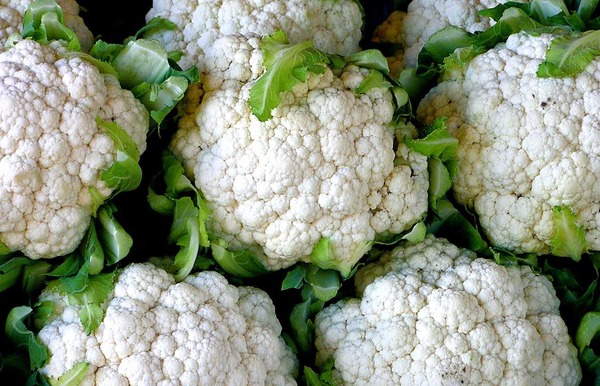
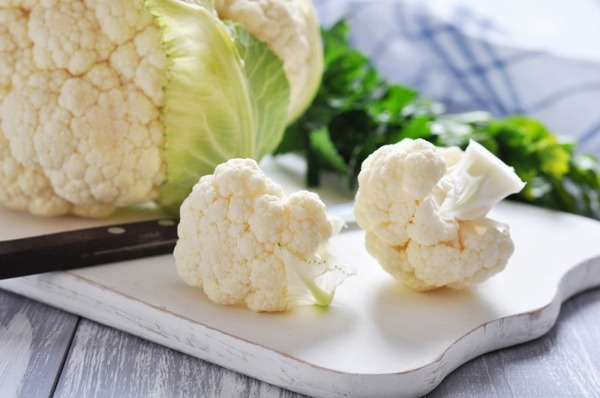
Cauliflower is an excellent crop, ideal for growing outdoors. Properly grown seedlings and adherence to agricultural practices will allow you to reap an excellent harvest with pronounced beneficial and medicinal properties.
Video: How to Grow Cauliflower
In this video, gardeners share their experiences growing cabbage in their gardens.