
We grow a productive white cabbage variety Megaton
Content
History and characteristics of the variety
The Megaton F1 cabbage variety was developed by breeders from the Dutch seed company Bejo Zaden. The hybrid has been approved for cultivation in Russia since 1996, after being added to the State Register. Gardener reviews confirm the manufacturer's claims, including large heads, disease resistance, and tolerance to weather conditions.
Description of the hybrid
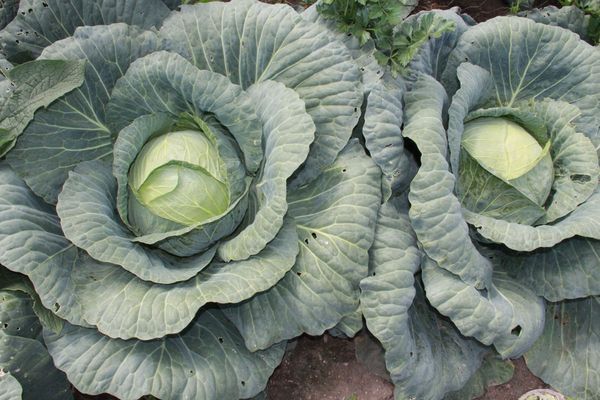
This mid-late white cabbage (136–168 days) produces heads weighing between 3.2 and 15 kg. The large, semi-raised rosette is formed by rounded, light-green leaves with wavy edges. The head of this variety is dense, round, and has a short inner stalk.
Harvesting and use of the crop
There are no set harvest times. Heads of cabbage are harvested as they ripen, which lasts from mid-August to the second half of September. Cabbage is widely used for fermentation and pickling, thereby extending its shelf life.
Advantages and disadvantages of the variety
The description of the variety would be incomplete without mentioning its advantages, such as:
- increased productivity;
- large heads of cabbage;
- small size of the stalk;
- high taste qualities and crunch;
- disease resistance.
The main disadvantages of the hybrid type:
- short-term storage (40 – 45 days);
- vulnerability to pests.
Growing Megaton cabbage
It's recommended to purchase seeds from a specialist store. Carefully inspect the packaging, read the description, and check the expiration date.
-
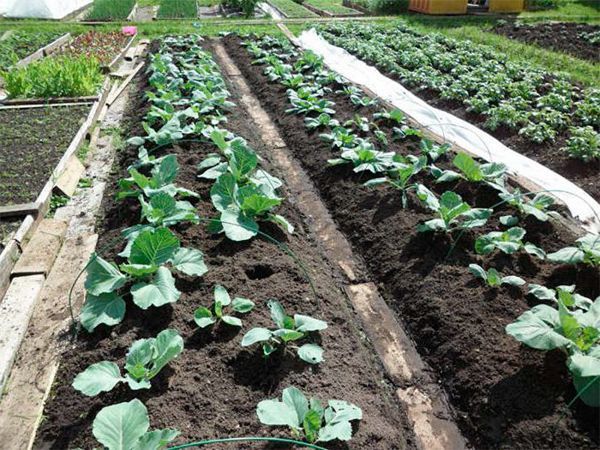
- The plant needs to be watered frequently with warm water.
-
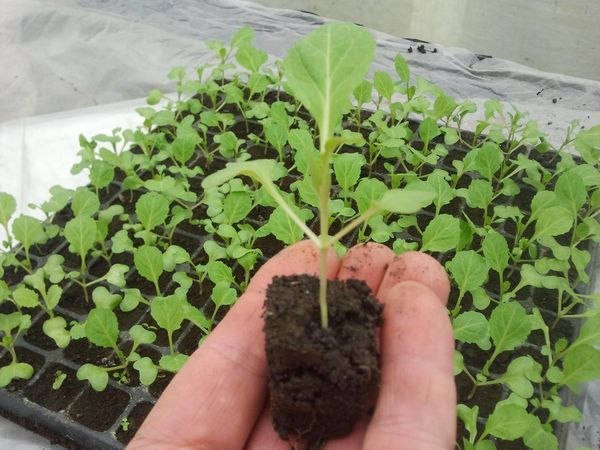
- The seedlings are transferred to open ground at the age of 45 - 50 days.
-
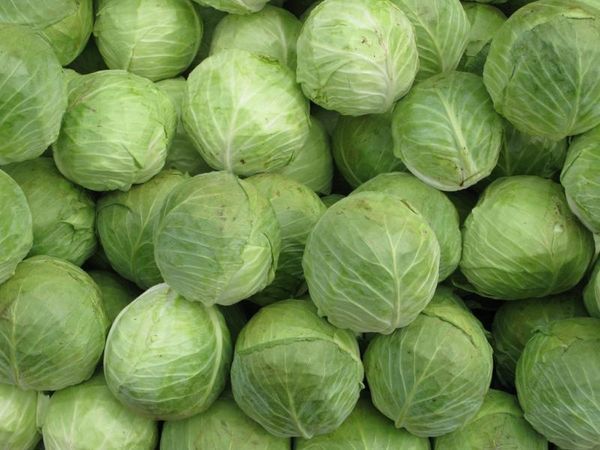
- The weight of cabbage ranges from 3.2 kg to 15 kg
Sowing seedlings and caring for seedlings
Cabbage is sown from the second ten days of March to the 20th of April. Seeds disinfected with a 1% potassium permanganate solution are placed in hot water (50°C) for 15 minutes, then refrigerated for 24-48 hours.
A planting mixture is prepared from turf, humus, and sand (1:1:1), then disinfected with a Fitosporin solution. The seeds are sown in rows 1 x 3 cm deep in the filled container. The newly planted seeds are sprayed with water, covered with plastic wrap, and stored in a warm place (20-25°C). After the first shoots appear, remove the covering.
At the third true leaf stage, the seedlings are transplanted into individual pots, where they are planted to the level of the cotyledon leaves. Seven days before planting outdoors, the seedlings are hardened off.
Top dressing during seedling formation is carried out three times:
- at the stage of 1 leaf (12 g ammonium nitrate, 20 g superphosphate, 5 g potassium salt per 5 l of water);
- after 7 days (liquid mullein or ammonium nitrate solution – 15 g per 5 l);
- 48 hours before planting in open ground (15 g ammonium nitrate, 10 g potassium salt, 40 g superphosphate per 5 liters of water).
Video: Planting Cabbage in Soil Under Bottles
In this video, an expert will explain how to properly plant cabbage in soil under bottles.
Planting seedlings in the ground
The seedlings are transplanted into open ground at 45–50 days of age, when the third pair of true leaves appears. Choose a well-lit location with sandy loam or loamy soil. Preparation for planting begins in the fall, with the area dug over and 10 kg of compost added. In the spring, the soil is loosened, and urea (30 g) and ash (500 g/m2) are added.
The planting pattern calls for 60 cm between furrows and 45 cm between holes. When planting, apply 15 g of superphosphate and add 500 ml of water. Then, plant one seedling at a time and cover the soil up to the cotyledons.
Caring for cabbage
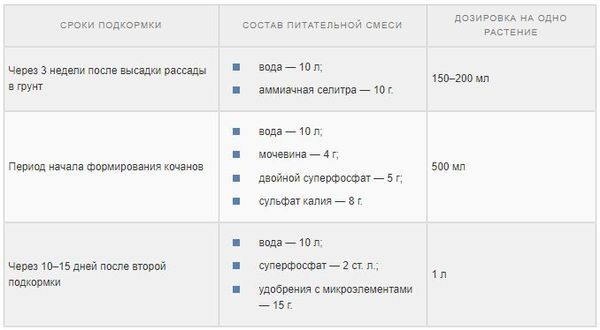
The plant needs to be watered frequently with warm water to prevent the top layer of soil from drying out. Cabbage doesn't tolerate extremes, so overwatering can cause the heads to crack, while drought can stop the growing season. The first hilling is done 21 days after planting. Thereafter, repeat the procedure every 10 days, allowing the plant to develop a strong root system.
10–20 days before harvesting, watering is stopped completely.
The first feeding is done with liquid manure 14 days after planting. After two weeks, the procedure is repeated with the same fertilizer. Urea and potassium are added during the head formation stage.
Protection from diseases and pests
The most dangerous pests for plants are:
- Moth. You can identify the pest by its larvae and egg masses on the upper leaves. Lepidocide, diluted at a ratio of 25 grams per 10 liters of water, helps combat the problem.
- Aphids. Cabbage leaves turn pale and curl, and the insects are found on the underside. In this case, use Decis-Profi in dry form.
- Whitefly. It manifests itself as a whitish coating that must be removed immediately. Otherwise, a black coating infected with fungus will appear. Actellic is effective; dilute one ampoule per liter of water.
- The mole cricket is the most dangerous insect of all, as it destroys plant roots and stems. It is commonly controlled with the product "Medvetoks," which is sprinkled directly on the beds (20 g per 10 m2).
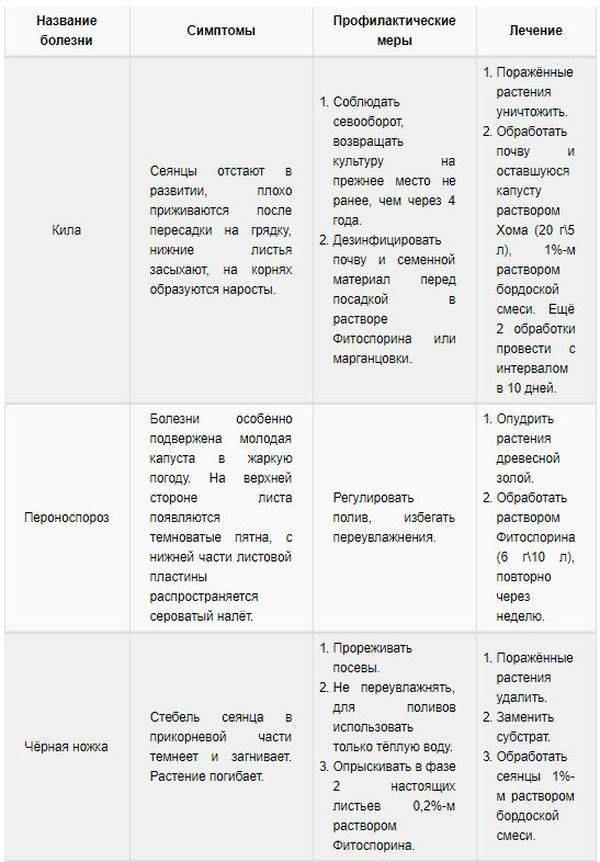
The hybrid has inherited genetic resistance to most fungal and viral diseases. Problems arise in rare cases if the gardener does not care for the plant properly.
Reviews from gardeners
The heads are large, making them perfect for a large family. We use them not only fresh but also for winter preserves.
I planted some as a trial and was very pleased with the end result. The heads are large and don't split. There were no particular problems growing them.
This hybrid is characterized by vigorous growth, so it requires careful selection of planting site and care. However, the effort will be well worth it with the bountiful harvest your cabbage plantations will yield.