
Features of growing Savoy cabbage
Content
Description and characteristics of the variety
Savoy cabbage is a biennial plant related to our familiar white cabbage. Native to the Mediterranean, its name refers to the Principality of Savoy, where it has been cultivated for at least 500 years. In some countries, it is known as Italian cabbage. In those days, it was considered a peasant food, but then restaurant chefs took notice, dishes made with it became popular, and growing it became profitable. This type of cabbage has been cultivated in central and northern Europe for over two centuries. It has long been known in our country, but is not as widely cultivated.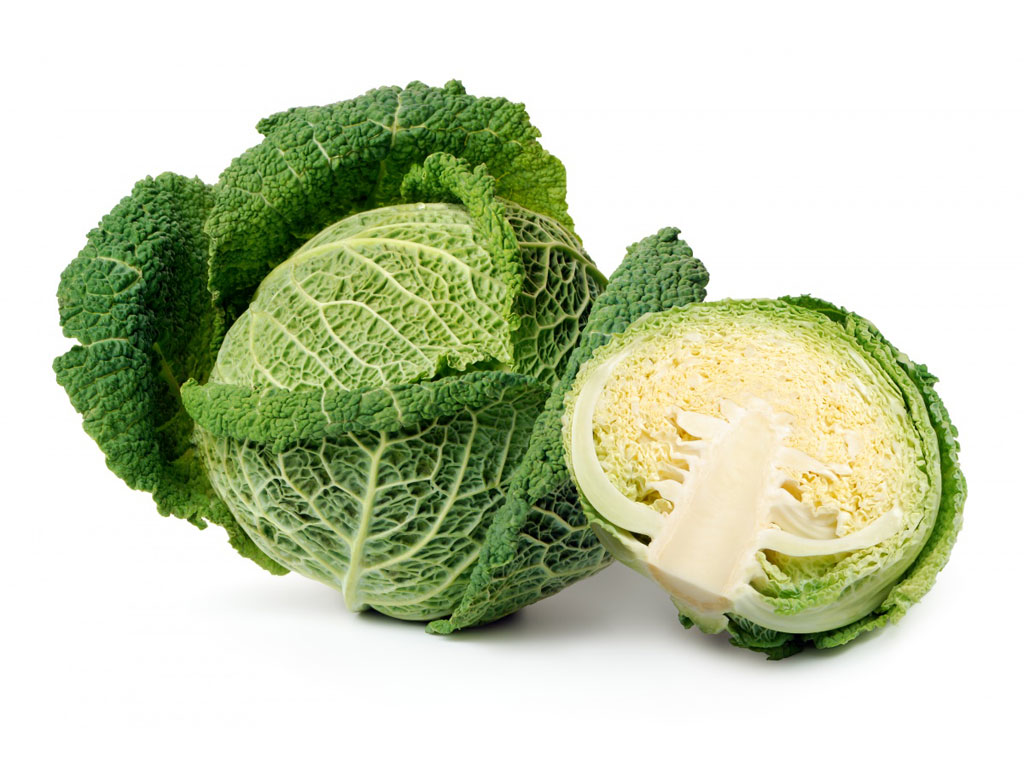
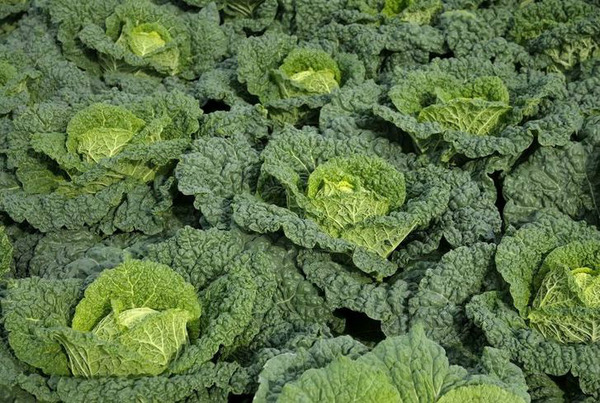
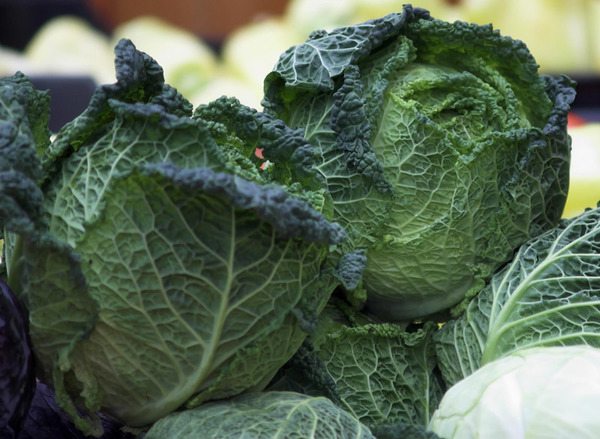
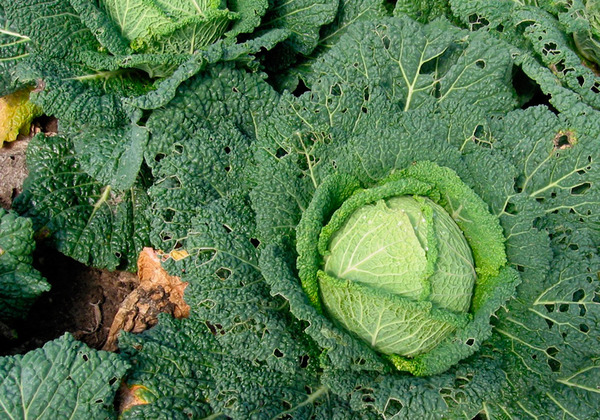
Savoy cabbage is a loose, soft head with numerous outer leaves, varying in shades of green depending on the variety. Leaves lacking tough veins are pimply, corrugated, and seemingly crumpled. Heads can weigh from 500 g to 3 kg, much lighter than white or red cabbage. Consequently, while it takes up the same amount of growing space, it produces a much smaller harvest. Caring for it is no different from other cabbage varieties, and its shelf life is much shorter. Late varieties can be stored over winter in suitable conditions, but only very large heads will survive until spring. For long-term storage with minimal loss of nutritional value, the only option is to freeze chopped cabbage. It is not suitable for pickling or fermenting due to the soft and delicate leaves – it will not produce a firm, crisp texture.
Savoy cabbage's main advantage is its frost resistance. This makes it suitable for outdoor cultivation not only in central Russia but even in the Urals.
Early cabbage can be eaten in 105 to 120 days, so to have ripe cabbage as early as July, you need to start growing seedlings from early March. Mid-season varieties grow for up to 135 days, while late varieties, which can be removed from under the snow and stored for a long time, take over 140 days. Late varieties are sown no earlier than mid-April. Incidentally, the seeds do not spoil during storage; their germination capacity typically lasts for up to 5 years.
Video "Growing Cabbage"
This video explains the methods for planting Savoy cabbage.
Planting and care
Most often, the seeds are grown using seedlings. Seeds are prepared for sowing as follows: they are placed in hot water (at least 50°C) for 15 minutes, then in ice water for 1 minute, and then soaked in a micronutrient solution for 12 hours. They are then rinsed and refrigerated for 24 hours. Once all this is done, the seeds are dried until they no longer stick to your hands and are ready for sowing.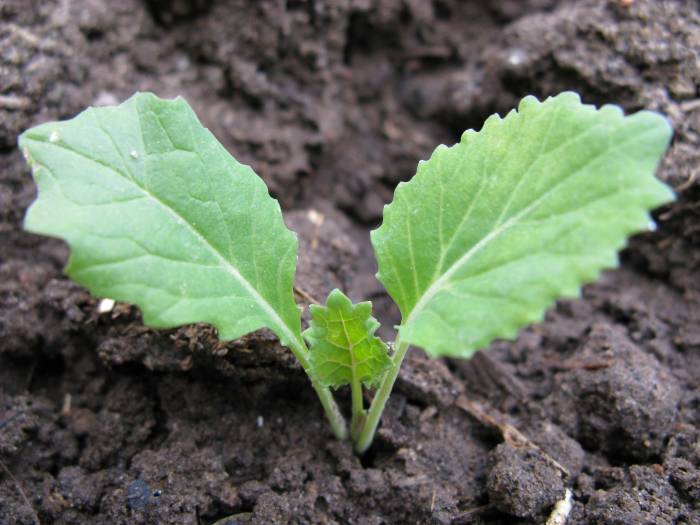
In a box or other container, mix equal parts of turf soil, river sand, and peat, and water with a weak solution of potassium permanganate. Sow the seeds 1 cm apart with 3 cm between rows, plant them 1 cm deep, cover with soil, and place a glass pane on top. Keep the seedlings indoors at a temperature of 18 degrees Celsius, lifting the glass pane for watering (spraying). That's all there is to it. Seedlings will appear in 5-7 days, after which the glass pane is removed, and the plants are brought indoors with a temperature of 8 degrees Celsius.
When the first leaf emerges, the seedlings are pricked out—the roots are shortened by a third, and each plant is repotted into a separate cup. The transplanted plants are watered with a pale pink solution of potassium permanganate, protected from direct sunlight for a few days, and the temperature is kept at 18°C (64°F) for the first three days, then lowered slightly to 14°C (55°F) during the day and 12°C (53°F) at night. Water the seedlings with room-temperature water as needed, and when they have two true leaves, they are fed for the first time with a mineral fertilizer solution.
Seedlings are planted when they have six true leaves, and two weeks before, they are sprayed with a solution of urea and potassium sulfate. After this, the plants are hardened off by moving them outdoors (this can be a balcony or veranda), as long as the temperature there is at least +5°C (41°F). The time spent outdoors is gradually increased, but the seedlings are kept away from drafts. Once the seedlings can withstand a full day of outdoor use, they are transplanted into the garden bed.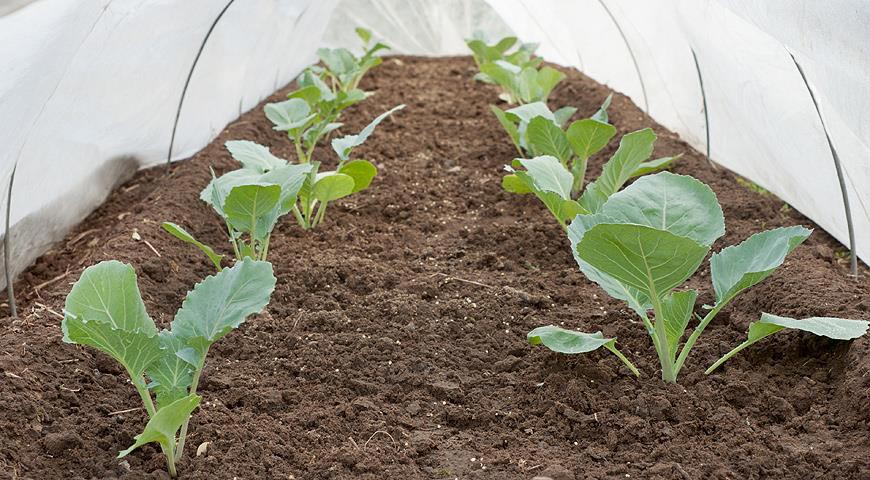
Savoy cabbage prefers open, sunny locations with neutral, fertile loamy or sandy loam soils. It can be planted after potatoes, cucumbers, onions, beets, tomatoes, and perennial grasses. However, it should never be planted after cruciferous vegetables. The soil should be prepared in the fall by digging it deep with a spade, adding lime, rotted manure, compost, and mineral fertilizers. In the spring, dig it again, adding compost, humus, and wood ash as needed. Leave plenty of space between seedlings when planting: early varieties are planted 40 cm apart, mid-season varieties 50 cm apart, and late varieties 60 cm apart. Before planting, water the seedlings thoroughly to avoid disturbing the roots during transplanting, and plant them deep to the cotyledons. At first they are shaded a little, but only until they take root in the new place.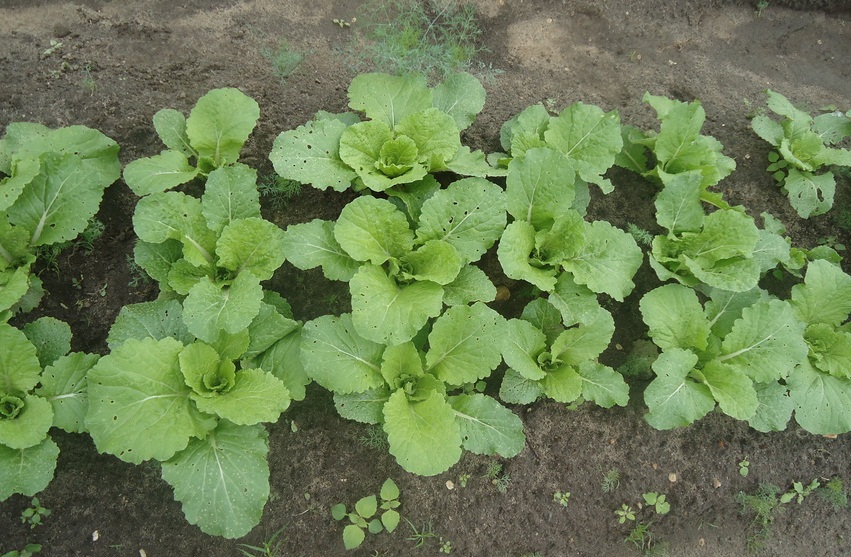
The growing and care guidelines for all varieties of garden cabbage are virtually identical. They are watered, weeded, hilled, loosened, fertilized, and protected from pests. During the first week, the soil around the plants is loosened to a depth of 7 cm, and then it should be loosened weekly, to a depth of 15 cm. The heavier the soil, the more frequently and deeply it should be loosened to ensure the roots have access to fresh air. Early varieties are hilled once a month after planting, and late varieties should be hilled again when the leaves begin to close.
Cabbage thrives on moisture to keep its leaves succulent. Dry spells should be avoided, although they won't kill it. During cultivation, fertilize cabbage several times, using a mullein solution and potassium-phosphorus fertilizers. This care is sure to yield good results.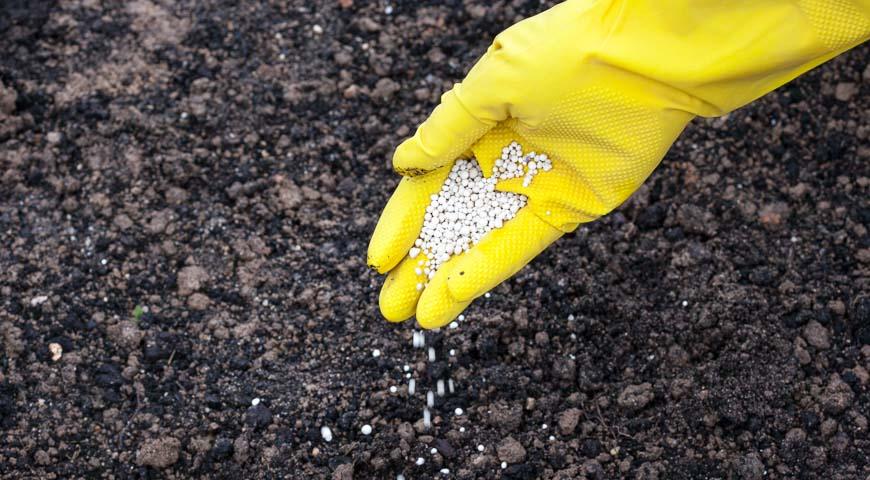
To protect cabbage from pests, sprinkle it with wood ash. To prevent fungal diseases, water the soil with a strong solution of potassium permanganate. Crop rotation and careful care will help keep cabbage disease-free. If fungal diseases do appear, treatment with Bordeaux mixture, colloidal sulfur, copper sulfate, or similar solutions will be necessary. If inspection reveals black spot or mosaic, the plants should be destroyed as soon as possible and the soil treated with a strong solution of potassium permanganate. This will help protect the remaining plantings from the virus.
Beneficial properties
Savoy cabbage is surprisingly rich in nutrients and minerals. It contains ascorbic acid (C), beta-carotene (A), niacin (B3), pyridoxine (B6), pantothenic acid (B5), and tocopherol (E)—those are just the vitamins. It also contains protein (amino acids), fiber, sugars, phytoncides, and essential minerals: potassium, calcium, phosphorus, sodium, magnesium, zinc, selenium, and copper. Moreover, all of these minerals are easily absorbed by the body. Thanks to this composition, consuming Savoy cabbage improves blood composition, improves vision, and stimulates digestion. It improves appetite, regulates sugar levels, and prevents tumor formation.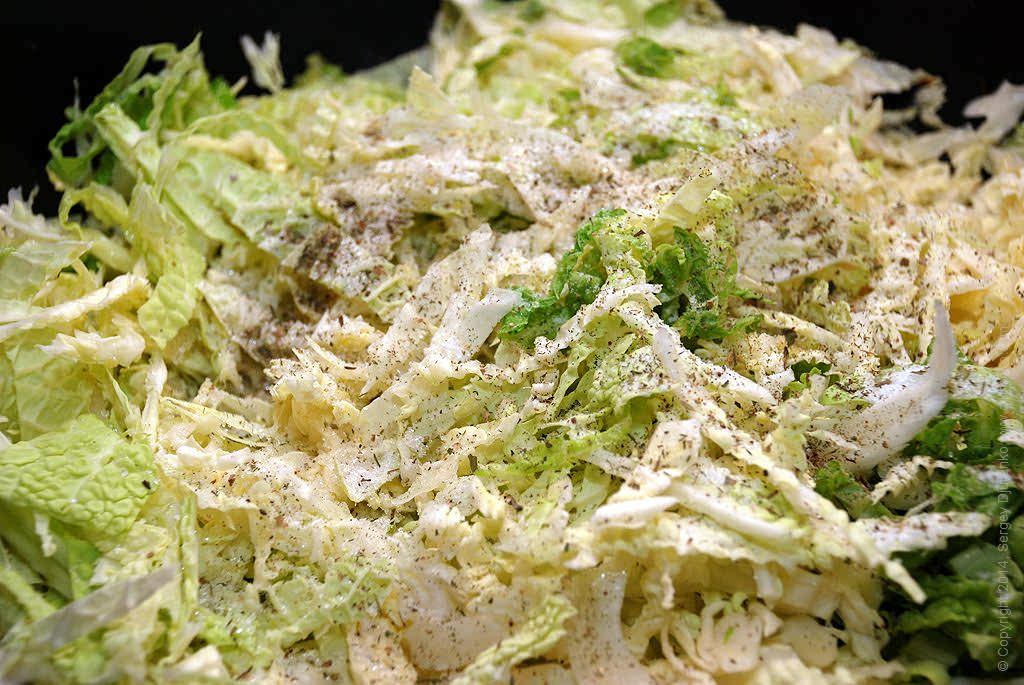
It is very important that it can saturate the body with vitamins all winter long, boost immunity, and have a diuretic, antioxidant, and bactericidal effect. And the ascorbigen it contains neutralizes poisons and removes toxins from the body.
Harm
However, this amazingly healthy cabbage should not be consumed by those with stomach and duodenal ulcers, pancreatitis, gastritis, or thyroid disease. It should also be avoided after abdominal or chest surgery.
Eating Savoy cabbage in large quantities can cause increased gas production, causing significant discomfort. It's only given to children after one year of age, and only raw at first.
Harvesting
Early varieties are harvested in July. Cabbage is most often eaten fresh in salads, as it doesn't store well, or used for soups or stuffed cabbage rolls. Mid-season and late varieties are also eaten fresh, boiled, stewed, and fried, but they can be stored for several months; late varieties are stored for longer periods during the winter.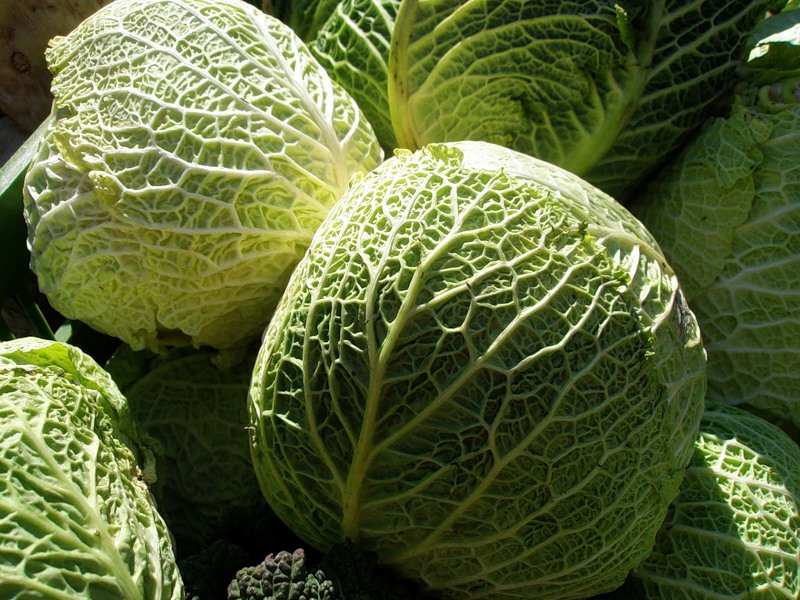
Late cabbage is harvested in October. Temperatures as low as -5°C (-4°F) aren't critical. A fine day with temperatures between -1°C and +1°C (33°F) is ideal for harvesting. For winter storage, select undamaged heads of cabbage weighing at least 500g (1.5 lbs) with two or three firm, protective leaves. Sprinkle them with chalk and leave them in a dry room for several days, spreading them out on a rack. Throughout the winter, cabbage can be stored indoors in a room with high humidity (up to 95%) and temperatures between 0°C and +3°C (32°F). Individual heads are hung in nets from the ceiling or stacked in a pyramid, starting with the largest heads, and sprinkled with sand. Alternatively, each head can be simply wrapped in paper and stored in a cellar throughout the winter.
Video "Various Cabbage"
In this video, gardeners explain how to plant different varieties of cabbage.