
Exotic selection of cabbage variety Romanesco
Content
General description
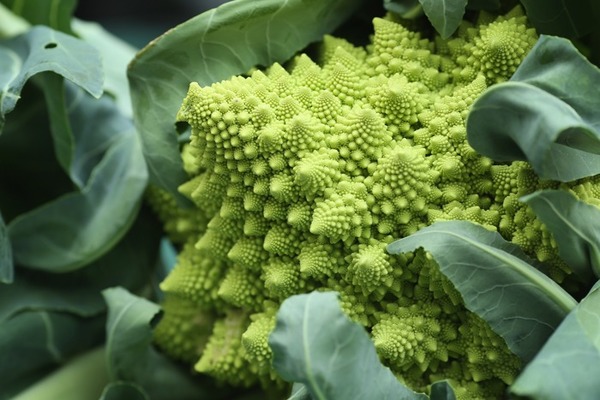
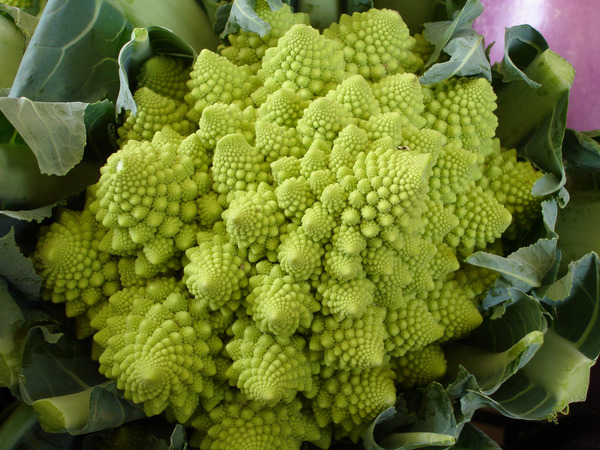
The fruit of this variety consists of light-green, spiral-shaped inflorescences. Furthermore, each bud also grows in a spiral. The inflorescences are very closely spaced, seemingly "pressed" against each other. Dark leaves frame the inflorescences in a circle.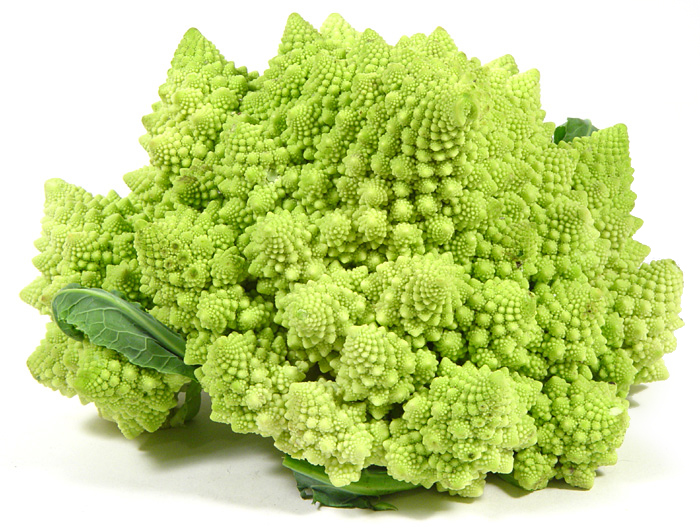
Romanesco cabbage also has other common names: Roman broccoli or coral cabbage.
This is an annual plant. If properly managed and cared for, it can grow to meter-long specimens. The fruits will weigh up to half a kilogram each.
Romanesco cabbage has become widespread recently. It came to us from Italy in the late 20th century. However, according to some sources, the crop existed as early as the Roman Empire. The cabbage's appearance is a genetically engineered trait.
This vegetable variety can be classified as a subspecies of cauliflower. Upon closer inspection, you'll notice that each inflorescence is a replica of the plant itself.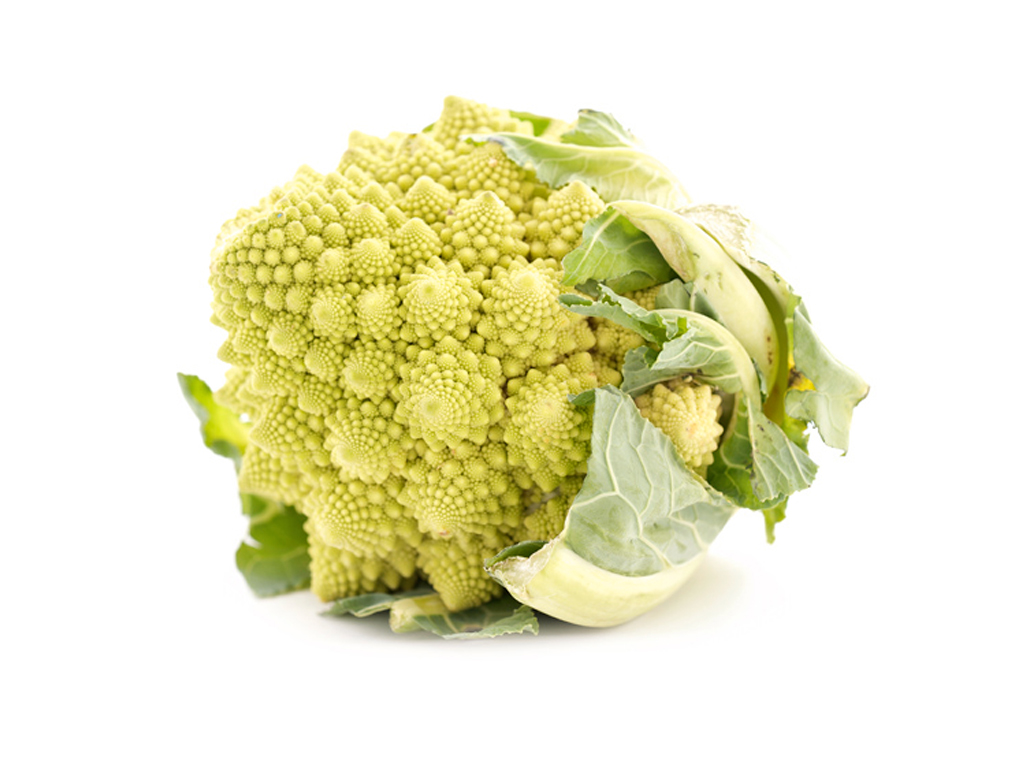
Growing this variety doesn't require any special preparation. The fruits are edible only after processing. This cabbage can be fried, blanched, baked, and even made into soup. Cooking should be done briefly, as it may lose its flavor. Compared to the well-known broccoli, Romanesco cabbage is milder and less bitter.
Video "Romanesco Cabbage Variety"
This video shows the principle of growing the Romanesco cabbage variety.
Features of cultivation
Growing this hybrid is more difficult than other cabbage varieties. Romanesco cabbage is very demanding, and any violation of agricultural practices can lead to negative consequences. For example, the cabbage may not form heads at all.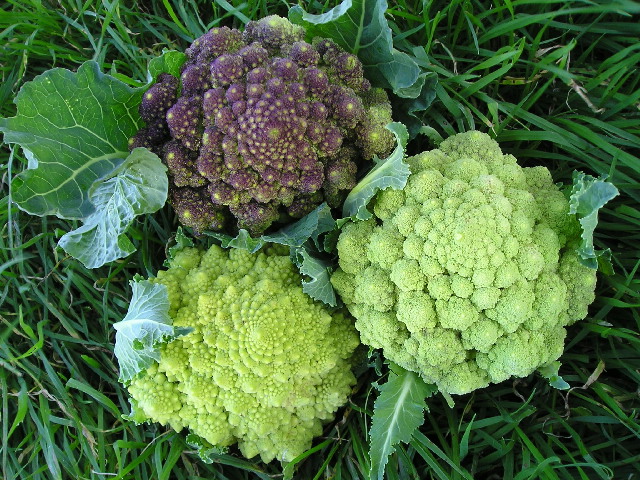
Temperature is the primary factor determining the success of vegetable cultivation. Furthermore, growing the crop has a number of specific features:
- Fruit set occurs only when the air temperature is at least 18°C. Therefore, careful and accurate planting timing is essential. It's best to have the fruit set in spring or early fall.
- Temperature monitoring is also essential when growing seedlings. Sixty days before transplanting, seeds should be sown in special containers. After the first sprouts appear, the ambient temperature should be at least 20°C. Subsequently, this temperature should be reduced to 8°C to stimulate rapid plant development.
- Seedlings also require light and moist soil. Only under these conditions will the sprouts' roots develop into a well-developed system.
- Romanesco cabbage grows best after potatoes. However, it's not recommended to plant it in soil previously planted with cruciferous vegetables, as pests and disease vectors from previous crops may remain in the soil.
- A good vegetable harvest can be obtained in alkaline soil. In acidic soil, the crop will simply die. Therefore, the soil requires preparation, such as liming or adding wood ash. During flower formation, the vegetable requires regular watering and sunlight.
- It's best to transplant seedlings at the end of April, maintaining a distance of 0.6 meters between plants and rows. However, all calendar dates for agricultural activities are approximate. The weather should be the primary guide.
-
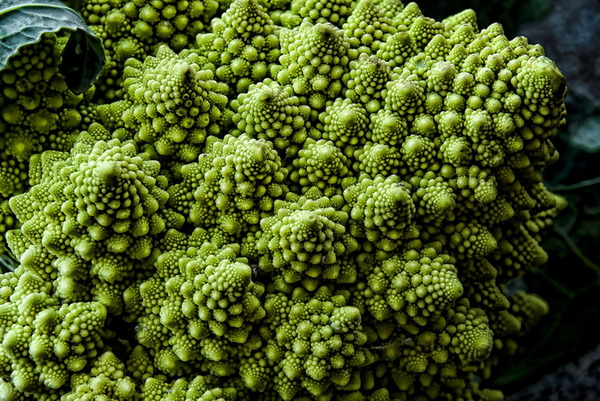
The following basic rules of vegetable cultivation can be identified:
- Watering should be systematic, but only when necessary.
- It is worthwhile to periodically inspect individuals for the presence of parasites.
- It is necessary to carefully monitor the weeds and remove them when they appear.
- The bed with plants must be weeded, loosening the soil.
- Fertilizing is done three times. The first is with mullein and mineral fertilizers, a week after planting the seedlings. The second feeding is done a couple of weeks later with ammonium nitrate, superphosphate, and potassium chloride.
- The third time the vegetable is fertilized with mullein and ammonium nitrate during the setting of the crop's fruits.
Ripening and harvesting
The vegetable ripens in October. However, the main sign of ripeness is the formation of large, star-shaped inflorescences. Their presence indicates that it's time to harvest.
The hybrid fruit can be stored for no more than a week, and only in the refrigerator. After this time, Romanesco will lose its nutritional value and its flavor. For long-term storage, it's best to freeze it. Despite the complexities of cultivation and care, it easily graces any table.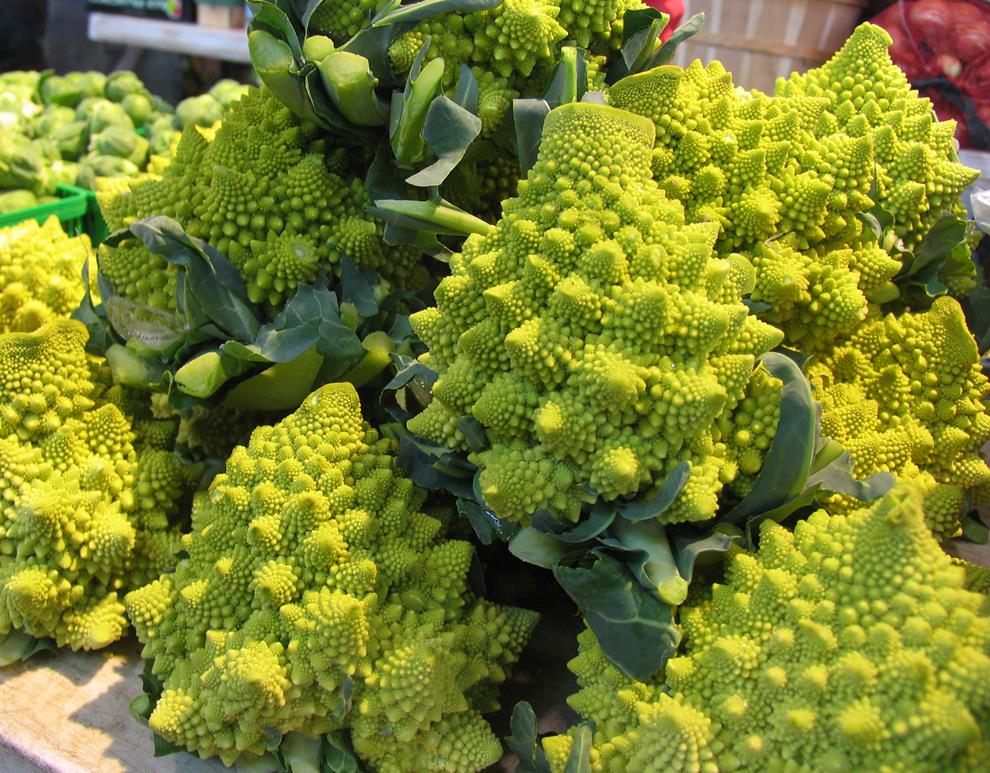
Beneficial properties
Despite Romanesco cabbage becoming more accessible, few people grow it. And that's a shame! After all, it's a very healthy crop.
The vegetable is also low in calories and has a delicate, piquant taste.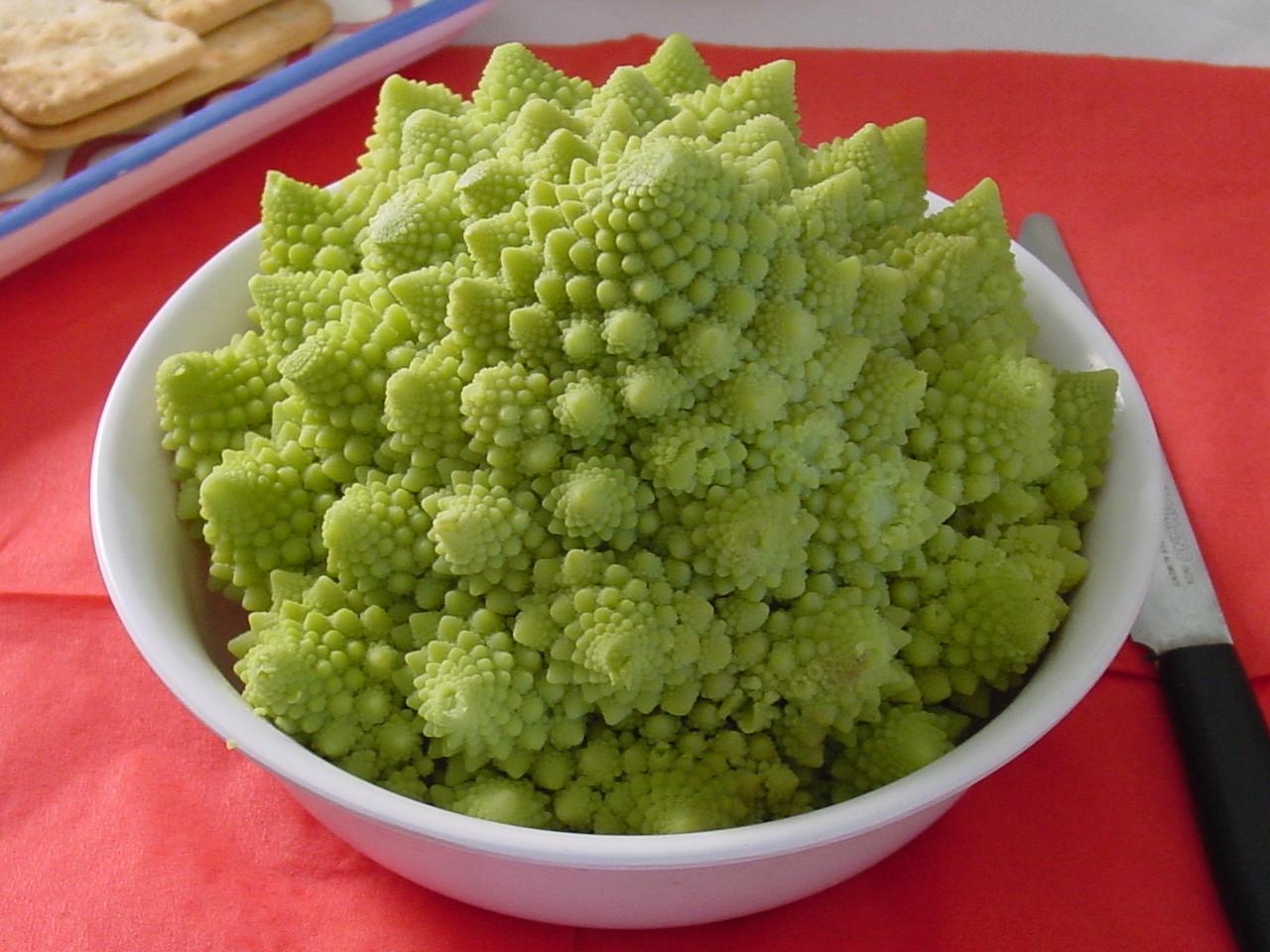
The most valuable components of the plant's fruits are vitamins C and B, zinc, carotene and much more:
- Vitamin A promotes the growth and health of the epidermis and its constituent parts, including nails and hair. It also helps fight various diseases and supports the immune system.
- Vitamin K, which has a positive effect on blood and provides the body with energy.
- Vitamin C. It strengthens the immune system, promotes blood formation, and has a positive effect on the respiratory system.
- B vitamins are important for metabolism, hematopoiesis and the proper functioning of the nervous system.
- Vitamin PP maintains optimal cholesterol levels and has a positive effect on the cardiovascular system.
So, Romanesco cabbage isn't just a hybrid with an unusual appearance and flavor. It's incredibly beneficial for humans. Growing it has its own unique characteristics and challenges, but it's worth the effort!
Video "Various Cabbage"
This video talks about different exotic varieties of cabbage.