
Why cauliflower doesn't set fruit: a list of reasons
Content
Seeds
It's extremely difficult to determine the quality of seed when purchasing. It's important to carefully examine the back of the seed packaging. This is where the variety is identified by maturity date.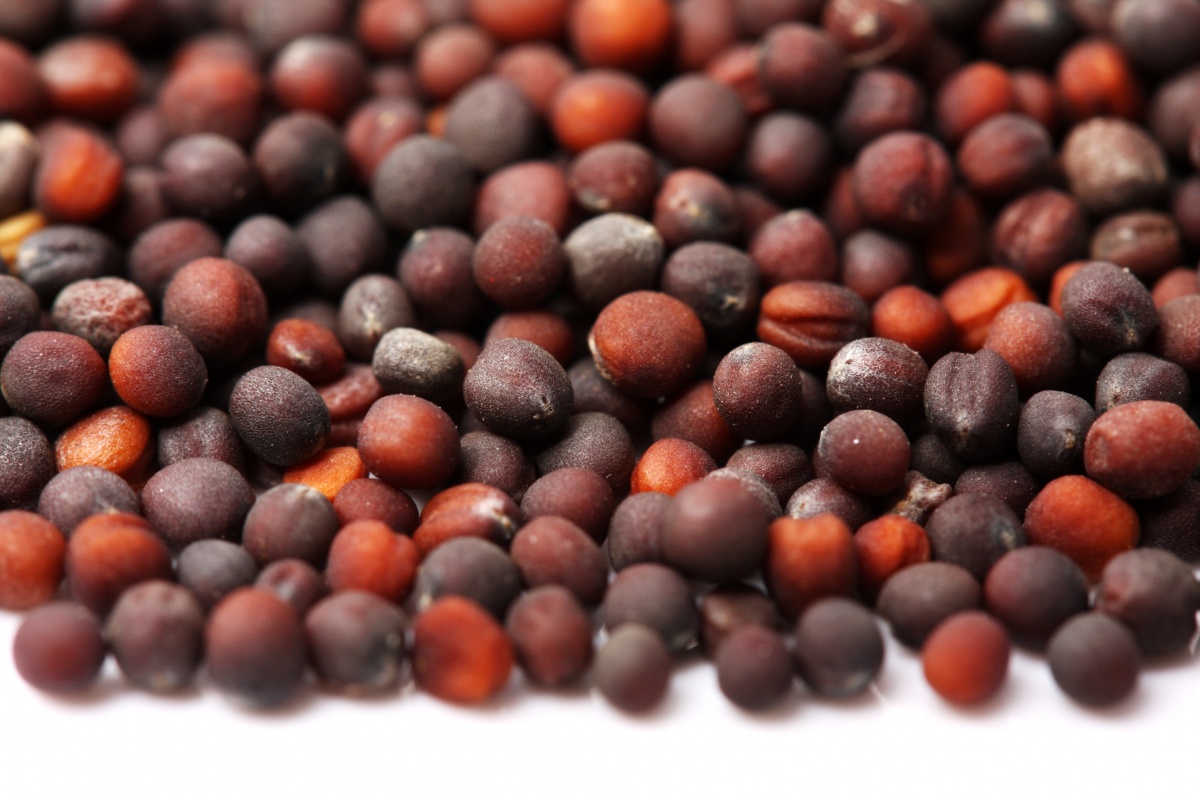
Each variety (mid-season, early, or late) has its own specific growing times and requirements. Failure to follow these recommendations may prevent the cabbage from forming heads.
Video "Growing"
This video will show you how to grow cabbage in your garden.
Landing site
Cauliflower sometimes fails to form a head due to poor planting. From its Syrian relatives and ancestors, the plant has inherited a love of light and warmth. Therefore, many developmental delays are caused by planting it in the shade (under bushes, corn, and other tall crops). Planting plants too close together can also be harmful.
However, cabbage can also be harmful in open but windy areas. Therefore, the best area for growing this vegetable is a well-lit and quiet location.
Soil
It's commonly believed that cabbage fails to set fruit because it grows in poor soil. This is only half true. The root cause of the plant's developmental deficiencies lies in the nature of the soil environment.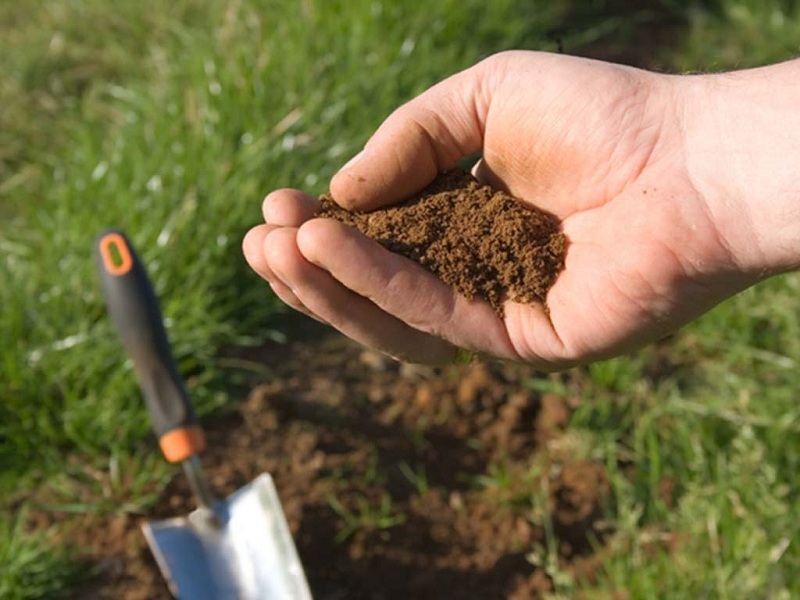
For successful cultivation, the soil must be neutral. Acidic or alkaline soils will distort the plant's growing points. As a result, plants take on deformed shapes. Naturally, forming heads is out of the question in this case.
Moisture
Cauliflower is considered a moisture-loving crop. However, the plant should be watered generously, but never excessively. The soil moisture level should be around 80% maximum. Mulching the soil can help in this case.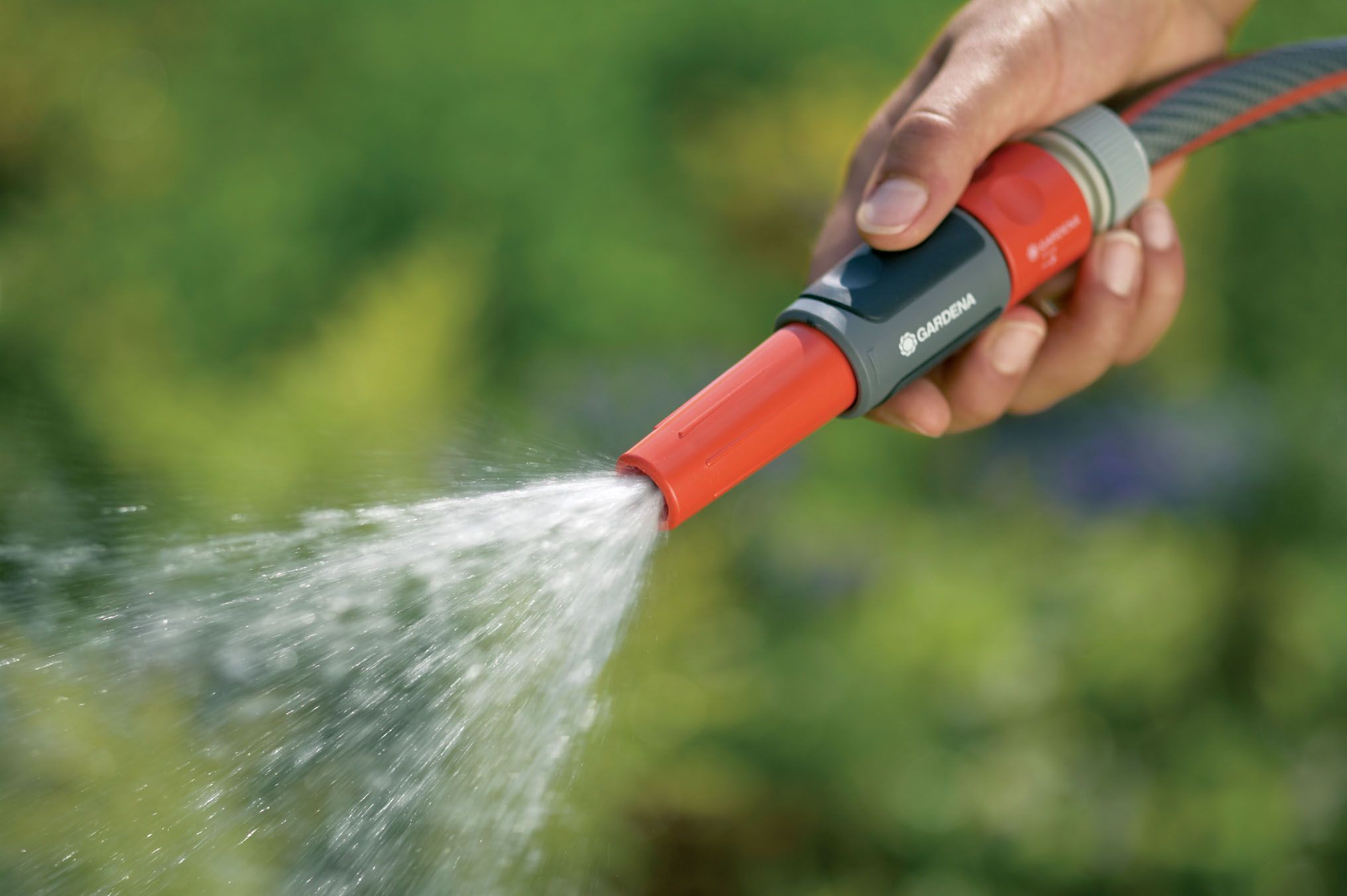
Excessive watering is very harmful to the plant. Therefore, it's best not to plant it in depressions where moisture lingers. A light shower from a hose, especially in the evening, won't hurt.
Temperature
What should you do to ensure a cauliflower head develops properly? First and foremost, maintain proper temperature control. Good germination occurs in sunny areas. The plant can only grow and develop properly in warm conditions. However, the lower leaves of the vegetable can survive temperatures as low as -5°C.
But when temperatures reach +10°C, cabbage growth slows, and the resulting heads become small and coarse. Therefore, for proper fruit formation, the ideal temperature is 15°-18°C. Regular watering and misting are essential.
Sudden temperature fluctuations (from high to low) are very harmful to cauliflower. Such conditions stress the plant, and as a result, the harvest may simply be missed. During hot periods, it's advisable to cover the plant with leaves.
Top dressing
When it comes to fertilizers, it's important to strictly adhere to the dosage. After all, both a deficiency and an excess of nutrients and minerals are equally harmful to crops.
Humus and organic matter, about 8 kilograms per season, are good nutrients for cabbage. Minerals are essential for the vegetable.
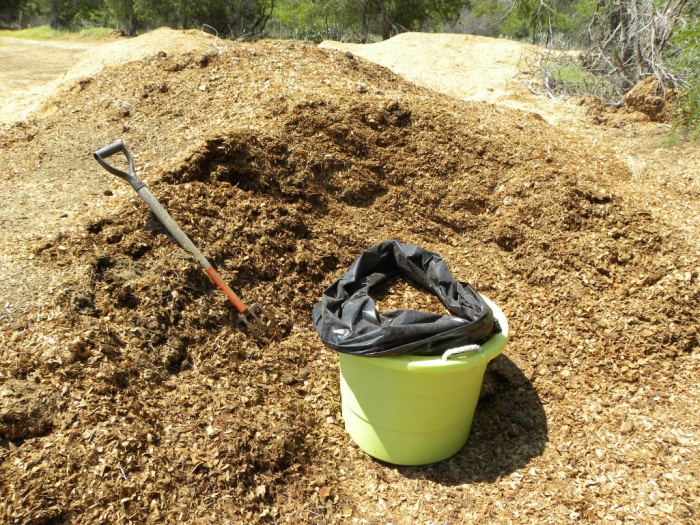 Nitrophoska is applied at a rate of 0.1 kilograms per unit area, and superphosphate at a rate of 0.01 kilograms. Nitrogen is especially beneficial for the formation of leaves and heads of cabbage. The bulk of the fertilizer should be applied before planting the seedlings. However, even during active growth, fertilizer application is permitted, provided all rates and dosages are strictly observed.
Planting dates
Transplanting cabbage to its permanent location should occur when temperatures reach a constant level of 7°C to 10°C. A small greenhouse should be installed over the young sprouts. The first shoots will emerge fairly quickly, so you can sow the seeds a month before transplanting them into open ground. The young plants can be transplanted once they have developed a few leaves.
Diseases
Sometimes, cabbage ovary failure is caused by plant diseases. These can have a variety of causes, including bacterial, viral, and fungal. Examples include clubroot, blackleg, mosaic, jaundice, and slough or vascular bacteriosis. While they are difficult to overcome, prevention is best achieved through proactive intervention. Prevention involves proper care, proper fertilization, and the selection of high-quality seeds. Cabbage pests can be controlled with chemicals.
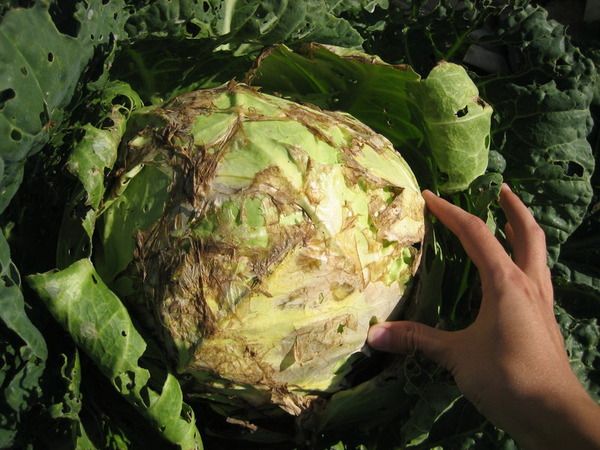
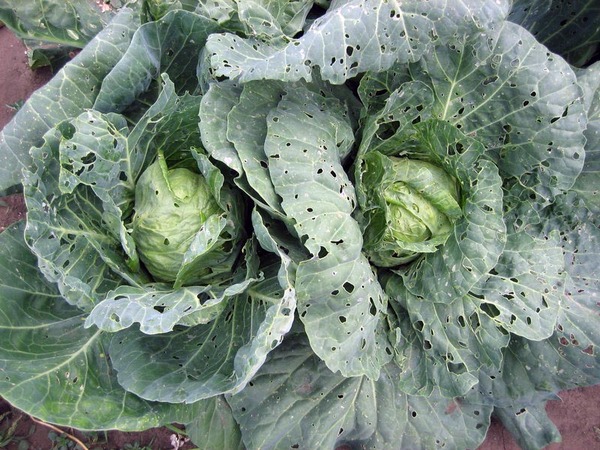
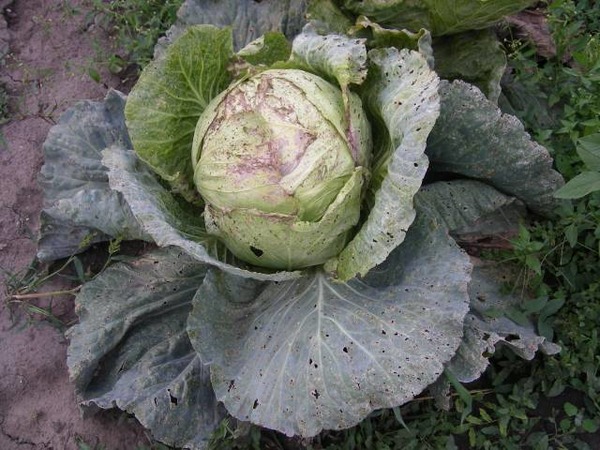
So, problems with cabbage ovary formation can arise for various reasons. Therefore, it's important to identify and address them promptly.
Video "Leaving"
This video will show you how to care for cabbage after planting.