
Why does cabbage rot on the vine? The main reasons
Content
Reasons
Cabbage isn't a particularly fussy plant, but it prefers a steady and regular flow, with temperatures remaining constant or at least changing gradually and slowly. There are several possible answers to the question of why cabbage rots:
- a cold rain that set in for a week in the middle of a hot summer;
- too close planting of plants or grass growing around them created deep shade;
- the soil around the vegetable has not been loosened for a long time, and a dense crust has formed, air does not reach the roots, and moisture is retained;
- crop rotation was not observed, pathogens that lead to rotting accumulated in the soil;
- unbalanced feeding led to a lack of potassium and calcium, but an excess of nitrogen;
- pests weakened the plant and spread bacteria or mycelia that lead to rotting;
- uneven watering led to water accumulation in the stalk;
- Watering with cold water provoked diseases that resulted in rotting of leaves or stalks.
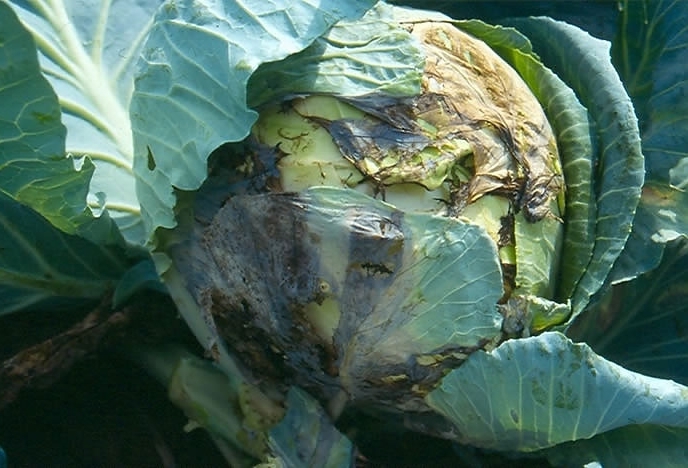
The list of possible causes could go on, but rotten cabbage is always the result of poor agricultural practices or simply a combination of unfavorable weather conditions and the spread of pests. If rotten vegetables appear in the cellar during long-term storage, the cause may lie in improper storage conditions.
Rot can be the result of diseases—bacterial or fungal. Rapid detection can help stop the spread of the disease and save the crop.
Gray mold develops during storage of cut cabbage, indicated by a moldy odor and a gray coating on the leaves. This cabbage is safe to eat if all damaged and infected parts are removed.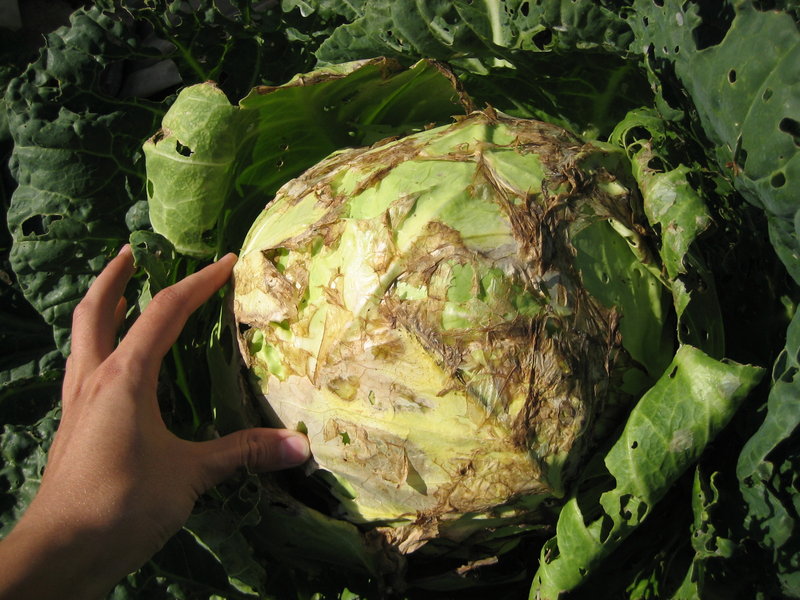
Cabbage affected by bacterial slime is inedible and should be discarded immediately. It's indicated by a foul, foul-smelling slime that appears on the outside of the leaves and quickly penetrates the interior. Bacterial slime occurs when there's an excess of nitrogen and a deficiency of potassium and calcium in the soil.
White rot is a fungal disease that often affects frozen or overripe bulbs. The leaves become covered with a white, slimy coating.
Fusarium wilt is also a fungal disease, triggered by dry weather. Affected vessels can be seen in a cross-section of the cabbage head, and the onset of the disease is noticed when the areas between the veins of the leaf turn yellow.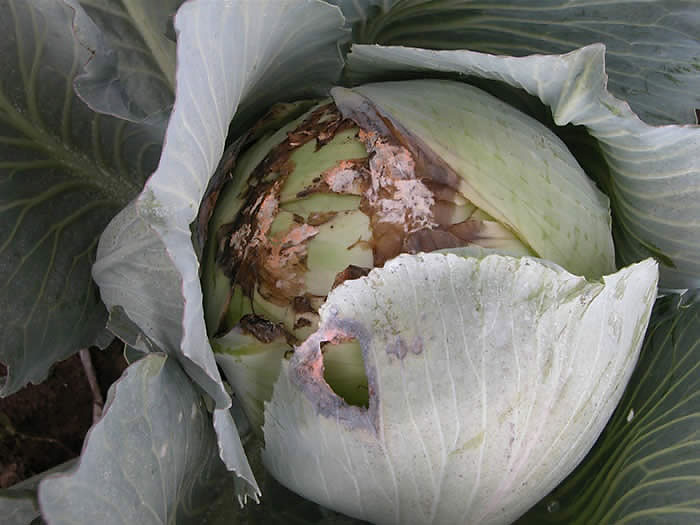
Rainy weather promotes the development of Alternia blight, which causes dark spots and sooty bloom, or Rhizoctonia blight, which causes black spots to appear at the base of the leaves and the diseased leaves to easily separate from the stalk. This is why cabbage rots.
Video "Cabbage Diseases"
This video will tell you all about cabbage diseases and how to prevent them.
Methods of control
To prevent cabbage from rotting, avoid excess nitrogen in the soil. The rule of thumb is: it's better to underfeed than overfeed. Crop rotation and proper agricultural practices are crucial. It's best to choose disease-resistant varieties. Cabbage is best planted after beets, peas, and beans, but not after related crops.
It is recommended to disinfect planting material before sowing; in the garden, it is advisable to treat seedlings with bleach or preparations such as Fitosporin to prevent diseases.
Cabbage needs to be watered regularly and properly. If water doesn't reach the roots but collects on top, it doesn't nourish the plant and only contributes to leaf rot. The water used should be no colder than the air, and watering should be done in the morning or evening.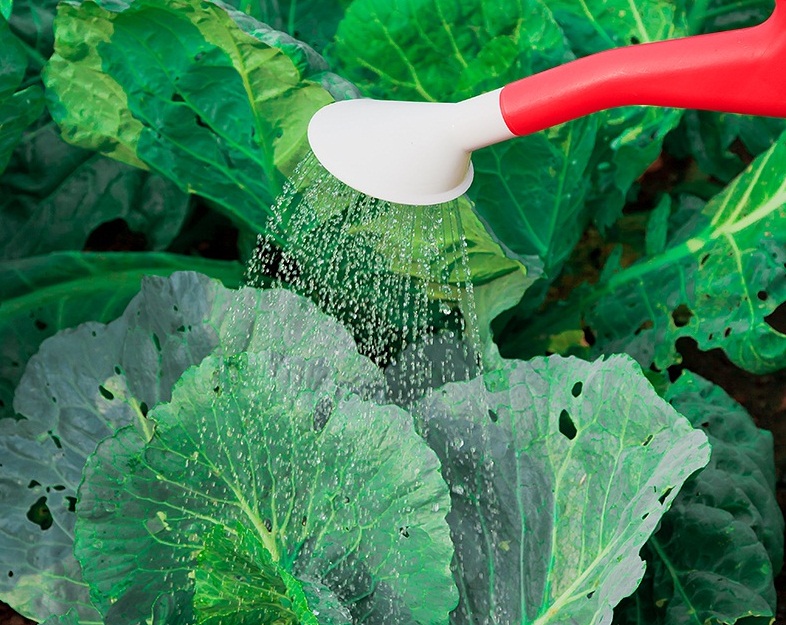
In any weather, it's important to monitor the soil around plants, loosen the soil, and remove weeds. Excessive shade promotes moisture accumulation, which attracts slugs, snails, and other pests, and promotes the spread of fungal pathogens.
Aphids and cabbage moths are a nuisance on their own, but they can also spread bacteria that cause rot. By planting insect-repellent plants among cabbage, dusting them with wood ash, and monitoring the condition of the cabbage heads, you can minimize the damage. Diseased plants should be removed from the garden bed by the roots as quickly as possible to prevent the spread of disease.
Only completely healthy heads of cabbage should be stored, and proper storage procedures must be followed. The cellar temperature should be maintained between zero and -1 degrees Celsius. Before storing the harvest, the room must be disinfected with bleach and copper sulfate.
Video: "How to Properly Store Cabbage"
This video will show you how to properly store cabbage and in what conditions.