
Peculiarities of growing Chinese cabbage
Content
Brief description
Chinese cabbage is a biennial plant in the cruciferous family, usually grown as an annual. It comes in leaf, semi-head, and full-head varieties. This vegetable forms a rosette of leaves or, as we are more accustomed to seeing, a loose, elongated head. It consists of tender, succulent, slightly corrugated, yellowish-green leaves with wavy edges, each with a juicy, crisp, white vein running down the center.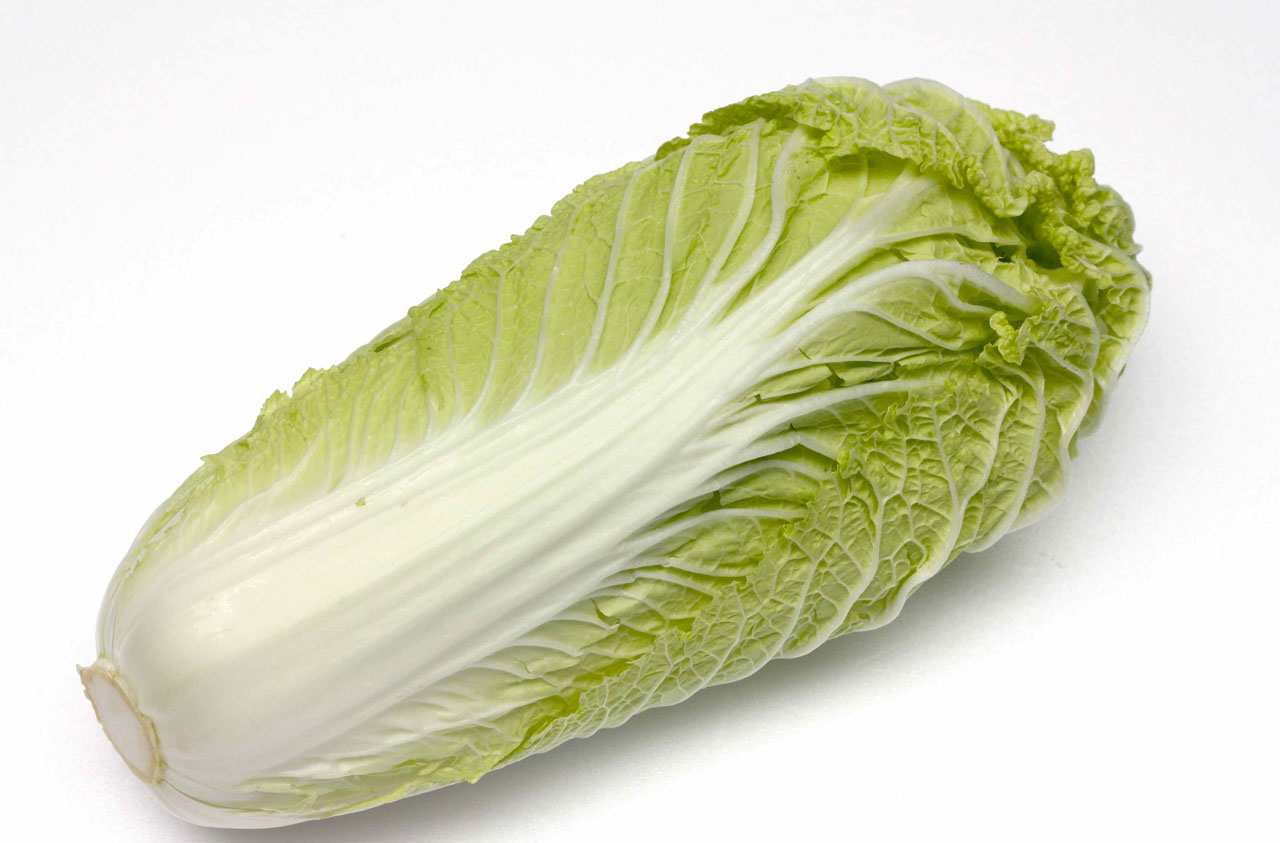
The beneficial mineral and vitamin content and the consistently delicate flavor of its leaves, combined with its low calorie count, immediately made this foreign vegetable a staple in our salads. Chinese cabbage contains dietary fiber, protein, and essential macronutrients: potassium, calcium, magnesium, and phosphorus. It also contains iron, zinc, manganese, iodine, fluorine, and copper—micronutrients that are easily absorbed and contribute to our health. And the large amount of vitamins A, B, C, E, and K can easily replace a multivitamin from a pharmacy bottle.
Thanks to this composition, regular consumption of Chinese cabbage will relieve vitamin deficiency and anemia, reduce the risk of ulcers and cancer, improve cardiovascular health and liver function, balance nerves, and normalize blood sugar levels. It's no wonder that in its native China, it's believed to prolong life.
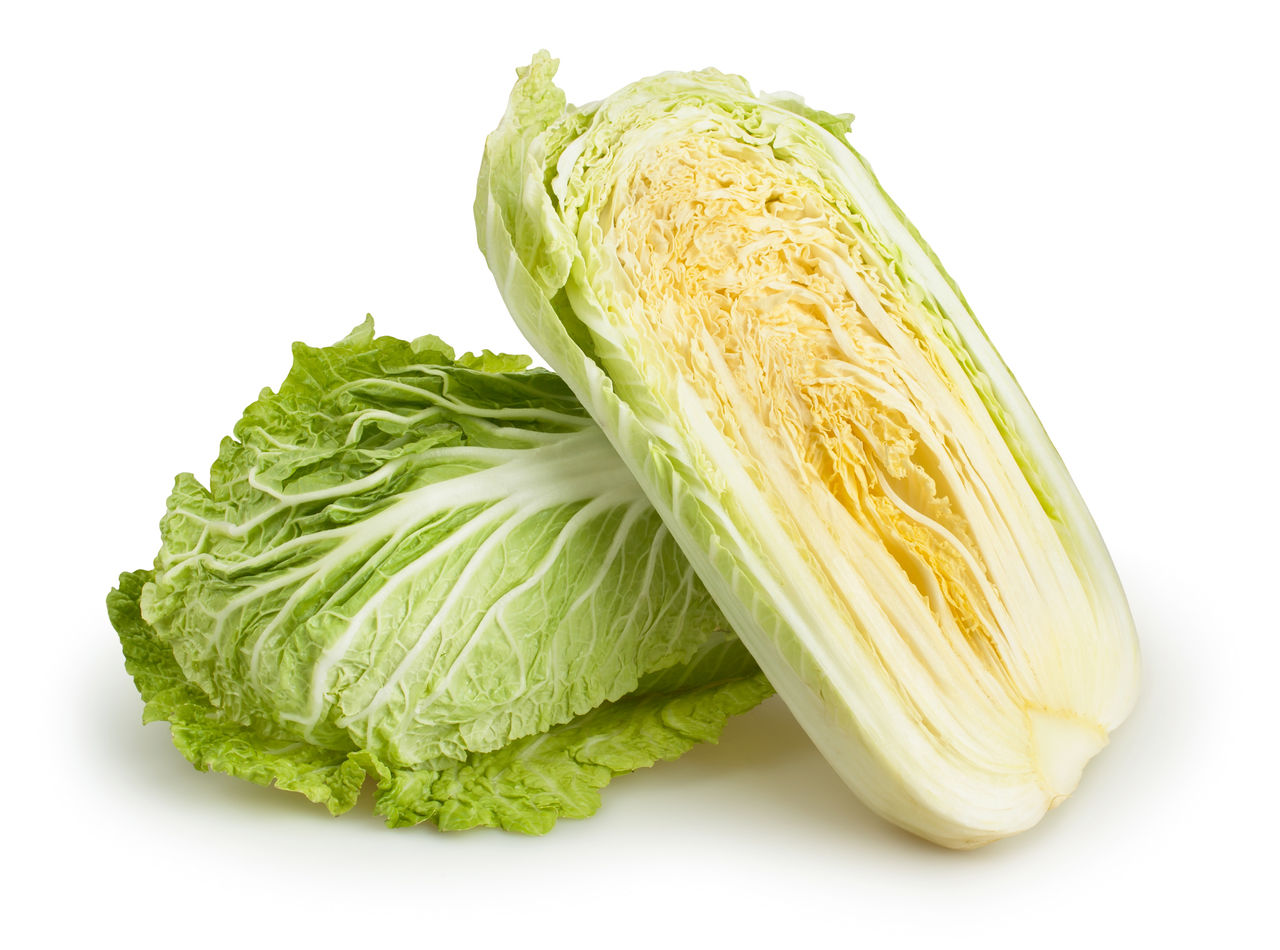 However, if you have high stomach acidity or are experiencing any exacerbation of gastrointestinal conditions, it's best to avoid it. Although it's included in various therapeutic diets, consuming too much of it is not advisable, as with any cabbage.
Video "Growing Cabbage"
In this video, experienced gardeners explain how to properly grow this cabbage variety.
Features of cultivation
With such a wealth of advantages, it's understandable that our gardeners couldn't remain indifferent to its cultivation. Moreover, it can be grown quite easily in open or protected soil, even in short summers. A short growing season and an unpretentious nature—what more could you want? Chinese cabbage grows best at temperatures between 15 and 20 degrees Celsius. If the temperature drops below 13 degrees Celsius, it simply stops growing, and if it rises above 24 degrees Celsius, it stops growing leaves and immediately starts sprouting, eager to produce seeds. Given these requirements, it grows well not only in the Central Russian region but also in the Urals in open ground, with farmers and gardeners typically harvesting two crops.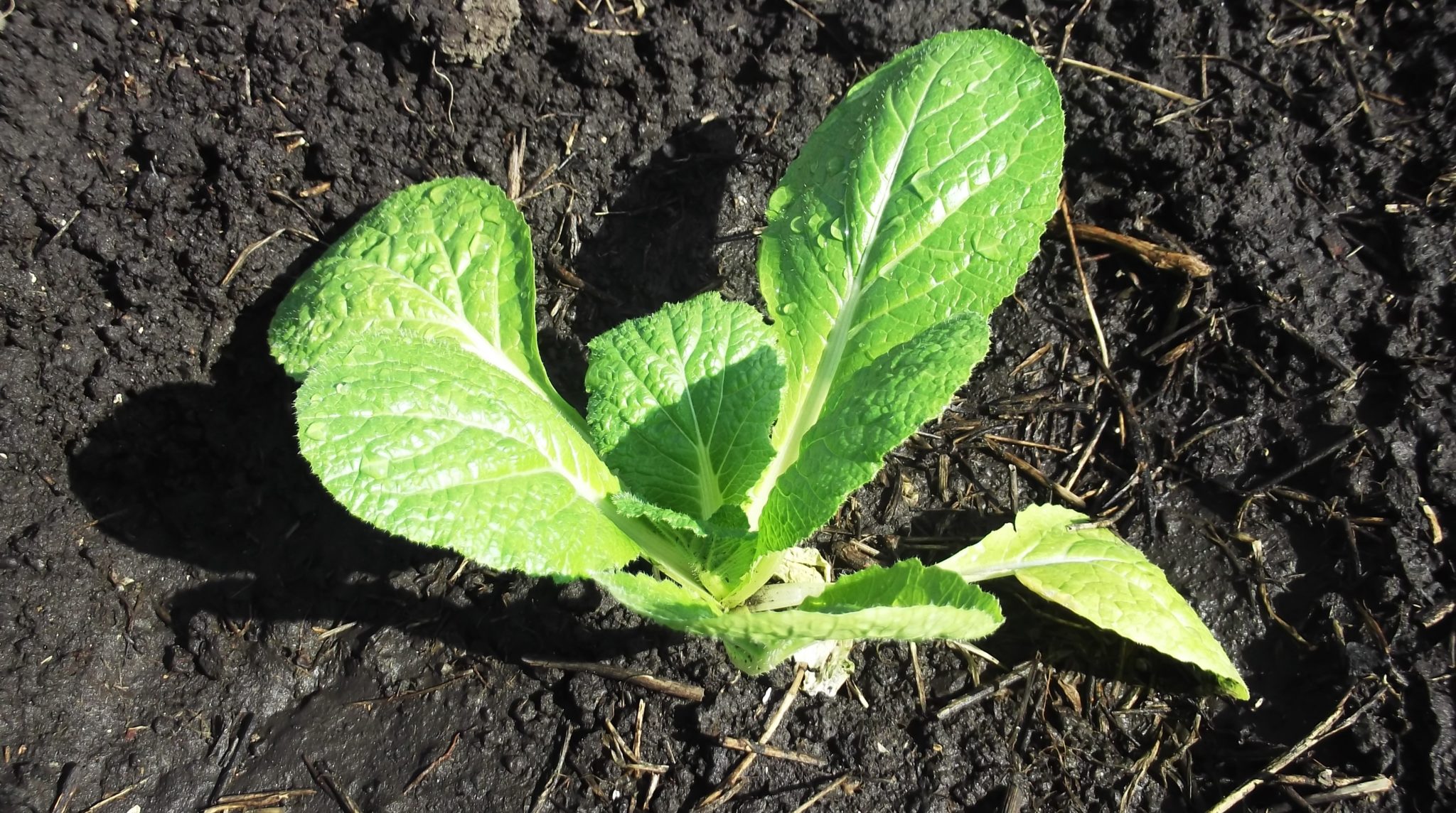
There are early varieties that ripen 40 to 55 days after sowing, such as "Orange Mandarin," "Vesnyanka," "Asten," and "Sprinkin." They form heads weighing approximately 1 kg. Mid-season varieties take slightly longer to mature, taking approximately 60 days. The most well-known of these are "Bokal," "Bilko," and "Vorozheya." They form larger heads, up to 2 kilograms, and "Vorozheya" is renowned for its low bolting rate. Late-season varieties "Russkiy Razmer" and "Nika" are renowned for their very large heads, over 3 kg. They mature in up to 80 days and can withstand the autumn temperature drop. The mid-season variety "Lyubasha" is very popular; it is known for its pleasant flavor and its slow bolting rate.
Chinese cabbage thrives on moisture, but avoid stagnant water when growing. It can easily survive temperatures as low as 3°C (36°F), and seeds can germinate even at 5°C (41°F). However, indoors, it's best to keep them at 20°C (68°F) or 22°C (72°F), and extend the daylight hours to 12 hours with fluorescent lamps until six true leaves appear. Outdoor planting is best when temperatures have risen steadily to 16°C (61°F) or even 18°C (63°F). This is especially true for early varieties.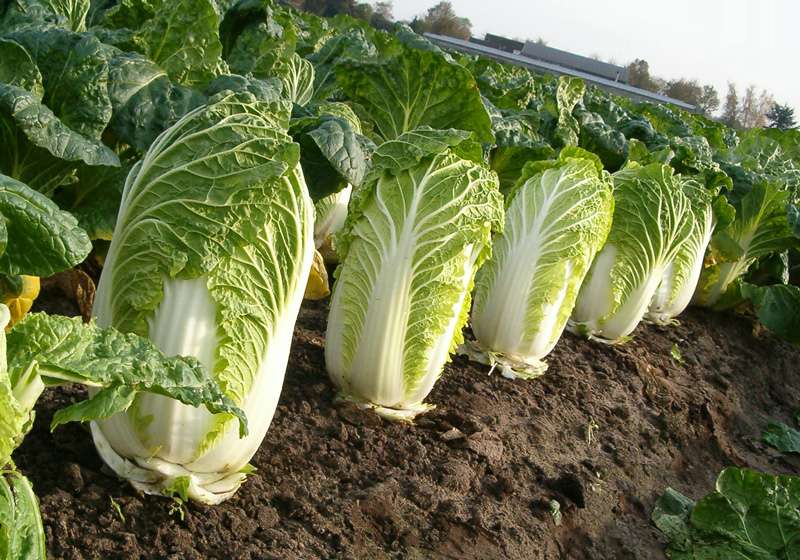
Sowing
Chinese cabbage is most often grown from seedlings, but it can also be sown directly into the garden thanks to its short growing season. Before sowing, it's a good idea to test the seeds for germination. This is easy: simply place a few seeds on damp cheesecloth, cover with the cheesecloth, and maintain moisture at room temperature. High-quality seeds will germinate in 3 to 5 days. If this doesn't happen, find other seeds.
There's no need to treat the seeds before sowing; simply plant them 1 to 1.5 cm deep in the soil and water. Since they don't like being pricked out or transplanted, it's best to use peat pots to plant the seedlings in. The soil is made up of equal parts sod and peat, or a mixture of compost and coconut coir.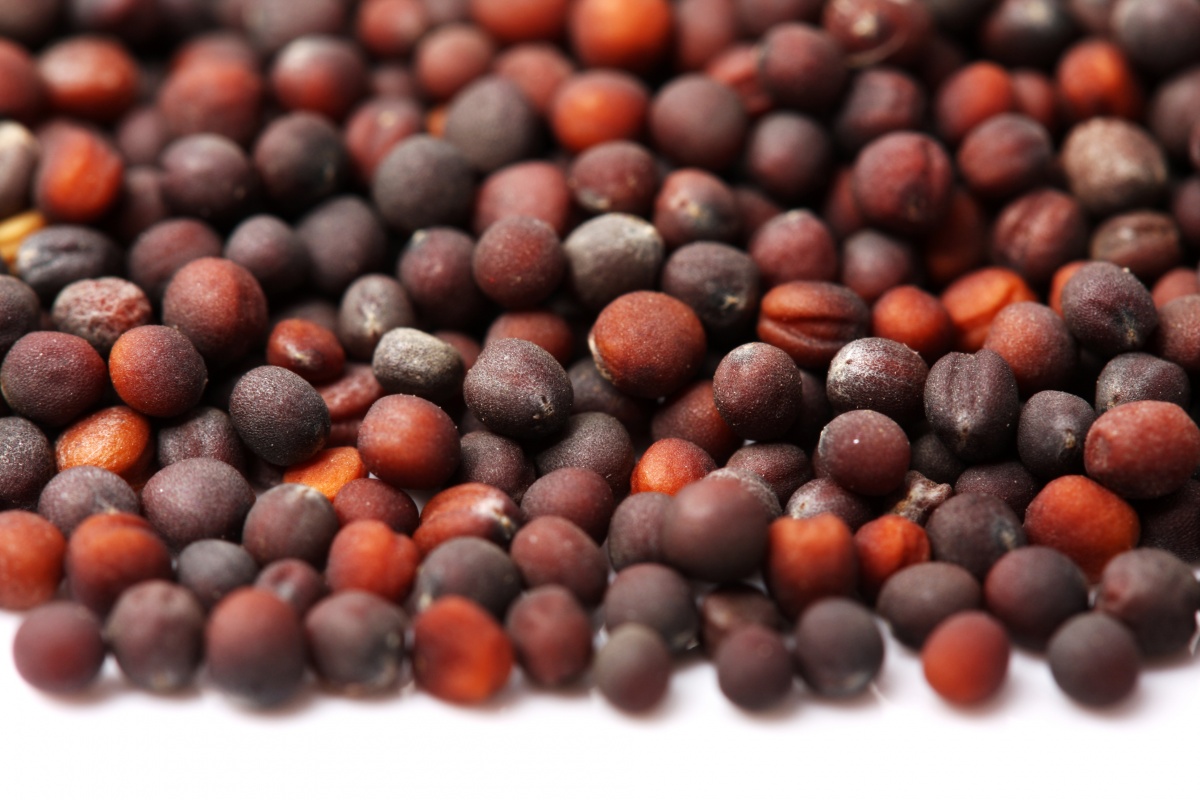
Place 2-3 seeds in each cup. They sprout in 3-4 days, then, after the leaves appear, select the strongest seedling. Until sprouting, it's best to keep them in a dark, warm place, watering them regularly to prevent the soil from drying out. Once sprouted, transfer them to the light. Sowing is typically done in late March or late June for varieties whose yields are desired to be preserved for a longer period. A month after sprouting, transplant them into the garden bed.
If you want to grow cabbage for salad at home, you can do it on your windowsill in just one month; you just need to buy Khibinskaya seeds.
How to care
This cabbage, like any other, grows well after cucumbers, carrots, garlic, and onions. It's best to first grow green manure in a prepared bed before planting the seedlings. It prefers light, neutral soils. Fertilize the beds in the fall with humus or compost, and add ash, which can be added to the holes and during planting. Plant the seedlings in the soil up to the leaves, 40 cm apart. Early plantings can be covered with non-woven fabric for a week or two. This will protect them not only from undesirable cold snaps but also from the most annoying pest – the cruciferous flea beetle.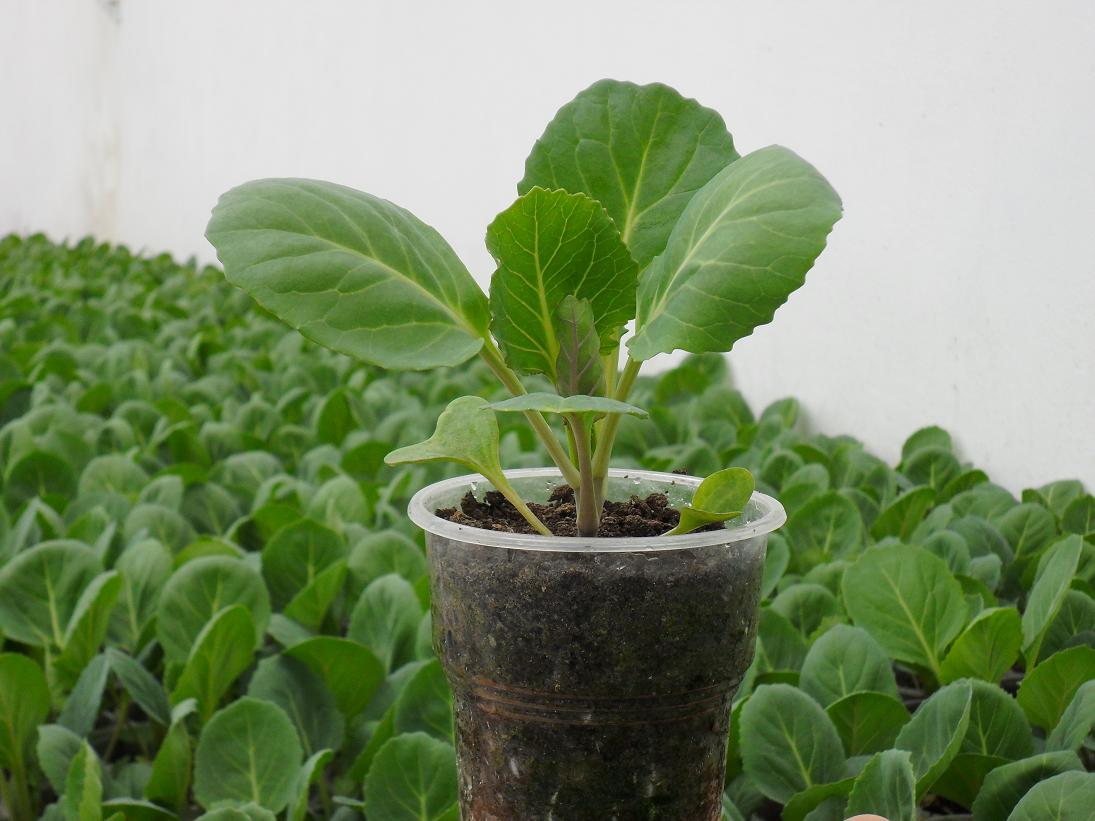
Two weeks after planting, the seedlings are mulched to retain moisture and protect them from weeds. Watering is typically done once a week, or more frequently when temperatures rise. It's important that the moisture penetrates 20 cm into the soil. Chinese cabbage doesn't require any special care. When growing, water, fertilize, loosen the soil around it, remove weeds, and protect against pests—all the same as with any other cabbage variety.
It's essential to loosen the soil after watering or rain to prevent a crust from forming. Fertilizing is usually done two or three times per season, with later-planted cabbages receiving less. For this, use a solution of mullein (10 times the recommended amount) or bird droppings (20 times the recommended amount), as well as herbal infusions. To promote head formation, spray them with a boric acid solution.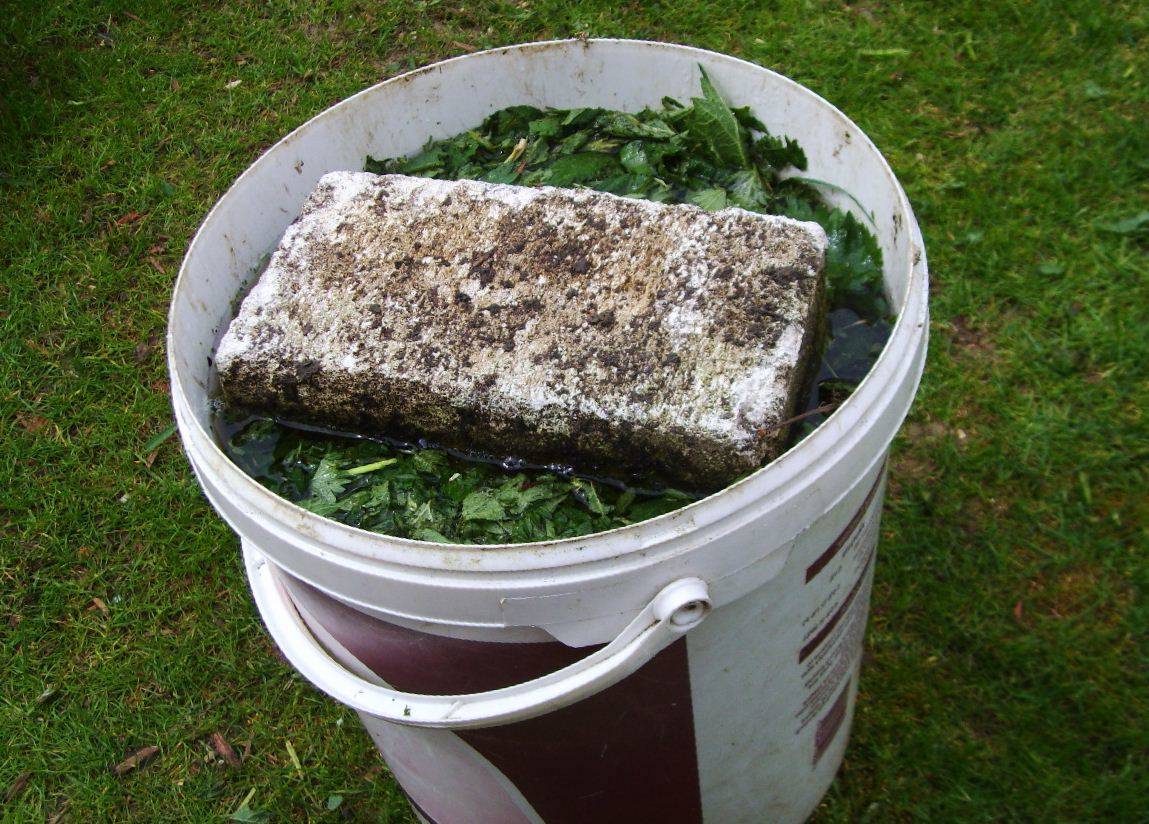
Slugs, snails, and flea beetles can damage crops if left untreated. Wood ash can be used for prevention and control – sprinkled (dusted) on the plantings and surrounding soil, or watered with an ash solution. Tobacco, mustard, and hot peppers can also be used. The smells of tomatoes, garlic, onions, calendula, and petunias repel pests; these can be planted among cabbage. If necessary, use biological products such as Fitoverm and Bitoxybacillin. If you resort to chemicals such as Actara, remember that they can only be used no later than a month before harvest.
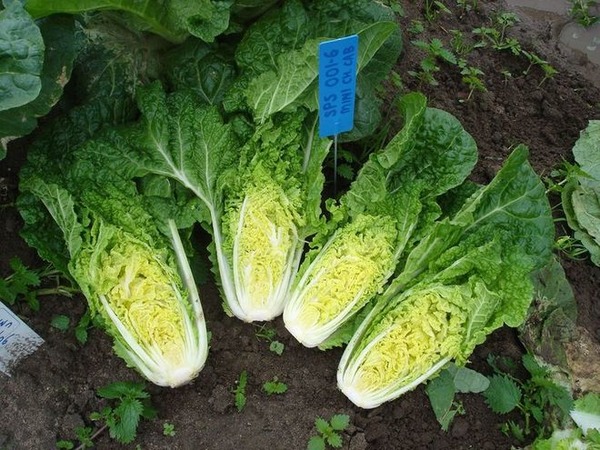
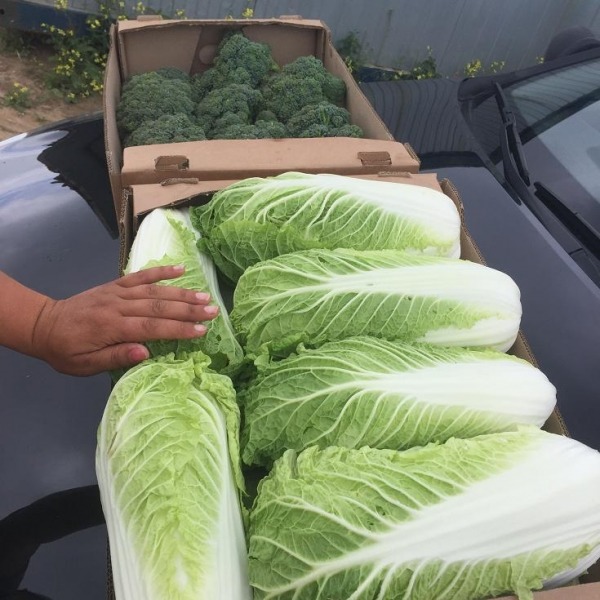
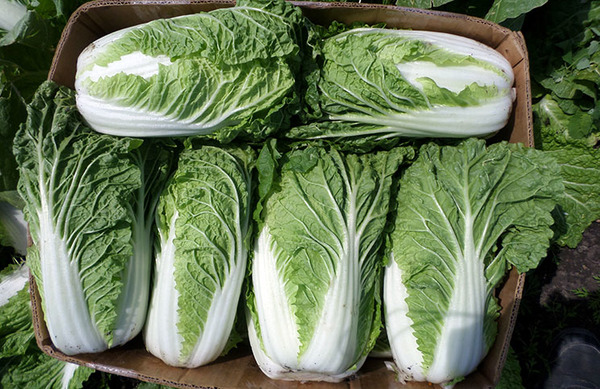
Dense heads of cabbage are cut off; spring ones are eaten immediately, while summer ones can be stored for a long time; they are wrapped in cling film and kept at a temperature no higher than +5 or +7 degrees.
Video: Growing Cabbage Seedlings
This video shows the basics of growing cabbage and the secrets to a productive harvest.