
Should you remove the lower leaves from cabbage? Experts' opinions
Content
- 1 The role of the leaf in the formation of the head
- 2 Video: "Should I cut it off?"
- 3 Should I cut it off?
- 4 Why do they do this?
- 5 Combating vascular bacteriosis
- 6 How to extend the life of early cabbage varieties
- 7 Will plucking leaves protect against cutworms and cabbage flies?
- 8 When to cut off
- 9 Video "Pros and Cons of the Method"
The role of the leaf in the formation of the head
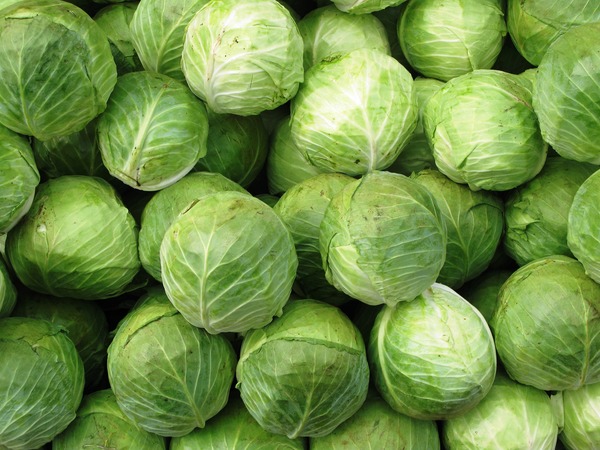
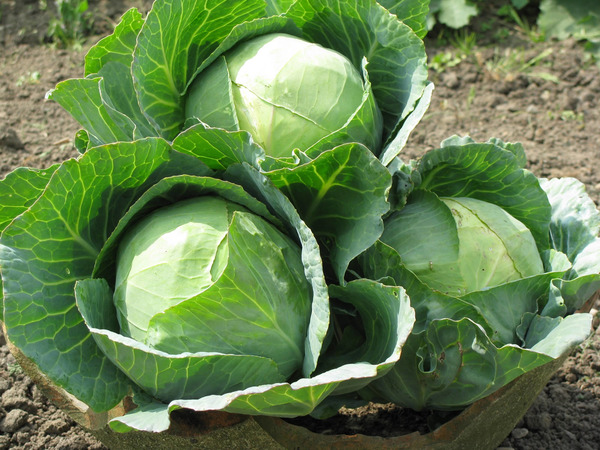
All varieties of cabbage begin as small plants with broad leaves. When growing white cabbage, we plant seedlings with a few dark green leaves in the garden. These grow, new leaves form, and photosynthesis occurs within them. The head of cabbage begins to form no sooner than a rosette of seven broad green leaves appears, which continue to grow alongside the white head. They stop growing shortly before the vegetable ripens; the lowest leaves often lie on the ground, no longer as beautiful and fresh as in summer, while the others continue to cover the head.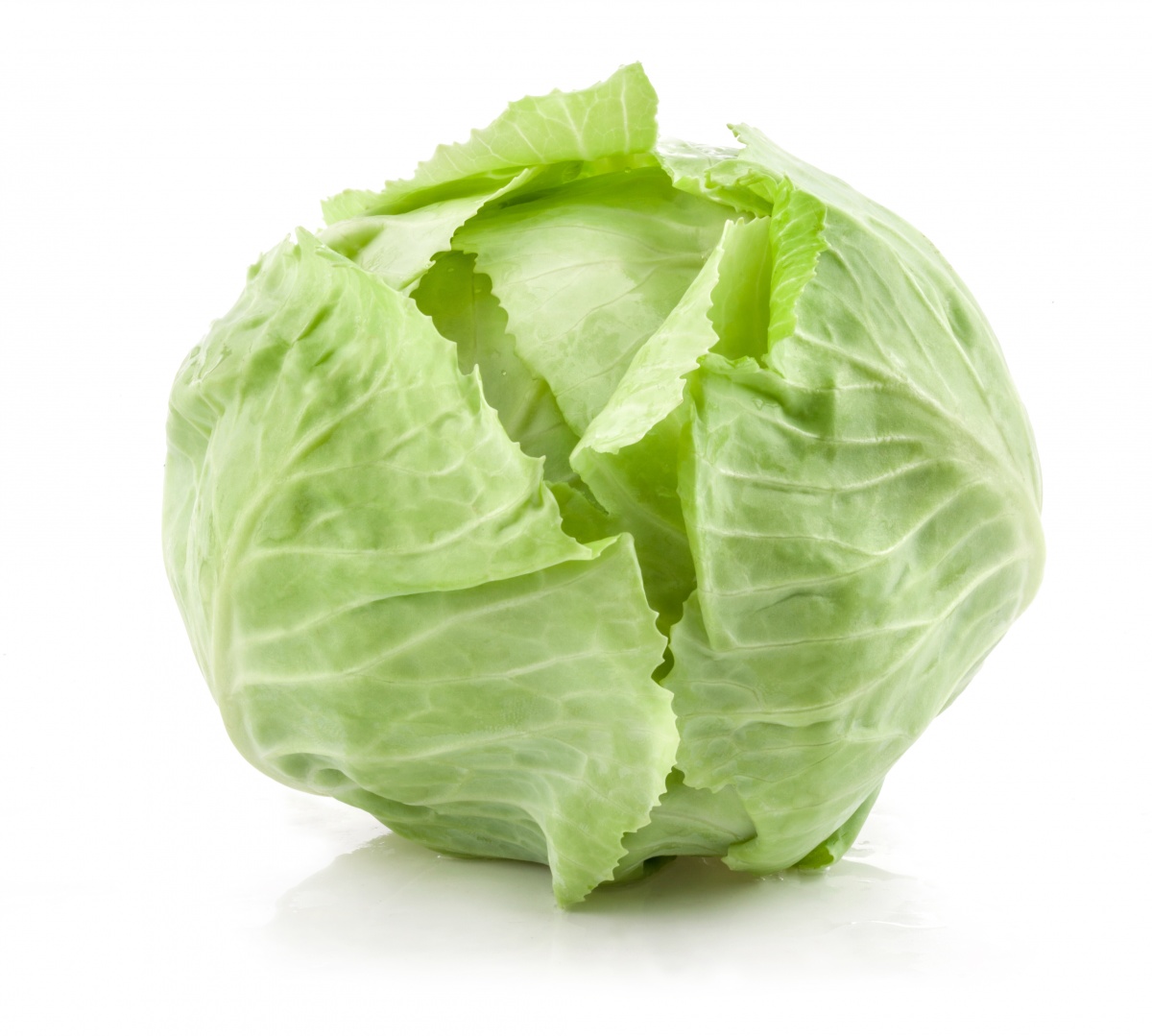
Cabbage leaves, where growth begins, consume solar energy and constantly produce proteins, fats, vitamins, and carbohydrates, gradually releasing them to the head of cabbage as it develops. While in summer they contain significantly more vitamin C than the developing head, the situation changes dramatically in the fall, shortly before harvest.
The bracts are covered with a waxy coating, which protects the entire plant from the penetration of pests and pathogens. They also provide thermoregulation, protect against overheating or hypothermia, and retain moisture.
Video: "Should I cut it off?"
This video will tell you whether you need to remove cabbage leaves and what the benefits and harms are.
Should I cut it off?
Should I remove the leaves that help form the head of cabbage? It would seem there's only one answer, but some gardeners are convinced that removing the lower leaves will result in a denser head of cabbage. These leaves lie on the ground, risking attracting pests and becoming a bridge between pathogens and the cabbage. Without them, it's easier to weed the bed and loosen the soil around the plant. But to be fair, weeds don't grow under drooping leaves, and pests attracted by the sap of the cut part of the plant are more likely to attack, and the wound becomes an open gateway for infection.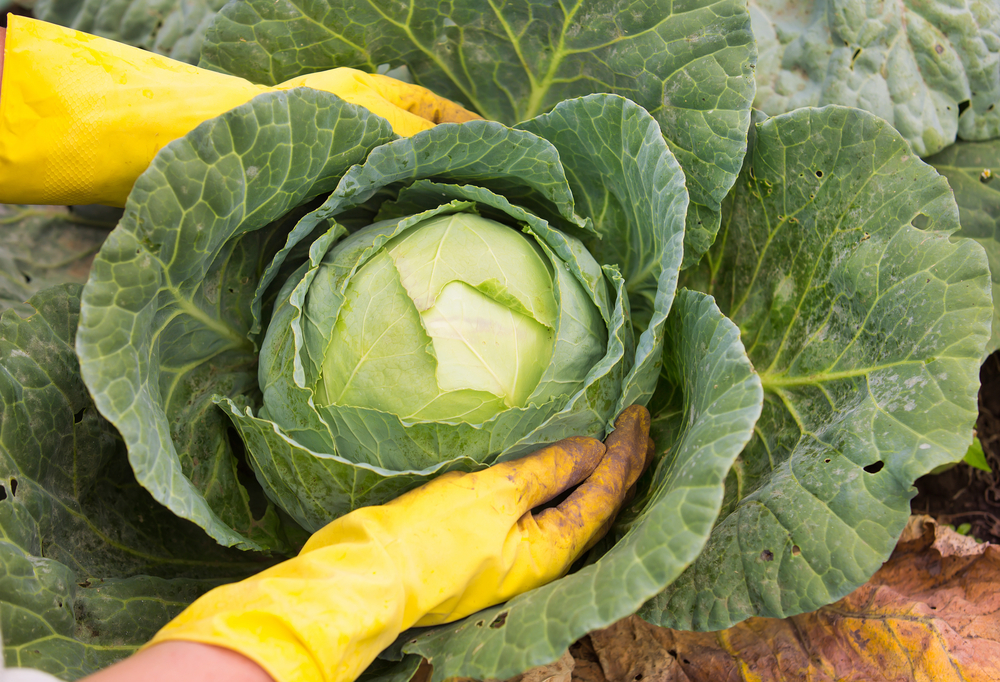
Removing leaves slows head formation and can even cause root death. Without the bracts, the yield is significantly smaller. Experience has shown that if the bracts are removed from some plants in early September, the cabbage head with leaves will grow much larger and firmer by harvest time than those from which the bracts were removed.
Why do they do this?
Some vegetable growers believe that plucking cabbage leaves is necessary to prevent them from attracting pests. However, it's more likely that these plant parts protect against pests, and other methods are needed to repel unwanted neighbors.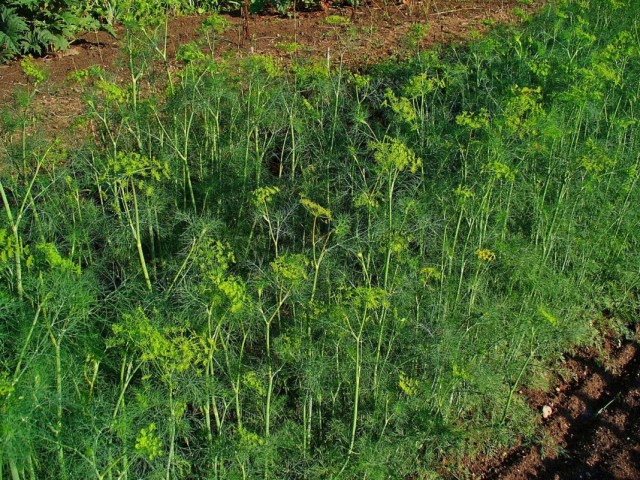
For example, it's a good idea to plant aromatic herbs among the cabbage in the bed: a little dill, celery, a few calendula bushes, and marigolds. If flea beetles or cabbage rot are attacking, it's best to sprinkle the plants and the surrounding soil with crushed wood ash or tobacco dust. The most drastic solution is chemical treatment, but removing the leaves is unlikely to help.
Combating vascular bacteriosis
Is it okay to pluck leaves when they're affected by vascular bacteriosis? Naive beginners hope that the yellowing along the edges, black veins, and dying leaf blades will stop the disease from progressing. Unfortunately, this isn't the case. If the disease has already manifested itself in this way, the entire plant is affected, and it should be removed from the garden as soon as possible to protect the rest.
The only way to prevent this unpleasant disease is to harden the seed material, which is done by placing the seeds alternately in hot and cold water.
The quality of seeds, even the quality of seedlings, influences the appearance of the disease, but not the presence of lower leaves, on which the disease simply appears first.
How to extend the life of early cabbage varieties
Gardeners sometimes wonder when to remove the lower leaves from cabbage to keep early cabbage in the garden. Since the presence of the bracts determines the growth and formation of the head, inexperienced gardeners believe that removing them can prolong the process. This is not true. Removing the leaves will simply stop growth, and the crop will be more susceptible to disease and pest damage.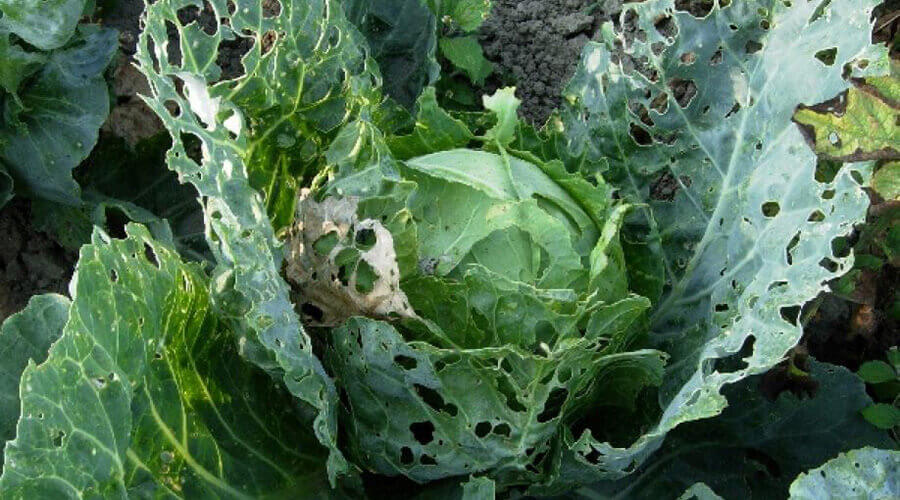 If the harvest is ripe but the owner isn't yet ready to process it, simply tug on the plant or rotate it slightly around an imaginary axis. This will break or at least reduce the connection between the roots and the soil, preventing the head from consuming moisture and allowing it to be stored in the garden for a long time without the risk of cracking.
Will plucking leaves protect against cutworms and cabbage flies?
Getting rid of persistent pests like cabbage flies and cutworms simply by plucking the lower leaves won't do the trick. To get rid of them, you'll need to use specialized treatments, such as "Agrofit" for cutworms. Cutworm pupae and fly eggs are found in the soil, from where the pests migrate to the plant. 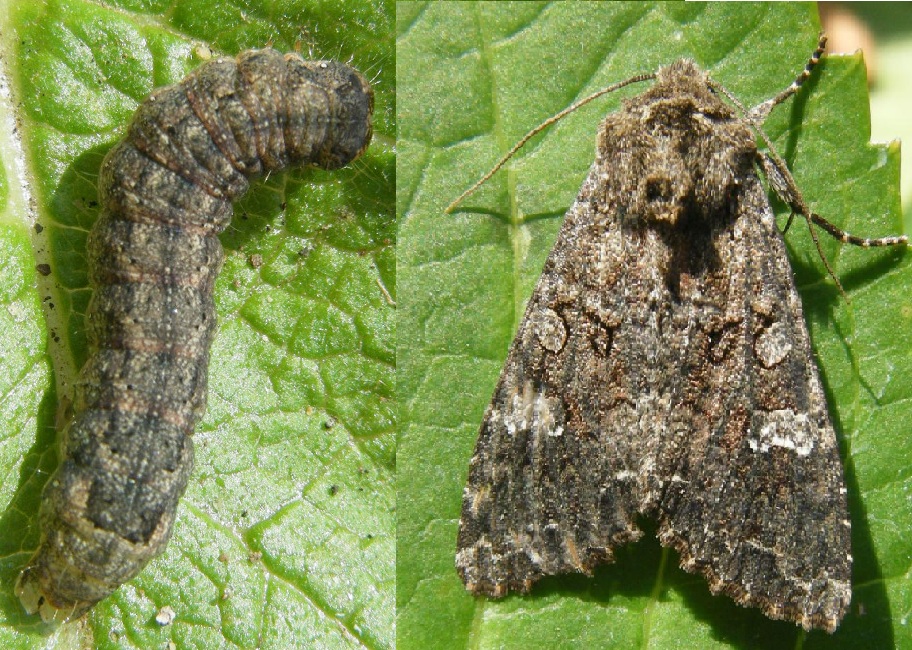 The cutworm lays its eggs on the underside of leaves. The absence of a lower leaf doesn't prevent it from laying eggs on the next one. To destroy the fly eggs, you'll have to reach the ground beneath the leaves. They may simply be damaged during pest control, but plucking them off won't help.
When to cut off
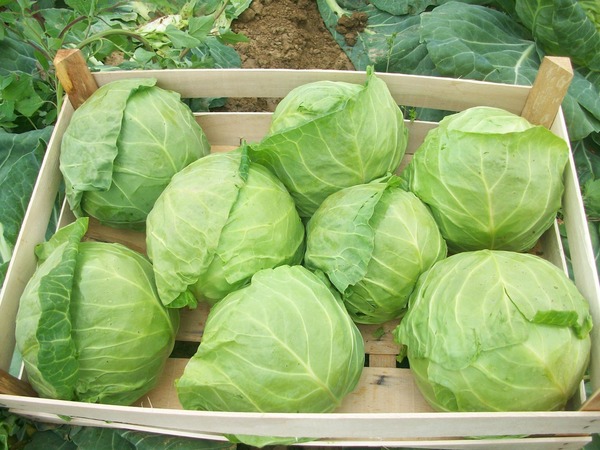
Every leaf is essential to the plant, and all the covering elements perform their functions until the harvest ripens. In the fall, before harvesting, they have already released all their nutrients, turning yellow and drying out. Many vegetable growers pluck them before harvesting, as they have already fulfilled their purpose. If they appear healthy, without rot or damage, experts recommend cutting the head of cabbage along with them. Even after cutting, the head of cabbage continues to grow as long as it has nutrients.
Often, the lower leaves that have fallen to the ground rot shortly before the head matures. Of course, they need to be removed to prevent further rot. But their purpose is also to preserve the plant and indicate that the soil is overly wet. Watering should be stopped as soon as the first signs of rot appear.
Three to four weeks before harvest, remove the leaves if the head is excessively loose. This is said to help firm it up. However, looseness is most likely due to a mineral imbalance—excess nitrogen and a lack of phosphorus and potassium are precisely what cause this. Fertilizing with potassium and phosphorus is necessary to improve the quality of the harvest.
Some vegetable growers have conducted experiments removing leaves at different stages of the growing season. The results confirm the importance of bracts for the growth and ripening of a good harvest. There's only one condition: they must be healthy at all times; only then can they fulfill their function—to grow, nourish, protect, and preserve.
Video "Pros and Cons of the Method"
From this video you will learn whether or not it is possible to pick off cabbage leaves.