
Leafy cabbage - varieties and cultivation
Content
Selecting a variety
Kale is often grown as an ornamental crop, but growing it in the garden for purely utilitarian purposes is only just gaining popularity. We're accustomed to buying Chinese cabbage in the store; not everyone knows it can be grown in their own garden, let alone the striking bushes with vibrant, curly or corrugated leaves. Breeders have developed many varieties from wild cabbage that can be grown in a variety of climates. Some varieties can withstand temperatures as low as -15°C (-14°F) or temperatures above 30°C (-86°F).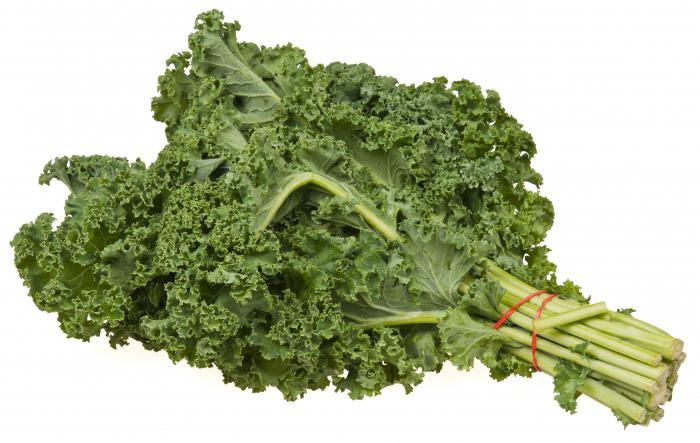
Their appearance differs not only in the color and shape of their leaves. Low-growing varieties grow up to 40 cm tall, while taller varieties reach up to 90 cm. Some gardeners have already come to love Japanese cabbage, whose leaves can be eaten 45 to 60 days after sprouting. The early Russian-bred variety "Rusalochka" is famous for this. Seeds of the mid-early "Pizhon" variety and the ultra-early "Mizuna" are available in our stores.
Kale, for some reason called wild cabbage, has become very popular. There are red and green varieties, differing only in the color of their lace-like leaves. They ripen 75 days after germination. Kale is surprisingly rich in nutrients; along with vitamins, amino acids, and other essential elements for a healthy life, it contains substances that accumulate in the retina of the eye, protecting it from the damaging effects of ultraviolet radiation.
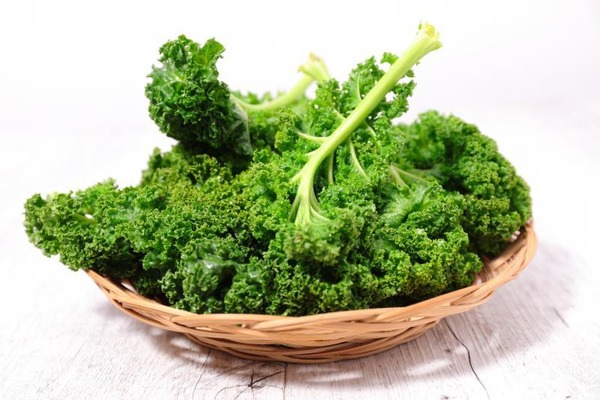
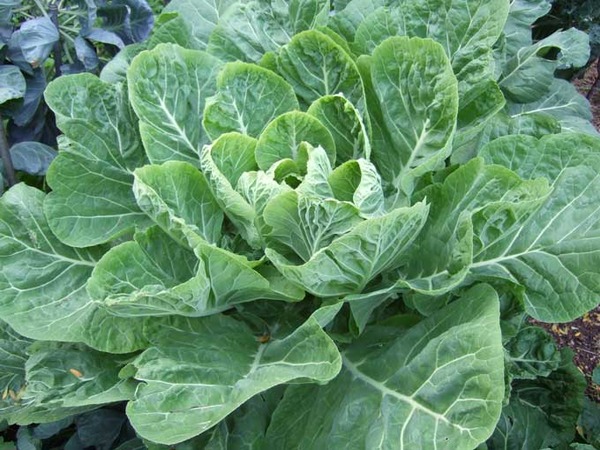
By the way, a full cup of chopped leaves contains two days' worth of beta-carotene.
In just 80 days, you can harvest the frost-resistant varieties "Premier Kale" and "Siberian Kale." The latter is easily grown in Siberia and the Northern Urals using seedlings.
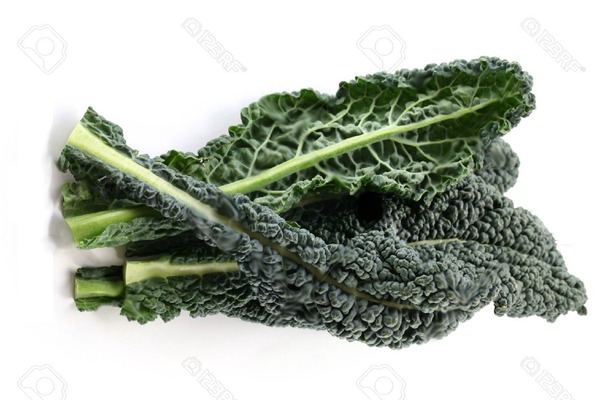
'Black Tuscany' differs from the lace family with its tuberculate leaves of a bluish-green colour, while 'Climbing Kale' surprises with the purple colour of its leaves, which are smooth in the middle and ruffled at the edges.
The Dino kale produces tall, long leaves, while the Cane kale can grow up to 2 metres tall, with leaves rising on strong petioles.
The RedborF1 hybrid resembles a palm tree with burgundy leaves, growing from 70 to 150 cm tall. This cabbage is frost-resistant and can be eaten after shaking off snow, with the intensity of its color depending on the amount of sunlight it receives.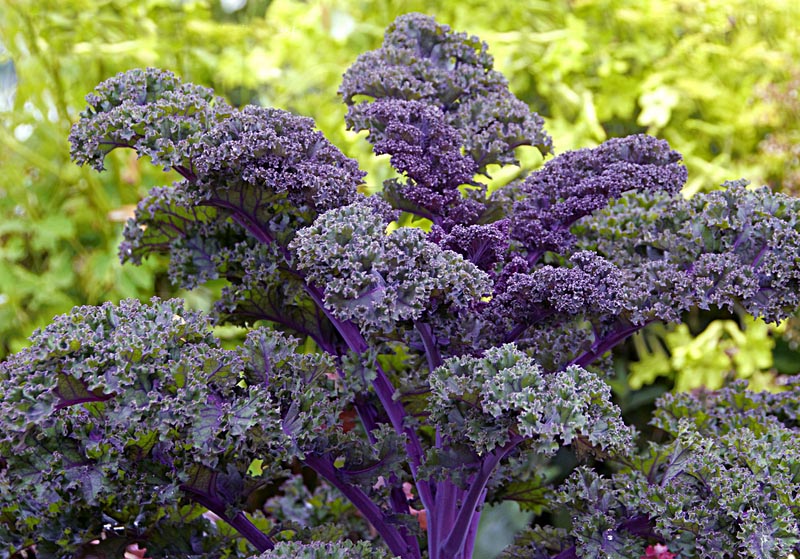
Green cabbage "Reflex F1" is a mid-late-ripening hybrid. It thrives in temperatures down to -18°C and grows to 80 cm tall. Leave at least 60 cm between plants, and when plucking leaves in summer, avoid touching the lower ones; they should remain until the end of the growing season.
Video "Description"
From the video you will learn many interesting facts about cabbage.
How to get a harvest
With the abundance of varieties already available on our market, you can choose one to suit any taste, even considering your climate. Cabbage is grown using seedlings or by sowing directly into the garden bed. When preparing seedlings, time the sowing based on the fact that plants are planted in the garden at 35-45 days old, and the seeds germinate in 4 to 7 days. First, they are sown in trays, then pricked out into individual cups with fertilizer, and in the warmth of May, they are transplanted to the prepared site. The seedlings are spaced in a staggered pattern, approximately 45 cm apart.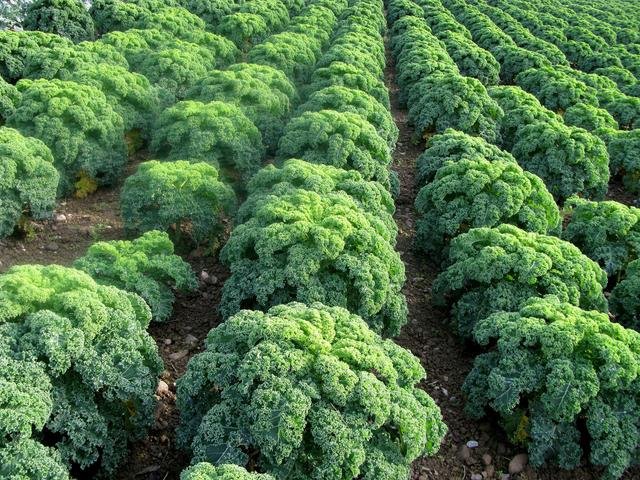
Cabbage is usually sown in the garden in April, when the air and soil have warmed to 5 degrees Celsius. It is recommended to cover the crops with glass or plastic, removing the covering immediately after the sprouts emerge. Then, begin the usual care.
Landing site requirements
Kale thrives in full sun (most varieties do) and fertile, well-drained, non-acidic soil. Therefore, choose a high, open site. Prepare the plot in the fall by digging it, adding humus or compost, and a complete mineral fertilizer. If this wasn't done in advance, you can apply the mineral fertilizer as soon as the ground thaws.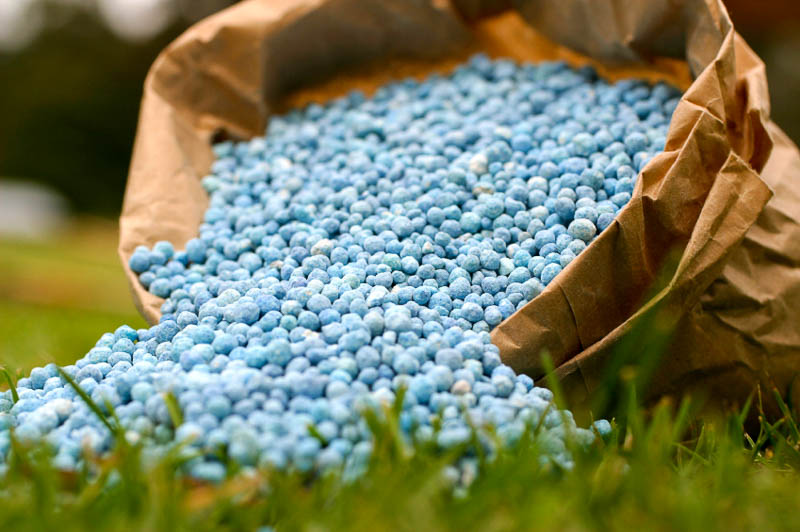
You can't grow all types and varieties after cruciferous vegetables; it's better to plant them where nightshades, legumes, or pumpkin crops previously grew.
Care
Maintenance involves regular weeding, loosening the soil, watering, hilling the bushes, fertilizing as needed, and pest control. Weeding is essential, removing plant debris from between the rows. Loosening the soil is usually done after watering to prevent a hard crust from forming, but this should be done carefully, as the roots are shallow.
Cabbage prefers moisture, but not stagnant water, so watering is usually done when the soil has dried out. Of course, the leaves aren't heads and won't crack from uneven watering, but it's best to water as regularly as possible. The plants are hilled up with soil several times during the summer.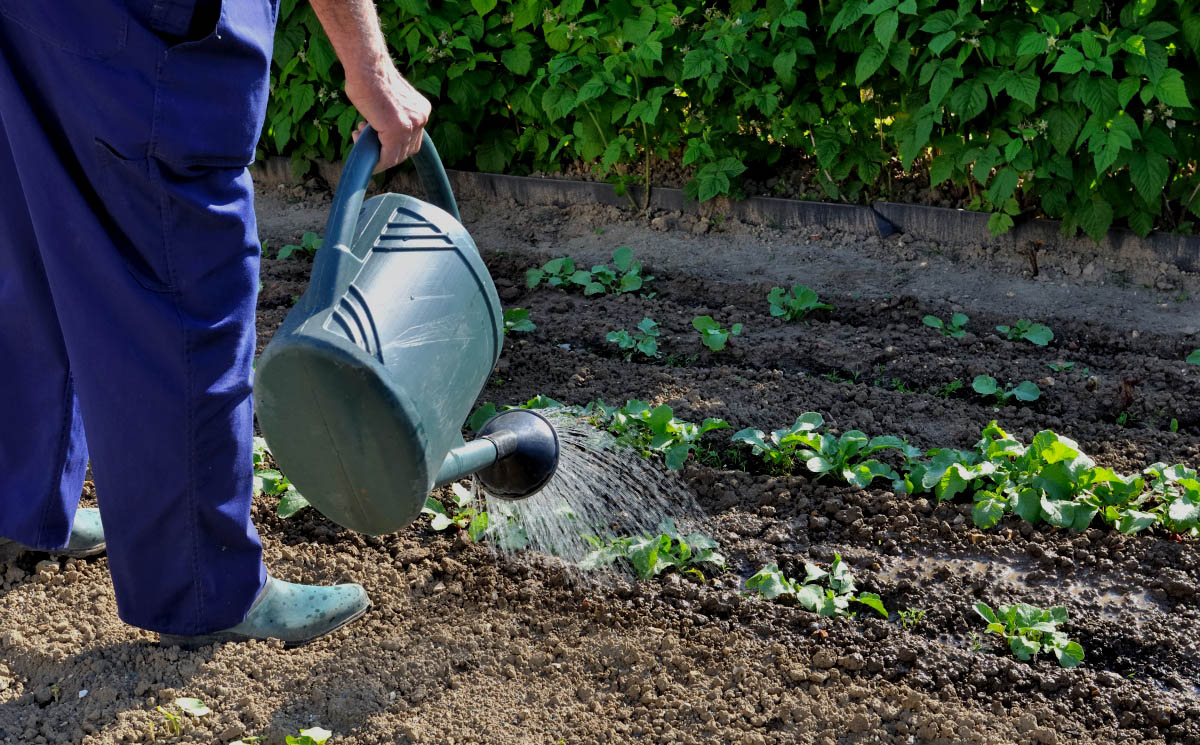
To protect this delicate vegetable from pests and fungal diseases (kale exhibits good resistance to them), keep the garden bed clean and avoid overwatering. Slugs, snails, aphids, and butterflies are all eager to feast on the succulent leaves or lay their young on them. Crushed wood ash or tobacco dust can repel pests; dust the plants with these products after rain or watering. If calendula, marigolds, or dill are grown nearby, cabbage white butterflies pose no threat to the plants; they especially dislike the smell of these plants.
Cabbage is often grown as an annual, forgetting that it is actually a biennial crop. After harvesting, when all the leaves are cut off in the fall, it is advisable to leave 10 cm above ground level.
This remaining stem and roots can be covered with hay, dried leaves, or spruce branches for the winter. In the spring, with the first warm weather, new fresh leaves will begin to grow, resulting in the first harvest much earlier than after sowing. Allowing the plant to flower will also allow you to harvest seeds. Home-grown seeds usually have a much higher germination rate than store-bought ones.
Recipe for effective fertilizer
If the soil is fertile, applying fertilizer before planting may be sufficient for the entire growing season. If the soil is poor, potassium-phosphorus and nitrogen fertilizers will need to be applied after (or along with) watering several times throughout the season.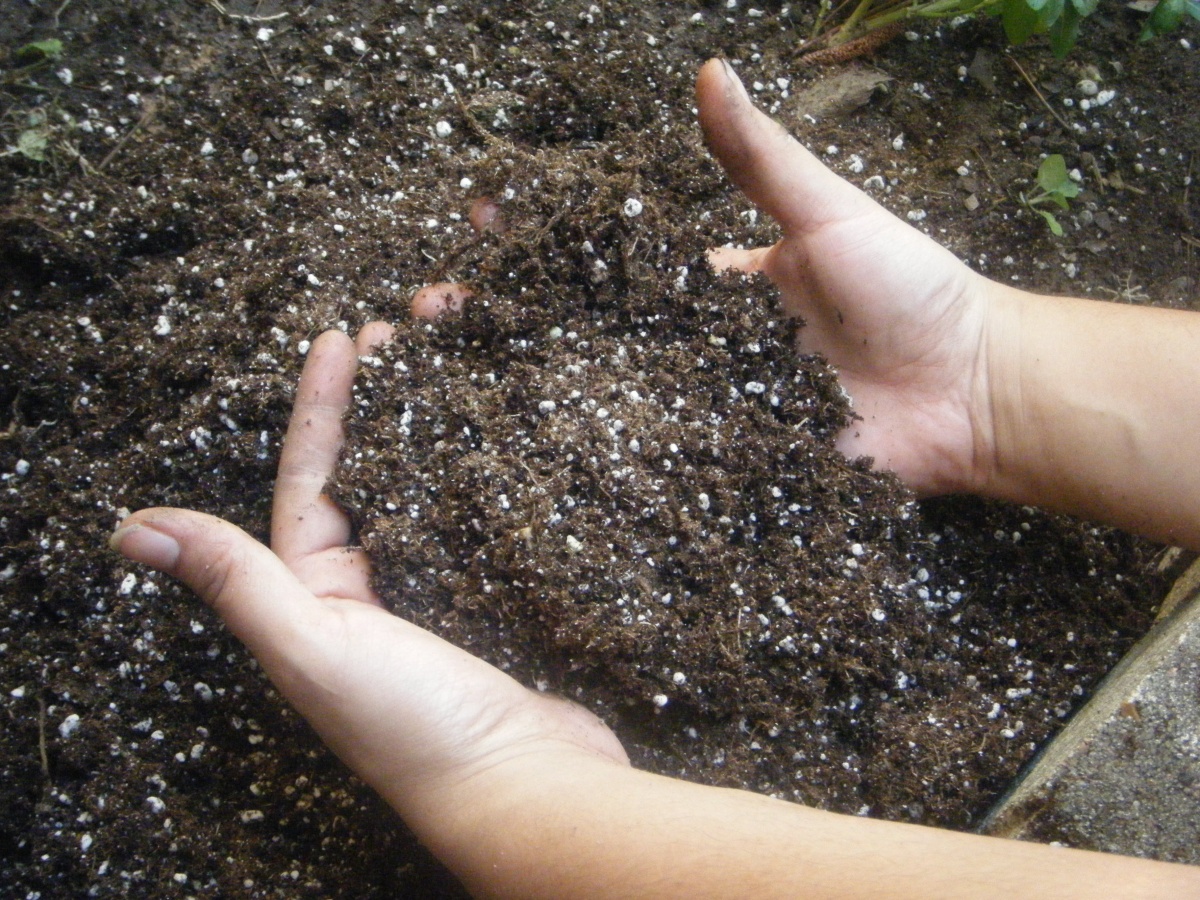
Many gardeners prefer to make their own fertilizer using harmless ingredients. A mash made from grass and chicken manure, for example, has proven very effective. To make it, fill a container (barrel) with fifteen liters of water, add 4 kg of fresh grass (weeds from weeding), 500 g of dried bird manure (available commercially), and cover the entire mixture with mesh. This mixture should ferment for at least 20 days, stirring it daily to improve the fermentation process. Before use, dilute the liquid with the same amount of water. Water the plants with this mash, which has a beneficial effect on leaf growth.
Collection and storage
The soft, fresh leaves are eaten. They are used to make salads, smoothies, and vitamin cocktails. If the leaves have become tough and overripe, they can be boiled, fried, or stewed. Typically, the leaves are picked throughout the summer, and then the entire rosette is cut off in the fall. They can be stored for 2-3 days, after which they simply wilt. They will keep on the bottom shelf of the refrigerator for up to six days, but no more.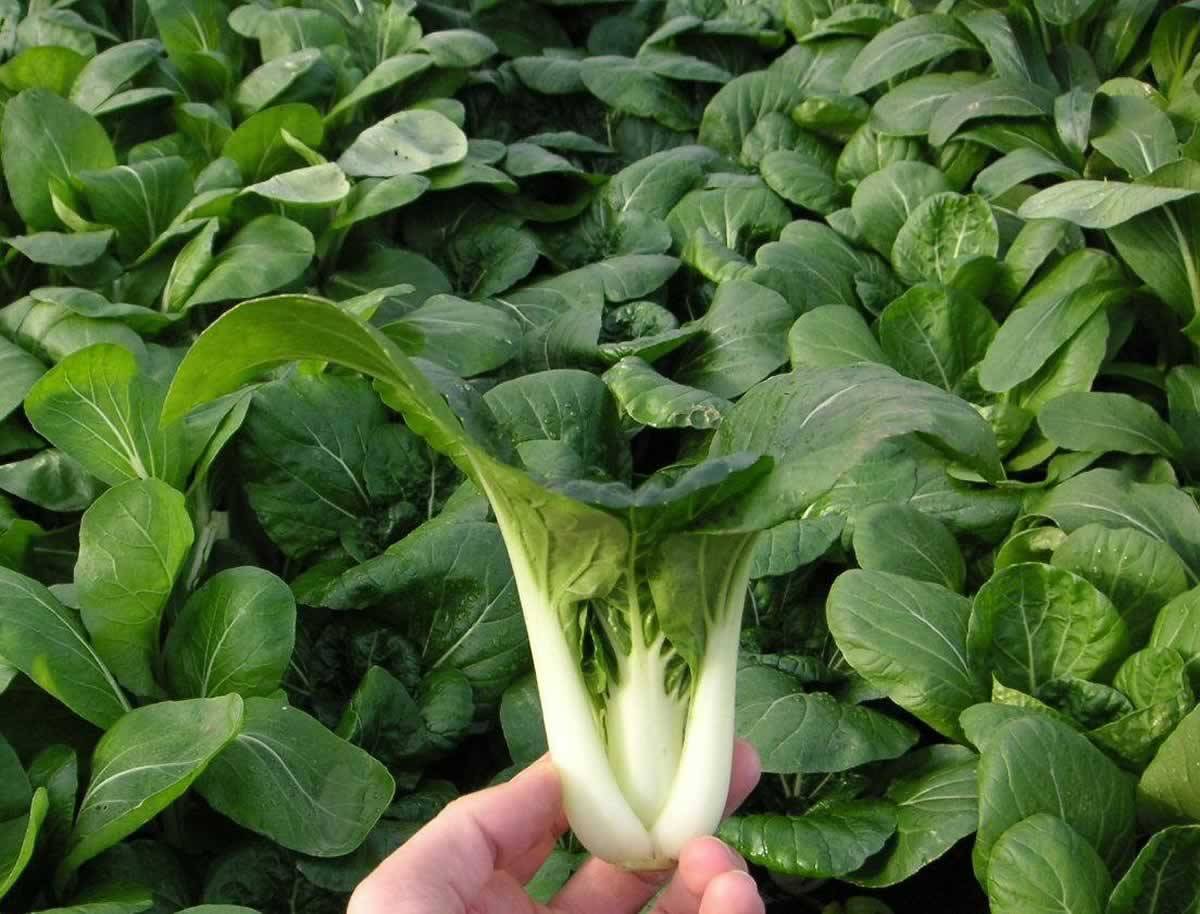
If you need to store the leaves for a long time, freeze them. Some housewives cut out only the tender leaf blade for storage, discarding the tough stems and veins. The leaves are wrapped in cling film and frozen. Frozen leaves can be stored in the freezer for several months, removing and defrosting only the required amount. After freezing, they retain all their beneficial properties. However, if you defrost them and then refreeze them, the leaves will become much less beneficial and completely unpresentable.
Video "Growing"
From the video you will learn how to grow cabbage.