
Red cabbage: the most popular variety in Russia
Red cabbage is a close relative of white cabbage. However, beyond color, there are a number of other differences between the vegetables. Red cabbage produces dense but small heads, round or oval. They also take longer to ripen than their relatives.
Content
Brief description
Red cabbage is characterized by its late maturation. The development period lasts over five months. The fruits weigh between one and three kilograms. The plant's roots are strong and have numerous offshoots. The vegetable can be harvested in its second year of development. The seeds are round and dark brown.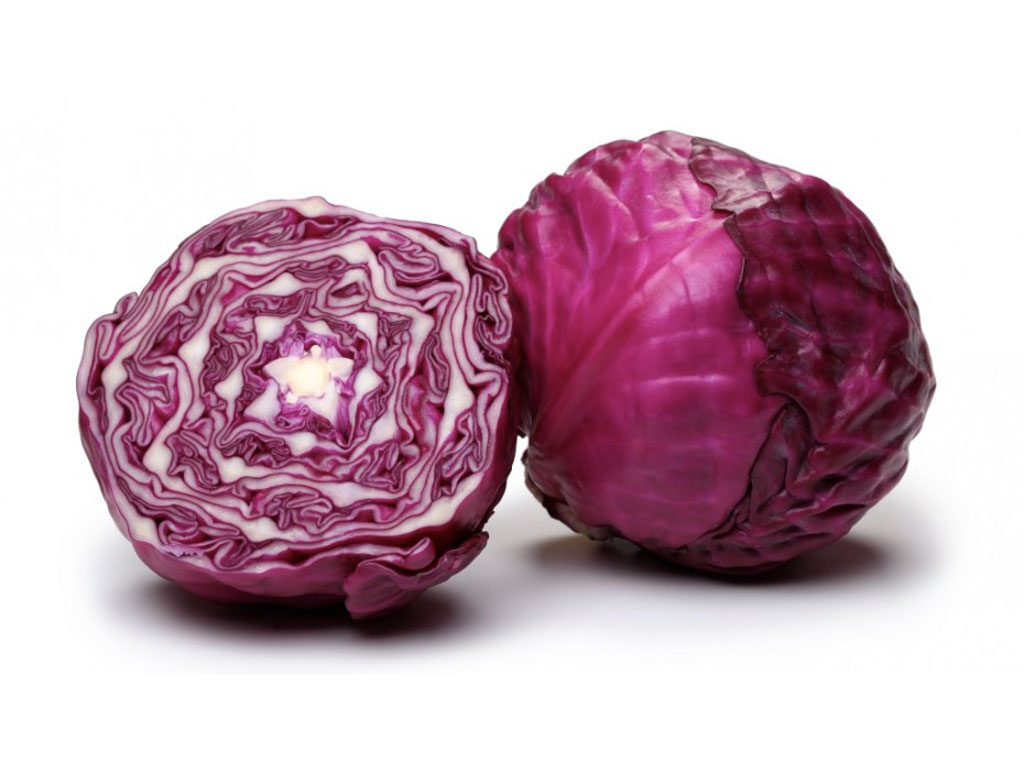
Cabbage tolerates cold well. The plant's most comfortable temperature is 15°-17°C. Seedlings that have been hardened off show no slowdown at temperatures as low as -7°C, and mature plants easily tolerate temperatures as low as -8°C. A well-developed root system makes the vegetable heat-resistant compared to its closest relatives. The plant is demanding in terms of light. When grown in conditions deficient in light, development is inhibited, the head becomes loose, and the leaves take on a green color with a hint of purple. Adequate soil moisture is also important for the development of the vegetable. This factor is crucial for the formation of the rosette and head of cabbage. However, overwatering should be avoided, as this can lead to the death of the plant. Therefore, the crop should be grown at elevated sites where moisture stagnation is prevented.
Features of cultivation
Red cabbage thrives in areas where legumes, onions, beets, potatoes, and cucumbers were previously grown. It's virtually impossible to harvest it if you plant it after cabbage itself, or after radishes or horseradish.
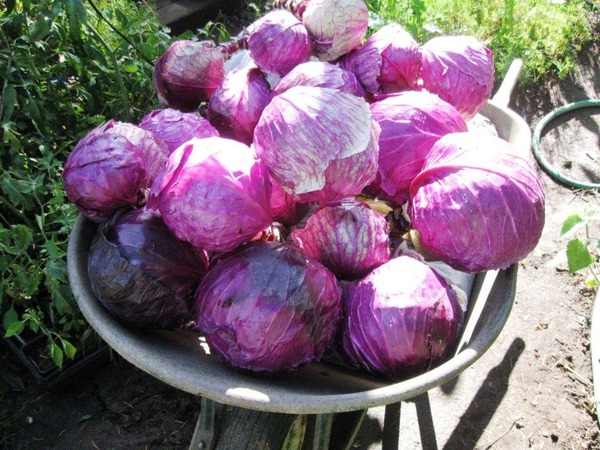
Depending on their maturity, there are early, mid-season, and late varieties. This vegetable is typically grown from seedlings. Early and hybrid varieties require 30 days to grow, while mid-season and late varieties require 45 days.
Sow seeds between March 5th and 20th for fast-maturing plants, and between February 15th and April 15th for slow-maturing crops. Plant seeds in holes a couple of centimeters deep. Transplant the seedlings to their permanent location once they have developed five leaves.
When transplanting into the soil, the distance between individuals should be from 30-50 to 70 centimeters, depending on the type of variety.
The vegetable requires systematic fertilization and proper moisture.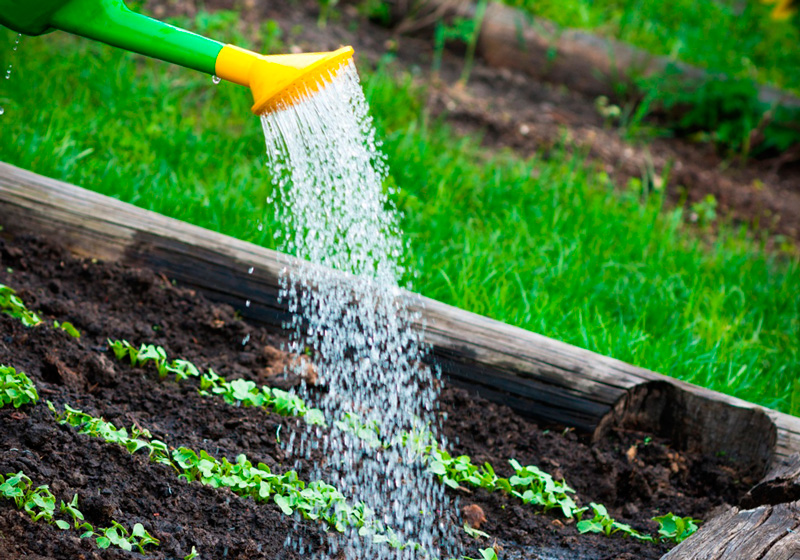
Overwatering can kill the vegetable. A liter of water is sufficient for seedlings, while mature plants require about 20 liters per irrigation. To retain moisture in the soil for a long time, it is necessary to loosen it.
Video: Growing Red Cabbage
This video shows how to grow and care for red cabbage.
Beneficial properties
Red cabbage is notable for its low calorie content. 100 grams of the vegetable contains only 26 kilocalories. However, this fact in no way affects the vegetable's vitamin and other nutrient content. In addition to carbohydrates and organic matter, the fruits of this crop contain high amounts of protein and vitamins A, PP, C, E, H, and B. The heads are virtually fat-free, but they are rich in minerals: potassium, calcium, phosphorus, iron, and others. Compared to the more common white cabbage, red cabbage contains four times more beta-carotene.
The cabbage's purple color with a reddish tint is due to the presence of anthocyanins. These substances are antioxidants that strengthen blood vessels, stabilize collagen, and promote overall skin health. This is why the vegetable is rightly considered a source of youth. Anthocyanins also help treat eye diseases, protect against radiation, and prevent leukemia.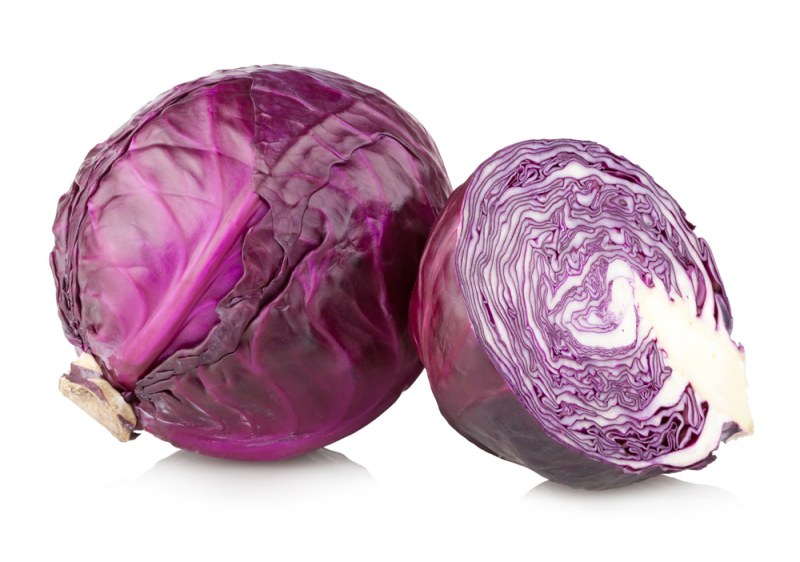
The vegetable's heads don't contain as much juice as other cabbage varieties. However, this is more than compensated for by the beneficial and nutritious substances they contain. The phytoncides contained in the plant inhibit the activity of the tuberculosis bacillus, treat various degrees of bronchitis, and other respiratory diseases. These properties were already known in ancient Rome, and cabbage was successfully used to treat various ailments.
Red cabbage stimulates blood formation, kidney function, and thyroid function. These processes are influenced by the proteins found in the vegetable in abundance.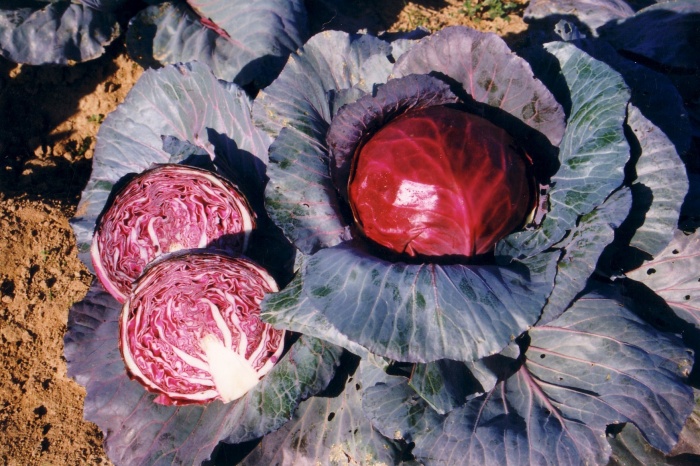
The vitamins in this plant are preserved longer than in other vegetables, including vitamin C, which usually breaks down when exposed to light and air.
The selenium and zinc found in red cabbage have a positive effect on the thyroid gland. Selenium promotes oxygen supply to cells, detoxifies the body, and strengthens the immune system. Zinc promotes proper brain function.
Lactic acid and fiber, also found in the culture, maintain optimal intestinal health and remove excess cholesterol from the blood. Therefore, the vegetable is ideal for anyone trying to lose weight. The culture is also a central component of a therapeutic diet.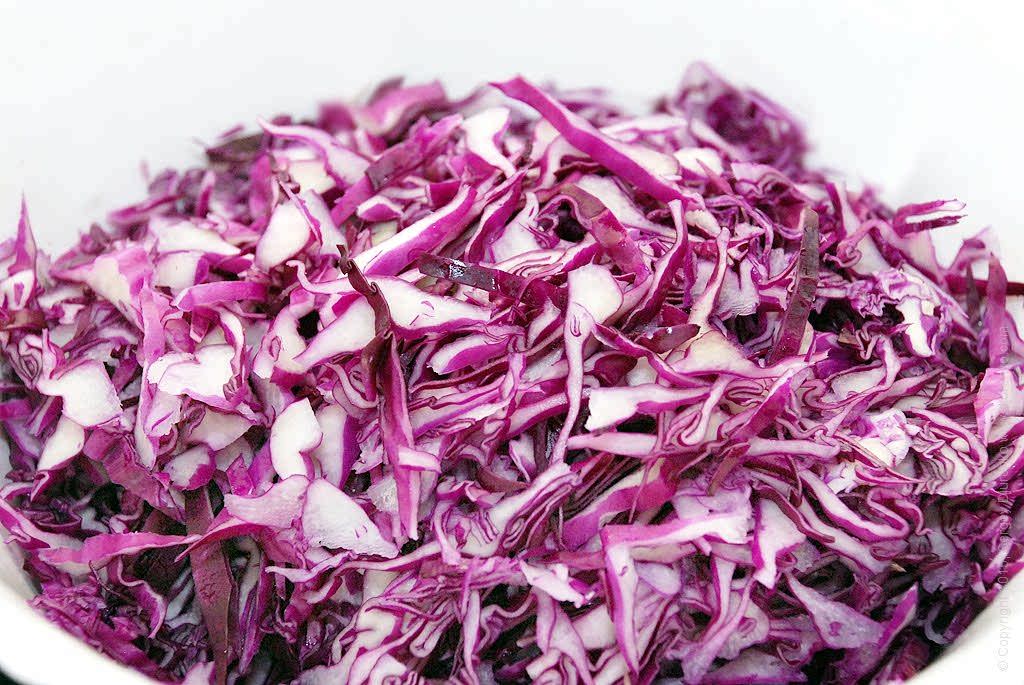
Consuming cabbage for hypertensive patients will normalize their blood pressure. The vegetable also has a diuretic effect, which is essential for the treatment of a number of other conditions.
For colds, it's recommended to drink red cabbage juice with honey. The leaves can also be applied externally. They promote wound healing and the absorption of hematomas.
Russian women have always noted the positive effect of cabbage on breast growth. Here, too, the red vegetable has an advantage. However, using the plant tends to strengthen rather than enlarge breasts. Consuming the vegetable in its pure form and in reasonable doses will provide the body with benefits.
The specific effect of the culture is to neutralize alcohol. Therefore, it is advisable to eat a cabbage salad before drinking it.
Red cabbage is quite popular in Russia today. This is due to its distinctive flavor, unique appearance, and beneficial properties. The vegetable's many nutrients and vitamins are absorbed through food. However, cabbage can also be effectively applied externally. There are a number of traditional recipes for this purpose.
Video "Red Cabbage Variety Garanci F1"
This video explores the experience of growing the red cabbage variety "Garanci F1".